Ready to rank in Houston?
Call now — 385-985-0003Houston / SEO
SEO in Houston: the largest home services market in Texas, decided one search at a time
Plumber, HVAC tech, fence crew, concrete finisher, epoxy installer — it makes no difference: Houston households open a search box before they open a phone book, and the map pack is the only phone book that still exists. Spread a metro of more than seven million people across 10,000 square miles of freeways and bayous, and the winner of that first search is whichever name Google surfaces, not whichever name has been on the truck the longest.
The short answer
SEO in Houston means earning the Google map pack and organic results for Gulf Coast service searches — ac repair, emergency plumbing, water heater replacement, fencing, concrete and driveway work, patios and epoxy flooring, plus their neighborhood variants. Extentus builds Google Business Profile authority, review velocity and real service-area pages for the Heights, Montrose, Memorial, Bellaire, Katy, Cypress, Sugar Land, Pearland, Spring, The Woodlands, Kingwood, Missouri City and League City, then reports booked jobs.
01. The moment
It is 9pm in August, the air handler in a Katy two-story quits, and the house is at 84 degrees with 90 percent humidity outside.
Nobody in that house is waiting until morning. The homeowner opens a phone, types "ac repair houston" or "ac repair near me," and dials whichever of the three map-pack results looks most credible. Ninety seconds, one decision, no second chance for the company that was not on screen.
The same shape repeats across every trade on the Gulf Coast: a slab leak under a Bellaire ranch house with original galvanized pipe, a wood privacy fence in Cypress rotted at the posts after five years of heat and clay movement, a driveway in Pearland cracking as gumbo clay swells and shrinks between drought and downpour, an epoxy garage floor in Spring that failed because it was rolled onto a slab still holding moisture.
Local SEO in Houston is not brand-building. It is the difference between being the name on screen when humidity, water or a failed system forces someone to decide in under two minutes, and not existing for that decision at all.
02. Why trades are different here
Houston is the biggest and most fragmented home services market in Texas — and the most competitive.
Houston is the fourth-largest city in the United States, with roughly 2.3 million residents inside a Harris County of about 4.8 million and a nine-county metro of more than 7.3 million people spread over an area larger than the state of New Jersey. Scale is the defining fact for any trade here: more work exists than in any other Texas market, and more companies are chasing it — independents, regional operators, private-equity-backed HVAC and plumbing roll-ups, national franchises and lead-reseller platforms all bidding for the same clicks.
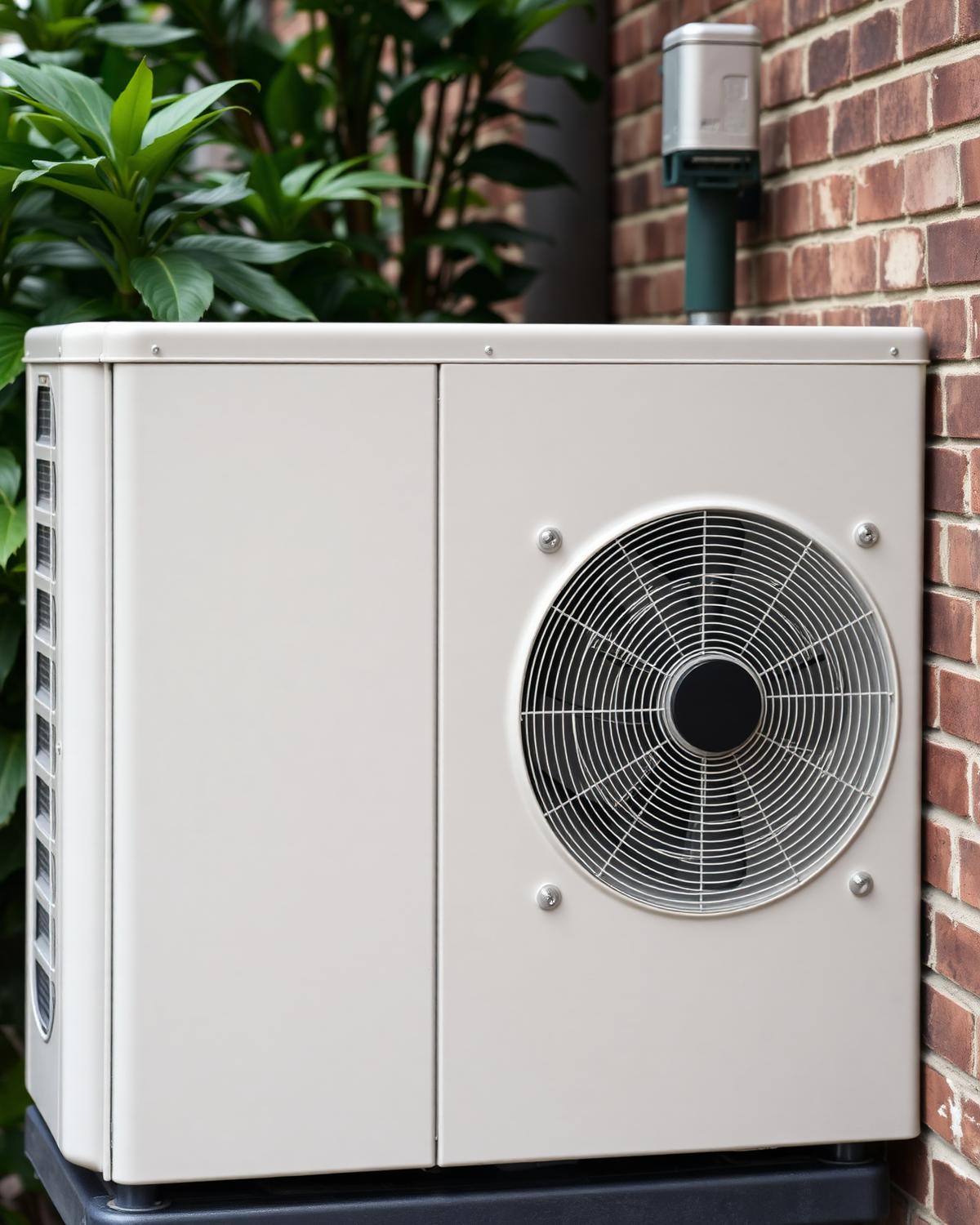
The physical drivers are Gulf Coast, not Hill Country. Sustained heat with dew points that keep air conditioning running nearly around the clock from May into October means systems fail under continuous load rather than during a brief peak. That same moisture rots fence posts, feeds mold behind walls, blisters coatings on slabs that were never moisture-tested, and keeps dehumidification and duct work permanently on the repair list.
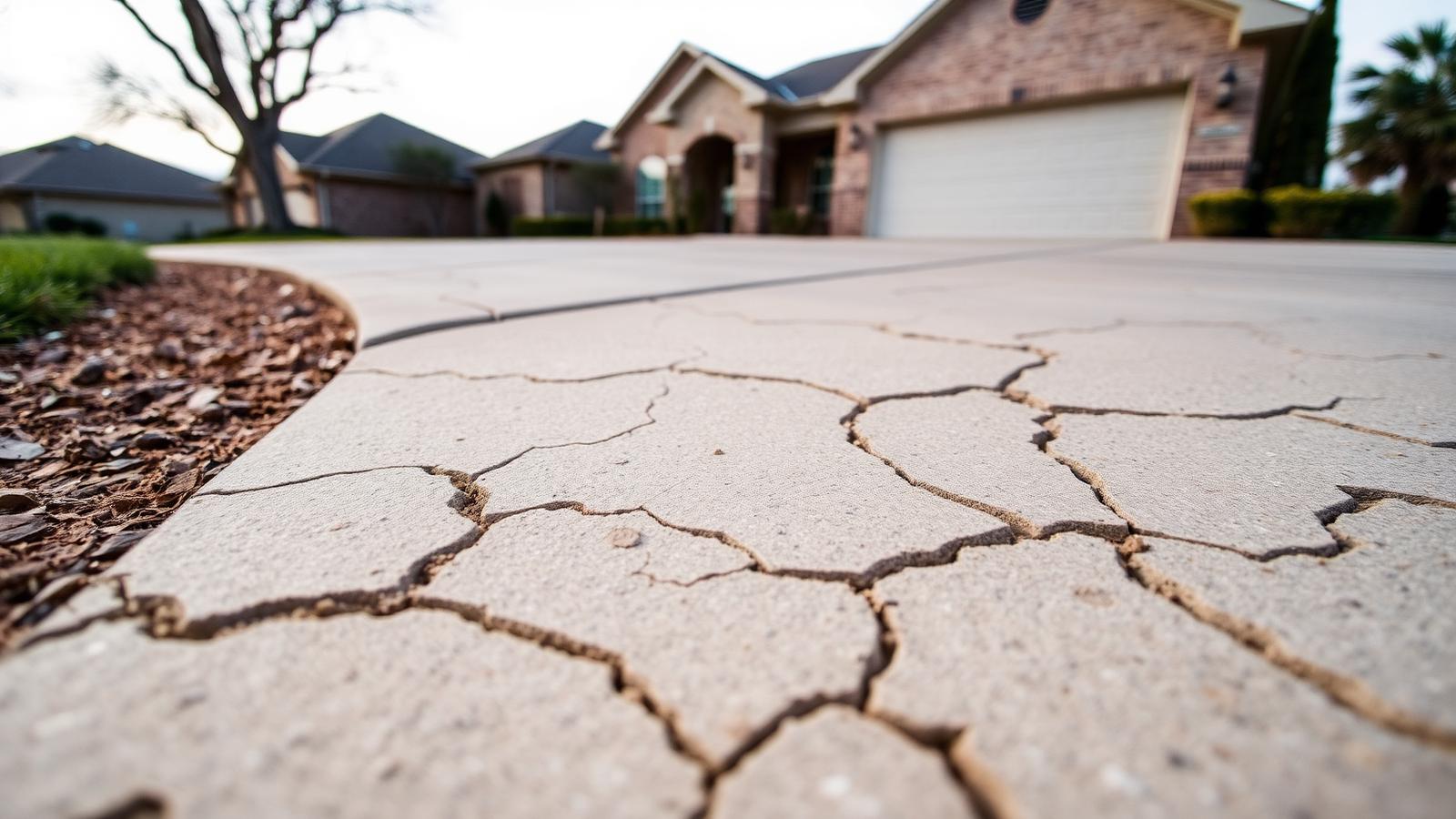
Water from the ground and the sky compounds it. Houston sits nearly flat on clay, drained by a network of bayous rather than by slope, so its flood risk is an inland drainage problem — heavy rainfall overwhelms the bayou system and neighborhoods well away from the coast take water. The aftermath is trade work: slab drying, flooring tear-out, coating redos, fence rebuilds, equipment replacement. Underneath it all, expansive gumbo clay moves with every wet-dry cycle, cracking driveways and foundations across whole subdivisions at once.
Geography defeats anyone marketing at the metro level. Houston has no single center and no zoning to organize it; it reads as a ring-road system — the Loop, Beltway 8, the Grand Parkway — with distinct markets at each band. Because Google weights proximity heavily, a single citywide page performs near your shop and nowhere else, which is why contractors here often feel busy in five ZIP codes and invisible everywhere else.
03. The build
A profile, a review engine and a page for every band of the metro.
Google Business Profile comes first, because for home service search it is the single largest ranking input: correct primary category, every service named the way Houston customers type it — ac not cooling, emergency repipe, water heater replacement, slab leak detection, wood fence installation, driveway replacement, garage floor coating — an honest service-area definition that respects real drive times across the Beltway, real job photos with recognizable Gulf Coast context, and hours that reflect whether you actually answer at 9pm in August.
Review velocity comes next, not as a single push for forty reviews but as a standing ask after every completed job, paired with owner responses that name the neighborhood and the work performed. A review reading "replaced a 5-ton system in Cypress during the August humidity" earns more trust than any ad, because the next Cypress homeowner recognises their own subdivision in it.
Then the page layer: one per service, one per neighborhood or suburb actually served — the Heights, Montrose, Memorial, Bellaire, West University, Meyerland, Spring Branch, Clear Lake, Katy, Cypress, Sugar Land, Missouri City, Richmond, Pearland, Friendswood, League City, Spring, Klein, The Woodlands, Tomball, Kingwood, Humble, Atascocita and Baytown — because that layer is what lets a business rank past a ten-mile radius without opening a second location. Fast mobile load times on cellular, LocalBusiness and Service schema, and a crawl structure legible to AI answer engines sit underneath all of it.
04. The math
2.4 million housing units in one metro change the ticket size.
Take a Houston HVAC business with an average repair ticket near $425 and a replacement close around $9,500 — systems run large here because they run almost continuously against heat and humidity.
Layer in plumbing repipes on housing stock that includes hundreds of thousands of homes built before 1980, fencing and concrete on clay that never stops moving, restoration-driven flooring and coating work after heavy rain events, and elective upgrades on garages and patios. A modest map-pack share across repair and neighborhood terms in Harris and Fort Bend counties puts well over a hundred qualified calls a month within reach, and a handful of replacement jobs out of that pool covers a year of the work.
The savings show up in what does not get paid. Bought leads in Houston run the most expensive in Texas, because the market is the largest and the bidders are the best funded — resellers sell the same homeowner to three competitors within the hour and raise price whenever a consolidator enters the auction. A map-pack position, once earned, keeps producing without a recurring invoice, and because humidity, clay and rain never stop, the neighborhood page published for Katy or Pearland this quarter keeps earning calls as those houses keep aging.
05. Where it fits
Rankings hold ground; they do not answer a flood at 7am.
Paid search buys the emergency at the instant it happens and goes silent the day spend stops. Social creates appetite for the elective project — the epoxy garage, the covered patio, the fence replacement — that a homeowner has put off for three summers. The site converts whatever arrives and decides whether a stranger trusts the business enough to call. Search rankings are the one asset that compounds: a Sugar Land service page published this quarter is still earning calls in three years, and a well-groomed profile keeps outranking competitors who started later.
It is also the slowest to move, and it cannot flex on demand. When a tropical rain event drops a foot of water across west Houston overnight and thousands of homeowners search for drying and flooring work by morning, positions sit exactly where they were the day before — paid bids are what respond. That split of labor is deliberate rather than a weakness in the plan, and the framework page for this metro lays out how the four pieces trade off across a year.
Search Engine Optimization is one of four. The Houston Master Framework page makes the case for running all four together, and what running only one costs a Houston service business.
Where we run seo in Houston
Search Engine Optimization for service businesses across Houston and Harris County, plus the satellite towns crews already drive to. Every district below is targeted by name in campaigns, pages and profile service areas — not folded into a single city radius.
- Houston districts
- Downtown Houston · The Heights · Montrose · Midtown · Museum District · Rice Military · River Oaks · Memorial · Spring Branch · Bellaire · West University Place · Meyerland · Sharpstown · Energy Corridor · Clear Lake · Kingwood · Champions · Alief
- Beyond the county line
- Katy · Cypress · Sugar Land · Missouri City · Richmond · Pearland · Friendswood · League City · Spring · Klein · Tomball · The Woodlands · Humble · Atascocita · Baytown · Conroe · Harris County · Fort Bend County · Montgomery County · Galveston County · Brazoria County
- ZIP codes covered
- 77002 · 77004 · 77005 · 77006 · 77007 · 77008 · 77009 · 77018 · 77019 · 77024 · 77025 · 77027 · 77030 · 77035 · 77040 · 77043 · 77055 · 77056 · 77057 · 77063 · 77065 · 77070 · 77077 · 77079 · 77080 · 77084 · 77095 · 77096 · 77098 · 77339 · 77379 · 77401 · 77429 · 77433 · 77450 · 77478 · 77494 · 77502 · 77546 · 77573 · 77584

06. The Houston close
Scale, humidity and bayou drainage are the demand drivers here.
The underlying numbers: Houston is the fourth-largest city in the country with roughly 2.3 million residents; Harris County holds about 4.8 million; the nine-county metro exceeds 7.3 million and covers more than 10,000 square miles, larger than New Jersey. Fort Bend and Montgomery counties are among the fastest-growing large counties in the United States, which is why Katy, Richmond, Sugar Land, Tomball, Conroe and The Woodlands behave as their own markets rather than as suburbs of one city.
Climate dictates the calendar. Gulf moisture keeps summer dew points high and cooling systems running near-continuously for five months, so failures come from accumulated runtime rather than a single hot afternoon, and that moisture drives fence rot, duct condensation and coating failures on slabs that hold water. Because the region is flat and drains through bayous rather than gradient, flooding is a rainfall-and-drainage mechanism that puts water into neighborhoods far inland, and the trade work that follows arrives in concentrated waves.
Age at scale finishes the picture. Roughly 2.4 million housing units, a large share built between 1950 and 1990 on gumbo clay, mean cast iron and galvanized plumbing, aging ductwork, cracked driveways and end-of-life fencing are coming due continuously, street by street, across a metro the size of a small state.
SEO in Houston — questions, answered
Houston's citywide head terms are the most competitive in Texas — the metro's size attracts national franchises, private-equity-backed HVAC and plumbing groups and lead resellers who all spend heavily on visibility. But local intent in Houston is overwhelmingly neighborhood- and suburb-shaped, and that is where an independent wins first. Searches tied to the Heights, Bellaire, Memorial, Clear Lake, Katy, Cypress, Sugar Land, Pearland, Spring, Kingwood and League City are achievable in months, and they convert better than citywide terms because the searcher has already told you where the job is.
Scale and moisture. Houston is the fourth-largest city in the country inside a metro of more than seven million people across 10,000 square miles with no single center, so proximity-weighted local results make suburb-level pages non-negotiable in a way they are not in a compact market. The physical drivers are also specific: Gulf humidity keeps air conditioning running nearly continuously for five months, moisture rots fence posts and fails coatings on damp slabs, gumbo clay cracks concrete with every wet-dry cycle, and flat bayou drainage means heavy rainfall floods inland neighborhoods and produces concentrated waves of restoration, flooring and epoxy work.
Yes. Houston's flood risk is a drainage mechanism rather than a coastal one — rainfall overwhelms the bayou system and water reaches neighborhoods well away from the coast — so demand arrives in sharp, geographically concentrated waves. Practically, that means your page and profile layer should already speak to what follows water: slab drying, flooring tear-out and replacement, epoxy and coating redos on slabs with moisture, duct and equipment replacement, and rebuilt fence sections. Pages published before an event are the ones that rank during it, which is exactly why the durable page layer and the paid channel do different jobs.
The rest of the Houston set
- Google Ads
Google Advertising in Houston
The channel you can turn up tonight. Search and Local Services Ads bid by suburb and by hour across Harris, Fort Bend and Montgomery counties, with negatives that strip DIY and parts traffic before it reaches your budget.
Open page - Social Ads
Social Advertising in Houston
The one channel built to manufacture demand rather than sit around waiting for it to show up in search. Meta, Instagram and short-form video aimed at the Houston suburbs where the housing matches the service, at a fraction of what an emergency search click costs here.
Open page - Web Design
Web Design in Houston
The conversion layer and the citation surface. Fast on cellular, click-to-call in a fixed header, separate paths for emergencies and planned projects, and structured so AI answer engines can cite your Houston business by name.
Open page - All four — recommended
The Master Framework in Houston
All four, installed together. One strategy across SEO, Google advertising, social advertising and web design, with budget moved between them as Houston's heat, rain and freeze windows open and close — and one accountable number.
Open page