Ready to rank in New York City?
Call now — 385-985-0003New York City · SEO
SEO in New York City: five boroughs, thousands of competitors, and a building stock that rewrites every trade
A licensed master plumber called into a Washington Heights walk-up to clear a clogged riser stack serving eleven units, an HVAC tech swapping a rattling PTAC sleeve in a Midtown high-rise between tenant move-outs, a concrete crew racing a DOT sidewalk violation deadline outside a Sunset Park storefront, and an ironwork contractor welding a gate for a Bed-Stuy brownstone's ten-foot-wide side yard — none of these jobs, or the searches that lead to them, look anything like what a generic city SEO template assumes. New York City doesn't have a typical house, a typical yard or a typical customer, and a search strategy that pretends otherwise gets buried under the thousands of competing listings already fighting for the same map pack position.
The short answer
SEO in New York City means ranking for borough- and neighborhood-qualified searches like steam boiler repair nyc, ptac repair nyc, sidewalk violation repair nyc, iron fence installation brooklyn and epoxy floor coating nyc — not generic city-wide terms, because Manhattan, Brooklyn, Queens, the Bronx and Staten Island each function as separate, differently priced search markets. Extentus builds Google Business Profile authority, DOB-aware service pages and neighborhood coverage matched to how each borough's building stock and permit process actually work.
Beat 01 · The search that starts with a stuck stack or a sidewalk citation
A Chelsea co-op board's clogged riser and a Sunset Park landlord's sidewalk violation are both urgent, but they need completely different pages to find the right contractor.
One is a building manager searching "riser pipe replacement nyc" at 7am because tenants on four floors just reported backed-up drains, and the fix requires shutting down water to the whole line, coordinating with a super, and possibly opening a wall the co-op board has to approve first. The other is a small business owner in Sunset Park who got a DOT sidewalk violation notice in the mail and is now searching "sidewalk violation repair nyc" with a compliance deadline stamped on the letter, not a renovation timeline in mind.
Neither of them is searching the way a homeowner in a single-family suburb searches. There's no driveway to repave, no backyard fence to quote, no central air unit sitting in a side yard. There's a building, a board or landlord who has to sign off, and often a city agency setting the clock. A contractor's site that talks about driveways and central air instead of risers, PTACs and DOB violations reads as obviously out of place within the first sentence.
The same pattern repeats across trades: an Astoria homeowner researching "ductless mini split installation nyc" because there's no room for ductwork in a pre-war railroad apartment, or a Park Slope brownstone owner searching "iron fence installation brooklyn" for a ten-foot side yard, not a quarter-acre lot. The searches are specific because the housing stock forces specificity.
Beat 02 · Why New York's building stock rewrites plumbing, HVAC, concrete and fencing
Multi-unit and high-rise buildings dominate the city, so every trade here means something different than it does in a suburban market — and the usual single-family framing simply doesn't apply.
HVAC in New York City rarely means a central air condenser and a furnace in a basement. It means steam risers heating pre-war walk-ups, PTAC units sitting under windows in thousands of apartment buildings, and ductless mini splits squeezed into units with no room for ductwork. A contractor who only markets 'central air installation' is invisible to the building managers and co-op boards actually searching for PTAC replacement or steam system repair, which is most of the demand in this city.
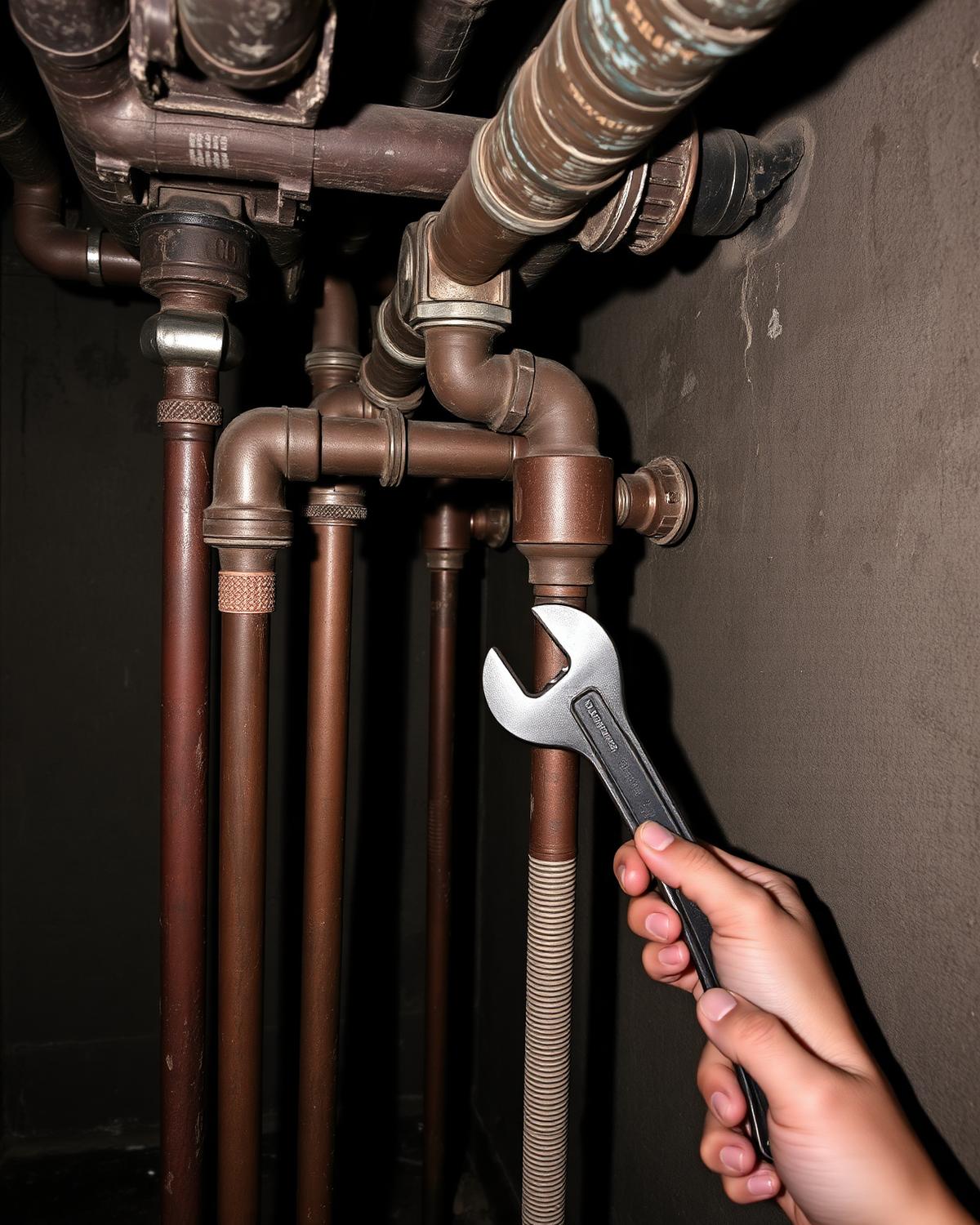
Plumbing here runs on riser and stack work under NYC's licensed master plumber rules, with DOB and DEP violation repairs a constant category of their own — a slow drain in a six-story walk-up is a building-wide riser problem, not a single fixture fix, and it often requires permits and access coordination with a super or management company before a wrench even touches the pipe.
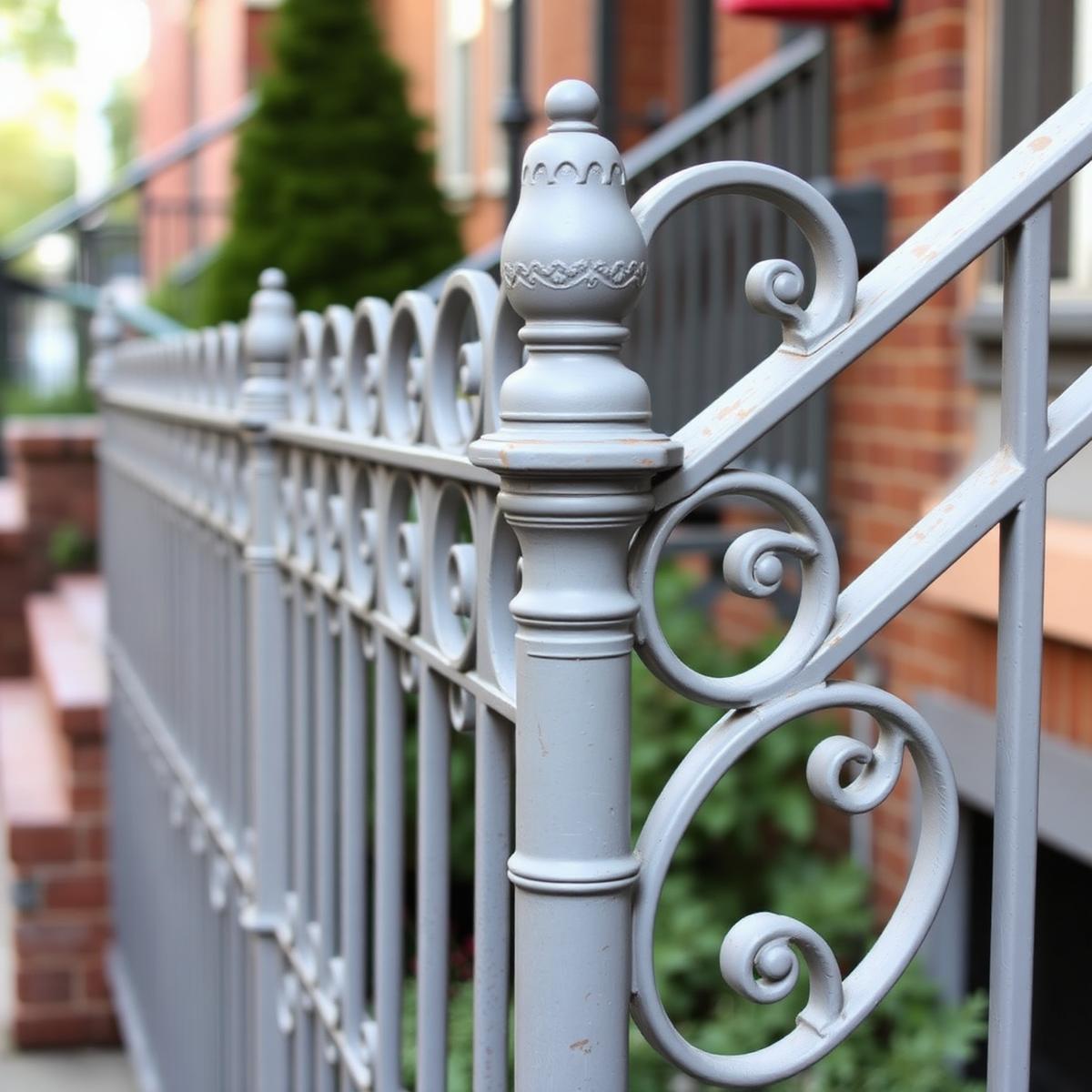
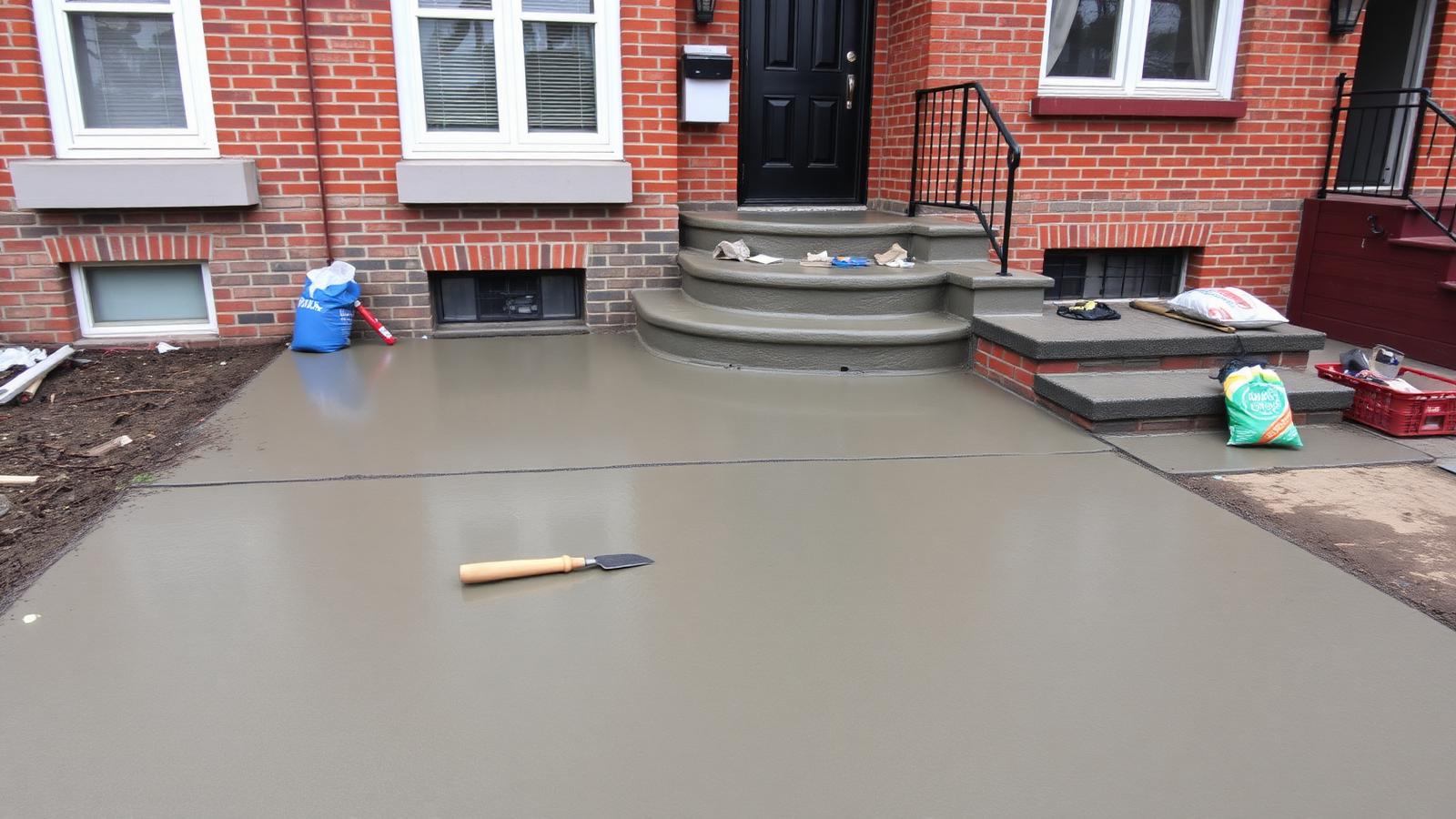
Concrete work centers on sidewalk violations, stoop repairs and sidewalk vaults rather than driveways, because most buildings don't have driveways — they have a stretch of city sidewalk the property owner is legally responsible for maintaining, and DOT violation notices drive a steady, deadline-bound stream of that work. Fencing means iron railings, gates and narrow yards attached to brownstones and rowhouses, or larger commercial site fencing around construction lots — not the 200-foot cedar privacy fence a suburban template assumes. And epoxy flooring means building garages, basement mechanical rooms, lobbies and commercial spaces, since a huge share of the city's floor space sits inside buildings with shared, heavily trafficked ground-floor and below-grade areas rather than a single-family garage.
None of this is a minor rewording exercise — it's a different set of jobs, different decision-makers (supers, co-op boards, property managers, DOB inspectors), and a search strategy that ignores the difference is competing for the wrong searches entirely.
Beat 03 · Profile, proof, then a page for every borough and neighborhood that actually behaves like its own market
Five boroughs, dozens of neighborhoods, one strategy: build the Google Business Profile for building-scale work, then prove it neighborhood by neighborhood.
Google Business Profile categories need to reflect what New York actually calls these jobs: steam boiler repair and PTAC service ahead of generic 'HVAC repair', riser and stack work alongside standard plumbing categories, and sidewalk violation repair listed explicitly rather than buried under general concrete work. A profile that speaks DOB and DOT language earns trust from the property managers and co-op boards doing the searching.
Proof has to be building-specific. A review describing a mini split installed in a Long Island City studio with no duct access, or a sidewalk violation cleared before a DOT deadline in Bay Ridge, answers the exact concern the next searcher has. Generic five-star reviews about friendly service don't do that work in a market this saturated.
Then comes coverage: dedicated pages for Astoria, Long Island City, Park Slope, Bay Ridge, Bed-Stuy, Williamsburg and Sunset Park in Brooklyn and Queens; Flushing, Jackson Heights, Forest Hills and Ridgewood further out in Queens; Riverdale and Fordham in the Bronx; the Upper East Side, Harlem, Washington Heights and Chelsea in Manhattan; and Staten Island as its own market entirely, since it behaves nothing like the other four boroughs. Each borough runs its own effective competitive landscape and often its own DOB district office, so a single flat 'NYC' page rarely ranks against contractors who built pages for the specific neighborhood a searcher is standing in.
Beat 04 · What owning a building-scale category is worth across five boroughs
The arithmetic behind ranking for PTAC and riser work in a market where labor costs and rents both run higher than almost anywhere else in the country.
Take an HVAC contractor doing PTAC replacements across Manhattan and Queens rental buildings at roughly $2,200 a unit, including disposal and sleeve work.
Land six of those a month through building management contracts sourced from search — realistic in a market with hundreds of thousands of PTAC-equipped units — and that's $158,400 a year from one category tied directly to New York's building stock rather than any seasonal push.
Add a plumbing contractor handling riser stack replacements in pre-war walk-ups at roughly $9,000 a job, four a year per building relationship built off search visibility, and a single Washington Heights or Harlem building contract alone can be worth $36,000. None of that accounts for New York's genuinely brutal labor and cost-of-living overhead — a crew here costs multiples of what the same crew costs almost anywhere else in the country, which makes winning organic calls instead of paying per-click for every one of them a materially different margin outcome, not just a nice-to-have.
Beat 05 · Where the ranking ends and the ad begins in the most saturated ad market in the country
Paid search in New York City is some of the most expensive click inventory in the country; organic is the only channel that doesn't charge per call in a market this saturated.
Paid ads can put a contractor in front of a co-op board searching for emergency riser repair the same hour the pipe backs up, or a Sunset Park landlord the day a sidewalk violation letter arrives. But New York City ad auctions are crowded with national franchises, aggregator lead-gen sites and hundreds of local competitors all bidding on the same plumber and HVAC terms, which pushes click costs to some of the highest levels in the country for these trades. A ranking built through search doesn't get outbid — it holds a map pack position through the auction entirely.
The honest read: organic can't be summoned overnight in a market this competitive. A Bed-Stuy or Astoria neighborhood page needs real reviews, real citations and real time behind it before it outranks contractors who've been building their profile for years. Paid ads fill that gap while the organic position builds, and they stay useful for the true emergencies — a burst riser at 2am — that can't wait for a ranking to develop. Running paid alone in New York, though, means renting every single call for as long as the business exists, in a city where that rent is higher than almost anywhere else.
Search Engine Optimization is one of four. The New York City Master Framework page makes the case for running all four together, and what running only one costs a New York City service business.
Where we run seo in New York City
Search Engine Optimization for service businesses across New York City and New York County, plus the satellite towns crews already drive to. Every district below is targeted by name in campaigns, pages and profile service areas — not folded into a single city radius.
- New York City districts
- Manhattan · Brooklyn · Queens · The Bronx · Staten Island · Upper East Side · Upper West Side · Harlem · Washington Heights · Chelsea · Greenwich Village · Lower East Side · Financial District · Williamsburg · Park Slope · Bushwick · Bedford-Stuyvesant · Bay Ridge · Astoria · Long Island City · Forest Hills · Flushing · Jackson Heights · Ridgewood · Riverdale · Fordham · St. George · Sunset Park
- Beyond the county line
- Yonkers · Mount Vernon · New Rochelle · Hoboken · Jersey City · Union City · Bayonne · Newark · Great Neck · Valley Stream · Hempstead · Lynbrook · Long Beach · Westchester County · Nassau County · Kings County · Queens County · Bronx County · Richmond County · Hudson County
- ZIP codes covered
- 10001 · 10002 · 10003 · 10009 · 10011 · 10012 · 10013 · 10014 · 10016 · 10017 · 10018 · 10019 · 10021 · 10022 · 10023 · 10024 · 10025 · 10026 · 10027 · 10028 · 10029 · 10031 · 10032 · 10033 · 10034 · 10035 · 10036 · 10038 · 10040 · 10128 · 11201 · 11205 · 11206 · 11211 · 11215 · 11217 · 11221 · 11222 · 11226 · 11235 · 11101 · 11106 · 11354 · 11373 · 11375 · 11385 · 11432 · 10451 · 10456 · 10463 · 10301 · 10306 · 10314
Beat 06 · What five boroughs and a building-first city actually prove
New York City isn't one search market with five neighborhoods attached to it — it's five markets that happen to share a subway system.
Manhattan's dense, high-rise, co-op-and-condo-dominated housing behaves nothing like Staten Island's more suburban single-family pockets, and Brooklyn's brownstone blocks in Park Slope and Bed-Stuy behave nothing like the high-rise corridors of Long Island City or the garden apartment blocks of Forest Hills. A contractor serving all five boroughs is really running five separate local search campaigns, each with its own competitors, its own building types and often its own DOB office.
The trades reflect that same building-first reality: HVAC means steam risers and PTACs before it means central air, plumbing means stack and riser work under strict master plumber licensing rules before it means a single fixture repair, concrete means sidewalk violations and stoops before it means driveways, and fencing means iron railings on narrow lots or commercial site work before it means a suburban privacy fence. Epoxy flooring lives in building garages, basements and lobbies, not single-car garages.
Extentus builds New York City SEO around that reality — DOB and DOT-literate service pages, Google Business Profiles categorized the way New Yorkers actually search, and dedicated coverage for Astoria, Long Island City, Park Slope, Bay Ridge, Bed-Stuy, Flushing, Jackson Heights, Forest Hills, Ridgewood, Riverdale, Fordham, Staten Island, the Upper East Side, Harlem, Washington Heights, Chelsea, Williamsburg and Sunset Park — so a contractor competes for the specific borough and building type where the actual job is, instead of getting lost in one oversaturated citywide search. The same building-first logic drives <a href="/locations/new-york/new-york-city/google-advertising">New York City Google advertising</a>, <a href="/locations/new-york/new-york-city/social-advertising">social advertising</a> and <a href="/locations/new-york/new-york-city/web-design">web design</a>, which is why the <a href="/locations/new-york/new-york-city/master-framework">NYC master framework</a> installs all four together.
SEO in New York City — questions, answered
Because most New York City buildings run on steam risers, PTAC units or ductless mini splits instead of central air and furnaces, so a website built around 'central air installation' misses the searches building managers and co-op boards actually type, like steam boiler repair nyc and ptac repair nyc.
No. Manhattan, Brooklyn, Queens, the Bronx and Staten Island each have distinct building stock, competition levels and often separate DOB district offices, so they function as five separate search markets. Dedicated pages for specific boroughs and neighborhoods like Astoria, Park Slope or Riverdale consistently outrank a single flat citywide page.
Because property owners in New York City are legally responsible for maintaining the sidewalk in front of their building, and DOT violation notices create a steady, deadline-driven stream of searches like sidewalk violation repair nyc — a category that barely exists in markets where homeowners maintain their own driveways instead.
The rest of the New York City set
- Google Ads
Google Advertising in New York City
The channel built for a market where a click on a broad HVAC term can cost more than a full service call in a smaller city. Paid search and Local Services Ads here segment by borough, by neighborhood density, and by building type — steam heat in a pre-war Manhattan co-op, a PTAC unit in a Queens rental tower, an iron railing violation in a Brooklyn brownstone — with call-only campaigns funded for the hours when an emergency actually happens, and reporting tied to booked jobs instead of raw clicks.
Open page - Social Ads
Social Advertising in New York City
The channel that creates the renovation decision before a co-op board packet is even assembled. Facebook and Instagram campaigns built from your own NYC job sites, aimed building by building and block by block across Manhattan, Brooklyn, Queens, the Bronx and Staten Island — a market where the audience is often a specific building's shareholders and specific brownstone blocks, not a whole zip code.
Open page - Web Design
Web Design in New York City
Sites built for a New York City buyer who is underground, in an elevator, behind a doorman desk, or answering to a co-op board: click-to-call buttons sized to work through a spotty connection, NYC DOB license numbers and active insurance proof placed above the fold instead of buried in a footer, project galleries pulled from real prewar apartments and brownstone renovations instead of stock photos of driveways, pricing language calibrated to the country's highest-cost labor market, and named pages for Manhattan, Brooklyn, Queens, the Bronx and Staten Island plus their neighborhoods, instead of one page pretending five boroughs and eight million people share a single search intent.
Open page - All four — recommended
The Master Framework in New York City
All four channels, installed together for New York City's five distinct borough markets, its co-op and condo board approval process, its DOB permit and licensed-trade requirements, and the country's most saturated advertising auction. One strategy across SEO, Google advertising, social advertising and web design, with spend and creative built for Manhattan, Brooklyn, Queens, the Bronx and Staten Island as five separate markets — and one accountable number.
Open page