Ready to advertise in New York City?
Call now — 385-985-0003New York City · Google Advertising
Google advertising in New York City: bidding five boroughs that don't behave like one market
A property manager in a Murray Hill co-op searching for emergency riser repair at 2am is competing in the same Google auction as a homeowner in Staten Island comparing quotes for a new fence, and treating those two searches the same way is how a New York City ad account burns through budget without booking a single job. This is the most expensive, most saturated paid-search market in the country — click prices routinely run higher here than almost anywhere else in the country, franchise brands and lead-aggregator sites outbid independent contractors on the broadest terms, and a 4-mile radius that would be a fifteen-minute drive in most cities can be a 40-minute crawl across a bridge at rush hour. Google advertising in NYC means splitting the account by borough, by building type and by hour of the day, because a generic "contractor near me" campaign gets outbid by companies with ten times the budget before it ever reaches a real customer.
The short answer
Google advertising in New York City means paid search and Local Services Ads segmented by borough and building type rather than one citywide bid, because click costs here are among the highest in the country, franchise and aggregator competitors dominate broad terms, and travel time across boroughs makes a flat radius meaningless. Extentus verifies licensing, builds call-only campaigns around emergency hours, and prices bids against NYC's trade mix — steam heat, PTACs, mini splits, riser work, sidewalk violations and iron railings — rather than a suburban template.
Beat 01 · A city where five boroughs run five different auctions
NYC's paid-search demand doesn't behave like a single market, because it isn't one.
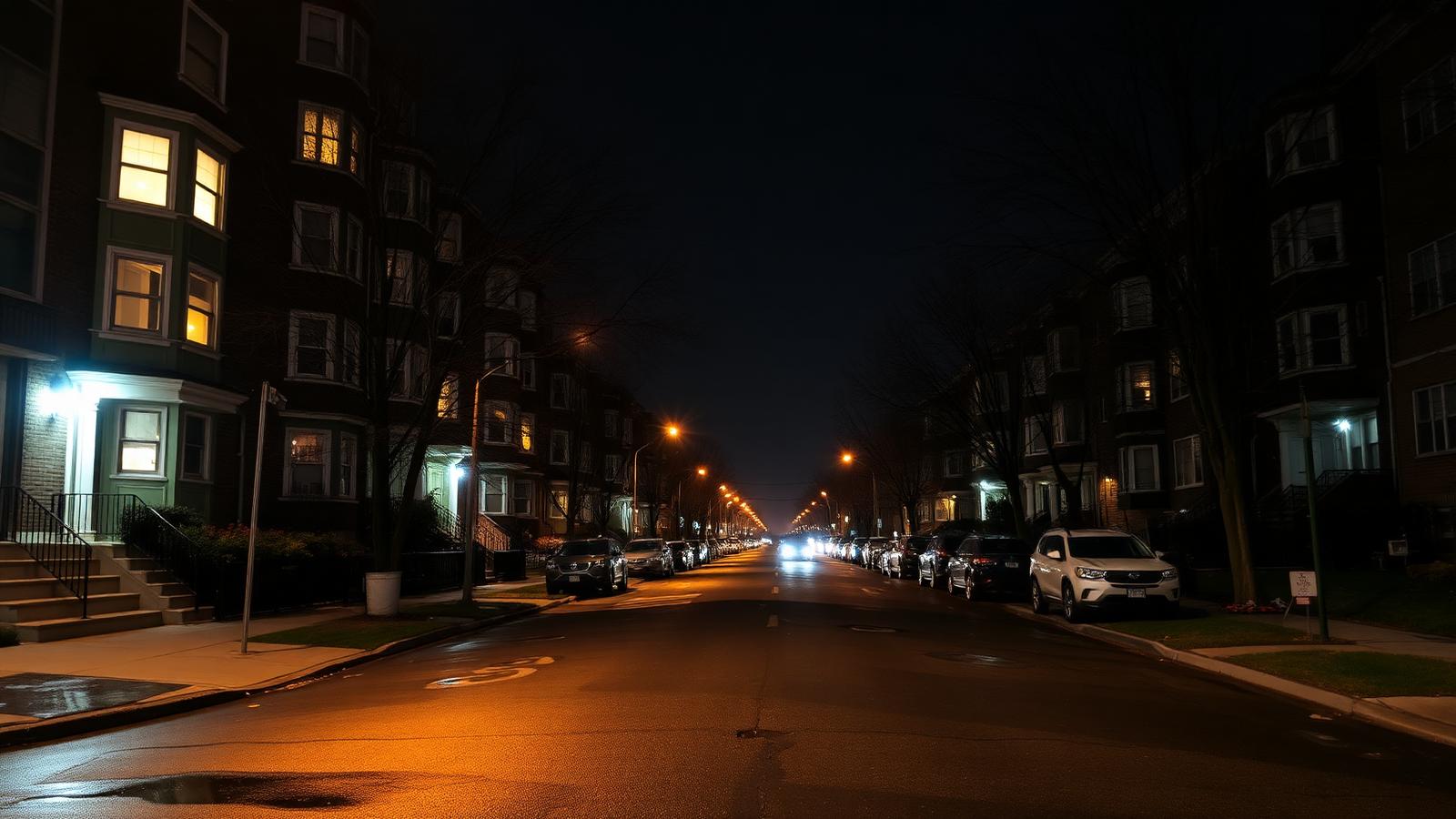
Manhattan, Brooklyn, Queens, the Bronx and Staten Island each carry their own housing stock, their own building codes, and their own version of what a home-services emergency looks like. A pre-war co-op on the Upper West Side is dealing with a hundred-year-old steam riser and a super who has to coordinate building access before any contractor gets past the lobby. A rental tower in Long Island City is fighting PTAC units that fail every August and every February, on a schedule that has nothing to do with the weather in Staten Island, where detached houses and driveways look almost suburban by comparison. Treating all five boroughs as one geo-targeted campaign flattens differences that actually change who searches, when they search, and what they're willing to pay.
The building stock forces a different trade mix than almost anywhere else Extentus works. Steam heat and boiler service dominate older Manhattan and Brooklyn buildings instead of the forced-air furnaces that drive HVAC demand elsewhere. PTAC units and mini splits, not central air, are the dominant cooling fix in apartment buildings across all five boroughs. Sidewalk violations, iron railing repair and stoop and stair work show up as their own category of urgent, code-driven search because the city issues violations on private sidewalks that homeowners have thirty days to fix. None of that maps onto a generic "hvac repair" or "fence contractor" keyword list built for a single-family-home market.
Layer building access on top of that. A doorman building, a co-op board, or a super who has to be present all add friction that a suburban homeowner never deals with, and searches reflect it — "licensed plumber for co-op building" and "contractor with building insurance nyc" carry intent that a flat "plumber nyc" bid never captures.
Beat 02 · The shift: from one flat NYC campaign to a borough-and-hour matrix
A single citywide bid gets outspent by franchises before it reaches a real emergency.
The instinct with a market this size is to run one big geo-targeted campaign covering all five boroughs and let Google's algorithm sort it out. That fails here specifically because New York City's paid-search auction is dominated by national franchise brands and lead-aggregator sites with budgets no independent contractor can match on broad terms like "emergency plumber nyc" or "hvac repair new york." A flat campaign spends its budget losing that auction to companies whose entire model is buying broad clicks and reselling the lead.
The shift is toward narrower, higher-intent campaigns that a franchise budget doesn't bother targeting: borough-specific terms, neighborhood-specific terms, and building-type-specific terms. "Steam heat repair upper west side," "ptac replacement long island city," "boiler service park slope" and "sidewalk violation contractor bed stuy" all draw a smaller, cheaper, far more qualified pool of searchers than the citywide terms the aggregators are fighting over. It also means splitting spend by hour of day — a no-heat call at 11pm in the Bronx is worth bidding aggressively as a call-only ad, while the same term at 2pm on a Tuesday competes in a much calmer auction.
That same logic extends to radius targeting, which behaves differently here than almost anywhere else. A 4-mile radius from a shop in Astoria might reach across the East River into Manhattan in under fifteen minutes on a Sunday morning, or take forty minutes each way across the Queensboro Bridge at rush hour. Bidding a flat mile radius, the way a suburban account would, either wastes spend on jobs the crew can't reach in time or excludes nearby neighborhoods that are genuinely five minutes away outside of traffic. NYC campaigns have to be built around drive-time windows that shift by hour, not static distance.
Beat 03 · The mechanism: licensing verification, call-only bids, and a trade mix built for density
Screened placement and call-only campaigns matter more when a stranger needs building access.
Google-screened Local Services Ads charge per lead instead of per click and rank above standard paid search, which matters in NYC specifically because a resident letting a contractor into a co-op or a rental building wants proof of licensing and insurance before that conversation with the super even starts. Extentus verifies NYC and New York State licensing before any spend goes live and disputes leads that land outside the neighborhoods actually being serviced — a non-trivial safeguard in a market where a single mistargeted campaign can burn through a day's budget on clicks from the wrong borough.
Underneath that, call-only campaigns get funded specifically around the hours when emergencies happen: a burst pipe or no-heat call at midnight converts far better as a phone call than a form fill, because the resident wants someone on the line immediately, not a callback in the morning. Those campaigns run on their own schedule, separate from daytime campaigns for scheduled maintenance and quote requests, and get bid more aggressively because the searcher's urgency is higher and the willingness to pay for same-night service is higher too.
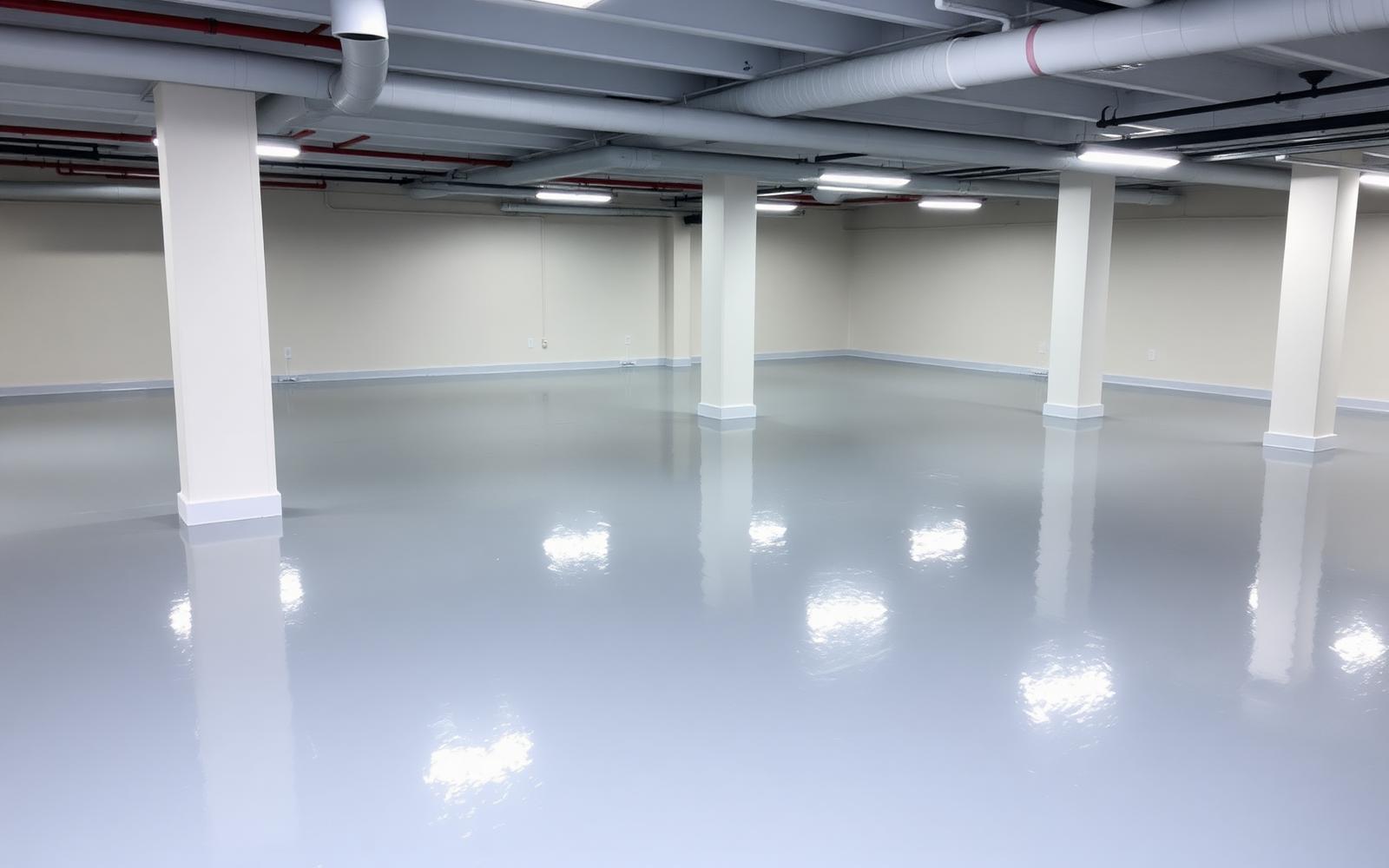
The trade mix itself gets built around what actually breaks in dense housing rather than what breaks in a detached suburban home: steam riser and radiator campaigns for pre-war buildings, PTAC and mini split campaigns for rental towers and co-ops without central air, sidewalk-violation and stoop-repair campaigns tied to DOB and HPD violation cycles, and iron railing repair campaigns for the brownstone stock across Brooklyn and parts of Manhattan and the Bronx. Commercial epoxy flooring shows up too, but almost entirely for basement mechanical rooms, building superintendent workshops and small commercial spaces rather than the residential garages a suburban epoxy campaign would target — there simply aren't enough attached garages in the five boroughs to build a residential epoxy campaign the way a Long Island or upstate account could.
Beat 04 · The number that makes it work
A steam boiler replacement in a pre-war building absorbs an expensive click without blinking.
Those ticket sizes absorb a $20 to $40 click on a borough-specific term without strain, provided the campaign is targeting the violation-driven urgency directly instead of competing on a broad citywide fencing term that a franchise account has already bid into the stratosphere.
A same-night no-heat or emergency plumbing call in Manhattan or Brooklyn commonly runs $400 to $900 depending on borough and building access, and a full steam boiler replacement in a pre-war co-op or brownstone runs $12,000 to $25,000 once venting, code compliance and building-management coordination are factored in. Against ticket sizes like that, a Google Ads click on a competitive NYC HVAC or plumbing term — which can run $30 to $70 or more on the most contested citywide terms — still pencils out if the campaign is narrow enough to convert at a reasonable rate, because even a handful of booked emergency calls a month covers a much larger ad spend than the same math would require in a cheaper market.
Sidewalk-violation and iron-railing work follows similar logic on a slower timeline: DOB-mandated sidewalk repair in NYC runs $150 to $250 per linear foot once permitting and concrete work are included, and iron railing repair or replacement on a brownstone stoop runs $2,000 to $6,000 depending on ornamentation and code requirements.
Beat 05 · The contrast: paid search buys this week's emergency, organic buys the building's whole lifespan
A ranking on the NYC master-framework page keeps producing calls after the ad budget runs dry.
An organic ranking on New York City's <a href="/locations/new-york/new-york-city/master-framework">NYC master-framework page</a> or a well-built page for a specific borough and trade keeps generating calls indefinitely; a Google Ads campaign stops producing the moment spend stops, and in a market this expensive, every dollar spent on a click that doesn't convert is a dollar that could have gone toward a cheaper, more qualified borough-specific term instead. Paid search is exactly the right tool for a no-heat spike hitting the Bronx this week or a sidewalk-violation deadline pushing urgent searches up in a specific Brooklyn zip code, but it needs constant tuning here — more here than in almost any smaller market — because the auction shifts daily as franchise and aggregator budgets move around it.
NYC's scale cuts both ways: the auction is the most expensive in the country, but the volume of genuine emergency and violation-driven demand is also large enough that a narrowly targeted, licensing-verified campaign can still find profitable clicks that a broad citywide bid never would. Social advertising plays a different role here too — manufacturing demand for epoxy flooring in a basement mechanical room or a mini split upgrade nobody in Astoria was actively searching for yet — while paid search and Local Services Ads catch the emergencies and violations that are already being searched for, and organic search keeps earning those same calls for free, borough by borough, long after any given campaign has been turned off.
Google Advertising is one of four. The New York City Master Framework page makes the case for running all four together, and what running only one costs a New York City service business.
Where we run google ads in New York City
Google Advertising for service businesses across New York City and New York County, plus the satellite towns crews already drive to. Every district below is targeted by name in campaigns, pages and profile service areas — not folded into a single city radius.
- New York City districts
- Manhattan · Brooklyn · Queens · The Bronx · Staten Island · Upper East Side · Upper West Side · Harlem · Washington Heights · Chelsea · Greenwich Village · Lower East Side · Financial District · Williamsburg · Park Slope · Bushwick · Bedford-Stuyvesant · Bay Ridge · Astoria · Long Island City · Forest Hills · Flushing · Jackson Heights · Ridgewood · Riverdale · Fordham · St. George · Sunset Park
- Beyond the county line
- Yonkers · Mount Vernon · New Rochelle · Hoboken · Jersey City · Union City · Bayonne · Newark · Great Neck · Valley Stream · Hempstead · Lynbrook · Long Beach · Westchester County · Nassau County · Kings County · Queens County · Bronx County · Richmond County · Hudson County
- ZIP codes covered
- 10001 · 10002 · 10003 · 10009 · 10011 · 10012 · 10013 · 10014 · 10016 · 10017 · 10018 · 10019 · 10021 · 10022 · 10023 · 10024 · 10025 · 10026 · 10027 · 10028 · 10029 · 10031 · 10032 · 10033 · 10034 · 10035 · 10036 · 10038 · 10040 · 10128 · 11201 · 11205 · 11206 · 11211 · 11215 · 11217 · 11221 · 11222 · 11226 · 11235 · 11101 · 11106 · 11354 · 11373 · 11375 · 11385 · 11432 · 10451 · 10456 · 10463 · 10301 · 10306 · 10314
Beat 06 · A market shaped by density, franchise competition and a code-driven violation cycle
NYC rewards an account built around borough segmentation, not a citywide average.
The checkable local reality: New York City's paid-search market carries some of the highest click costs in the country, driven by dense competition among franchise HVAC and plumbing brands, national lead-aggregator sites, and a genuinely enormous pool of searchers across five boroughs. DOB and HPD violation cycles create recurring, code-driven waves of demand for sidewalk repair and iron railing work that don't exist in markets without the same enforcement structure, and the city's steam-heat and PTAC-dominated building stock produces an HVAC trade mix that looks nothing like a furnace-and-central-air suburb.
Extentus prices each of those forces separately — borough-specific and neighborhood-specific campaigns instead of one flat NYC bid, call-only campaigns weighted toward the hours emergencies actually happen, licensing verification built into Local Services Ads before spend goes live, and violation-cycle campaigns for sidewalk and railing work timed to when DOB notices actually land — and reports what each one costs per booked job rather than per click, because in a market this expensive, the click price alone tells you almost nothing about whether the campaign is working.
Google Ads in New York City — questions, answered
Because click costs, competition and travel time all vary sharply by borough and neighborhood. Franchise brands and lead aggregators dominate broad citywide terms, a 4-mile radius can take 40 minutes to drive at rush hour, and the trade mix differs by building type — steam heat in Manhattan co-ops, PTAC units in Queens rental towers, iron railings in Brooklyn brownstones. A single campaign either overpays for franchise-dominated terms or misses the narrower, cheaper searches that actually convert.
Emergencies like no-heat calls and burst pipes in dense apartment buildings need an immediate phone conversation, not a form fill, especially when building access has to be coordinated with a super or doorman. Funding call-only bids specifically around emergency hours converts better than running the same daytime and nighttime bids at the same rate.
Yes. Steam heat and boiler service replace furnace campaigns, PTAC units and mini splits replace central-air campaigns, and code-driven sidewalk-violation and iron-railing repair form their own campaign category tied to DOB and HPD enforcement cycles. Suburban framing around fencing or residential garage epoxy largely doesn't apply — most epoxy demand in the five boroughs comes from basement mechanical rooms and small commercial spaces, not attached garages.
The rest of the New York City set
- SEO
Search Engine Optimization in New York City
The channel built for a city where building type decides everything: steam-heat co-ops instead of central-air ranch houses, sidewalk vaults instead of driveways, iron railings instead of privacy fences. Extentus builds Google Business Profiles that speak to riser work, PTAC swaps and DOB violation repair, borough and neighborhood pages for Astoria, Park Slope, Riverdale, Flushing and two dozen more, and the review volume needed to outrank both national franchises and the hundred other local contractors bidding the same job.
Open page - Social Ads
Social Advertising in New York City
The channel that creates the renovation decision before a co-op board packet is even assembled. Facebook and Instagram campaigns built from your own NYC job sites, aimed building by building and block by block across Manhattan, Brooklyn, Queens, the Bronx and Staten Island — a market where the audience is often a specific building's shareholders and specific brownstone blocks, not a whole zip code.
Open page - Web Design
Web Design in New York City
Sites built for a New York City buyer who is underground, in an elevator, behind a doorman desk, or answering to a co-op board: click-to-call buttons sized to work through a spotty connection, NYC DOB license numbers and active insurance proof placed above the fold instead of buried in a footer, project galleries pulled from real prewar apartments and brownstone renovations instead of stock photos of driveways, pricing language calibrated to the country's highest-cost labor market, and named pages for Manhattan, Brooklyn, Queens, the Bronx and Staten Island plus their neighborhoods, instead of one page pretending five boroughs and eight million people share a single search intent.
Open page - All four — recommended
The Master Framework in New York City
All four channels, installed together for New York City's five distinct borough markets, its co-op and condo board approval process, its DOB permit and licensed-trade requirements, and the country's most saturated advertising auction. One strategy across SEO, Google advertising, social advertising and web design, with spend and creative built for Manhattan, Brooklyn, Queens, the Bronx and Staten Island as five separate markets — and one accountable number.
Open page