New York City, New York
SEO, Google Ads, Social and Web Design in New York City — Built for Co-Ops, Boards, Building Access and the Most Competitive Market in the Country
New York City is not a single-family suburb with a bigger skyline — it is a market built on co-ops, condos, prewar walk-ups, two- and three-family houses and commercial storefronts stacked on top of each other, and that changes how plumbing, HVAC, fencing, concrete and epoxy work actually gets sold. A furnace-and-duct pitch that works in a ranch house does not survive contact with a Yorkville co-op board. A driveway-resurfacing page does not exist for a borough where most residents don't have a driveway. Every trade here has to be re-described for risers, roofs, stoops, small yards and building superintendents, and every channel has to compete in the most saturated, highest-cost search and ad market in the United States.
Five dedicated New York City pages
Each discipline has its own New York City page — its own local search data, its own market detail, its own URL.
- SEO
Search Engine Optimization in New York City
The channel built for a city where building type decides everything: steam-heat co-ops instead of central-air ranch houses, sidewalk vaults instead of driveways, iron railings instead of privacy fences. Extentus builds Google Business Profiles that speak to riser work, PTAC swaps and DOB violation repair, borough and neighborhood pages for Astoria, Park Slope, Riverdale, Flushing and two dozen more, and the review volume needed to outrank both national franchises and the hundred other local contractors bidding the same job.
Open page - Google Ads
Google Advertising in New York City
The channel built for a market where a click on a broad HVAC term can cost more than a full service call in a smaller city. Paid search and Local Services Ads here segment by borough, by neighborhood density, and by building type — steam heat in a pre-war Manhattan co-op, a PTAC unit in a Queens rental tower, an iron railing violation in a Brooklyn brownstone — with call-only campaigns funded for the hours when an emergency actually happens, and reporting tied to booked jobs instead of raw clicks.
Open page - Social Ads
Social Advertising in New York City
The channel that creates the renovation decision before a co-op board packet is even assembled. Facebook and Instagram campaigns built from your own NYC job sites, aimed building by building and block by block across Manhattan, Brooklyn, Queens, the Bronx and Staten Island — a market where the audience is often a specific building's shareholders and specific brownstone blocks, not a whole zip code.
Open page - Web Design
Web Design in New York City
Sites built for a New York City buyer who is underground, in an elevator, behind a doorman desk, or answering to a co-op board: click-to-call buttons sized to work through a spotty connection, NYC DOB license numbers and active insurance proof placed above the fold instead of buried in a footer, project galleries pulled from real prewar apartments and brownstone renovations instead of stock photos of driveways, pricing language calibrated to the country's highest-cost labor market, and named pages for Manhattan, Brooklyn, Queens, the Bronx and Staten Island plus their neighborhoods, instead of one page pretending five boroughs and eight million people share a single search intent.
Open page - All four — recommended
The Master Framework in New York City
All four channels, installed together for New York City's five distinct borough markets, its co-op and condo board approval process, its DOB permit and licensed-trade requirements, and the country's most saturated advertising auction. One strategy across SEO, Google advertising, social advertising and web design, with spend and creative built for Manhattan, Brooklyn, Queens, the Bronx and Staten Island as five separate markets — and one accountable number.
Open page

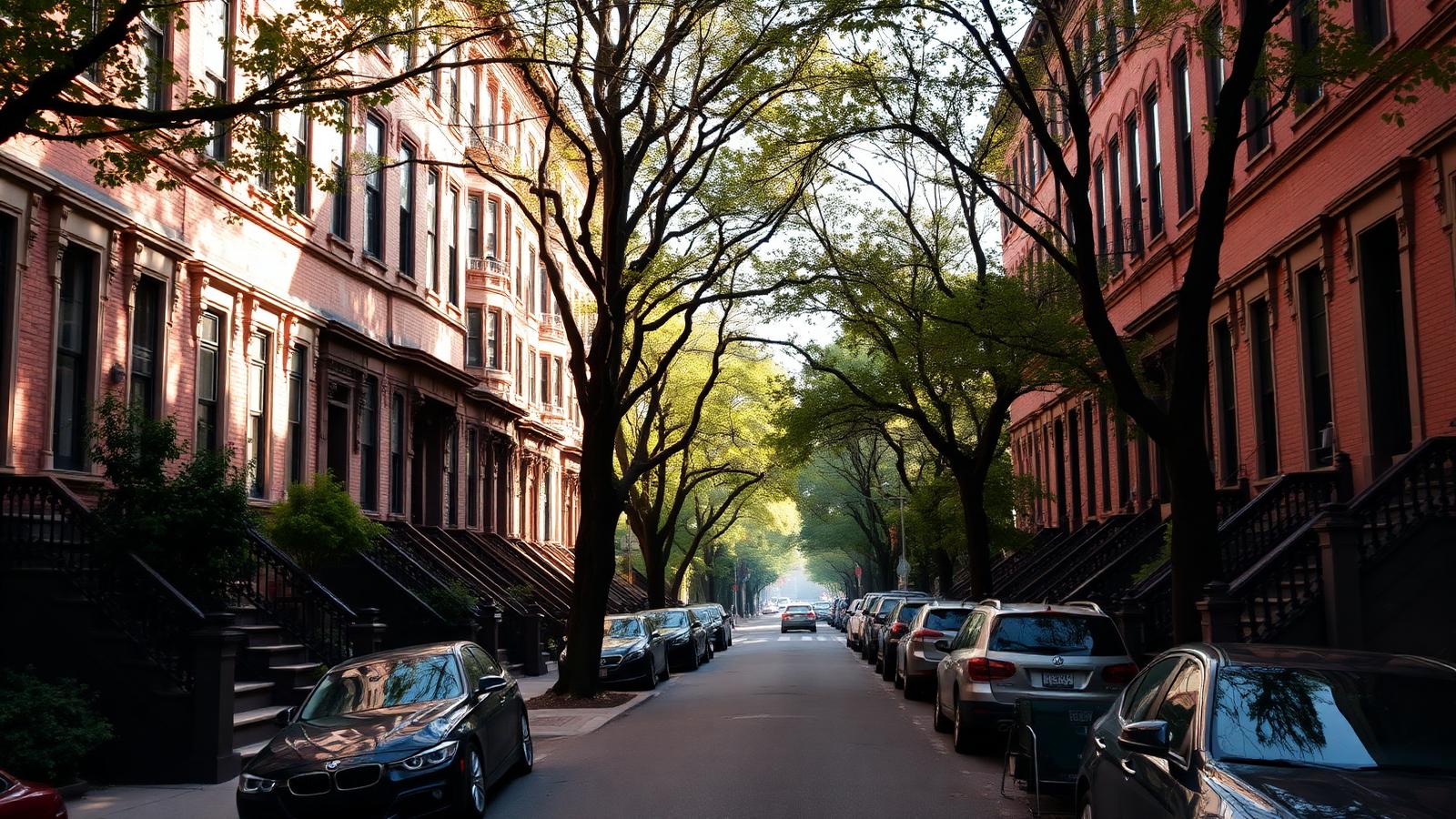
Five boroughs behave as five separate cities, and each one splits again into neighborhoods that function as their own micro-markets. The Upper East Side and Chelsea are prewar and postwar co-op territory, with building superintendents and management companies standing between a contractor and the actual unit. Harlem, Washington Heights and Bed-Stuy mix classic brownstones with newer multi-family conversions. Park Slope and Bay Ridge run heavier to owner-occupied brownstones and two-family homes with small rear yards. Astoria, Long Island City, Sunset Park, Ridgewood, Jackson Heights and Flushing carry a denser mix of two-family and small multi-unit housing, much of it built pre-war or mid-century. Forest Hills, Riverdale and Fordham lean toward co-ops and apartment towers alongside detached and semi-detached homes. St. George and the rest of Staten Island are the one place in the five boroughs where single-family framing genuinely applies, closer to a suburban market than the rest of the city. A page written for 'New York City' with no neighborhood underneath it never reaches any of this.
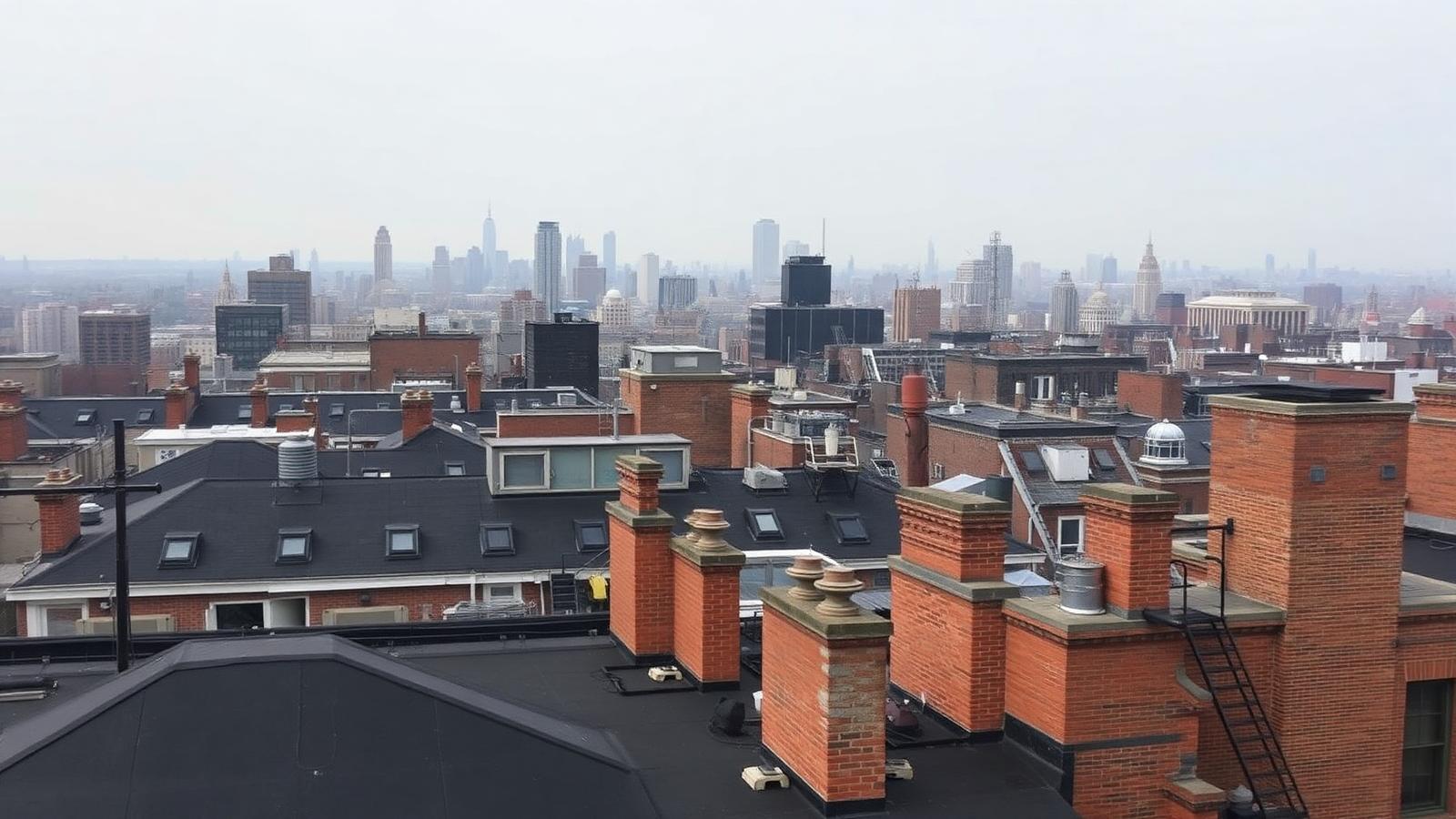
Housing type drives trade demand more than weather or season does here. HVAC work spans building-scale systems most residential contractors never touch elsewhere: steam risers and radiator systems in prewar stock, PTAC units under nearly every window in postwar towers, ductless mini splits retrofitted into apartments that were never ducted, and window units filling the gap where none of that exists. A single-family furnace-and-central-air pitch simply misses most of the city's housing.
Plumbing follows the same building logic. Work is riser- and stack-driven rather than single-line repiping, gas-line inspections and conversions are constant, and Department of Buildings violations frequently trigger the call before a homeowner ever notices a leak themselves. Licensed-plumber requirements are non-negotiable in a market this regulated, and buyers search for that credential explicitly.
Concrete work skews toward sidewalk and stoop repair, vault and cellar-door replacement, and small commercial pours rather than the driveway-and-patio jobs that dominate suburban markets — a property owner in Bed-Stuy or Sunset Park is far more likely to be responding to a sidewalk violation notice than planning a backyard renovation. Fencing skews the same way: iron railings and gates on stoops and small yards, plus commercial and construction-site fencing, rather than the acreage-scale residential fencing sold upstate or in the suburbs. Epoxy flooring finds its market in basements, building parking garages, lobbies and commercial spaces, not the two-car suburban garage that anchors epoxy marketing everywhere else.
What makes New York City its own market
Three forces set NYC apart from every other city on this site. First, access: getting to the actual job — a leaking riser on the ninth floor, a cracked stoop in front of a landmarked brownstone — often requires clearing a co-op board, a management company or a building superintendent before a truck ever parks. Second, regulation: Department of Buildings permits, licensed-trade requirements and violation notices shape demand as much as breakdowns do, and buyers search using that regulatory language. Third, cost: New York carries the highest labor and cost-of-living environment on this site, so price-shopping is aggressive and a business that can't justify its rate in the first screen loses the click.
That regulatory and access complexity sits on top of the single most saturated advertising market in the country. National franchises, large regional players and thousands of independent trade businesses all bid for the same searches across the same five boroughs, which makes untargeted, borough-wide campaigns expensive and slow. The businesses that win carve out named neighborhoods, building types and permit-specific services rather than competing head-on for generic city-wide terms.
SEO: neighborhoods, boroughs and building type
NYC SEO starts with Google Business Profile categories and service pages built around what people actually search for here — co-op HVAC repair and PTAC replacement alongside general HVAC, riser and stack repair and gas-line inspection alongside general plumbing, sidewalk violation repair alongside general concrete. Then come dedicated pages for named neighborhoods across all five boroughs — Upper East Side, Harlem, Washington Heights, Chelsea, Lower East Side, Williamsburg, Park Slope, Bay Ridge, Bed-Stuy, Astoria, Long Island City, Forest Hills, Flushing, Jackson Heights, Ridgewood, Riverdale, Fordham, St. George and Sunset Park — because a business that only shows up for 'New York City' is invisible against competitors who show up for the block.
Google advertising: bid where the competition thins out
Paid search in NYC is a discipline in avoiding the most expensive, most generic terms and winning the specific ones instead. Broad terms like 'plumber NYC' carry brutal cost-per-click against national budgets; borough- and neighborhood-qualified terms, violation- and permit-specific terms, and building-type-specific terms like 'co-op HVAC contractor' or 'brownstone stoop repair' cost less and convert at far higher intent. Campaigns get segmented by borough and building type, not run as one flat citywide budget.
Social advertising: proof of building access wins the click
Social creative in NYC has to answer a question suburban markets never ask: can this contractor actually get into my building? Real job-site photography from brownstone stoops in Park Slope, PTAC swaps in Midtown high-rises, and basement epoxy floors in Queens two-families builds the trust that generic stock imagery cannot. Paid social also reaches board members, property managers and building owners who make purchasing decisions on behalf of units they don't personally occupy — a distinct audience most single-family markets don't have to target at all.
Web design: fast, credentialed and board-ready
A site competing in New York City has to load instantly on a phone held by someone standing in a lobby, display active New York City and New York State licensing and insurance without a click, show DOB permit history and violation-resolution experience for buyers who are actively managing a compliance deadline, and carry project galleries organized by building type — co-op, brownstone, two-family, commercial storefront — so a Chelsea co-op board and a Bay Ridge homeowner both see themselves in the work. LocalBusiness, Service and FAQ schema naming specific boroughs and neighborhoods helps the same pages get pulled directly into AI-generated answers.
How the four channels compound across five boroughs
SEO holds the always-on baseline across dozens of named neighborhoods and five distinct boroughs. Google advertising captures the trigger moments — a violation notice, a failed PTAC in August, a burst riser in January — at the specific, less-saturated terms that actually convert at NYC's price point. Social advertising builds trust with board members, property managers and owners who decide before a superintendent ever calls. Web design turns all of that into a scheduled, permit-ready job. The math is blunt in this market: a single $20,000 multi-unit HVAC or riser-repipe contract a month is $240,000 a year, and in a city this saturated, a scattered vendor arrangement rarely tracks well enough to say which channel actually produced it.
The master framework: one system for the hardest market on the site
Run separately, each channel loses ground fast in New York City. SEO alone can't outbid the noise on the highest-value emergency terms. Paid alone burns budget on citywide keywords that never should have been bid on in the first place. Social alone builds interest with no fast, credentialed site to convert it. A fast site with no visibility across five boroughs converts nothing. Installed together, with one report showing qualified inbound by borough, neighborhood and building type, the four channels cover an actual New York City year — access-driven emergency work, violation- and permit-triggered projects, and the steady renovation demand that never really stops in a city this dense.
The four services Extentus runs in New York City
- Search Engine Optimization
- The channel you own — map-pack rankings, reviews and service-area pages that keep producing after the work is done.
- Google Advertising
- The channel with a volume dial — paid search and Local Services Ads tuned to the hours demand actually spikes.
- Social Advertising
- The channel that builds the pipeline — demand created in homeowners before they ever search.
- Web Design
- Where the other three cash out — fast, mobile-first pages built to convert visits into booked jobs.
Install all four in New York City
One framework, one accountable record: qualified inbound by channel and by New York City district, cost per qualified inbound, and the exact pages responsible.
New York City marketing questions, answered
Because most NYC housing isn't single-family. The city runs on co-ops, condos, prewar walk-ups and two- and three-family homes, so HVAC, plumbing, concrete and fencing work is driven by building-scale systems, board approvals and building access rather than the driveway-and-garage jobs that anchor suburban marketing elsewhere.
Because NYC's advertising and search market is the most saturated in the country, and generic citywide terms are dominated by national budgets. Neighborhood- and borough-specific pages and campaigns let a local business compete for less contested, higher-intent searches instead of paying premium rates to lose to bigger spenders on broad terms.
Many jobs require clearing a co-op board, property manager or building superintendent before work can start, so buyers look for proof of licensing, insurance, DOB permit history and prior experience with similar buildings before they ever call. Sites and ads that lead with that credentialing convert far better than ones built around a simple call-to-action.