Chicago · Web Design
Web design in Chicago: built for a grid too big to fake your way through
Chicago doesn't give a contractor's website the benefit of the doubt. Between a grid of neighborhoods that each act like their own small city, a buyer base split between bungalow owners on the Southwest Side and condo boards downtown, and a market so crowded with plumbers, HVAC companies, fence installers, and concrete crews that everyone claims to be the best, a site here either proves itself fast on a phone screen or loses the click to the next tab.
The short answer
Web design in Chicago for a trade or home-services business means a mobile-first site with neighborhood-level service pages across a huge grid, separate messaging for condo boards and bungalow owners, visible licensing and permit credibility, and a homepage that shifts from winter-emergency intake to summer-project intake as the seasons turn. It matters because Chicago buyers search on their phones, in a hurry, against dozens of competitors who look nearly identical online.
Beat 01 · A city that searches on the move
Chicago is a phone-first, transit-heavy market, and the site has to load like it knows that.
A huge share of Chicago's web traffic for plumbing, HVAC, fencing, concrete, and epoxy flooring searches doesn't come from someone sitting at a desk. It comes from someone standing on an El platform, riding the bus down Ashland, or pulled over on Lake Shore Drive with a burst pipe and thirty seconds of patience before they tap back and call the next name on the list. A site built with a desktop-first mindset — heavy hero images, slow-loading galleries, a phone number buried three scrolls down — loses that visitor before it ever makes its case.
Chicago web design has to start from the phone screen outward: a tap-to-call button visible without scrolling, pages that render fast on spotty transit wifi, and copy that front-loads the answer instead of building up to it. In a market this saturated, the site that answers in three seconds beats the site with the nicer photography that answers in eight.
Beat 02 · A grid too big for one generic service page
Chicago's neighborhood grid demands service-area architecture, not a single citywide page.
Chicago is genuinely enormous and genuinely fragmented — 77 community areas and dozens more recognizable neighborhoods, each with its own housing stock, its own competitive set of plumbers and fence companies, and its own residents who search 'near me' meaning their own six blocks, not the city at large. A single 'we serve Chicago' page reads as generic to a homeowner in Beverly comparing it against a competitor's page that specifically names Beverly, Mount Greenwood, and Morgan Park.
The sites that win here build real service-area pages by name: Lincoln Park and Wicker Park on the North Side, Logan Square and Avondale further out, Pilsen and Bridgeport on the near South Side, Bronzeville, Garfield Ridge, Portage Park, Jefferson Park, Edison Park, and the bungalow belt neighborhoods that ring the city. Each page names the streets, the housing type, and the trade problems specific to that pocket of Chicago instead of copy-pasting one template with a find-and-replace on the neighborhood name.
Beat 03 · Two very different buyers on the same site
Condo boards and bungalow owners are both shopping the same page — and expect different proof.
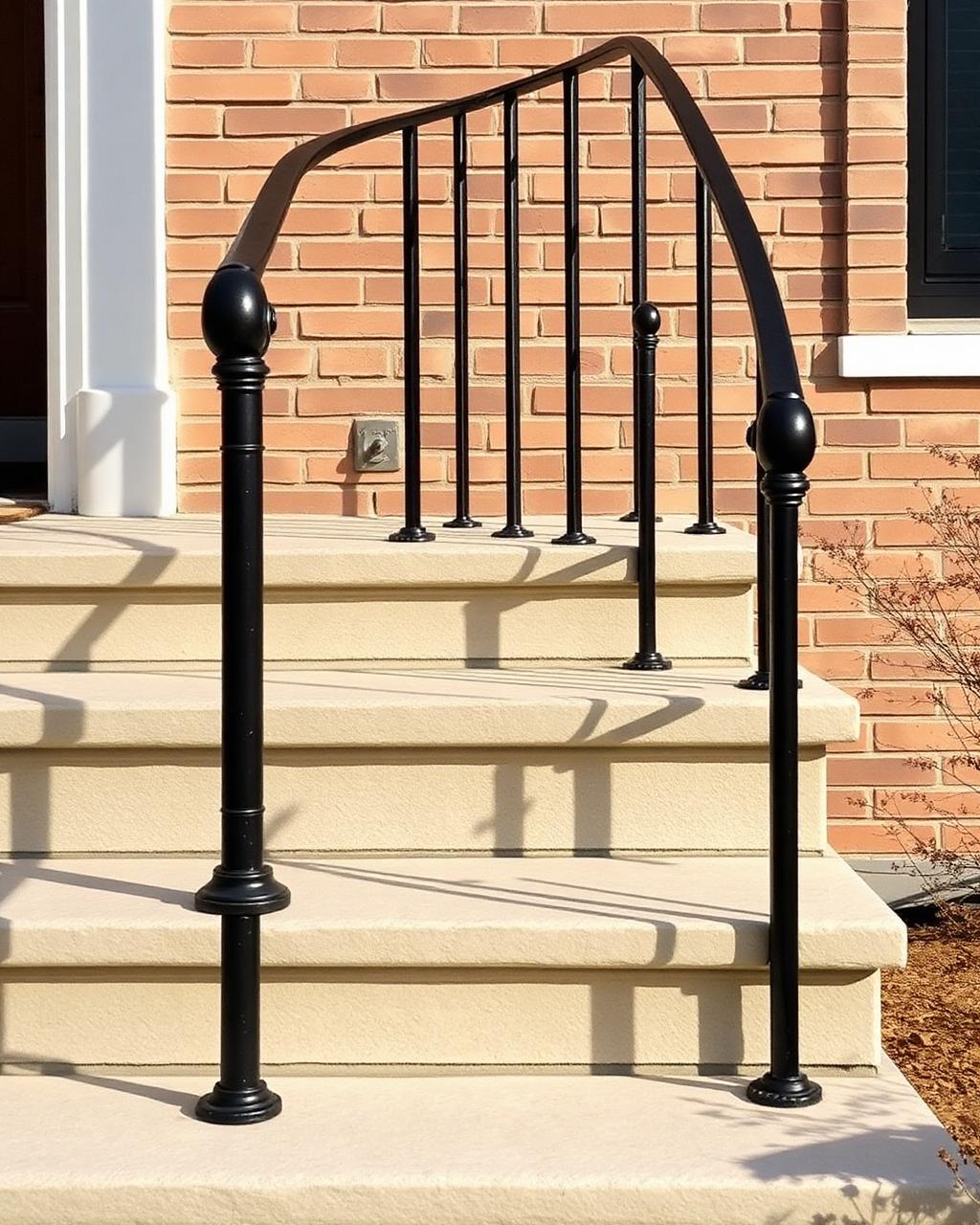
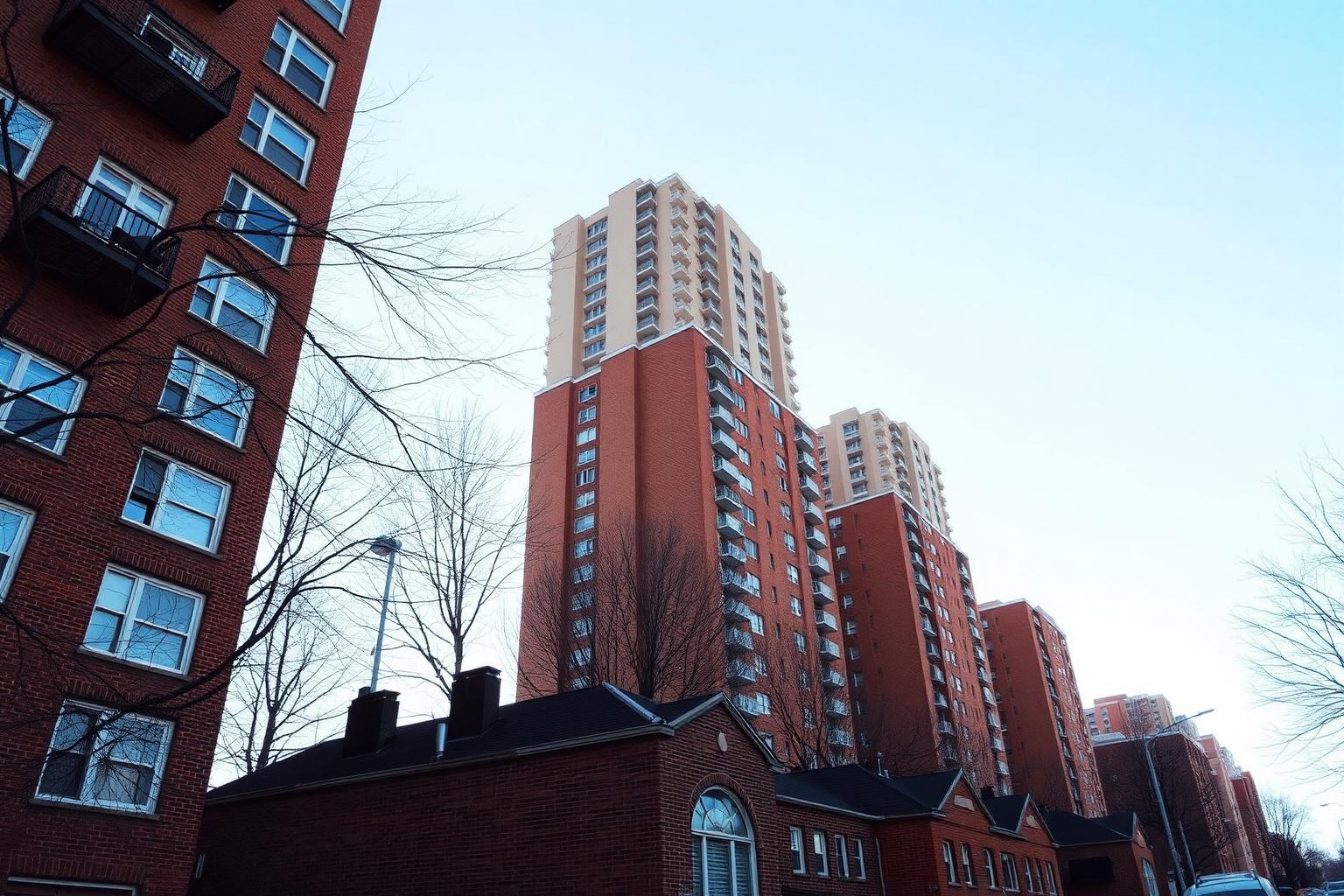
Chicago's housing stock forces a split the way few other cities do. On one side sits the classic Chicago bungalow — brick, single-family, owned by someone who wants a plumber or fence installer who talks to them directly and shows up on time. On the other side sits the high-rise condo association or multi-unit courtyard building downtown or in Lakeview, where the decision-maker is a property manager or a condo board evaluating a vendor against insurance requirements, common-element scheduling, and board-meeting sign-off.
A Chicago contractor site that only speaks to one of those buyers leaves real revenue on the table. The stronger pages carry both tracks: plain, direct language and photos of real single-family jobs for the bungalow owner, alongside a dedicated section for property managers and associations that covers certificates of insurance, multi-unit scheduling, and references from other buildings — proof points a homeowner never asks for but a board treats as a minimum bar.
Beat 04 · Permits, licensing, and a market that checks credentials
Chicago buyers expect to see licensing and permit fluency before they trust a bid.
Chicago covers roughly 234 square miles.
Chicago runs one of the more regulation-heavy permitting environments in the Midwest, and its residents know it — homeowners doing a concrete pour, a fence installation, or an epoxy garage floor near a property line have often already dealt with alderman offices, permit fees, or inspection headaches on some other project. That history makes them read a contractor's site looking for signals of fluency: a plumber's license number stated plainly, an HVAC company that mentions city permit handling as part of the job, a fencing crew that references Chicago's setback and easement rules instead of pretending every job is identical to one in the suburbs.
Skipping that language doesn't just look incomplete — in a city this saturated with contractors, it reads as a company that hasn't done enough Chicago jobs to know the rules. Naming licenses, permits, and code-specific detail up front is one of the fastest ways a site earns trust before the first phone call.
Beat 05 · Two intake modes, one calendar
A Chicago home-services homepage has to flip from emergency mode to project mode with the seasons.
Chicago winters turn HVAC and plumbing into emergency businesses overnight — a frozen pipe or a dead furnace during a January cold snap is a same-day call, and the site that wins that traffic needs an emergency-first homepage: phone number huge, availability stated plainly, no wading through service descriptions to find a way to act. That same company's summer traffic looks completely different — planned concrete pours, epoxy garage floor installs, and fence replacements booked weeks in advance by homeowners doing exterior projects while the weather holds.
A site frozen in one mode fails half the year. The Chicago sites that convert consistently are built to shift emphasis with the season — leading with urgency and speed against winter search traffic, then leading with portfolio photos, financing, and planning-stage content once spring projects start filling the calendar.
Web Design is one of four. The Chicago Master Framework page makes the case for running all four together, and what running only one costs a Chicago service business.
Where we run web design in Chicago
Web Design for service businesses across Chicago and Cook County, plus the satellite towns crews already drive to. Every district below is targeted by name in campaigns, pages and profile service areas — not folded into a single city radius.
- Chicago districts
- The Loop · River North · West Loop · Near North Side · Lincoln Park · Lakeview · Logan Square · Avondale · Albany Park · Irving Park · Portage Park · Jefferson Park · Norwood Park · Edison Park · Lincoln Square · Uptown · Edgewater · Rogers Park · West Town · Wicker Park · Bucktown · Humboldt Park · Pilsen · Little Village · Bridgeport · McKinley Park · Brighton Park · Garfield Ridge · Archer Heights · Beverly · Mount Greenwood · Morgan Park · Hyde Park · Kenwood · South Shore · Chatham · Auburn Gresham · Englewood · Bronzeville · Douglas · Austin · Belmont Cragin · Dunning · Hermosa · Ravenswood · North Center · Roscoe Village · Andersonville · Old Irving Park · Galewood · Clearing
- Beyond the county line
- Oak Park · Cicero · Berwyn · Evanston · Skokie · Lincolnwood · Niles · Park Ridge · Norridge · Harwood Heights · Elmwood Park · River Forest · Forest Park · Riverside · Brookfield · Burbank · Bedford Park · Evergreen Park · Oak Lawn · Blue Island · Calumet City · Dolton · Berkeley · Melrose Park · Des Plaines · Rosemont · Cook County · DuPage County · Lake County · Will County · Chicagoland
- ZIP codes covered
- 60601 · 60602 · 60603 · 60604 · 60605 · 60606 · 60607 · 60608 · 60609 · 60610 · 60611 · 60612 · 60613 · 60614 · 60615 · 60616 · 60617 · 60618 · 60619 · 60620 · 60621 · 60622 · 60623 · 60624 · 60625 · 60626 · 60628 · 60629 · 60630 · 60631 · 60632 · 60634 · 60636 · 60637 · 60638 · 60639 · 60640 · 60641 · 60642 · 60643 · 60644 · 60645 · 60646 · 60647 · 60649 · 60651 · 60652 · 60653 · 60654 · 60655 · 60656 · 60657 · 60659 · 60660 · 60661 · 60707 · 60706 · 60712 · 60302 · 60202

Beat 06 · Standing out in a market this crowded
Trust signals matter more in Chicago because the competitive set is longer than almost anywhere else.
A homeowner in Portage Park searching for a fence installer doesn't see three results — they see a scroll of nearly identical-looking companies, most of them with a similar logo treatment and a stock photo of a smiling worker. In a market this saturated, generic design reads as one more indistinguishable name in a long list, while a site with real Chicago job photos, named crew members, specific neighborhood coverage, and visible license numbers reads as the company that's actually been doing this in the city, not just advertising in it.
The close that works here pairs that specificity with fast, answer-ready structure — clear headings, a direct response near the top of every page — so a homeowner comparing five tabs at once, and any AI tool summarizing those tabs for them, can find the answer in Chicago's own site before they bounce to the next one. That combination of neighborhood-level detail, dual-buyer messaging, and answer-ready structure is the same discipline covered in more depth on the Chicago Master Framework page.
Web Design in Chicago — questions, answered
Because so much of Chicago's search traffic for plumbers, HVAC companies, and fence installers happens on the El, at a bus stop, or from a car pulled over mid-emergency, a slow or desktop-built site loses the click before the visitor even reaches the phone number. Chicago web design has to render fast and put the call-to-action within thumb's reach immediately.
Yes — Chicago's housing stock genuinely splits between bungalow owners who want direct, plain-spoken service and condo boards or property managers who evaluate vendors on insurance certificates, multi-unit scheduling, and building references. A site that only speaks to one buyer type leaves the other unconvinced, so the strongest pages carry proof for both.
Not different pages, but a different emphasis. Winter search traffic in Chicago is emergency-driven — frozen pipes, dead furnaces — and rewards a homepage led with urgency and a huge phone number, while summer traffic favors planned projects like concrete, epoxy flooring, and fencing, which convert better against portfolio photos and financing details.
The rest of the Chicago set
- SEO
Search Engine Optimization in Chicago
The trade that claims a Chicago neighborhood before the next competitor with a citywide ad budget notices how localized the search behavior really is. A Google Business Profile built around Chicago's real job mix — basement mechanical room plumbing and sewer backup work in the bungalow belt, furnace and AC service split across brutal January cold and humid July heat, fencing and concrete for the alleys and garages behind two-flats and three-flats, and epoxy flooring for finished basements from Logan Square to Garfield Ridge — paired with neighborhood pages for Pilsen, Rogers Park, Beverly, Portage Park, Hyde Park, Lincoln Square and Albany Park separately, gives a local crew a fighting chance in a market this dense and this crowded.
Open page - Google Ads
Google Advertising in Chicago
The channel built for the biggest, most expensive paid-search market in the region. Local Services Ads carry the licensed trades, the radius segments down to individual neighborhoods instead of spreading across all of Cook County at once, and spend concentrates on the moments that actually convert — a frozen pipe in a Logan Square two-flat, a dead furnace in a Bridgeport bungalow basement, a no-cooling call from a Lakeview high-rise in July — rather than chasing every impression in an auction big enough to swallow an unfocused budget whole.
Open page - Social Ads
Social Advertising in Chicago
The Chicago channel built to create intent block by block: Facebook, Instagram and TikTok campaigns targeted by ZIP and neighborhood — from the bungalow belt on the Northwest and Southwest Sides to Lincoln Park condo towers to the inner-ring Cook County suburbs — showing real finished porches, fences, epoxy garage floors and rooftop decks to the exact household staring at the unfinished version.
Open page - All four — recommended
The Master Framework in Chicago
All four channels, installed together for a metro defined by scale, competition and two hard seasonal peaks — sub-zero January emergencies and humid July cooling and outdoor-project demand. One strategy across SEO, Google advertising, social advertising and web design, tuned to Chicago's dense neighborhood grid, its Cook County inner ring, and the old brick housing stock that drives basement, alley and exterior work, with one accountable number instead of four separate vendors.
Open page