Ready to advertise on social in Chicago?
Call now — 385-985-0003Chicago · Social Ads
Social advertising in Chicago: manufacturing demand across a metro too big for search alone
A homeowner on a bungalow block in Jefferson Park isn't typing 'social media advertising' into anything. But she's walked past the same sagging back porch railing for three winters, and a two-flat owner in Albany Park has been meaning to replace the fence around the postage-stamp yard since the alley garage got its epoxy floor redone next door. Chicago is a city of millions and thousands of blocks that all look a little different, and in a metro this size, search only ever catches the household that has already decided and typed it in. Everyone else — the condo owner eyeing a rooftop deck, the bungalow owner staring at a cracked driveway, the two-flat landlord dreading another Chicago winter on a bad furnace — is scrolling right past the project they haven't named yet.
The short answer
Social advertising in Chicago means Facebook, Instagram and TikTok campaigns geo-targeted by ZIP code and neighborhood — from bungalow blocks on the Northwest Side to condo corridors downtown to inner-ring Cook County suburbs — built from real finished-job photos like a rebuilt back porch, a fenced city yard, an epoxy garage floor or a new rooftop deck. In a metro of millions where almost nobody actively searches for these services by name, paid social is what turns an ignored problem on a specific block into a plannable project.
Beat 01 · The project nobody searches for, in a city too big to guess at
Chicagoans don't type 'social media advertising chicago' — they scroll past the porch, the fence and the garage they've stopped noticing.
Search advertising only works once a homeowner has already decided what they need and typed it in. In a metro the size of Chicago, that's a much smaller group than it sounds like, because most of the projects contractors want to sell — a rebuilt rear wooden porch, a fenced-in city yard, an epoxy-coated garage floor, a new furnace before the cold hits — aren't things people actively research until something forces the issue. Most of the time nothing forces it. The back stairs just keep creaking a little louder every year.
Paid social skips the waiting. It puts a finished version of the exact problem in front of the household living with it, mid-scroll on a Sunday night instead of buried in a Saturday morning search session. A freshly rebuilt back porch photographed on a block that looks like theirs does more to start the thought than any keyword bid ever could, because for most Chicago homeowners the thought hasn't started yet.
That's the real difference in how a Chicago social campaign gets built: less about capturing demand that already exists somewhere in a metro of millions, and more about creating the specific moment a household on a specific block decides the project sitting behind their own house is finally worth doing.
Beat 02 · A city of millions means an audience that has to be built, not assumed
Chicago is too big and too varied for one ad to work everywhere — the audience gets built ZIP by ZIP, trade by trade.
With a population in the millions spread across dozens of distinct neighborhoods, Chicago doesn't behave like one market. A plumbing ad that lands with a two-flat owner in Avondale worrying about old galvanized pipe means nothing to a condo owner in the West Loop deciding whether a rooftop deck is worth the assessment increase. A fencing ad built around a fenced-in city yard in Portage Park doesn't speak to a Beverly bungalow owner with a full lot and a cracked driveway instead.
Meta and TikTok's targeting tools let a Chicago campaign split precisely along those lines — building separate audiences by ZIP code and neighborhood cluster, then matching creative to what that specific audience actually owns and actually needs. The bungalow belt gets driveway, garage floor and porch messaging. The condo corridors get rooftop deck and unit-refresh messaging. The two-flat and multi-unit landlords across the North and Northwest Sides get plumbing and HVAC messaging aimed at a building, not a single-family house.
In a market this large, that precision isn't a nice-to-have — it's the only way a limited ad budget doesn't get wasted showing the wrong project to the wrong block.
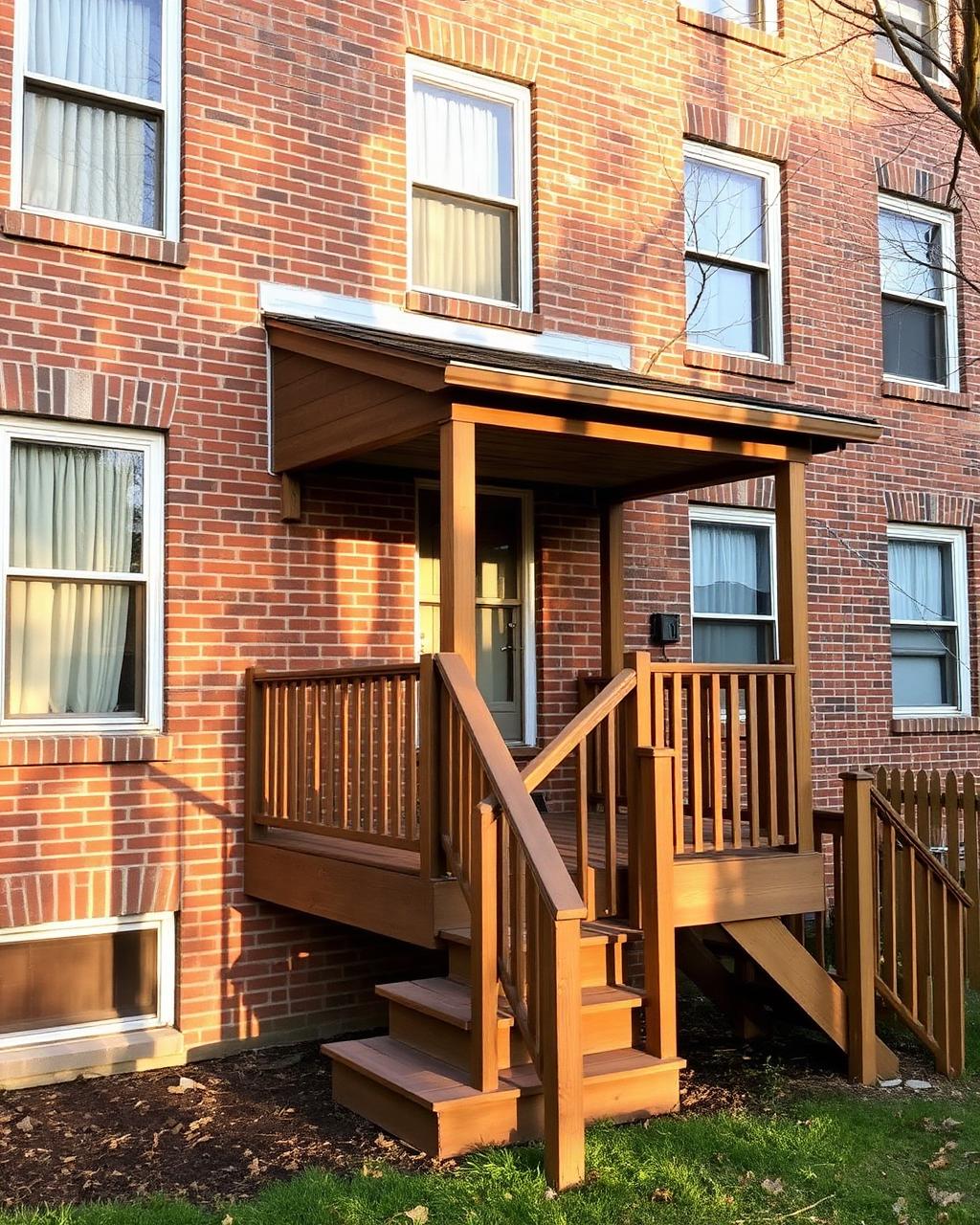
Beat 03 · Rear porches, alley garages and fenced city yards are the Chicago canvas
The back of the Chicago house is where most of this work actually happens, and where the photos come from.
Chicago's housing stock has a distinctive geography most cities don't share: wooden back porches and exterior back stairs stacked three flights up two-flats and courtyard buildings, alley garages tucked behind narrow city lots, and fenced-in yards that are often the only outdoor space a family gets. Those features age visibly and unevenly — a leaning back porch railing, a cracked concrete garage pad, a chain-link fence rusting through — and they're exactly the kind of thing a homeowner walks past every day without registering as a project until they see someone else's version fixed.
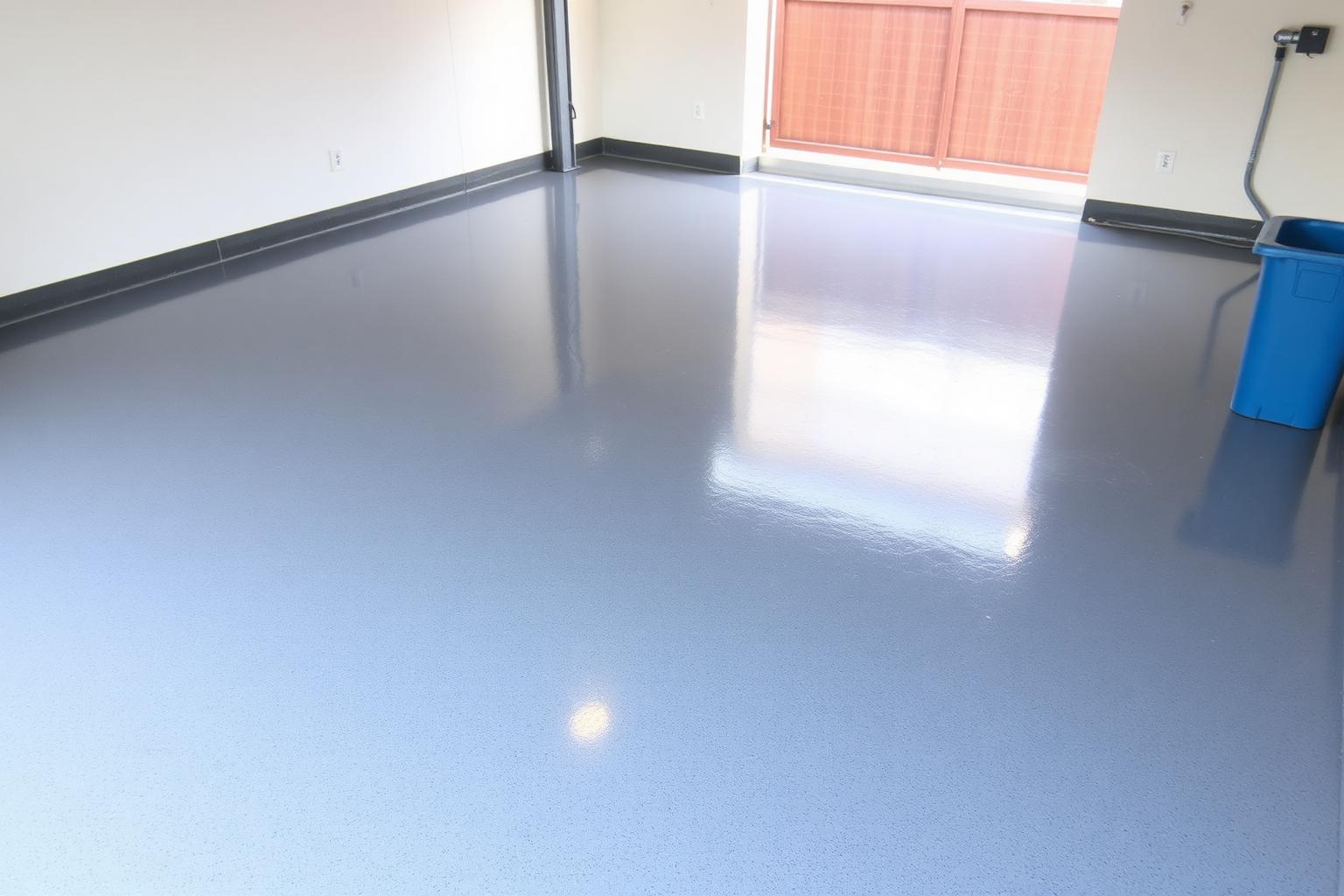
That makes the back of the Chicago house the natural subject for social creative. A photo of a rebuilt back porch with fresh stairs, a glossy epoxy floor inside an alley garage, or a newly fenced city yard doesn't need explaining — it's instantly recognizable to anyone who lives behind a similar building, and it does more work than any headline explaining what epoxy flooring or fence replacement actually is.
Concrete work fits the same pattern. Chicago's alleys, garage pads and back walkways take a beating from decades of freeze-thaw cycles, and a poured or resurfaced slab photographed next to the old cracked one is the kind of before-and-after that stops a Chicago scroll cold.
Beat 04 · What's actually true about Chicago
The checkable facts that shape the audience and the calendar.
Chicago's population is roughly 2.7 million people.
Chicago is the largest city in Illinois and one of the largest metros in the country, anchoring Cook County and a dense ring of inner suburbs that share its housing patterns more than they differ from them. Its housing stock runs heavily to bungalows, two-flats, three-flats and courtyard buildings built well before today's fencing, decking and garage-flooring standards were common, alongside a growing stock of condo and multi-unit conversions downtown and along the lakefront. The city sits in a true four-season climate, with harsh winters that shut down most outdoor work for months and a compressed spring-through-fall window where fencing, concrete, decking and rooftop projects all compete for the same short stretch of good weather. Those are the facts a Chicago campaign is built around, not invented click statistics.
Beat 05 · The calendar Chicago actually runs on
Spring thaw kicks off the outdoor build-out, and the pre-winter push starts as soon as the first cold snap hits.
Chicago's outdoor season is short and everyone in the city half-knows it. The spring thaw is when frost heave has finished cracking driveways and garage pads, when fence panels that leaned all winter finally get noticed, and when rooftop deck and porch projects get planned so they're usable by early summer. That compresses fencing, concrete and porch-rebuild demand into a narrow window worth advertising into aggressively from March through June.
The back half of the year runs on the opposite pressure: the pre-winter push. As soon as the first real cold snap hits, HVAC replacement and furnace-tune messaging becomes urgent for two-flat landlords and bungalow owners alike, and interior projects like epoxy garage floors — work that doesn't depend on good weather — pick up as outdoor jobs wind down.
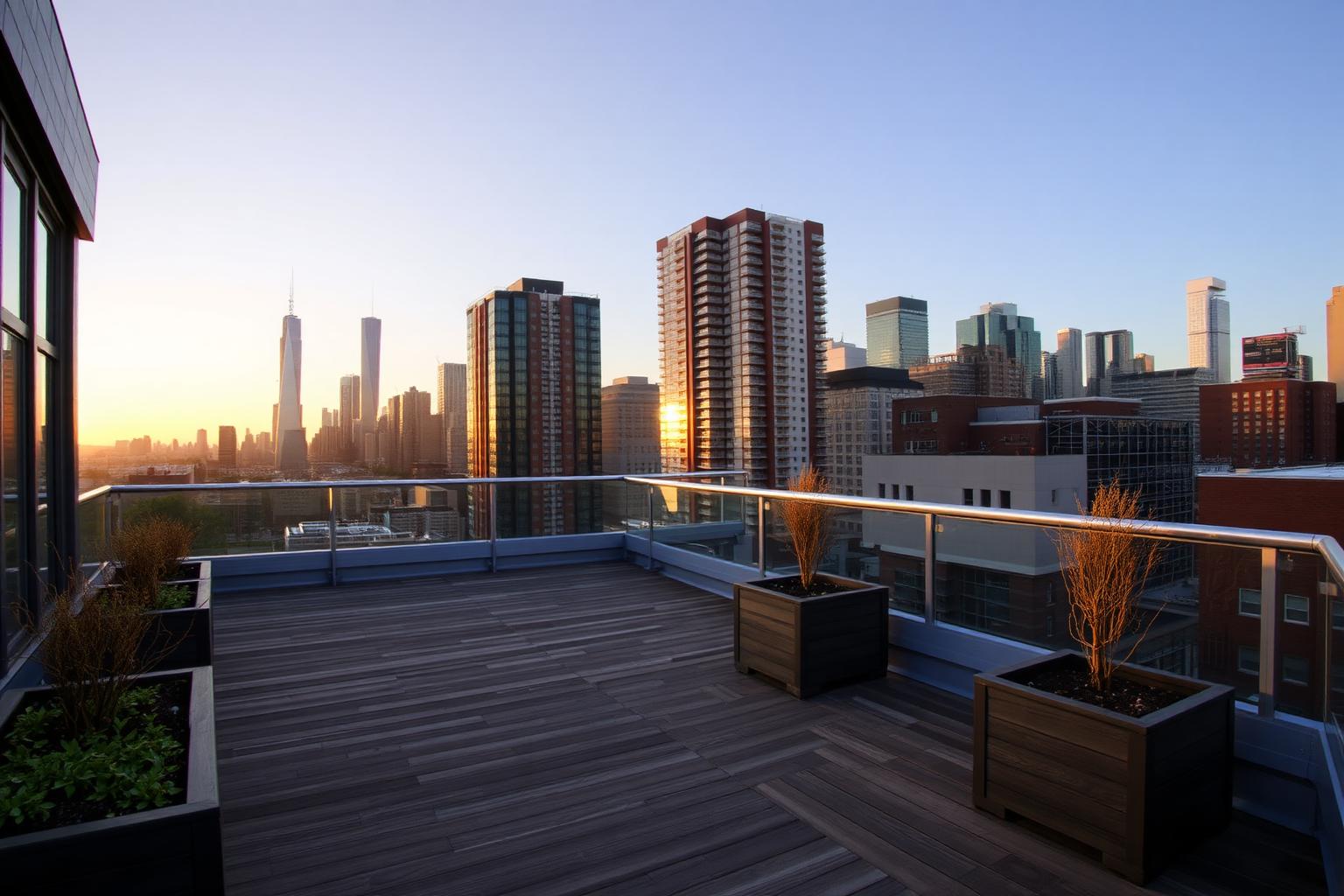
Rooftop and deck season sits in between, peaking through the summer for condo owners and multi-unit buildings trying to get a usable outdoor space finished before the first rooftop party of the year turns into the last. Social campaigns timed to that rhythm — fence and porch creative running hard in spring, HVAC and epoxy creative building through fall — meet Chicago homeowners exactly when the season is already doing part of the persuading.
Social Advertising is one of four. The Chicago Master Framework page makes the case for running all four together, and what running only one costs a Chicago service business.
Where we run social ads in Chicago
Social Advertising for service businesses across Chicago and Cook County, plus the satellite towns crews already drive to. Every district below is targeted by name in campaigns, pages and profile service areas — not folded into a single city radius.
- Chicago districts
- The Loop · River North · West Loop · Near North Side · Lincoln Park · Lakeview · Logan Square · Avondale · Albany Park · Irving Park · Portage Park · Jefferson Park · Norwood Park · Edison Park · Lincoln Square · Uptown · Edgewater · Rogers Park · West Town · Wicker Park · Bucktown · Humboldt Park · Pilsen · Little Village · Bridgeport · McKinley Park · Brighton Park · Garfield Ridge · Archer Heights · Beverly · Mount Greenwood · Morgan Park · Hyde Park · Kenwood · South Shore · Chatham · Auburn Gresham · Englewood · Bronzeville · Douglas · Austin · Belmont Cragin · Dunning · Hermosa · Ravenswood · North Center · Roscoe Village · Andersonville · Old Irving Park · Galewood · Clearing
- Beyond the county line
- Oak Park · Cicero · Berwyn · Evanston · Skokie · Lincolnwood · Niles · Park Ridge · Norridge · Harwood Heights · Elmwood Park · River Forest · Forest Park · Riverside · Brookfield · Burbank · Bedford Park · Evergreen Park · Oak Lawn · Blue Island · Calumet City · Dolton · Berkeley · Melrose Park · Des Plaines · Rosemont · Cook County · DuPage County · Lake County · Will County · Chicagoland
- ZIP codes covered
- 60601 · 60602 · 60603 · 60604 · 60605 · 60606 · 60607 · 60608 · 60609 · 60610 · 60611 · 60612 · 60613 · 60614 · 60615 · 60616 · 60617 · 60618 · 60619 · 60620 · 60621 · 60622 · 60623 · 60624 · 60625 · 60626 · 60628 · 60629 · 60630 · 60631 · 60632 · 60634 · 60636 · 60637 · 60638 · 60639 · 60640 · 60641 · 60642 · 60643 · 60644 · 60645 · 60646 · 60647 · 60649 · 60651 · 60652 · 60653 · 60654 · 60655 · 60656 · 60657 · 60659 · 60660 · 60661 · 60707 · 60706 · 60712 · 60302 · 60202
Beat 06 · Why this channel works in Chicago specifically
A metro too large for one message and a housing stock full of unfinished projects is exactly where demand has to be created, not harvested.
The checkable local reality: Chicago's neighborhoods carry a housing stock built well before today's fencing, decking, porch and garage-flooring standards, its population is large and varied enough that no single ad or audience covers the whole city, and across the bungalow belt, the two-flats and the condo towers alike, almost nobody is actively searching for 'social media advertising' or even for the specific project sitting behind their own building. That combination — visible unfinished work, a huge population spread across distinct ZIP codes, and no active search happening — is exactly the setup where a photographed finished job moving through a feed does what search can't do yet.
That's the same logic behind the Chicago Master Framework page: no single channel covers a metro shaped like this one. Search catches the smaller number of households who've already decided and typed it in, Google ads catch the person who needs a plumber or an HVAC crew this week, and paid social reaches the much larger group across the city grid and inner-ring Cook County still living around a problem they haven't named — from a rear porch in Pilsen to a fenced yard in Portage Park to a rooftop deck in the West Loop.
With spring thaw driving fence and concrete demand, deck and rooftop season peaking for condo and multi-unit owners, and the pre-winter push turning attention to HVAC and epoxy flooring, Extentus builds Chicago creative from real local finished work and puts it in front of the exact ZIP code or neighborhood where that project is still sitting unfinished — the full approach is laid out on the Chicago Master Framework page.
Social Ads in Chicago — questions, answered
Most Chicago homeowners never actively search for 'social media advertising' or even for the specific project behind their own house — the leaning back porch, the unfenced yard, the bare alley garage floor are problems they've stopped noticing rather than problems they're researching. Paid social shows a finished version of that exact problem directly in a feed, creating the moment a household on a specific block decides the project is finally worth doing rather than waiting for a search that was never going to happen.
Campaigns split by neighborhood cluster and housing type rather than treating the whole metro as one audience. Bungalow-belt ZIP codes on the Northwest and Southwest Sides get driveway, garage-floor and porch-rebuild creative, condo corridors downtown and along the lakefront get rooftop deck and unit-refresh creative, and two-flat and multi-unit landlords across the North Side get plumbing and HVAC creative built for a building rather than a single-family house. Meta and TikTok's targeting make it affordable to run all of those campaigns at once across Chicago and the inner-ring Cook County suburbs.
Chicago's true four-season climate compresses outdoor work into a short window, so fence, concrete and porch-rebuild creative performs best running hard from spring thaw through early summer, right as frost damage becomes visible and rooftop and deck season is being planned. HVAC replacement and epoxy garage-floor creative, which don't depend on good weather, build through fall as the pre-winter push sets in and outdoor projects wind down for the year.
The rest of the Chicago set
- SEO
Search Engine Optimization in Chicago
The trade that claims a Chicago neighborhood before the next competitor with a citywide ad budget notices how localized the search behavior really is. A Google Business Profile built around Chicago's real job mix — basement mechanical room plumbing and sewer backup work in the bungalow belt, furnace and AC service split across brutal January cold and humid July heat, fencing and concrete for the alleys and garages behind two-flats and three-flats, and epoxy flooring for finished basements from Logan Square to Garfield Ridge — paired with neighborhood pages for Pilsen, Rogers Park, Beverly, Portage Park, Hyde Park, Lincoln Square and Albany Park separately, gives a local crew a fighting chance in a market this dense and this crowded.
Open page - Google Ads
Google Advertising in Chicago
The channel built for the biggest, most expensive paid-search market in the region. Local Services Ads carry the licensed trades, the radius segments down to individual neighborhoods instead of spreading across all of Cook County at once, and spend concentrates on the moments that actually convert — a frozen pipe in a Logan Square two-flat, a dead furnace in a Bridgeport bungalow basement, a no-cooling call from a Lakeview high-rise in July — rather than chasing every impression in an auction big enough to swallow an unfocused budget whole.
Open page - Web Design
Web Design in Chicago
Sites structured for Chicago's scale: neighborhood and service-area pages built for a 77-community grid, mobile-first layouts for a city that searches from the platform and the bus stop, condo-board and property-manager pages next to single-family bungalow pages, license and permit language for a regulation-aware buyer, and a winter-emergency front door that swaps to summer-project mode without a rebuild.
Open page - All four — recommended
The Master Framework in Chicago
All four channels, installed together for a metro defined by scale, competition and two hard seasonal peaks — sub-zero January emergencies and humid July cooling and outdoor-project demand. One strategy across SEO, Google advertising, social advertising and web design, tuned to Chicago's dense neighborhood grid, its Cook County inner ring, and the old brick housing stock that drives basement, alley and exterior work, with one accountable number instead of four separate vendors.
Open page