Phoenix · The Master Framework
The Master Framework in Phoenix: a market big enough to lose in four different ways at once.
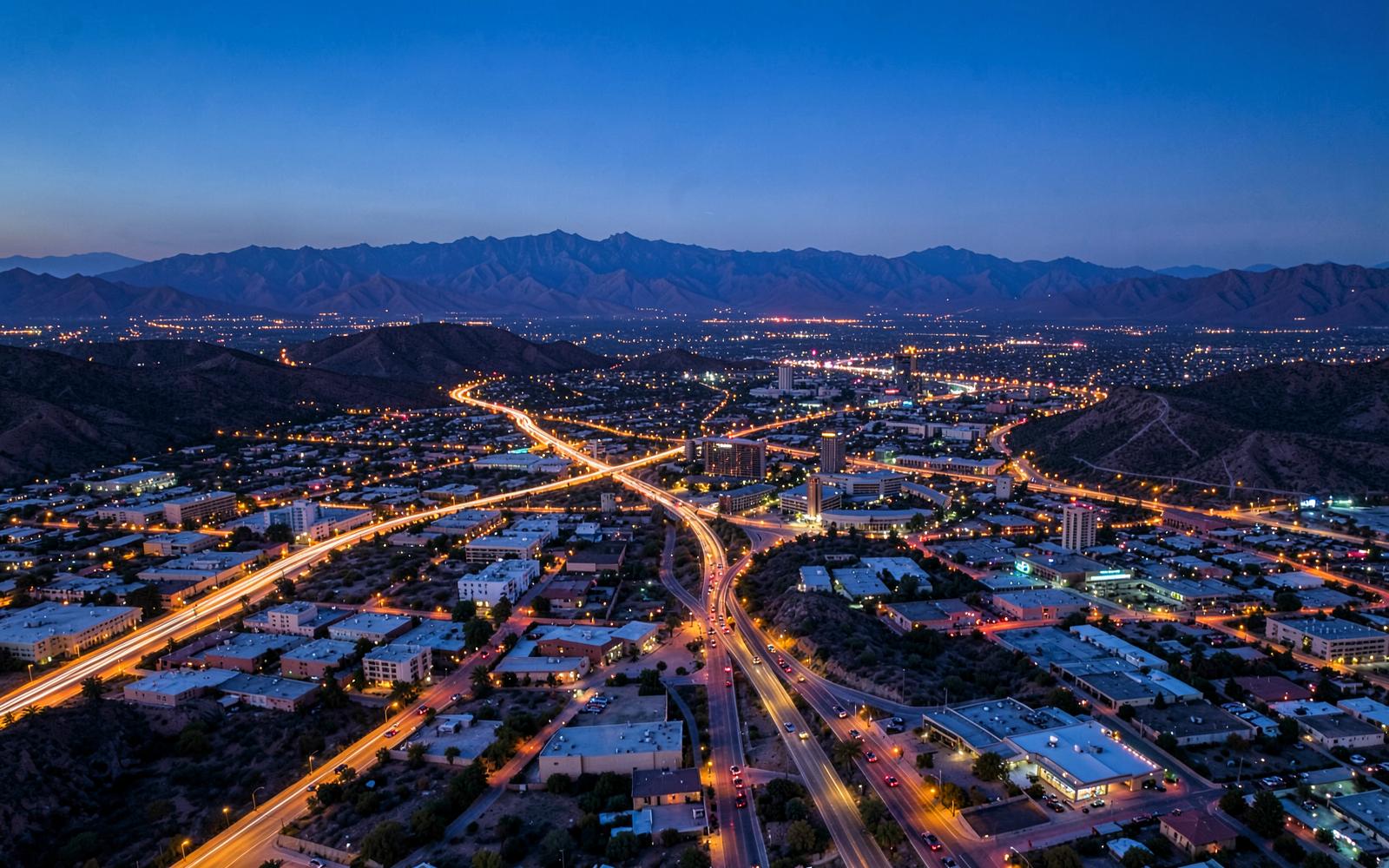
Phoenix is the fifth-largest city in the United States inside a metro of nearly five million people, still adding households at a rate few places match, in the most heat-stressed climate in the country. It is not a market you win with one channel. It is a market where four uncoordinated vendors can each report success while the calendar stays uneven and the cost per booked job quietly climbs.
The short answer
The Master Framework in Phoenix installs SEO, Google Ads, paid social and web design as a single system for a metro of nearly five million across Maricopa County. Extreme summer heat drives urgent emergency demand that paid search captures, sustained growth creates new-household demand that paid social creates, organic holds durable district-level position, and the site converts all of it. One team, one budget, one report of cost per booked job by channel and district.
Beat 01 · A market this big hides the failure
In Phoenix, four vendors can all show growth while your margin gets worse.
Volume covers a lot of mistakes here. There is enough demand across nearly five million people that any channel run badly still produces some leads — enough for a monthly report to look fine.
What gets lost is the only number that matters: what a booked job actually cost, and which district it came from. Four vendors cannot produce that number, because each of them owns one part of the path.
Phoenix is not a market where you can afford that ambiguity. Cooling clicks alone clear forty dollars apiece.
Beat 02 · Every channel has a ceiling, and Phoenix finds it fast
Each of the four runs out of room in a different direction.
Paid search captures immediate emergency demand brilliantly and stops the moment the budget does — and in Phoenix that budget is expensive because the intent is real.
Organic search compounds and eventually costs nothing per click, but it takes months and it cannot be turned up on a 114-degree Thursday.
Paid social reaches the new households arriving across the Valley cheaply but carries no urgency by itself, and the website converts everything while generating nothing. Stacked, the ceilings cancel.
Beat 03 · Mechanism: one district map, one heat calendar, one ledger
The framework is built on Phoenix's geography and its thermometer.
Geography first: a defined set of districts and suburbs — north Phoenix, Ahwatukee, Arcadia, Laveen, Deer Valley, Maryvale and the specific East or West Valley cities the crew reaches — targeted identically across organic pages, ad campaigns and social audiences.
Then the calendar: cooling and heat content ranking by April, paid search weighted heavily June through September, monsoon roof and wall campaigns live July through September, and exterior finishing work pushed on social through the cooler shoulder seasons.
Then the ledger: one reconciled report of qualified inbound by channel and by district, cost per qualified inbound, and the pages responsible for each.
Beat 04 · The number: one report instead of four invoices
Everything reduces to cost per booked job, by channel and by district.
Four vendors produce four flattering reports that never reconcile. Paid search claims the job paid social created because the last click landed there; the web vendor claims the conversion rate; nobody owns the result.
One system reports one thing, and the reporting is only possible because the same team controls the page, the ad, the keyword and the audience.
It also makes seasonal budget movement possible. Money can shift out of paid search in October because no vendor's invoice depends on keeping it there.
Beat 05 · Contrast: the national agency running Phoenix like Ohio
Flat monthly budget, county-wide radius, and cooling content published in July.
Phoenix does not behave like an average American metro. It is the most heat-stressed large market in the country, it spans roughly a hundred miles of drive time, and its demand curve is shaped by a thermometer that hits 110 for weeks at a time.
A playbook that spreads budget evenly across twelve months and targets Maricopa County as a single unit will spend a summer's revenue on the wrong geography at the wrong time.
The correction is structural: local geography, local calendar, one accountable team.
The Master Framework is one of four. The Phoenix Master Framework page makes the case for running all four together, and what running only one costs a Phoenix service business.
Where we run framework in Phoenix
The Master Framework for service businesses across Phoenix and Maricopa County, plus the satellite towns crews already drive to. Every district below is targeted by name in campaigns, pages and profile service areas — not folded into a single city radius.
- Phoenix districts
- Downtown Phoenix · Midtown · Encanto · Roosevelt Row · Arcadia · Biltmore · Camelback East · Sunnyslope · North Mountain · Deer Valley · Desert Ridge · Paradise Valley Village · Moon Valley · Ahwatukee Foothills · South Mountain Village · Laveen · Maryvale · Estrella · Alhambra · Garfield · Coronado · Willo · Norterra · Anthem edge · Rio Vista
- Beyond the county line
- Scottsdale · Tempe · Mesa · Chandler · Gilbert · Glendale · Peoria · Surprise · Goodyear · Avondale · Buckeye · Tolleson · El Mirage · Litchfield Park · Sun City · Sun City West · Queen Creek · Apache Junction · Fountain Hills · Cave Creek · Carefree · Anthem · New River · Maricopa · Casa Grande · Maricopa County · Valley of the Sun
- ZIP codes covered
- 85003 · 85004 · 85006 · 85008 · 85012 · 85013 · 85014 · 85015 · 85016 · 85018 · 85020 · 85021 · 85022 · 85023 · 85024 · 85027 · 85028 · 85029 · 85032 · 85033 · 85035 · 85037 · 85040 · 85041 · 85042 · 85043 · 85044 · 85045 · 85048 · 85050 · 85051 · 85053 · 85054 · 85083 · 85085 · 85086 · 85087

Beat 06 · The close
Phoenix's heat makes the demand urgent, and its growth makes the position durable.
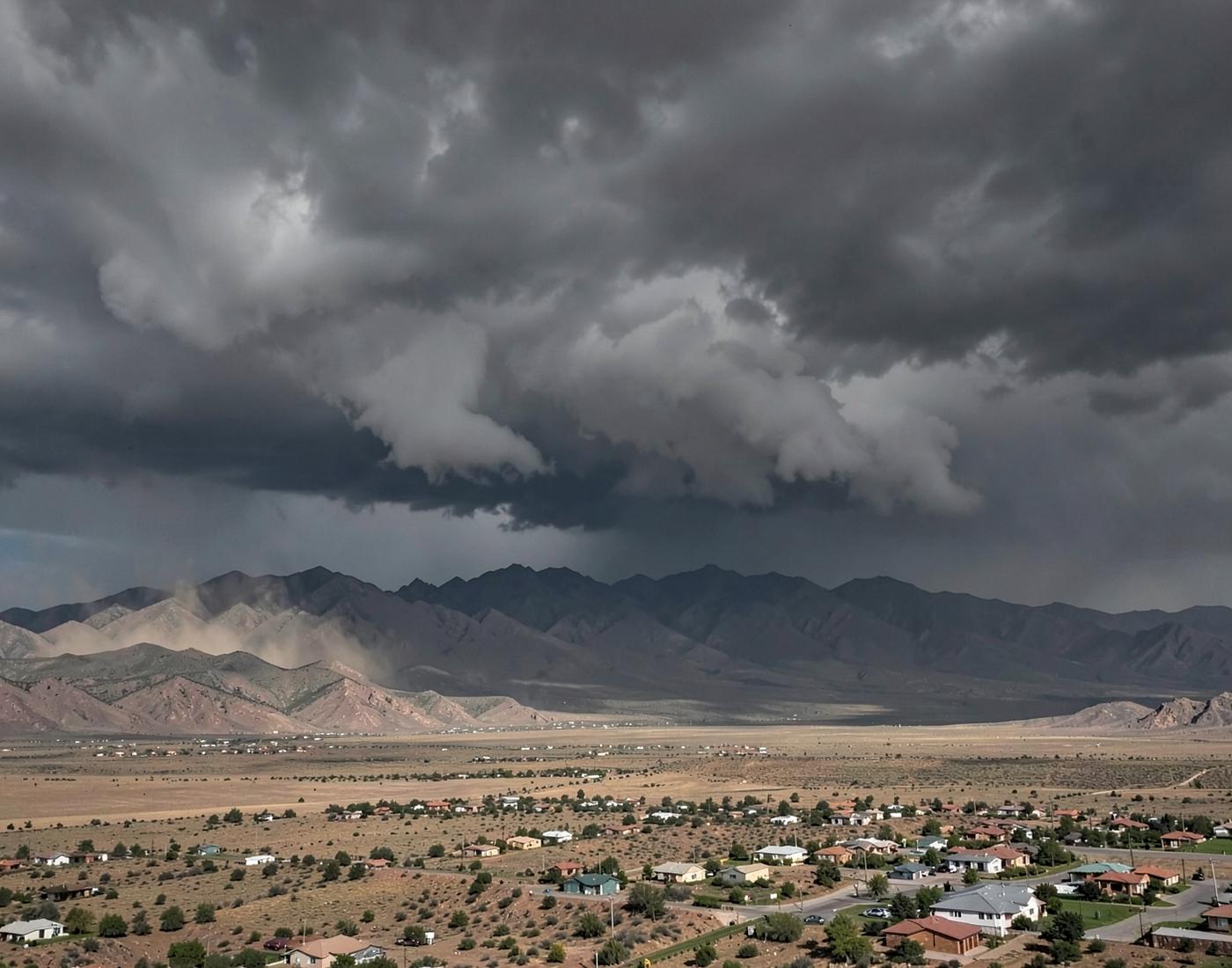
Summer here regularly pushes past 110 degrees for weeks, which makes HVAC a safety trade and every adjacent trade busier. The metro keeps adding households and subdivisions, which means the districts you claim today keep filling with customers you have not met yet.
Both facts reward the same structure: four channels installed together, aimed at the same district map, on the same heat calendar, reporting to the same number.
SEO, Google advertising, social advertising and web design — one system, one team, one accountable result in the fifth-largest city in America.
Framework in Phoenix — questions, answered
Because Phoenix is big enough that each channel alone leaves most of the demand on the table. Paid search captures urgent 110-degree cooling and plumbing emergencies but stops when spend stops; organic holds district-level position over months but cannot be dialed up on a hot Thursday; paid social reaches the new households arriving across the Valley but carries no urgency; and the site converts all three while generating nothing itself. Together they cover a market no single channel can.
By thermometer rather than by calendar. Cooling and heat content needs to rank by April, paid search carries its heaviest spend from June through September when Phoenix runs past 110 degrees, monsoon roof and wall campaigns run July through September, and social budget shifts toward fencing, concrete, pavers and epoxy work in the cooler shoulder seasons when homeowners will walk a yard. One engagement makes those shifts possible.
One reconciled number. Separate vendors each report their own channel, so paid search takes credit for jobs social created and nobody can say what a booked job cost. The framework reports qualified inbound by channel and by district — north Phoenix, Ahwatukee, Arcadia, Laveen, Deer Valley, Maryvale and the suburbs served — cost per qualified inbound, and the specific pages responsible for each.
The rest of the Phoenix set
- SEO
Search Engine Optimization in Phoenix
Phoenix is the biggest home-services market Extentus works in, and its search results change every few miles. A profile optimized against a real service radius, content that names north Phoenix, Ahwatukee, Arcadia, Laveen and Maryvale specifically, and pages written about 115-degree cooling load and monsoon damage put a local trade in front of demand that never stops.
Open page - Google Ads
Google Advertising in Phoenix
Phoenix clicks are expensive because Phoenix emergencies are real. We run paid search against a radius the crew can actually drive, bid the East and West Valley separately, weight budget into the June-through-September cooling peak, and split emergency intent from planned replacement so neither subsidizes the other.
Open page - Social Ads
Social Advertising in Phoenix
Phoenix adds tens of thousands of new households a year, and every one of them arrives with an empty contact list and a yard that needs finishing. Meta and TikTok reach those homeowners by district, by move-in recency and by home age — creating demand for fencing, concrete, epoxy and shade work nobody types into a search bar.
Open page - Web Design
Web Design in Phoenix
Phoenix visitors arrive in a hurry, on a phone, often mid-emergency. The site has to load fast, prove the business is local and licensed, show the districts it covers, and put the call within thumb reach — then do the slower job of quoting planned work like fencing, concrete and epoxy for the buyers who are comparing.
Open page