Ready to advertise in Phoenix?
Call now — 385-985-0003Phoenix · Google Advertising
Google Ads in Phoenix: the highest-urgency emergency market in the country, priced accordingly.
At 114 degrees a failed air conditioner is not an inconvenience, it is a health event — and the search happens within minutes. Phoenix paid search is the most immediate channel in the most demanding climate in the United States, which is exactly why the clicks cost what they do and why the geography of a campaign decides whether it makes money.
The short answer
Google Ads in Phoenix captures immediate emergency demand in a metro of nearly five million where summer temperatures routinely exceed 110 degrees. Cooling and plumbing clicks carry some of the highest costs per click in home services, so campaigns are built around tight district-level geo-targeting, separate emergency and planned-replacement campaigns, Local Services Ads where trades qualify, and heavy budget weighting into the June-to-September peak.
Beat 01 · Demand arrives in minutes, not weeks
In a 114-degree afternoon, the search and the phone call are the same event.
Nobody in Phoenix researches air conditioning contractors for a week in July. The unit fails, the house climbs past ninety inside within a couple of hours, and somebody calls whoever appears first with a phone number and a review count.
That collapses the funnel to a single screen. Paid search either shows up on that screen or the job goes to somebody who did.
Which is the honest reason clicks are priced the way they are here — the moment is worth a great deal to whoever wins it.
Beat 02 · The shift: geography is the whole lever
A Valley-wide radius will happily spend your budget on jobs you cannot reach.
The Phoenix metro spans roughly a hundred miles end to end. A default radius target buys clicks in Buckeye and Queen Creek at the same price as clicks four miles away, then reports a healthy cost per lead while the crew loses hours to the freeway.
So campaigns get drawn to a real service map: districts of Phoenix itself, the suburbs the crew actually serves, and exclusions for everything else — with separate bids where competition and click price diverge sharply between the East and West Valley.
Booked-job economics improve before a single ad or landing page changes, purely from geography.

Beat 03 · Mechanism: emergency, planned, and Local Services
Three campaign types that must never share a budget.
Emergency intent — cooling out, no hot water, sewage backing up, roof leaking during a monsoon cell — runs on call-focused campaigns during hours the crew answers, with aggressive bids and short landing paths.
Planned intent — replacement systems, repipes, roof recoats, block wall, driveway concrete, epoxy garage floors — runs on longer paths built for quotes, where a slower conversion at a lower bid is fine.
Local Services Ads sit above both for the trades that qualify, and are managed as their own channel with their own review and response requirements rather than treated as a checkbox.
Beat 04 · The number: what a Phoenix cooling click costs
Air conditioning and plumbing clicks in Phoenix routinely clear $40 apiece.
At that price a campaign with sloppy geography, no negative list and one generic landing page burns a month's budget before anybody books work.
The same price is why disciplined campaigns win big. When clicks are expensive, every improvement in targeting, match type and landing relevance shows up immediately as booked jobs rather than gradually.
It is also why paid search should not run alone in Phoenix. Organic rankings and retargeting reduce the share of demand you have to buy at that rate.
Beat 05 · Contrast: the set-and-forget account
Broad match, one campaign, county-wide radius, and a report full of clicks.
Phoenix punishes that arrangement faster than most markets because the click prices are high and the metro is huge. Spend disappears into unqualified geography and irrelevant queries within days.
It also misses the season entirely. A flat monthly budget spreads evenly across a year in which June through September produces the majority of cooling revenue.
The fix is pacing and precision: budget that surges with the thermometer, geography that matches the crew, and reporting on booked jobs rather than impressions.
Google Advertising is one of four. The Phoenix Master Framework page makes the case for running all four together, and what running only one costs a Phoenix service business.
Where we run google ads in Phoenix
Google Advertising for service businesses across Phoenix and Maricopa County, plus the satellite towns crews already drive to. Every district below is targeted by name in campaigns, pages and profile service areas — not folded into a single city radius.
- Phoenix districts
- Downtown Phoenix · Midtown · Encanto · Roosevelt Row · Arcadia · Biltmore · Camelback East · Sunnyslope · North Mountain · Deer Valley · Desert Ridge · Paradise Valley Village · Moon Valley · Ahwatukee Foothills · South Mountain Village · Laveen · Maryvale · Estrella · Alhambra · Garfield · Coronado · Willo · Norterra · Anthem edge · Rio Vista
- Beyond the county line
- Scottsdale · Tempe · Mesa · Chandler · Gilbert · Glendale · Peoria · Surprise · Goodyear · Avondale · Buckeye · Tolleson · El Mirage · Litchfield Park · Sun City · Sun City West · Queen Creek · Apache Junction · Fountain Hills · Cave Creek · Carefree · Anthem · New River · Maricopa · Casa Grande · Maricopa County · Valley of the Sun
- ZIP codes covered
- 85003 · 85004 · 85006 · 85008 · 85012 · 85013 · 85014 · 85015 · 85016 · 85018 · 85020 · 85021 · 85022 · 85023 · 85024 · 85027 · 85028 · 85029 · 85032 · 85033 · 85035 · 85037 · 85040 · 85041 · 85042 · 85043 · 85044 · 85045 · 85048 · 85050 · 85051 · 85053 · 85054 · 85083 · 85085 · 85086 · 85087
Beat 06 · Phoenix close
The hottest large city in the country produces the most valuable clicks in the country.
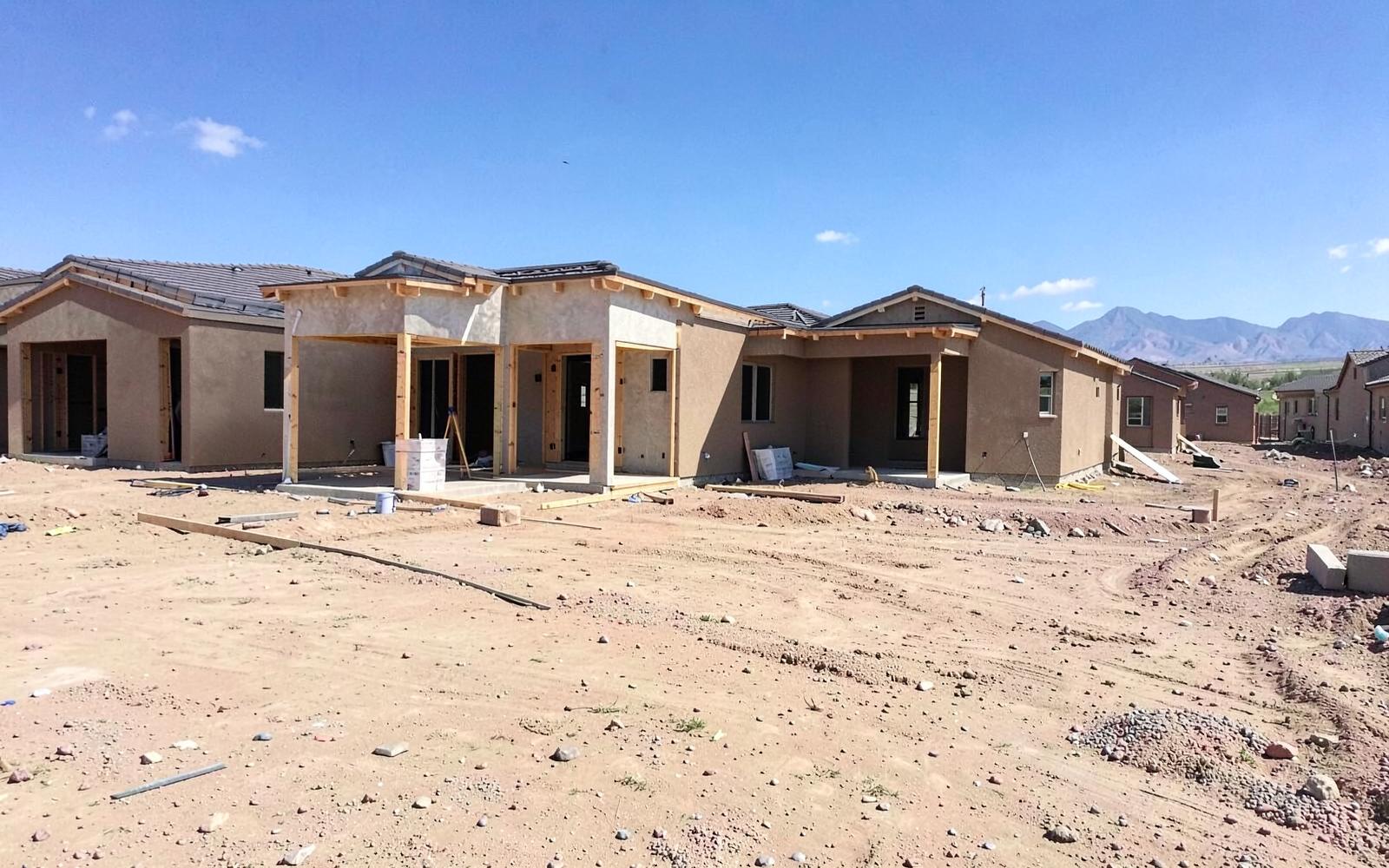
Phoenix has grown into one of the largest metros in America while remaining the most heat-stressed, and both facts point the same way: constant, urgent, high-value demand across HVAC, plumbing, roofing, electrical and every finishing trade that follows new construction.
Paid search is how you take the immediate share of that demand while organic, social and the site work on the rest.
Run as one system, spend moves toward whatever the season and the district are actually producing — instead of sitting locked in one vendor's channel.
Google Ads in Phoenix — questions, answered
Enough to compete in the season that matters, which for cooling trades means weighting spend heavily into June through September when Phoenix routinely runs past 110 degrees. Because emergency cooling and plumbing clicks here often cost more than forty dollars, a thin budget spread evenly across twelve months tends to lose money; a concentrated summer budget with tight geography and separate emergency campaigns generally does not.
For qualifying trades, yes — they sit above standard search results and charge per lead rather than per click, which suits emergency demand well. They also demand operational discipline: fast phone answering, steady review volume and prompt lead responses directly affect placement, so we manage them as their own channel alongside search rather than switching them on and hoping.
By drawing campaigns to the real drive map instead of a radius. The Phoenix metro stretches roughly a hundred miles across, so we target specific districts and suburbs, exclude everything the crew will not reach profitably, bid the East and West Valley separately where click prices diverge, and use location-based bid adjustments so nearby high-value areas are not priced the same as the metro edge.
The rest of the Phoenix set
- SEO
Search Engine Optimization in Phoenix
Phoenix is the biggest home-services market Extentus works in, and its search results change every few miles. A profile optimized against a real service radius, content that names north Phoenix, Ahwatukee, Arcadia, Laveen and Maryvale specifically, and pages written about 115-degree cooling load and monsoon damage put a local trade in front of demand that never stops.
Open page - Social Ads
Social Advertising in Phoenix
Phoenix adds tens of thousands of new households a year, and every one of them arrives with an empty contact list and a yard that needs finishing. Meta and TikTok reach those homeowners by district, by move-in recency and by home age — creating demand for fencing, concrete, epoxy and shade work nobody types into a search bar.
Open page - Web Design
Web Design in Phoenix
Phoenix visitors arrive in a hurry, on a phone, often mid-emergency. The site has to load fast, prove the business is local and licensed, show the districts it covers, and put the call within thumb reach — then do the slower job of quoting planned work like fencing, concrete and epoxy for the buyers who are comparing.
Open page - Framework
The Master Framework in Phoenix
In Phoenix the four channels are not alternatives — they are four different pieces of a market too large for any one of them. Organic holds the districts, paid search takes the 114-degree emergency, paid social reaches the new households arriving every month, and the site converts all three. Extentus installs the whole system as one engagement with one ledger.
Open page