Ready to rank in Charleston?
Call now — 385-985-0003Charleston · SEO
SEO in Charleston: salt air, storm season, and a metro adding subdivisions faster than anyone is publishing pages for them.
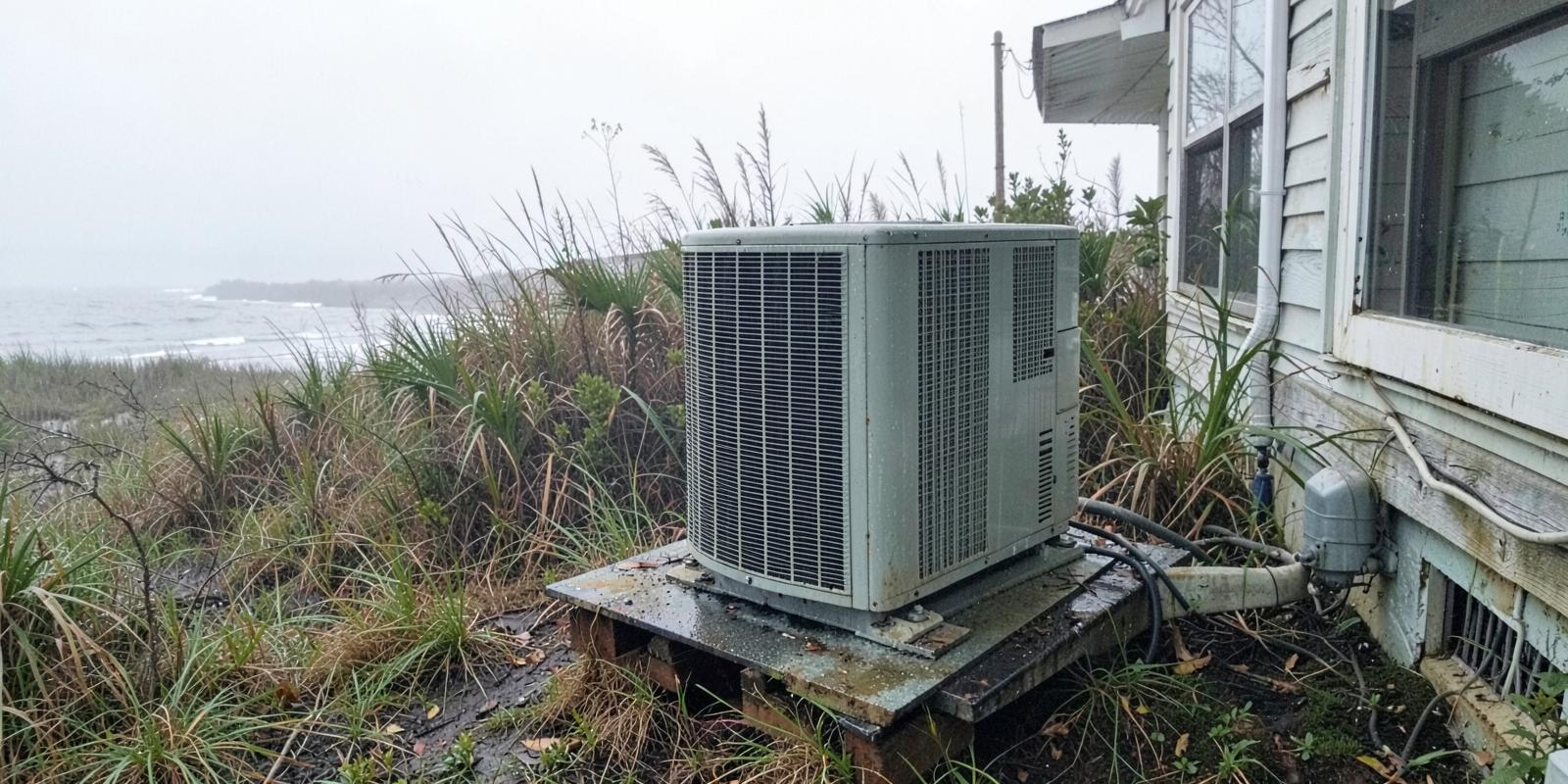
A condenser coil twelve miles from open water corrodes years early. A fence leans after a September blow. Pluff-mud humidity keeps a crawl space wet in a house built three feet off the ground on purpose. Charleston households buy services on a coastal risk calendar, and almost nobody has written the pages that answer them.
The short answer
SEO in Charleston, South Carolina is won on coastal specificity rather than volume. That means pages built on the vocabulary this market genuinely uses — salt-air corrosion on condensers and hardware, storm-season fence and roof repair, elevated crawl spaces and dehumidification, hurricane shutters and standby generators, termite pressure, drainage on sandy Lowcountry soil — attached to the places buyers actually name: the peninsula and its historic districts, West Ashley, James Island, Johns Island, Daniel Island, Mount Pleasant, North Charleston and Park Circle, Summerville, Goose Creek and the Cane Bay and Nexton corridors. Publish those before hurricane season and the spring exterior wave, not during them.
Beat 01 · A metro that never calls itself one city
People here search the town they live in, and the town is rarely Charleston.
The Tri-County spreads across Charleston, Berkeley and Dorchester counties, and the residents of each piece identify with the piece. A homeowner in Mount Pleasant does not think of herself as searching in Charleston. Neither does anyone in Summerville, Goose Creek, Hanahan, Ladson, Moncks Corner or the Cane Bay and Nexton developments north of the city.
That splits the market into named demand pools that a single city page cannot capture. The peninsula's historic districts, West Ashley, James Island, Johns Island, Daniel Island, Isle of Palms, Sullivan's Island and Folly Beach all behave as separate search markets with separate housing stock, separate price expectations and separate drive times across two rivers and several bridges.
The opening is that most local businesses publish one page for the whole region and hope. A business that publishes an honest page per town it truly serves outranks that immediately, because it is the only page that answers where.
Beat 02 · The shift: from a service list to coastal problems
Salt, water and wind write this market's search terms.
Charleston sits on tidal creeks and pluff mud at almost no elevation. Salt air shortens the life of condenser coils, hardware, railings and light fixtures. King tides put water in streets that are nowhere near a beach. Hurricane season runs June into November, and the market remembers what a direct hit costs.
So the demand is not generic. It is coil cleaning and early replacement on units that failed at eight years instead of fifteen, dehumidification and encapsulation under houses deliberately raised off the ground, hurricane shutters and standby generators bought in the anxious weeks of an active forecast, fence and privacy panels straightened after a blow, roof and gutter work, mildew pressure washing, drainage on sand that moves, and termite pressure that never fully lets up.
Historic-district work adds its own layer. Anything visible on a protected street runs through architectural review, which means homeowners search for contractors who already know that process — a search intent that does not exist in an inland market.
Beat 03 · Mechanism: profile, town pages, storm-season timing
Three layers, built in order, timed to a coastal year.
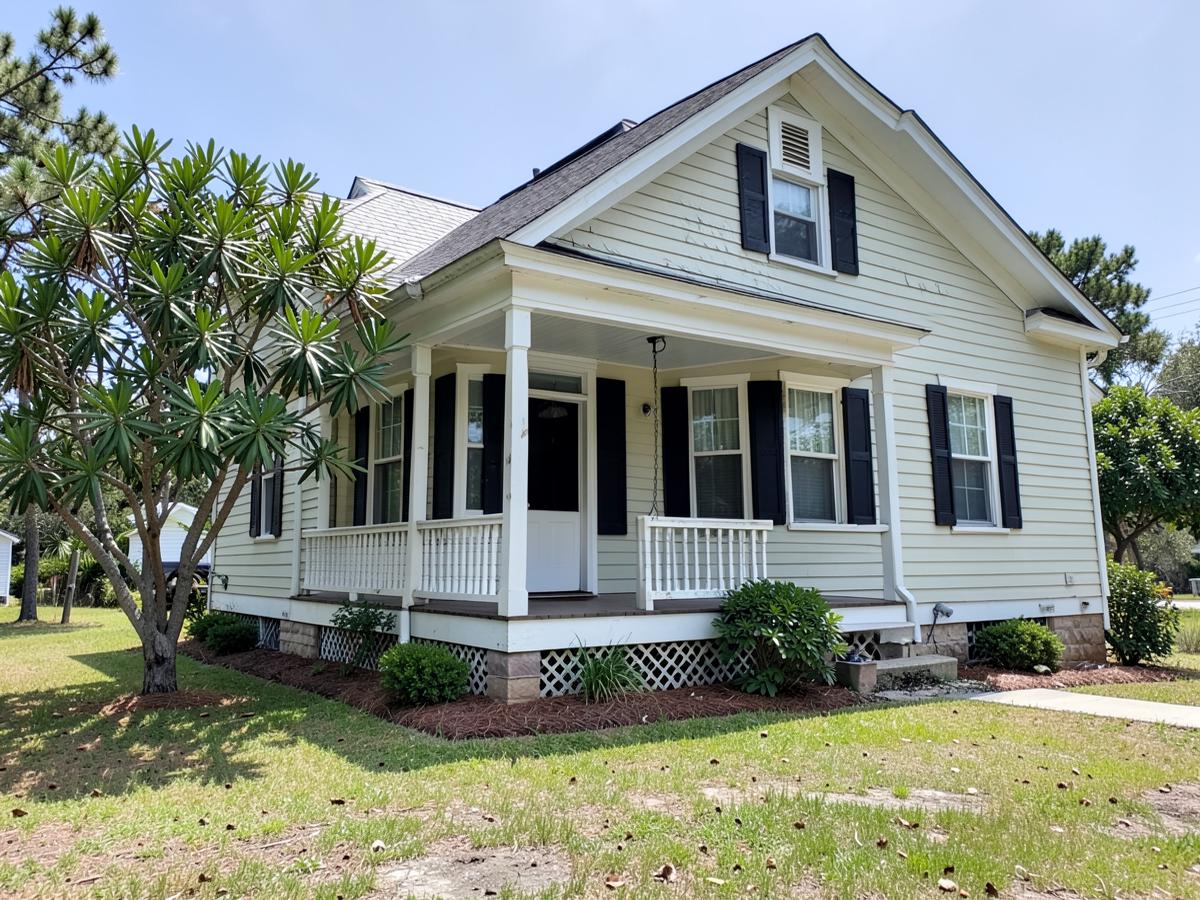
First the Google Business Profile: right primary category, the services people here genuinely search, a service area that matches real bridge-and-tunnel drive times across the three counties, photographs of raised crawl spaces and salt-worn equipment instead of stock interiors, and review requests that name the town and the job.
Second, the pages: four or five towns and four or five jobs, each with photographs, stated scope, exclusions and a price band. When a household is comparing three numbers on a phone with a tropical system five days out, a published range is the entire conversion advantage.
Third, the calendar. Cooling load starts in April and holds into October. Exterior and pressure-washing demand lands in spring. Shutters, generators, tree trimming and roof inspection spike in the weeks before and during an active tropical forecast, then repair demand replaces them afterward. The short winter window carries encapsulation, panel upgrades and interior work. Publish in the quiet weeks so the ranking exists before the wave.
Beat 04 · The number
5
Not fifty thin pages naming every creek and crossroads in the Lowcountry — five real ones with local photographs, stated scope and a published band, each written for the housing that area actually has, from an 1,890s single house to a 2022 slab in Cane Bay.
Five pages is usually the whole distance between invisible and dominant here: the peninsula and its historic districts, Mount Pleasant, West Ashley with James and Johns Islands, North Charleston with Park Circle and Hanahan, and one honest page for Summerville and the Berkeley County growth corridors.
That is the discipline. Rank for the towns a truck genuinely crosses a bridge to reach, then let reviews from those streets carry the rest.
Beat 05 · The contrast
A page that says Charleston and never says salt, storm or bridge.
It lists services in a column, shows a rendering instead of a raised crawl space or a corroded condenser, never names Mount Pleasant or Summerville, never mentions architectural review on a protected street, publishes no price band, and never states whether anyone actually drives to Johns Island.
In a market where a household asks a neighbor before it asks a search engine, that page loses twice: it does not rank, and when it is finally found it answers neither question the caller has — can you handle my conditions, and will you come to my town.
The fix is fewer, sharper pages: these towns, these coastal problems, real photographs, stated scope, honest numbers.
Search Engine Optimization is one of four. The Charleston Master Framework page makes the case for running all four together, and what running only one costs a Charleston service business.
Where we run seo in Charleston
Search Engine Optimization for service businesses across Charleston and Charleston County, plus the satellite towns crews already drive to. Every district below is targeted by name in campaigns, pages and profile service areas — not folded into a single city radius.
- Charleston districts
- South of Broad · French Quarter · Ansonborough · Harleston Village · Radcliffeborough · Cannonborough-Elliotborough · Elliotborough · Wraggborough · Mazyck-Wraggborough · Hampton Park Terrace · Wagener Terrace · North Central · Westside · Downtown Charleston peninsula · Upper King Street corridor · West Ashley · Avondale · Byrnes Downs · Ashley Forest · Shadowmoss · Citadel Mall area · James Island · Riverland Terrace · Harbor View · Johns Island · Daniel Island · Cainhoy · Park Circle · Olde North Charleston · North Charleston industrial corridor
- Beyond the county line
- Mount Pleasant · Sullivan's Island · Isle of Palms · Folly Beach · Kiawah Island · Seabrook Island · North Charleston · Hanahan · Goose Creek · Ladson · Summerville · Moncks Corner · Cane Bay · Nexton · Carnes Crossroads · Ridgeville · Awendaw · McClellanville · Ravenel · Hollywood · Meggett · Adams Run · Edisto Island · Wadmalaw Island · Bonneau · Cordesville · Huger · Jedburg · Knightsville · Lincolnville · Harleyville · St. Stephen · Charleston County · Berkeley County · Dorchester County · the Lowcountry · Charleston Harbor · Ashley River · Cooper River · Wando River · Stono River · Intracoastal Waterway · I-26 corridor · US 17 corridor · Highway 78 corridor
- ZIP codes covered
- 29401 · 29403 · 29405 · 29407 · 29409 · 29412 · 29414 · 29418 · 29424 · 29425 · 29455 · 29464 · 29466 · 29492 · 29403 · 29406 · 29410 · 29420 · 29429 · 29439 · 29451 · 29482 · 29483 · 29485 · 29486 · 29445 · 29456 · 29461 · 29470 · 29487 · 29431 · 29437 · 29448 · 29449 · 29453 · 29468 · 29472 · 29477 · 29479
Beat 06 · Charleston close
In a growth metro on a shrinking coast, the business that names the conditions wins the search.
Charleston's payroll is unusually broad for a city this size — a container port, a large aerospace and manufacturing base, a medical university and hospital system, a military installation, and a tourism and hospitality economy that runs nearly year-round. Broad payroll produces steady service demand, and the growth ring keeps adding households that have no provider yet.
The plan is plain: claim the towns you serve, write the salt, storm, moisture, drainage and exterior pages with method and price bands, keep the profile fed with real Lowcountry photographs and reviews, and publish before each season rather than during it.
Done once, properly, it keeps paying through every hurricane watch and every humid August this coast produces.
SEO in Charleston — questions, answered
The vocabulary and the calendar. Charleston households search salt-air corrosion, early condenser replacement, elevated crawl space dehumidification, hurricane shutters and standby generators, storm-damaged fencing and roofing, mildew pressure washing and drainage on sandy soil. Demand also swings hard around tropical forecasts rather than following a flat twelve-month pattern.
Start with the peninsula and its historic districts, Mount Pleasant, West Ashley with James and Johns Islands, North Charleston including Park Circle, and Summerville with the Berkeley County growth corridors such as Cane Bay and Nexton. Add Daniel Island, Goose Creek, Folly Beach, Isle of Palms or Sullivan's Island only if you truly drive there, and state the drive time.
Yes. Exterior work visible on a protected street goes through architectural review, so homeowners in those districts search specifically for contractors who already understand that process. Saying so plainly on the page — what is reviewable, how long approval usually takes, what you handle — converts far better than a generic services list.
The rest of the Charleston set
- Google Ads
Google Advertising in Charleston
Paid search in Charleston is a timing problem before it is a budget problem. Extentus runs the urgent hours hard, segments bids by county and bridge crossing, and points every expensive click at a page built for that exact job rather than a homepage.
Open page - Social Ads
Social Advertising in Charleston
Charleston's growth ring produces a constant supply of households with no established providers, and a coastal calendar that makes some months far more persuasive than others. Extentus runs social advertising against both — new-mover acquisition and seasonal timing — and retargets everyone search and paid brought in.
Open page - Web Design
Web Design in Charleston
A Charleston website carries the whole conversion rate of every other channel. Extentus builds sites that load fast on a phone in a driveway, state scope and price bands plainly, name the towns across all three counties, and give search and answer engines something specific to quote.
Open page - All four — recommended
The Master Framework in Charleston
Search, paid search, social advertising and the website are one system in Charleston or they are four bills. Extentus installs all four against one number set, with spend that shifts between them around the coastal calendar rather than spread evenly across twelve months.
Open page