Ready to advertise in Charleston?
Call now — 385-985-0003Charleston · Google Advertising
Google advertising in Charleston: a demand curve that spikes on a forecast, and three counties that should never share one bid.
When a tropical system enters the five-day cone, this market's search behavior changes within hours. Shutters, generators, tree trimming and roof inspection all move at once, then repair demand replaces them for a month. A campaign that spends evenly across twelve months misses the only weeks that mattered.
The short answer
Google Ads in Charleston, South Carolina works when three things are true: bidding is segmented by geography rather than one metro radius, because a Mount Pleasant, Summerville and West Ashley lead cost different amounts to serve across bridges and two rivers; every expensive term lands on a page built for that exact job with a published price band; and budget flexes with the coastal calendar — spring exterior work, a long April-to-October cooling load, hard spikes on tropical forecasts, and the repair wave that follows. Local Services Ads carry trades where the lead form is the whole transaction.
Beat 01 · A market that buys in bursts
Charleston demand is not seasonal so much as event-driven.
Most markets have a smooth annual curve. This one has a curve plus detonations. An active tropical forecast produces a week where generator, shutter, tree and roof searches jump several times over baseline, and the households doing that searching are not comparison shopping — they are buying the first credible answer.
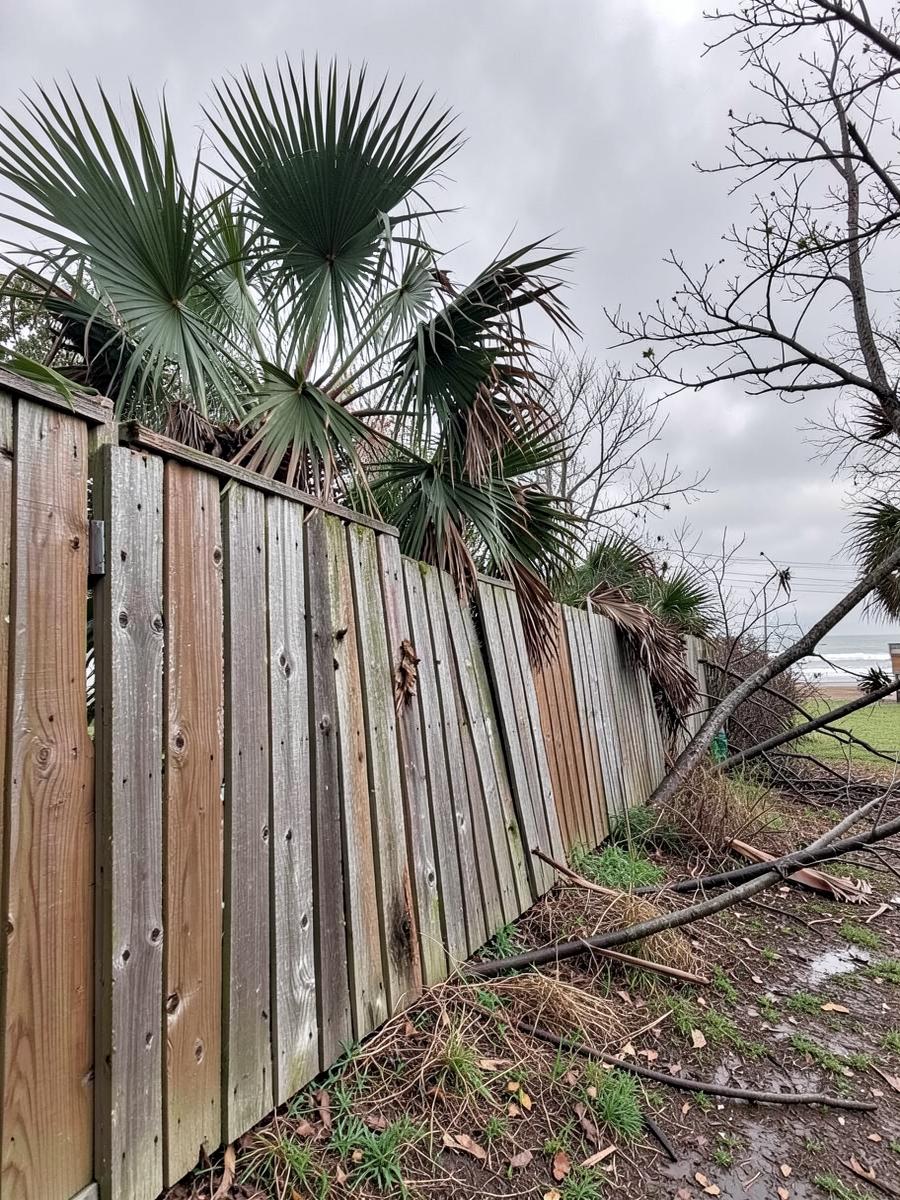
Then the aftermath. Fence panels down, shingles lifted, limbs across driveways, water where it should not be, and a queue that runs weeks long. Demand for concrete, fencing, roofing and epoxy repair stays elevated well past the storm itself.
Paid search is the only channel that can be present inside those hours from a standing start. That is its actual job here — and it is a job a flat monthly budget cannot do.
Beat 02 · The shift: from one radius to counties and bridges
A ten-mile radius in Charleston crosses water, and water costs time.
Getting from the peninsula to Mount Pleasant, Daniel Island, James Island or Johns Island means bridges. Getting to Summerville, Goose Creek, Ladson or Moncks Corner means a genuine drive up the corridor. A single metro radius therefore buys leads with wildly different costs to serve and pretends they are equivalent.
So the account is segmented: the peninsula and its historic districts, Mount Pleasant and the beach towns, West Ashley with James and Johns Islands, North Charleston and Park Circle, and the Berkeley and Dorchester growth ring including Cane Bay, Nexton and Carnes Crossroads. Each gets its own bid posture based on what a job there is actually worth.
It also changes the ad copy. A beach-town household needs to hear salt-air and elevation competence. A Cane Bay household in a four-year-old house needs to hear warranty-era work and scheduling. Same trade, different promise.
Beat 03 · Mechanism: intent-matched pages and Local Services Ads
Every expensive click lands on the page for that exact job.
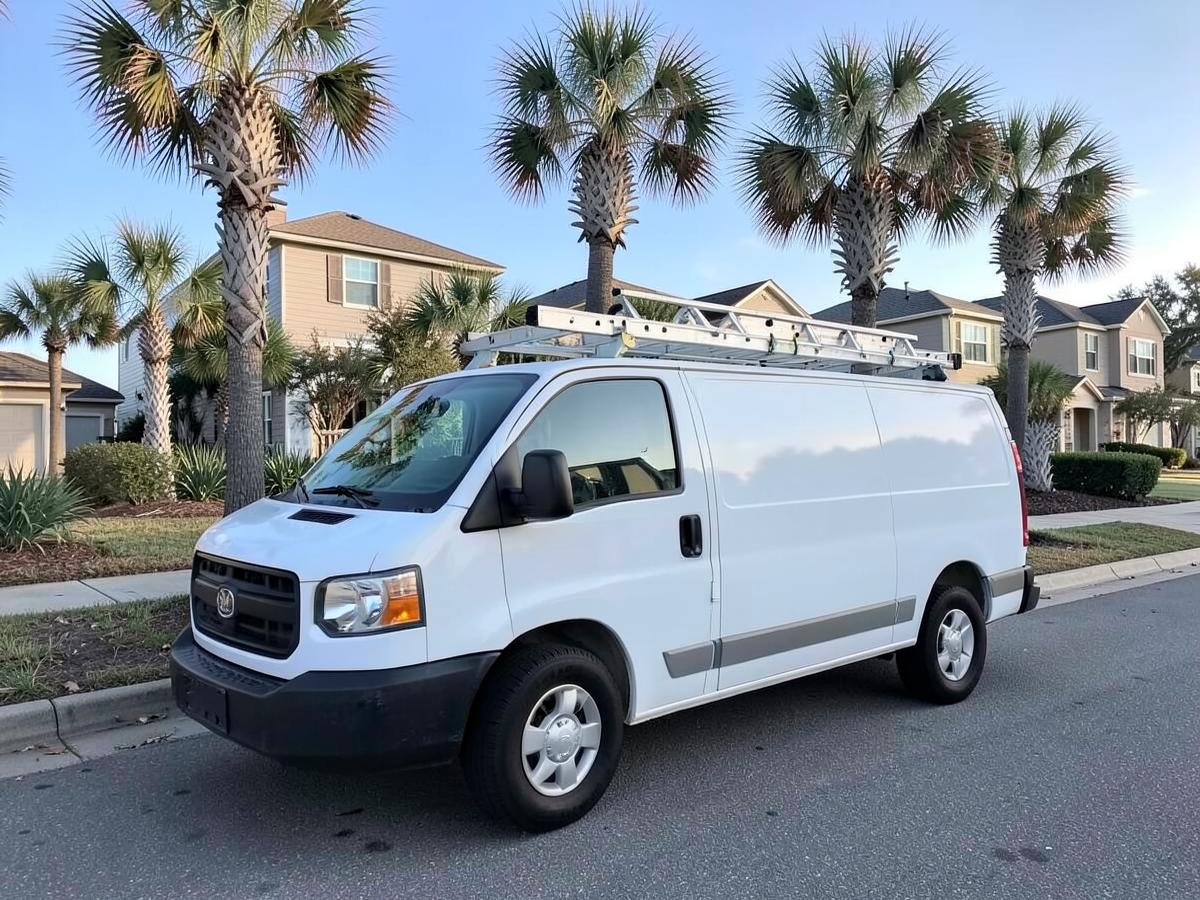
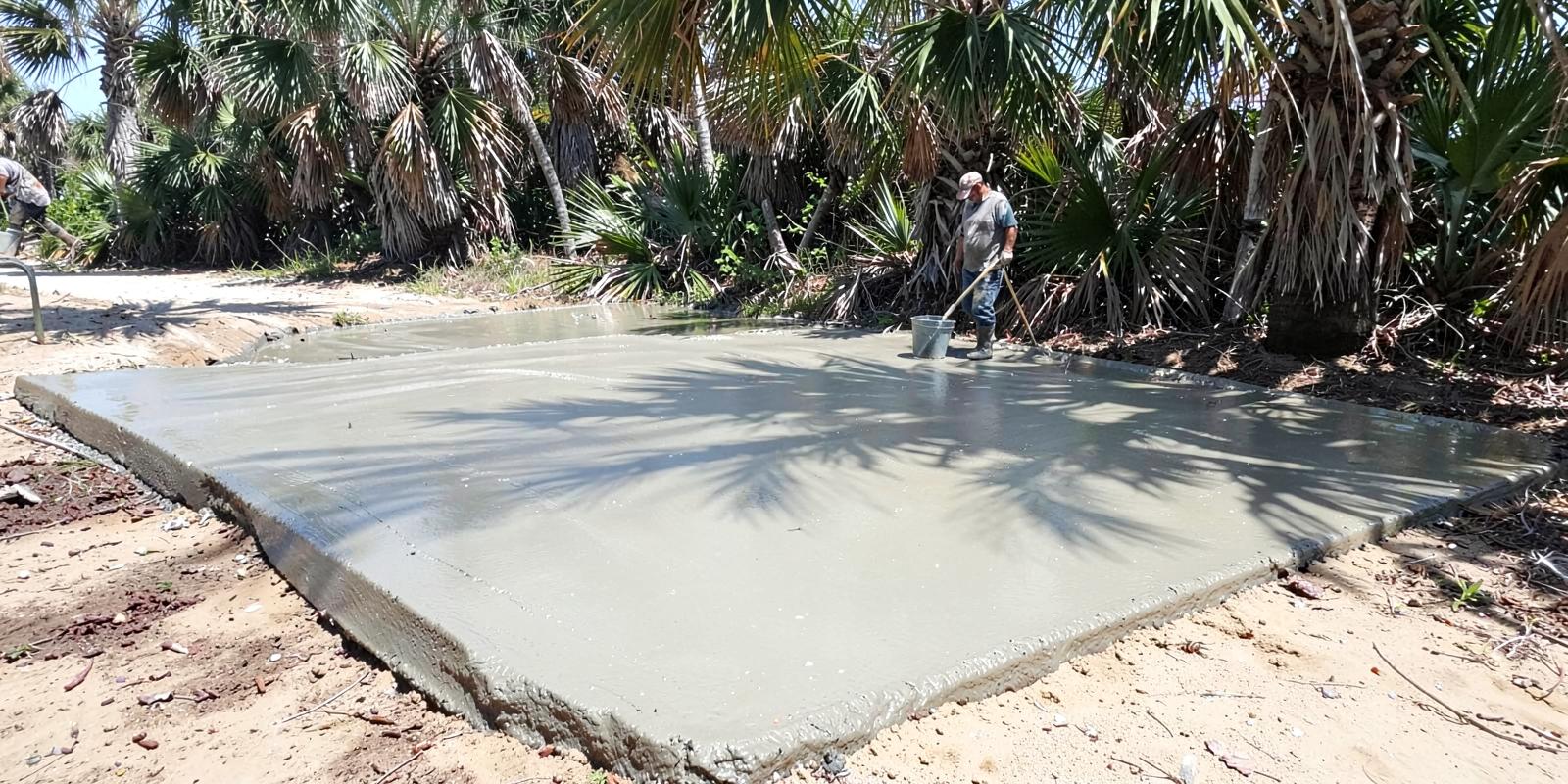
The account structure follows the jobs, not the trade: emergency cooling repair, planned replacement, generator installation, shutter installation, storm-damage fence and roof repair, drainage correction, driveway and slab concrete, epoxy garage flooring. Each has its own campaign, its own page, and its own promise about response time.
Each of those pages carries photographs of local work, a stated scope with exclusions, a published price band and one action. That combination is what turns a click bought at coastal-market rates into a booked job rather than a bounce.
For trades where the lead form is the whole transaction, Local Services Ads sit above everything else and bill per lead. Getting screened and keeping review volume high there usually lowers blended cost per lead faster than any bid adjustment does — and the reviews come from the same profile work the search programme is already doing.
Beat 04 · The number
72
Seventy-two hours is the window that decides a storm-season campaign. Roughly three days between a system entering the forecast cone and the market's buying decision being made.
Accounts that already have approved copy, funded budgets, mapped negatives and live landing pages capture that window. Accounts that need a strategy conversation first arrive after the queue has filled.
So the work happens in the calm weeks: build the pages, pre-stage the campaigns, agree the budget ceiling in advance, and leave them paused. When the cone appears, someone flips a switch instead of writing a plan.
Beat 05 · The contrast
One campaign, one radius, one homepage, twelve equal months.
It bids the same on a Folly Beach lead and a Moncks Corner lead. It sends an emergency cooling search to a page that opens with a company history. It spends its January and its September at the same rate, which means it overspends in the quiet weeks and runs out exactly when the market is buying.
It also leaves Local Services Ads unclaimed and lets competitors sit above the paid results at a lower cost per lead, then blames click prices for the result.
Segmented geography, job-level pages, pre-staged storm campaigns and a claimed Local Services placement buy the same budget several times more work.
Google Advertising is one of four. The Charleston Master Framework page makes the case for running all four together, and what running only one costs a Charleston service business.
Where we run google ads in Charleston
Google Advertising for service businesses across Charleston and Charleston County, plus the satellite towns crews already drive to. Every district below is targeted by name in campaigns, pages and profile service areas — not folded into a single city radius.
- Charleston districts
- South of Broad · French Quarter · Ansonborough · Harleston Village · Radcliffeborough · Cannonborough-Elliotborough · Elliotborough · Wraggborough · Mazyck-Wraggborough · Hampton Park Terrace · Wagener Terrace · North Central · Westside · Downtown Charleston peninsula · Upper King Street corridor · West Ashley · Avondale · Byrnes Downs · Ashley Forest · Shadowmoss · Citadel Mall area · James Island · Riverland Terrace · Harbor View · Johns Island · Daniel Island · Cainhoy · Park Circle · Olde North Charleston · North Charleston industrial corridor
- Beyond the county line
- Mount Pleasant · Sullivan's Island · Isle of Palms · Folly Beach · Kiawah Island · Seabrook Island · North Charleston · Hanahan · Goose Creek · Ladson · Summerville · Moncks Corner · Cane Bay · Nexton · Carnes Crossroads · Ridgeville · Awendaw · McClellanville · Ravenel · Hollywood · Meggett · Adams Run · Edisto Island · Wadmalaw Island · Bonneau · Cordesville · Huger · Jedburg · Knightsville · Lincolnville · Harleyville · St. Stephen · Charleston County · Berkeley County · Dorchester County · the Lowcountry · Charleston Harbor · Ashley River · Cooper River · Wando River · Stono River · Intracoastal Waterway · I-26 corridor · US 17 corridor · Highway 78 corridor
- ZIP codes covered
- 29401 · 29403 · 29405 · 29407 · 29409 · 29412 · 29414 · 29418 · 29424 · 29425 · 29455 · 29464 · 29466 · 29492 · 29403 · 29406 · 29410 · 29420 · 29429 · 29439 · 29451 · 29482 · 29483 · 29485 · 29486 · 29445 · 29456 · 29461 · 29470 · 29487 · 29431 · 29437 · 29448 · 29449 · 29453 · 29468 · 29472 · 29477 · 29479
Beat 06 · Charleston close
In a coastal metro, paid search is a readiness discipline.
Charleston rewards preparation. The port, the aerospace plants, the medical campus and a nearly year-round tourism economy keep baseline demand steady, and the growth corridors keep adding households — but the largest single revenue events in a Lowcountry year arrive with three days' notice.
Extentus builds the account so those events are already funded and already pointed at a page that converts, then runs the steady months on segmented bids and honest cost-per-lead reporting rather than click counts.
That is what paid search is for in this market: owning the hours nobody can rank for in advance.
Google Ads in Charleston — questions, answered
Pre-stage it. Build the generator, shutter, tree, roof and fence campaigns with approved copy and live landing pages during the calm weeks, agree a spending ceiling in advance, and keep them paused. When a system enters the forecast cone, they turn on the same day rather than waiting on a strategy call, and the repair-demand campaigns follow for several weeks after.
Because a ten-mile radius here crosses bridges and rivers. A Mount Pleasant, Johns Island, West Ashley and Summerville job cost very different amounts to reach and complete, so they should not share a bid. Segmenting by the peninsula, Mount Pleasant and the beaches, West Ashley and the islands, North Charleston, and the Berkeley and Dorchester growth ring makes each lead price reflect what it truly costs to serve.
For most trades, yes. They sit above standard paid results, bill per lead rather than per click, and depend heavily on review volume — which the same local profile work already builds. In practice they usually lower blended cost per lead faster than bid tuning, especially in the storm-driven weeks when click auctions get expensive.
The rest of the Charleston set
- SEO
Search Engine Optimization in Charleston
Charleston is a working port and a tourism economy wrapped around a preserved historic peninsula, with aerospace and manufacturing payroll in North Charleston and Ridgeville and one of the fastest-growing suburban rings in the Southeast. Extentus builds a search footprint on the coastal vocabulary people actually type here and the towns they name instead of the city.
Open page - Social Ads
Social Advertising in Charleston
Charleston's growth ring produces a constant supply of households with no established providers, and a coastal calendar that makes some months far more persuasive than others. Extentus runs social advertising against both — new-mover acquisition and seasonal timing — and retargets everyone search and paid brought in.
Open page - Web Design
Web Design in Charleston
A Charleston website carries the whole conversion rate of every other channel. Extentus builds sites that load fast on a phone in a driveway, state scope and price bands plainly, name the towns across all three counties, and give search and answer engines something specific to quote.
Open page - All four — recommended
The Master Framework in Charleston
Search, paid search, social advertising and the website are one system in Charleston or they are four bills. Extentus installs all four against one number set, with spend that shifts between them around the coastal calendar rather than spread evenly across twelve months.
Open page