Miami, Florida
Miami Trade Marketing, Bilingual by Default: SEO, Ads, Social & Web Design for the Densest Market in Florida
Miami is the deepest trade market in Florida and the hardest one to be visible in. Roughly 2.7 million people in Miami-Dade, a majority-Spanish-speaking county, the strictest hurricane building code in the country, and competitors who include national franchises and roll-ups. The businesses that win here cover neighborhoods in both languages instead of buying one channel citywide.
Five dedicated Miami pages
Each discipline has its own Miami page — its own local search data, its own market detail, its own URL.
- SEO
Search Engine Optimization in Miami
The channel you own. Google Business Profile, bilingual Miami-Dade service-area pages and review velocity, built so Miami searches for your trade land on you instead of a franchise.
Open page - Google Ads
Google Advertising in Miami
The channel you rent, on purpose. Emergency intent, storm-day budget rules and Local Services Ads verification, targeted by ZIP across Miami-Dade instead of one blunt radius.
Open page - Social Ads
Social Advertising in Miami
The channel that creates demand. Bilingual Meta and TikTok creative shot on your own Miami job sites, aimed by neighborhood at the households who buy planned projects.
Open page - Web Design
Web Design in Miami
The multiplier. A fast, bilingual, click-to-call site that turns Miami's expensive traffic into booked jobs — and gives AI answer engines something to cite.
Open page - All four — recommended
The Master Framework in Miami
The whole argument. Why one channel cannot cover a 2.7-million-person county at Miami prices, and how SEO, Google Ads, social and web design compound as one engagement.
Open page
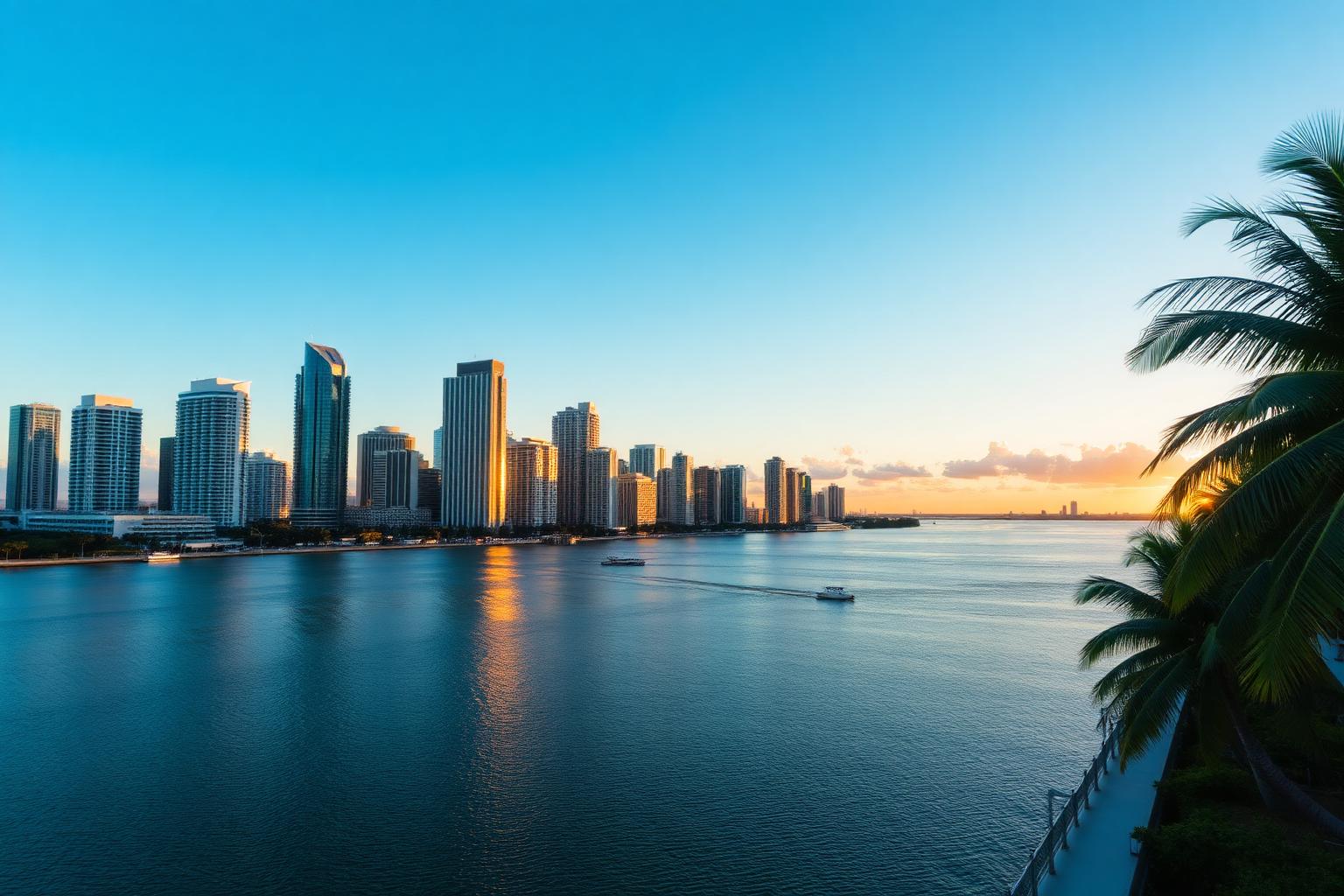
Miami-Dade County is home to roughly 2.7 million residents inside a tri-county South Florida metro of about 6.1 million — the largest market in the state. The economy is unusually international for the Southeast: PortMiami and the cruise and cargo trade around it, Miami International Airport and the logistics layer feeding Latin American trade, a dense banking and private-wealth sector in Brickell, health systems including Jackson Health and Baptist Health, a large hospitality and tourism base across Miami Beach and Downtown, and a construction and home services economy running continuously on dense older housing stock plus new inventory in Doral, Kendall and Homestead.
In Miami, search, paid, social and site work install as a single connected program, not four separate vendor relationships. Two hurdles have to clear together here that most Florida markets never face at once: a genuine Spanish-language search audience most competitors ignore, and the densest, best-capitalised competitive field anywhere in the state.
One county, a dozen markets and two languages
The county reads clearly by neighborhood. Brickell and Downtown hold banking, private wealth and high-rise density where the buyer is often a building rather than a household. Coral Gables, Coconut Grove, Pinecrest and Palmetto Bay carry higher-value remodels and mature landscaping. Little Havana, Allapattah and Westchester hold dense older housing with constant repair demand. Kendall, Doral, Miami Lakes and Cutler Bay run family households with driveways, garages and pool decks. Hialeah is its own market with its own search behaviour, overwhelmingly Spanish-first. Miami Beach, Key Biscayne and Aventura add salt-exposure maintenance work nobody inland has to sell. Homestead and the south county carry newer inventory arriving with bare yards and builder-grade concrete.
Three forces govern everything. Language: a clear majority of Miami-Dade residents speak Spanish at home, so real search demand exists in Spanish for the same trade work — and most competitors never build for it. Weather: humid 90-degree heat from May into October makes air conditioning demand structural, daily afternoon thunderstorms drive roofing and drainage, hurricane season runs June 1 to November 30 and peaks August through October, and fall king tides add flooding and drainage work on their own schedule. Code: Miami-Dade sits inside the High-Velocity Hurricane Zone, the strictest wind-load regime in the country, written into the building code after Hurricane Andrew — so fences, shutters, windows and roof assemblies need approved products and permits, which raises tickets and lengthens decisions.
Ranking Brickell and Hialeah as two different search markets
Local search results are dominated by proximity to the searcher, and in a county this dense that decides who ranks where. Our SEO services in Miami build Google Business Profile authority and review velocity first, then a real page layer: Brickell, Little Havana, Coral Gables, Coconut Grove, Kendall, Westchester, Doral, Hialeah, Miami Lakes, Pinecrest, Palmetto Bay, Cutler Bay, Homestead, Aventura, Miami Beach and Key Biscayne — plus service-plus-trade pages, in English and Spanish, for the specific searches homeowners actually type.
Bidding the state's priciest auction by ZIP and by hour
Paid search in Miami costs more than anywhere else in Florida, which makes waste the only real risk. Our PPC management in Miami targets crew territories by ZIP instead of one citywide radius, bids hard on genuinely urgent phrasing in the hours the phone is answered, runs bilingual copy where the auctions are cheaper, keeps hurricane campaigns built and paused for the days a system passes, and completes Local Services Ads verification so qualifying trades sit above the entire organic page at lead-based pricing.
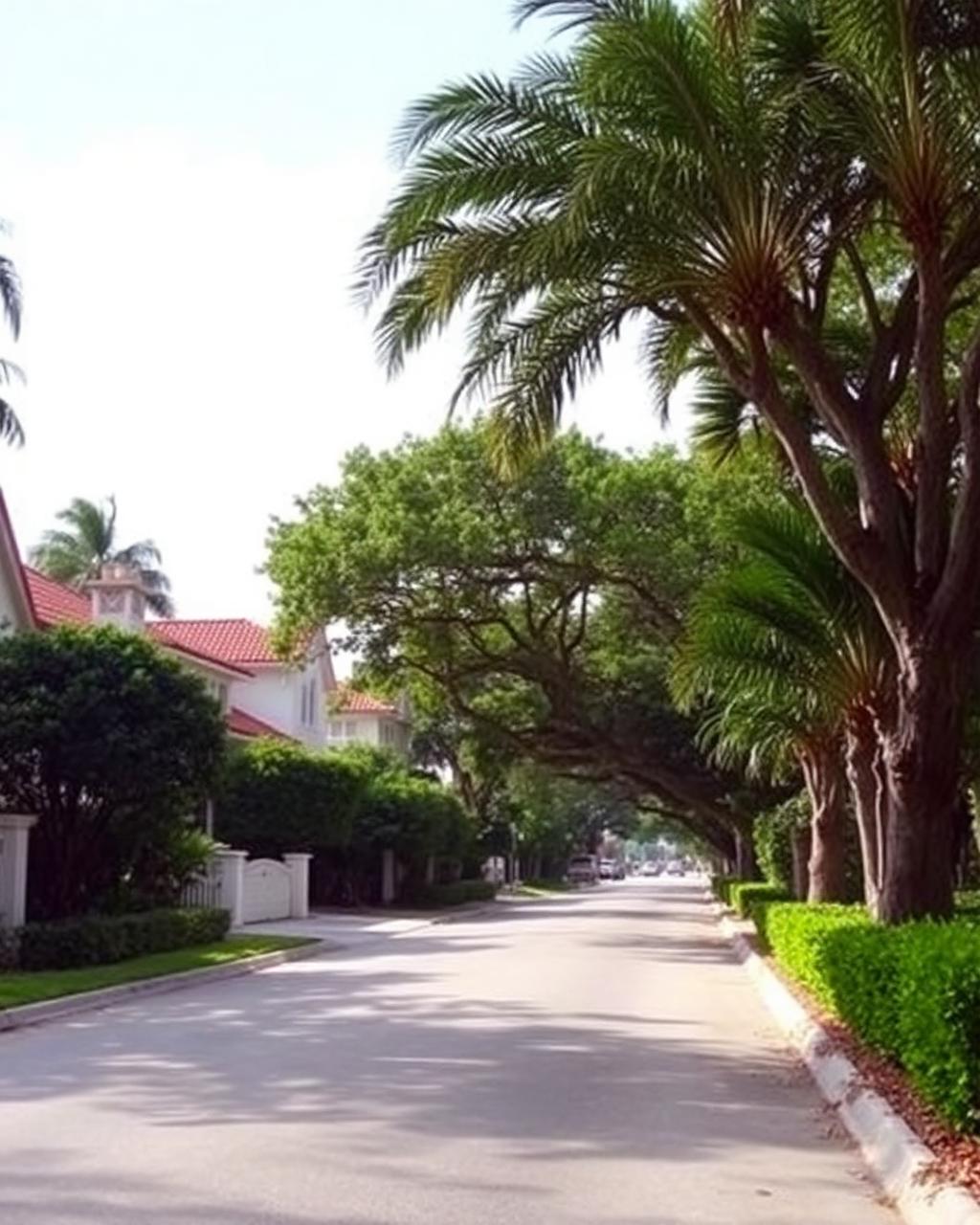
Reaching Coral Gables before a project is even a decision
Impact-rated fences, paver driveways, epoxy garage floors, pool deck resurfacing, artificial turf and pre-failure system replacement have no search moment until the homeowner has already decided. Social advertising in Miami creates that decision — bilingual creative shot on your own job sites, aimed by neighborhood at Coral Gables, Pinecrest, Kendall, Doral and Palmetto Bay households, at a fraction of what an emergency search click costs in this county.
A bilingual site built for permit-literate buyers
We build sites as conversion infrastructure — fast on cellular, click-to-call in a fixed header, genuinely bilingual, separate paths for emergencies and planned projects, proof from recognisable Miami neighborhoods, licence, permit and product-approval detail visible — and structured with LocalBusiness, Service and FAQ schema plus explicit geography so AI answer engines can cite the business by name.
What four channels running together buy in this county
Neighborhood-by-neighborhood organic holds the page layer day after day without a renewal date. Paid search steps in for the storm week, the heat wave and the 10pm plumbing failure that a ranking simply cannot flex around fast enough. Social finds households who never type a service term into Google and fills in the dry-season calendar. The site itself is what turns all of that traffic into a booked job and what an AI answer engine actually reads before naming a business. Purchased as four separate Miami-priced contracts, each leaves a gap and pays top rate; run together as one plan, each channel starts making the next one cheaper.
One team runs the whole Miami program against a single shared record of what actually produced the job.
Telling Coral Gables' strength apart from Homestead's need
Attribution matters more here because coverage is uneven by design and a countywide average lies. We track qualified inbound calls and forms by channel and by neighborhood, cost per qualified inbound, and which page produced it — so it's visible that Coral Gables organic is carrying itself while Homestead still needs paid support, rather than one blended figure that flatters one and hides the other.
That kind of visibility is what lets money move on purpose rather than by habit. In a storm week, emergency paid spend earns its keep while planned-project social sits idle; in a calm February the two switch places. Dollars rotate between channels as those windows open and close, a decision a single-channel vendor has no incentive to make, since pulling money out of their line item pulls it straight off their own invoice.
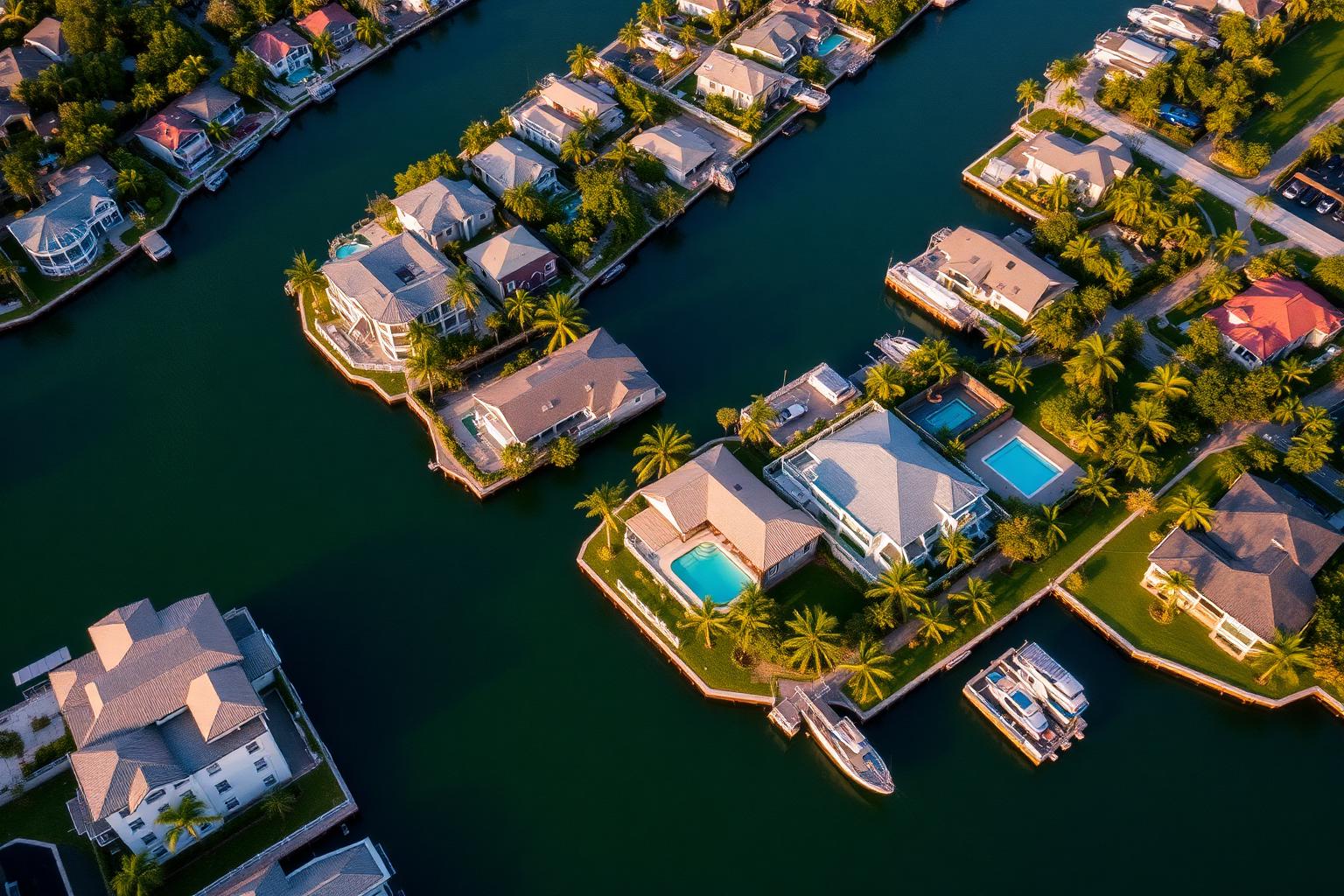
The four services Extentus runs in Miami
- Search Engine Optimization
- The channel you own — map-pack rankings, reviews and service-area pages that keep producing after the work is done.
- Google Advertising
- The channel with a volume dial — paid search and Local Services Ads tuned to the hours demand actually spikes.
- Social Advertising
- The channel that builds the pipeline — demand created in homeowners before they ever search.
- Web Design
- Where the other three cash out — fast, mobile-first pages built to convert visits into booked jobs.
Install all four in Miami
One framework, one accountable record: qualified inbound by channel and by Miami district, cost per qualified inbound, and the exact pages responsible.
Miami marketing questions, answered
Yes. Miami-Dade holds roughly 2.7 million people and local search results favor the closest relevant business, so a citywide page and a citywide ad radius perform near your shop and nowhere else. Brickell, Hialeah, Coral Gables, Kendall, Doral, Palmetto Bay and Homestead behave as separate markets with separate winners, separate price expectations and, in places like Hialeah, a Spanish-first search habit. We build and bid them separately.
It is the hardest market in the state. National franchises, private-equity-backed home service roll-ups, lead resellers with modelled bidding and an unusually dense local agency population all work these ZIP codes, and trade click prices sit at the top of Florida's range because of it. The practical route in is the neighborhood layer plus Spanish-language demand, where competition thins out and the searcher has already told you where the job is.
More than most owners expect. Miami-Dade sits inside the High-Velocity Hurricane Zone, the strictest wind-load regime in the country, so fences, shutters, impact windows and roof assemblies require approved products and permits. Homeowners search for compliance as well as price, tickets are higher, and decisions take longer. Pages and ad copy that speak plainly about permits, inspections and approved assemblies convert better here — and those phrases are comparatively cheap because national advertisers ignore them.