Ready to advertise in St. George?
Call now — 385-985-0003St. George · Google Ads
Google advertising in St. George: a desert city that breaks by heat and by growth, not by mileage
A vacation rental host in Bloomington is watching a booking calendar melt down because the AC quit during a July heat wave and guests arrive Friday, and the fix has to happen today, not this week. A few miles east, a homebuilder finishing a house in Little Valley is scheduling an HVAC install on a construction timeline that has nothing to do with the temperature outside. Draw one Google Ads radius over St. George and it treats both searches the same, when one is a same-day emergency triggered by 105-degree heat and the other is a scheduled install tied to a framing crew's punch list. A red-rock desert city adding residents faster than almost anywhere in the country doesn't share an urgency, a housing age, or a search intent, and a Google Ads account has to bid like it knows the difference.
The short answer
Google advertising in St. George means paid search and Local Services Ads bid the older core near Downtown, Bloomington and Dixie Downs separately from the fast-growing new-construction corridor through Little Valley and Washington Fields, because a single citywide campaign blends a same-day AC failure during a 105-degree week with a scheduled new-build install and can't route either lead to the crew priced for that job. Extentus verifies trade licensing, weights spend toward the June-through-September cooling emergency window, and reports in booked jobs rather than clicks.
Beat 01 · A radius that ignores the thermometer
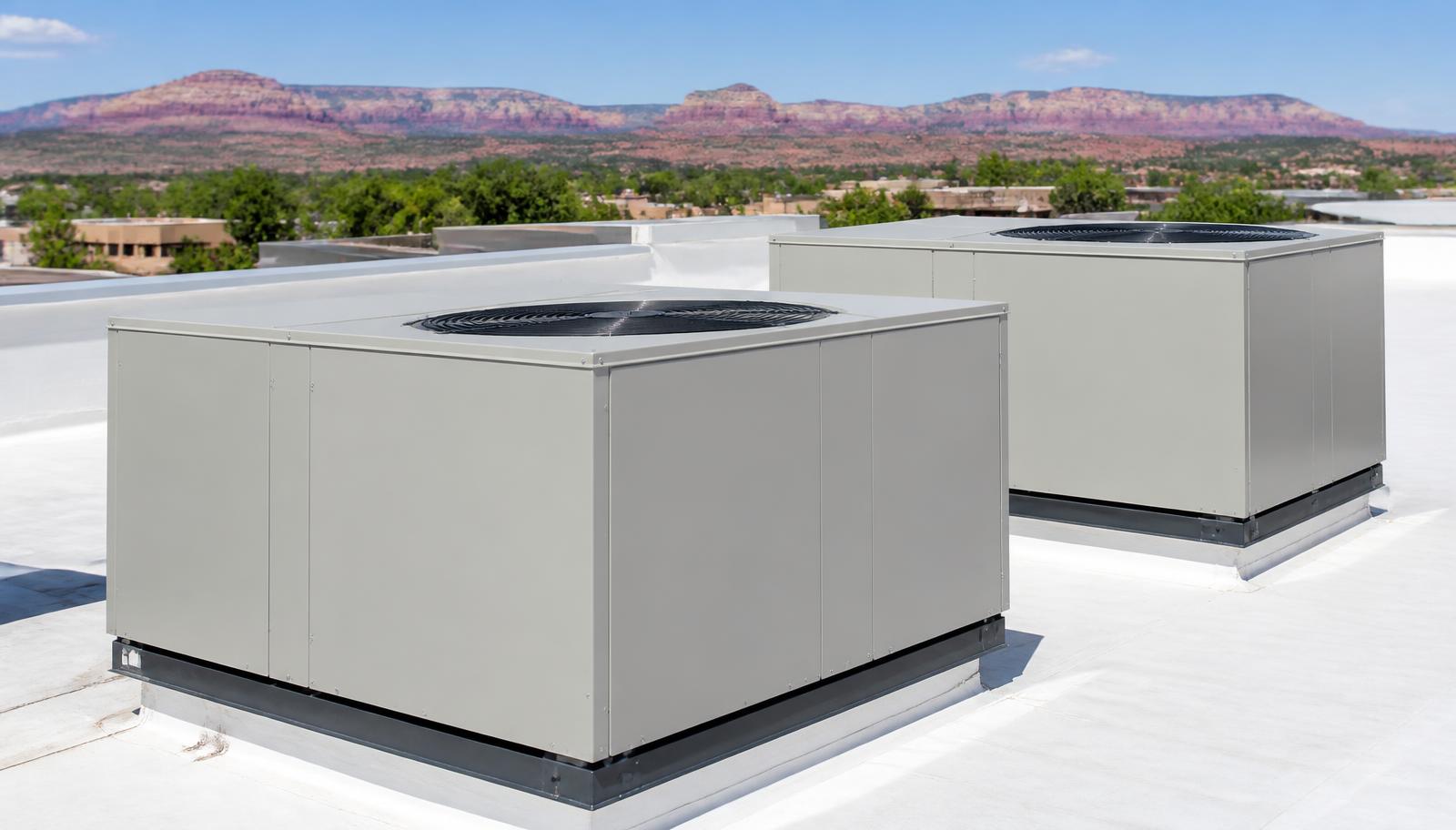
A circle over St. George treats a dead AC unit in July and a new-build install in Little Valley as the same lead.
Most Google Ads accounts default to a mileage radius drawn from a business address, and that shortcut assumes every home inside it needs the same thing on the same timeline. St. George breaks that assumption every summer: from June through September, triple-digit heat turns a failed AC unit into an emergency measured in hours, not days, for homeowners in Bloomington, Dixie Downs and Middleton, while a standard radius also sweeps in brand-new subdivisions in Little Valley and Washington Fields, where systems are under warranty and a builder is scheduling install dates weeks out.
A retiree in Sunbrook whose unit dies at 6pm on a 108-degree day and a homebuilder finishing a Washington Fields punch-list install are not shopping the same contractor list, and neither belongs in the same ad group as a Bloomington short-term rental host scrambling to keep a Zion-bound guest's stay from turning into a refund. One blended campaign treats a desert-summer emergency, a scheduled new-construction job, and a vacation-rental turnover call the same, and none of them are.
The setting compounds this: red rock desert heat, hard water that scales water heaters faster than softer regions, and a fast-growing Washington County population pushing past 200,000 mean a radius that ignores where the heat, the growth, and the retirees actually sit also ignores where the service calls show up first.
Beat 02 · The shift: from a circle to heat-and-growth clusters
Downtown's older AC units and the Little Valley build-out don't share a buying pattern.
The fix replaces the radius with campaigns built around how St. George actually breaks apart. Core-city campaigns targeting Downtown St. George, Bloomington, Bloomington Hills, Dixie Downs, Green Valley, Middleton, Tonaquint, Sunbrook, Entrada, Red Cliffs, Foremaster Ridge, Shadow Mountain, Cottonwood Cove and Millcreek carry copy built around same-day AC emergencies, hard-water repair and short-term rental turnover, since heat and older housing stock drive service calls nothing in the growth ring matches.
Growth-corridor campaigns for Little Valley, Washington Fields, Desert Hills, Fort Pierce, Washington, Santa Clara and Ivins each carry their own copy, since new-construction demand for HVAC installs, block walls, concrete and drip-irrigation systems behaves like a genuinely different market than a 20-year-old AC unit failing mid-August.
Seasonal intent gets its own weighting: summer campaigns lean hard on emergency, same-day AC repair language across the whole metro, since June through September is when the phone actually rings, while shoulder-season spend shifts toward maintenance, new install and short-term rental prep work, since St. George doesn't get a winter furnace spike the way northern Utah does.

Beat 03 · The mechanism: verified leads routed by cluster and calendar, not by distance
A dead AC unit in Bloomington tonight and a scheduled install in Little Valley next week both need the right lead, not a wasted click.
St. George's older, heat-exposed neighborhoods push most jobs toward emergency AC repair, hard-water fixture replacement and rental-turnover work, while the growth corridor pushes jobs toward new-construction HVAC installs, block wall construction and concrete driveways, and a failed unit in a Green Valley home during a 105-degree week is a different call than a scheduled install in a newer Washington Fields subdivision twenty minutes away. Google-screened Local Services Ads bill per verified lead rather than per click, which matters when summer AC calls can spike hard downtown while staying flat in a brand-new subdivision still under builder warranty.
Extentus verifies contractor licensing and insurance before spend goes live, then routes leads by cluster and calendar rather than raw distance, so a crew based in Bloomington isn't paying for calls from a Little Valley new-build job priced for a different budget, and a Washington Fields-focused contractor isn't burning spend on downtown leads that need an emergency same-day pitch.
Ad copy matches the cluster: same-day emergency language for the heat-exposed core, new-construction and installation language for Little Valley and Washington Fields, and short-term-rental-specific copy for owners managing Zion-adjacent properties, so whoever clicks lands on a message that already fits their property, their season, and their price point.
Beat 04 · The number behind the surge
Washington County is pushing past 200,000 residents, and that growth curve sets the demand.
That county-wide growth means a large share of the area's new-construction budget sits outside St. George's older core, spread across Little Valley, Washington Fields, Washington and Hurricane, where new subdivisions keep pushing the county's edge outward. That growth feeds a predictable pattern: same-day AC failure calls spike hardest across Downtown, Bloomington and Dixie Downs during the hottest weeks of June through September, new-construction HVAC, block wall and concrete searches cluster in the fast-growing build-out year-round, and short-term rental and second-home owners drive a steady stream of maintenance and emergency calls tied to guest turnover rather than weather alone.
Beat 05 · The contrast: paid wins tonight's emergency, organic wins the county
A page ranking on St. George's master-framework hub keeps working long after a July campaign pauses.
Paid search and Local Services Ads are built for right-now demand — the dead AC unit in Bloomington during the hottest stretch of August, the vacation rental in Entrada with guests arriving in hours — but the moment spend stops, so does the traffic. A well-built page on the St. George Master Framework page keeps surfacing for searches from Hurricane or Ivins months later without another dollar spent, because it already answers the question a homeowner or property manager is typing.
That contrast matters more in a city split between a heat-exposed older core and a fast-growing new-construction corridor, where a wasted click can mean bidding on a Little Valley job a downtown-based crew was never priced or staffed to reach. Pairing paid campaigns with organic content that ranks for cluster-specific searches keeps paid budget focused on true emergencies while organic content absorbs the researching, comparison-shopping searches from Santa Clara and Washington that don't need to be won at auction price.
Google Advertising is one of four. The St. George Master Framework page makes the case for running all four together, and what running only one costs a St. George service business.
Where we run google ads in St. George
Google Advertising for service businesses across St. George and Washington County, plus the satellite towns crews already drive to. Every district below is targeted by name in campaigns, pages and profile service areas — not folded into a single city radius.
- St. George districts
- Downtown St. George · Bloomington · Bloomington Hills · Bloomington Ranches · Dixie Downs · Green Valley · Little Valley · Washington Fields · Middleton · Tonaquint · Sunbrook · Entrada · Red Cliffs · Foremaster Ridge · Desert Hills · Fort Pierce · Shadow Mountain · Cottonwood Cove · Millcreek · Santa Clara Heights
- Beyond the county line
- Washington · Santa Clara · Ivins · Hurricane · La Verkin · Toquerville · Leeds · Springdale · Rockville · Virgin · Diamond Valley · Dammeron Valley · Veyo · Central · New Harmony · Enterprise · Hildale · Apple Valley · Cedar City · Mesquite NV · Washington County · Dixie · Zion National Park corridor · I-15 corridor
- ZIP codes covered
- 84770 · 84771 · 84790 · 84791 · 84780 · 84765 · 84738 · 84737 · 84745 · 84746 · 84782 · 84783 · 84767 · 84722 · 84733 · 84781 · 84784 · 84774 · 84720 · 84721
Beat 06 · A city that rewards bidding by calendar and by cluster, not by boundary
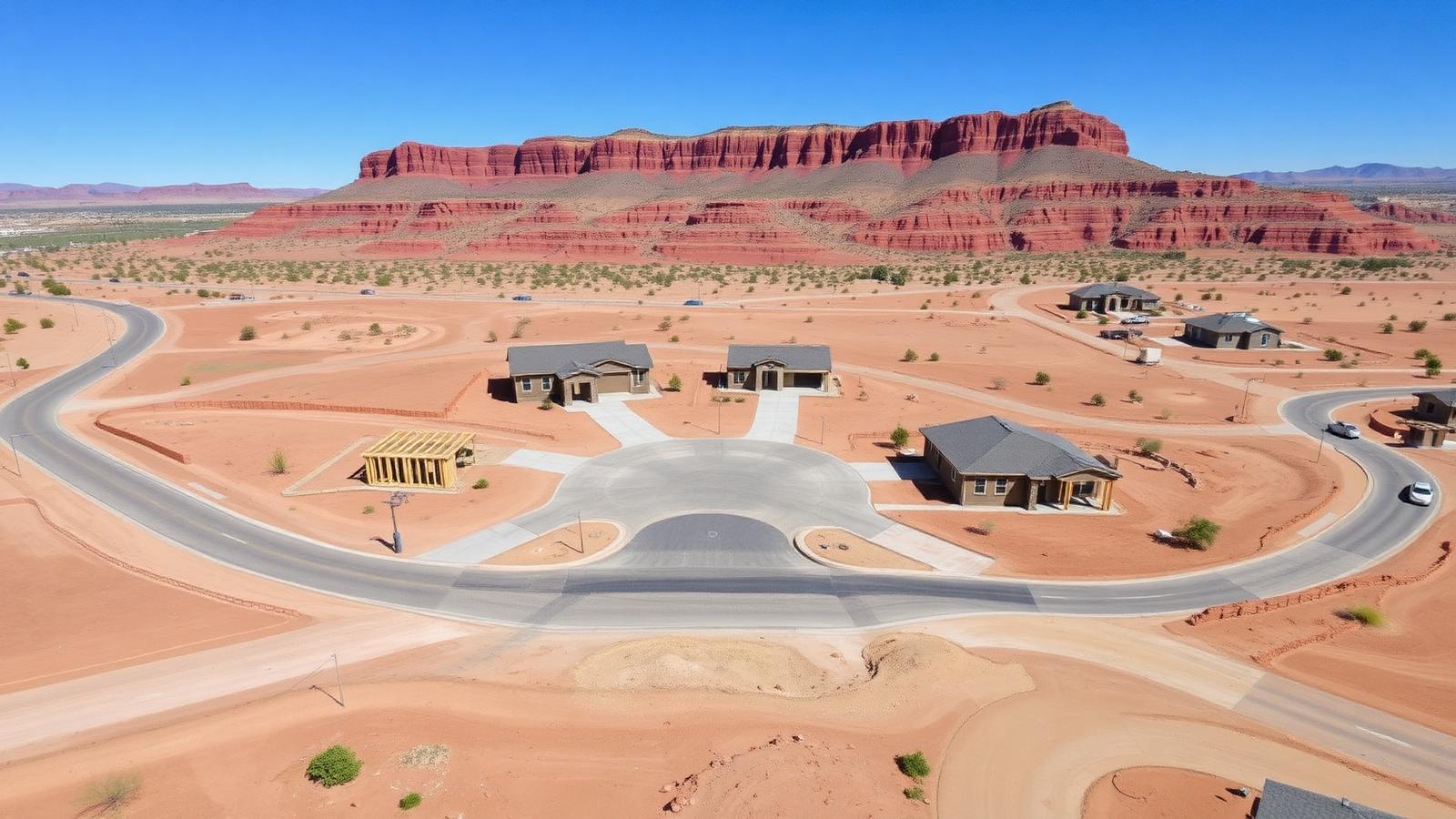
St. George's account should mirror the city itself: a heat-exposed core, a growth corridor, and a summer demand spike.
The checkable local reality, as laid out on the St. George Master Framework page: the city sits in the red rock desert of Washington County near Zion National Park, its older neighborhoods like Bloomington and Dixie Downs run AC units hard through a June-to-September heat window, and Little Valley and Washington Fields keep pushing new construction outward as retirees and second-home buyers arrive from California, Nevada and Las Vegas.
Extentus bids St. George's heat-exposed core, the Little Valley and Washington Fields growth corridor, and the surrounding Washington County towns as separate markets, splits HVAC, plumbing, block wall, concrete and epoxy flooring campaigns onto a calendar built around the actual desert heat cycle, verifies every contractor before spend goes live, and reports what each lead actually cost per booked job rather than per click.
Google Ads in St. George — questions, answered
A standard radius blends St. George's older, heat-exposed neighborhoods, like Bloomington and Dixie Downs, where same-day AC emergencies drive most calls, with the Little Valley and Washington Fields growth corridor, where homes are newer and buyers are working off a builder's install schedule. Campaigns split by cluster avoid pairing an urgent 105-degree emergency with a lead priced for the wrong budget.
Triple-digit temperatures from June through September make AC failure the dominant emergency search in St. George, unlike northern Utah cities where furnace and frozen-pipe searches split the year in half. Campaigns weighted toward that summer cooling window capture demand a generic year-round HVAC campaign misses.
With Zion National Park tourism driving a large short-term rental and second-home market in areas like Bloomington and Entrada, property managers need same-day HVAC and plumbing fixes before guest check-in, not a routine appointment next week. Ad copy built around that turnover urgency converts differently than copy aimed at owner-occupied homes.
The rest of the St. George set
- SEO
Search Engine Optimization in St. George
The channel that keeps producing calls in a market where summer cooling failures, not winter heating emergencies, drive the service calendar, hard well and municipal water leaves mineral scale on every fixture, and Little Valley and Washington Fields keep adding new rooftops every month. A Google Business Profile built around triple-digit AC emergencies, block wall privacy fencing and new-construction concrete and epoxy work, neighborhood pages for Downtown St. George, Bloomington, Bloomington Hills, Dixie Downs, Green Valley, Little Valley, Washington Fields, Middleton, Tonaquint, Sunbrook, Entrada, Red Cliffs, Foremaster Ridge, Desert Hills, Fort Pierce, Shadow Mountain, Cottonwood Cove, Millcreek, Santa Clara Heights and Bloomington Ranches, plus reach into Washington, Santa Clara, Ivins, Hurricane, La Verkin, Toquerville, Leeds, Springdale, Diamond Valley, Dammeron Valley, Veyo, Central, New Harmony, Enterprise, Cedar City and Mesquite, and enough locally specific, review-backed proof to outrank national franchises that have never worked a Little Valley new-build or a Bloomington retiree's block wall.
Open page - Social Ads
Social Advertising in St. George
The St. George channel built for an older, retiree- and second-home-heavy market: Facebook and Instagram campaigns pulled from real local job sites and aimed neighborhood by neighborhood across Bloomington, Bloomington Hills, Green Valley, Little Valley, Washington Fields, Dixie Downs, Middleton, Tonaquint, Sunbrook, Entrada, Red Cliffs, Foremaster Ridge, Desert Hills, Fort Pierce, Shadow Mountain, Cottonwood Cove, Millcreek and Downtown St. George, plus Washington, Santa Clara, Ivins, Hurricane, La Verkin, Toquerville, Leeds, Springdale, Cedar City and Mesquite.
Open page - Web Design
Web Design in St. George
Sites built for a Washington County market that runs from Downtown St. George, Bloomington, Bloomington Hills, Green Valley, Little Valley, Washington Fields, Dixie Downs, Middleton, Tonaquint, Sunbrook, Entrada, Red Cliffs, Foremaster Ridge, Desert Hills, Fort Pierce, Shadow Mountain, Cottonwood Cove, and Millcreek out through Washington, Santa Clara, Ivins, Hurricane, La Verkin, Toquerville, Leeds, Springdale, Cedar City, and Mesquite: large type, obvious tap-to-call, plain-language pricing, and a visible human name — built for a retirement- and second-home-driven audience judging a crew before ever meeting one in person.
Open page - All four — recommended
The Master Framework in St. George
All four channels, installed together for a red rock metro that has crossed 200,000 residents and keeps growing, where retirement migration from California, Nevada and Las Vegas means word-of-mouth and community trust carry more weight than in a younger search-first market, triple-digit summers drive cooling-dominant demand with no freeze-thaw season to speak of, and new construction concentrates hard in Little Valley and Washington Fields while Zion National Park tourism keeps a steady flow of visitors and vacation-rental turnover moving through Bloomington and Green Valley. One strategy across SEO, Google advertising, social advertising and web design, tuned to St. George's neighborhoods and Washington County's map, with one accountable number.
Open page