Ready to advertise on social in Austin?
Call now — 385-985-0003Austin Social Advertising · Travis County
Social Advertising in Austin: creating the demand nobody in Central Texas is searching for yet
Nobody types "epoxy garage floor" until they have already decided they want one. Half of Austin's highest-margin work — patios, shade structures, fencing, turf, garage coatings, remodels — has no search moment at all. Social advertising is where that decision gets made.
The short answer
Social advertising in Austin means paid Meta, Instagram and TikTok campaigns that create demand for elective home improvement work — epoxy garage floors, stamped patios and pool decks, pergolas and shade structures, cedar fencing, artificial turf and xeriscaping, kitchen and bath remodels — targeted by neighborhood and suburb across Travis, Williamson and Hays counties. Extentus shoots creative on your own job sites, retargets site and search traffic, and reports qualified inbound rather than reach.
The July scroll (1 of 6)
A Round Rock homeowner is scrolling on the sofa in July, and their garage is 115 degrees.
They are not searching for anything. They have been half-annoyed by the same three things for two years: a garage floor that sheds concrete dust onto everything, a back patio with no shade that is unusable from May to October, and a dying lawn they keep watering under restrictions. None of it is urgent. None of it will ever generate a search on its own.
Then a fifteen-second clip appears in their feed: a Central Texas garage, the same builder-grade slab they own, ground down and coated in a single day. Or a bare concrete pad turning into a shaded outdoor room. Or a dead lawn becoming drought-tolerant landscaping that does not need a sprinkler cycle. That is the moment the project becomes real — and it happened months before any search would have.
That is the entire job of social advertising in Austin: converting a deferred annoyance into a scheduled project, on your terms and at your price rather than in a three-bid race.
Why the backlog is bigger here (2 of 6)
Austin's housing stock and climate produce an unusually large elective backlog.
Two things stack here. First, a decade of construction filled Round Rock, Cedar Park, Leander, Pflugerville, Hutto, Georgetown, Kyle and Buda with houses that were delivered to builder standard: a plain concrete pad out back, a bare garage slab, a builder-grade wood fence, sod that was never going to survive a Texas August. Those houses are now five to twenty years old and owned by people with equity and a list.
Second, the climate makes outdoor living an actual infrastructure decision rather than a nicety. Shade is not decoration in a city with weeks of triple-digit afternoons; it is what makes a back yard usable half the year. Water restrictions and drought cycles have pushed turf, xeriscaping and hardscape from aesthetic choices into practical ones. Garages bake, which is why coatings, insulation and ventilation sell here in a way they do not in mild markets.
The audience is also unusually reachable. Austin skews young for a major metro, is heavily online, and has an enormous cohort of recent arrivals actively figuring out how a Texas house is supposed to work. They are receptive to being shown — and they are visual buyers who will judge a contractor by whether the work looks good in a fifteen-second clip.
But they are ad-literate to the point of immunity. Stock photography, generic before-and-afters and stiff corporate voiceovers get scrolled past here faster than in almost any market. What works is recognisably local and recognisably real: a limestone-clad house on a street that looks like their street, an oak-shaded back yard, a crew working in obvious heat.
The creative build (3 of 6)
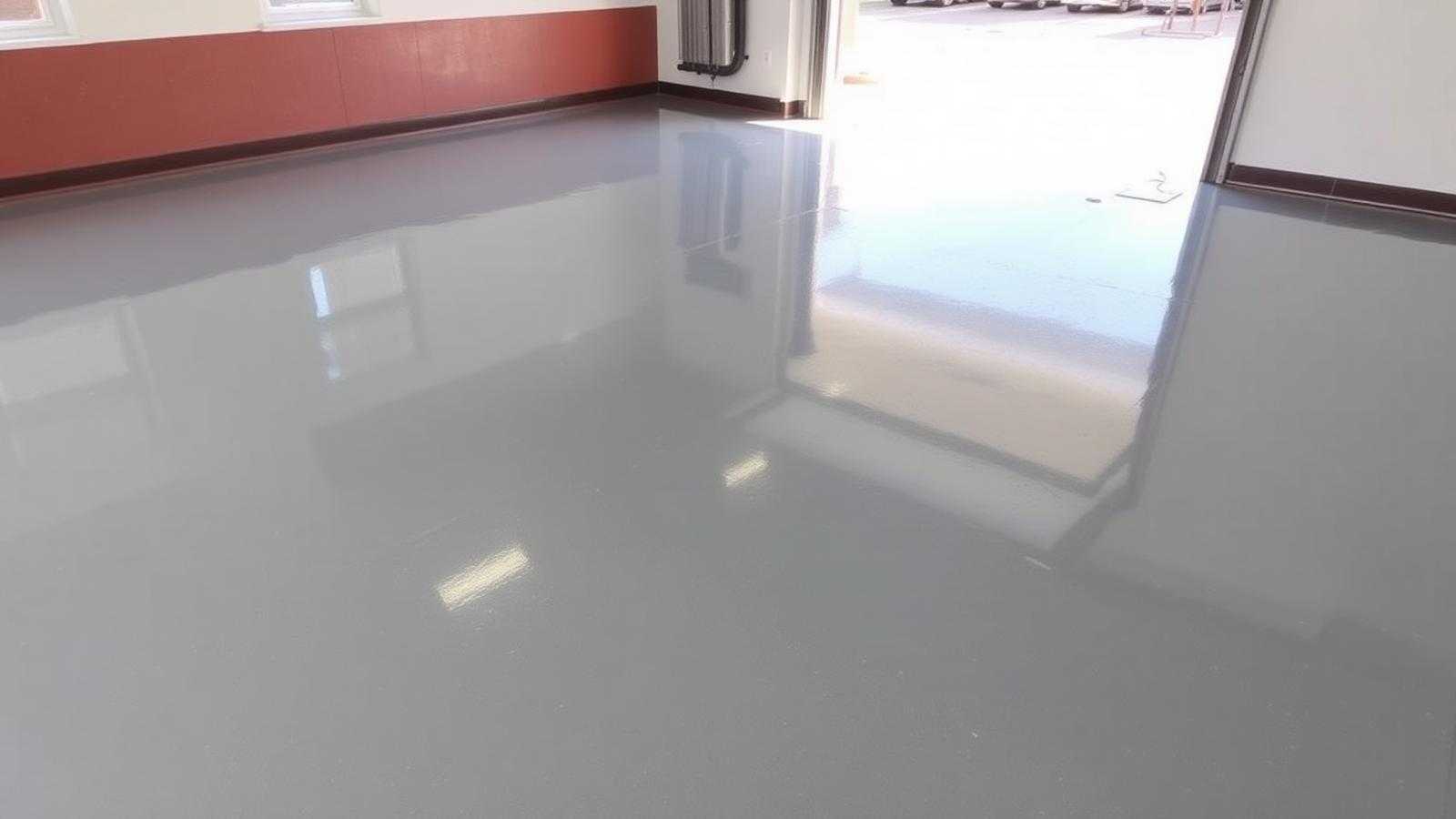
The build order: local footage, housing-matched audiences, seasonal offers.
Creative first, because in social the creative is the targeting. We shoot on your job sites across the metro — a Pflugerville garage coating from grind to finish, a stamped patio pour in Kyle, a cedar fence line going up in Round Rock, a turf and hardscape conversion in South Austin — and cut it into vertical clips built for sound-off viewing: the problem in the first second, the transformation by the fifth, the finished result held long enough to be believed. No stock footage, no rendered mock-ups, no text-heavy graphics.
Then audiences. Cold prospecting targeted by neighborhood and suburb where the housing age and type match the service — no point advertising garage coatings into apartment-dense corridors, or pool deck resurfacing into subdivisions that do not have pools. Layered on top: homeowner and life-event signals, recent-mover audiences that Austin produces in volume, lookalikes from your actual customer list, and retargeting of everyone who reached the site from search or Google Ads and did not call.
Then the offer structure. Elective work needs a reason to act now, and in Austin that reason is usually the calendar: coat the garage before August, get the shade structure up before cooling season, book the patio in the autumn window when the crew is available and the concrete cures in comfortable weather. Seasonal framing beats discounting, because discounting trains the market to wait.
Then measurement honest enough to act on. Reach, views and engagement are diagnostics. The reported number is qualified inbound — calls, forms and DMs from people who want work in your service area — and cost per qualified inbound by campaign and by suburb.
Why elective work pays better (4 of 6)
Elective work carries the margin, and social is the cheapest way to reach it.
Emergency work pays the bills and rarely pays well: it is priced under time pressure, competed against three other companies who can also come today, and it arrives through the most expensive clicks in your market. Elective work is the opposite. An epoxy garage floor, a stamped patio, a shade structure, a fence line replacement, a turf conversion — these are scheduled, planned, quoted without a competitor standing in the driveway, and margin-rich.
Social impressions in Austin cost a fraction of an emergency search click, because you are not competing with consolidators bidding on a homeowner in crisis. And the spillover is real: a homeowner who has seen your work three times in their feed clicks your organic listing and your paid ad at a higher rate when the emergency does arrive, which lowers the cost of both.
There is a scheduling benefit too. Austin's trade calendar is violently uneven — flat out in the heat, quiet in the shoulder months. Elective demand created deliberately in spring and autumn is what keeps crews working when nobody's condenser is failing.
What a feed scroll can't replace (5 of 6)
Only social sells the pergola nobody typed a query for.
Organic search only harvests demand that already exists; it cannot talk anyone into wanting a pergola. Paid search captures the emergency and is wasted on a homeowner with no problem yet. The website converts attention it did not generate. Social is the one channel that manufactures demand for the highest-margin work in the business.
It is also the worst channel to run alone. It creates interest and then hands it off — to a site that has to be credible, to a search listing the prospect will check before calling, to a phone that has to be answered. Run in isolation it produces reach and no bookings, which is precisely why so many Austin contractors have concluded social does not work. Run as one part of the framework, it is the demand engine underneath the other three.
Social Advertising is one of four. The Austin Master Framework page makes the case for running all four together, and what running only one costs a Austin service business.
Where we run social ads in Austin
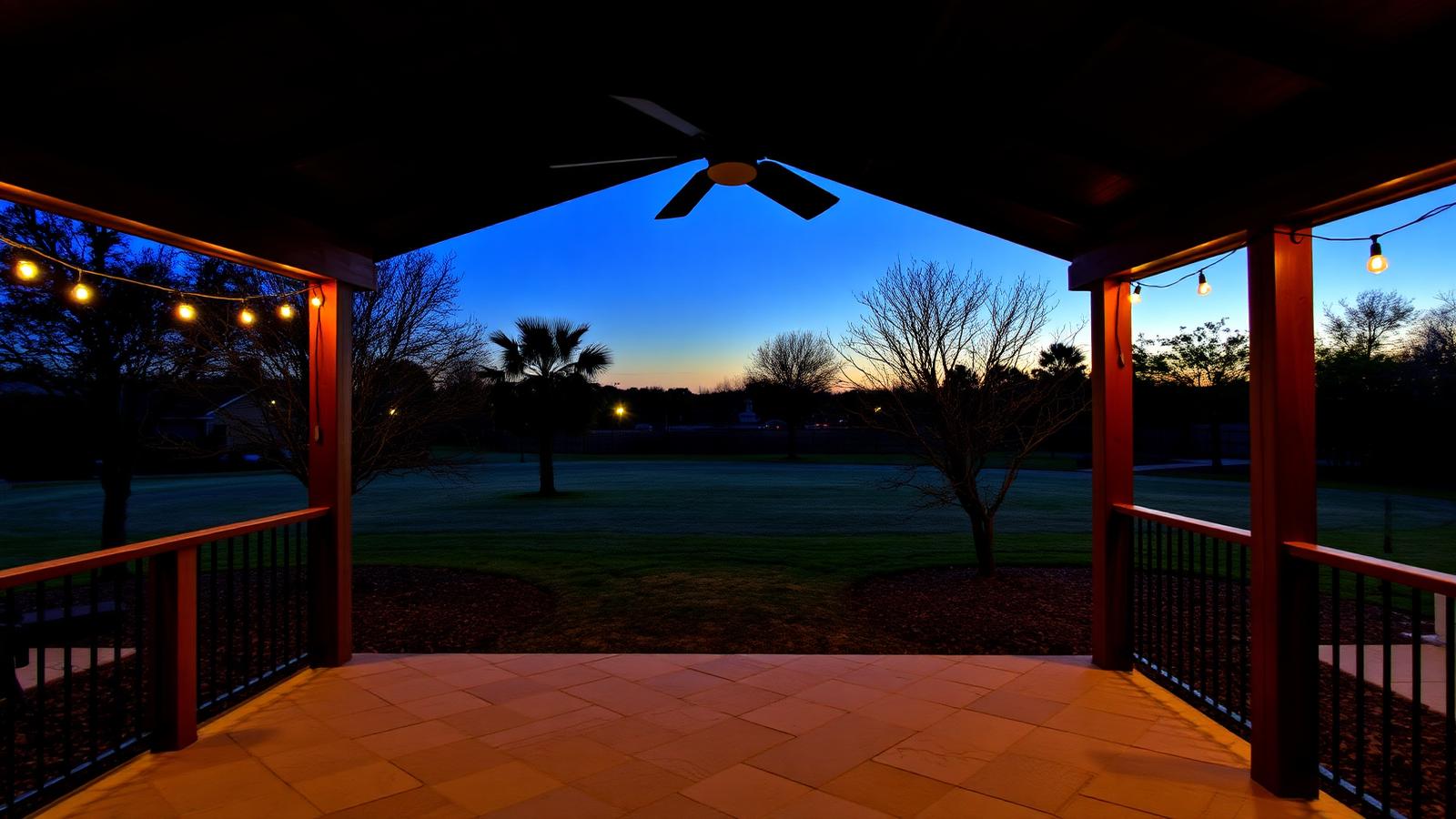
Social Advertising for service businesses across Austin and Travis County, plus the satellite towns crews already drive to. Every district below is targeted by name in campaigns, pages and profile service areas — not folded into a single city radius.
- Austin districts
- Downtown Austin · East Austin · South Congress · Zilker · Travis Heights · Hyde Park · Clarksville · Mueller · Rosedale · Crestview · North Loop · Circle C Ranch · Southpark Meadows · Westlake Hills · Barton Creek · Steiner Ranch · The Domain · Del Valle
- Beyond the county line
- Round Rock · Cedar Park · Leander · Pflugerville · Hutto · Georgetown · Kyle · Buda · Manor · Dripping Springs · Bee Cave · Lakeway · San Marcos · Travis County · Williamson County · Hays County
- ZIP codes covered
- 78701 · 78702 · 78703 · 78704 · 78705 · 78717 · 78722 · 78723 · 78724 · 78727 · 78731 · 78735 · 78739 · 78741 · 78745 · 78746 · 78748 · 78749 · 78750 · 78751 · 78752 · 78753 · 78756 · 78757 · 78758 · 78759

A young metro with a long project list (6 of 6)
A young, online metro with new houses and brutal summers.
Austin holds roughly 980,000 residents inside a metro of some 2.5 million, has been among the fastest-growing large metros in the country for more than a decade, and skews younger and more online than most Texas markets. The growth ring — Round Rock, Cedar Park, Leander, Pflugerville, Hutto, Georgetown, Kyle and Buda — is full of houses delivered to builder standard and now owned by people with a list of things they have been meaning to do.
The climate turns that list into projects. Long strings of triple-digit afternoons — 2023 reached 45 days at or above 105 degrees — make shade, garage coatings and usable outdoor space practical rather than decorative, and recurring drought and watering restrictions have made turf and xeriscape conversions a mainstream purchase rather than a niche one.
Extentus builds the creative on your own job sites, aims it at the neighborhoods where the housing matches the work, and reports what it booked — not what it reached.
Social Ads in Austin — questions, answered
For elective work, yes — and it is often the only channel that reaches it. Nobody searches for an epoxy garage floor, a pergola or a turf conversion until they have already decided they want one, so search cannot create that demand. Social can. It works badly for emergencies, where a homeowner with an 88-degree house is on Google, not Instagram. The practical answer for most Austin trades is social for the planned, high-margin work and paid search for the emergency work.
Real footage from your own Central Texas job sites, shot vertically for sound-off viewing: the problem in the first second, the transformation by the fifth, the finished result held long enough to be believed. Austin audiences are unusually ad-literate and scroll past stock imagery and corporate voiceover instantly. What lands is recognisably local — a limestone-clad house on a street that looks like theirs, an oak-shaded yard, a crew visibly working in real heat.
Against the trade calendar rather than evenly. Push elective campaigns hardest in the spring and autumn windows, when homeowners are thinking about making the yard usable before summer or finally booking the project after it, and when your crews have capacity because emergency demand has dropped. Use seasonal urgency rather than discounts — coat the garage before August, get shade up before cooling season, pour concrete while it cures in comfortable weather — and pull elective spend back during heat waves and freeze events when attention and crew capacity both go to emergencies.
The rest of the Austin set
- SEO
Search Engine Optimization in Austin
The channel you own. Google Business Profile, Travis County and suburban service-area pages and review velocity, built so Austin searches for your trade land on you instead of a national franchise buying its way into a market it does not live in.
Open page - Google Ads
Google Advertising in Austin
The channel you can turn up in an hour. Google Ads and Local Services Ads bid by Austin neighborhood, suburb and hour — heat waves, freeze events and hail weeks bought deliberately, with qualified calls as the only number that counts.
Open page - Web Design
Web Design in Austin
The multiplier. A fast, credible site with click-to-call, separate emergency and project paths, proof from Central Texas job sites, and the schema layer that lets Google and AI answer engines cite your business by name.
Open page - All four — recommended
The Master Framework in Austin
All four, installed together and reported as one. The argument the whole business rests on — localized to Austin's growth ring, its triple-digit summers, its freeze risk and the consolidator budgets bidding against you.
Open page