Myrtle Beach · Master Framework
The Myrtle Beach framework: four channels bought as one system, not four invoices.
SEO, Google advertising, social advertising and web design are sold separately and only work together. On a coast where demand triples in July, collapses in January and spikes for a week after every named storm, the compounding between them is the entire return.
The short answer
The Extentus Master Framework installs all four channels as one system for a Myrtle Beach, South Carolina business. The website sets the conversion rate every other channel is multiplied by, and here it also has to convince a non-local owner with no one to ask. Google advertising buys presence in the urgent hours — a failed system in a full rental in July, a fence flattened in September. SEO takes those same expensive terms permanently across Myrtle Beach, North Myrtle Beach, Surfside Beach, Garden City, Murrells Inlet, Carolina Forest, Socastee, Conway and Little River. Social advertising reaches new movers, second-home buyers, rental investors and snowbird residents before anything breaks. One team, one number set, and budget moved between channels around the season instead of split evenly across twelve months.
Beat 01 · Four line items, one machine
Bought separately, these four channels quietly work against each other.
A search vendor, an ads vendor, a social vendor and a web developer each optimize their own report. The ads vendor sends traffic to a page the developer built for looks. The search vendor writes content the ads vendor never uses. The social vendor posts to people who already follow you. All four claim the same signed job.
Installed as one system, the order reverses. The site is built to convert an out-of-state owner on a phone, the ads point at pages written for their exact search, the organic layer inherits the same structure, and social carries the retargeting for all of it.
The compounding is the product. Each channel makes the next one cheaper — which is exactly what four separate invoices cannot produce.
Beat 02 · The shift: a beach calendar, not twelve equal months
Grand Strand demand arrives in waves, and budget should move with them.
This is a tourism and vacation-property economy at sea level on the Atlantic. January and February are quiet on the beach but are the prime window for project work in empty second homes. Spring brings golf traffic and pre-season punch lists. June through August is peak occupancy: emergencies only inside rentals, maximum cooling load, highest click prices. Late August through November carries real hurricane and nor'easter exposure, and every named storm produces days of fence, roof, tree, dock and generator demand. Then snowbird residents arrive and work through a list.
Spreading budget evenly across that curve underspends every peak and overspends every trough. We stage campaigns before each wave and shift spend into whichever channel is winning during it.
Ownership adds a second rhythm inland markets do not have. A large share of the housing is short-term rentals and second homes, so much of the work has to fit a Saturday-to-Saturday turnover or the empty weeks of winter, and much of the buying happens at night from another state.

Beat 03 · Mechanism: install in order, measure in one place
Site, paid, organic, social — each handing off to the next.
The website goes first, because it is the multiplier and because on this coast it is also the reference check. Fast on summer cellular, coverage pages per beach town, published price bands, real coastal job photography, honest access and turnover language.
Paid search goes second, structured by beach town and Highway 17 drive time, with urgent and planned demand separated and a storm-response campaign built before hurricane season rather than during it.
Organic search goes third, taking the same expensive terms permanently with pages on salt-air corrosion, storm repair, sandy-soil concrete, epoxy coatings, dock and deck work and rental turnover. Social advertising goes fourth, reaching new movers in the inland subdivisions, out-of-state owners and fall arrivals, and retargeting everyone the other three touched.
One number set underneath all of it: qualified inbound by channel and by beach town, cost per qualified inbound, and the pages that earned it.
Beat 04 · The number
4
Four channels, one system, one team, one number. That is the whole argument — and on a coast with this much seasonality it is worth more than it is inland, because moving budget between channels is only rational if you can see all four at once.
Four vendors produce four reports that each claim the same job and none of which can tell you whether to spend February money on paid search or on publishing.
One installation, four channels, measured together.
Beat 05 · The contrast
Four vendors, four reports, one storm week nobody prepared for.
In that arrangement, the week after a September hurricane — the single highest-intent demand event on this coast — arrives with no storm campaign built, no page to send traffic to, no warm social audience and no agreement about whose budget pays for the response.
It also means January gets the same flat spend as July, when January is exactly when second-home owners want project work done and clicks cost a fraction of peak-season prices.
Coordination is not an administrative preference here. It is where the return comes from.
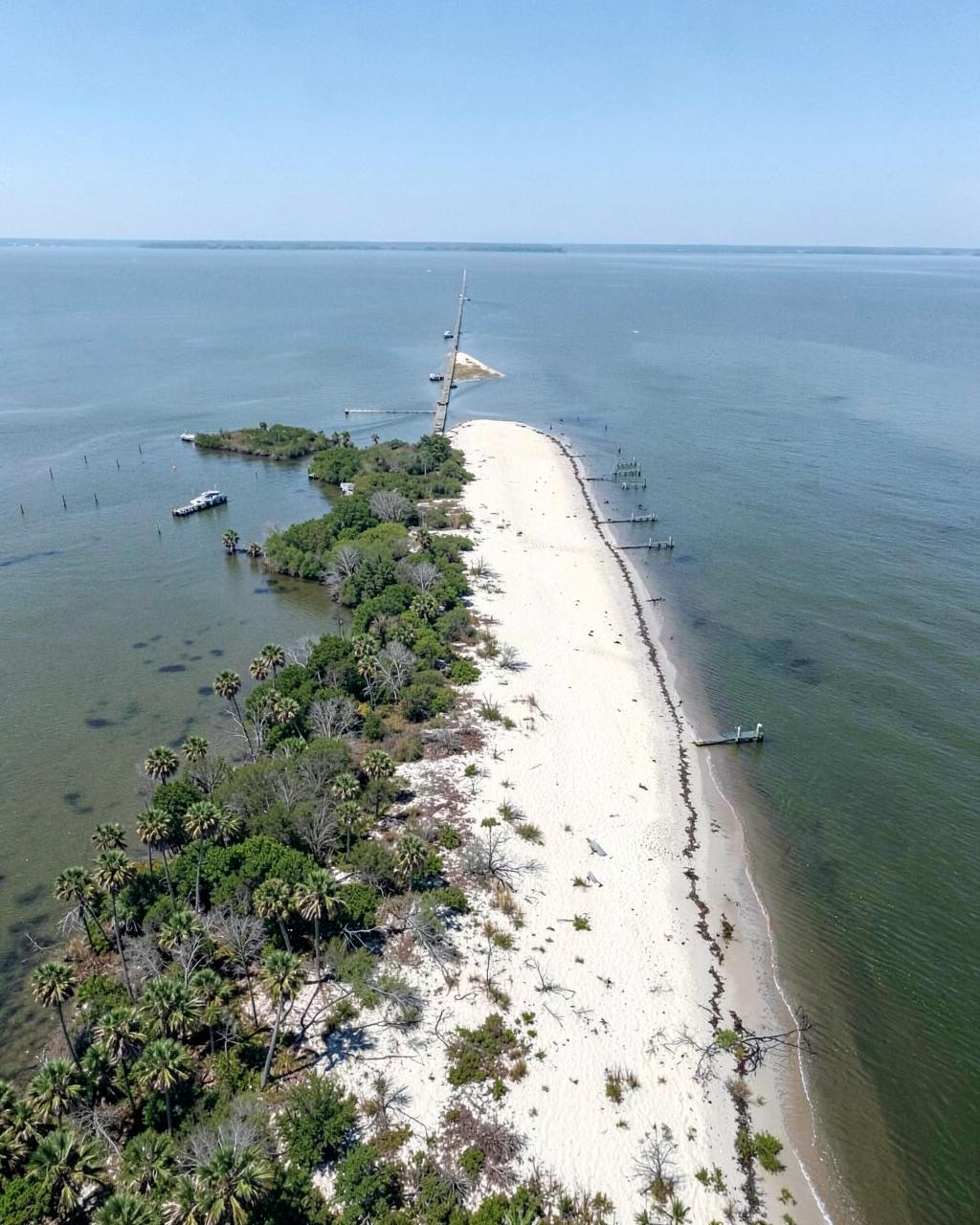
Where we run master framework in Myrtle Beach
Master Framework for service businesses across Myrtle Beach and Horry County, plus the satellite towns crews already drive to. Every district below is targeted by name in campaigns, pages and profile service areas — not folded into a single city radius.
- Myrtle Beach districts
- Downtown Myrtle Beach · Oceanfront boulevard · Market Common · Withers Swash · Grande Dunes · Dunes Club · Pine Lakes · Carolina Forest · Forestbrook · Socastee · Myrtlewood · Arcadian Shores · Briarcliffe Acres · Cherry Grove · Ocean Drive · Crescent Beach · Windy Hill · Barefoot Landing area · Highway 17 Bypass corridor · Highway 17 Business corridor · Highway 501 corridor · Restaurant Row · Surfside Beach · Garden City Beach · Murrells Inlet waterfront
- Beyond the county line
- North Myrtle Beach · Surfside Beach · Garden City · Murrells Inlet · Litchfield Beach · Pawleys Island · Little River · Conway · Socastee · Carolina Forest · Forestbrook · Aynor · Loris · Longs · Red Hill · Briarcliffe Acres · Atlantic Beach · Horry County · Georgetown County · Brunswick County NC · the Grand Strand · Waccamaw River · Intracoastal Waterway · Atlantic Ocean · Withers Swash · Murrells Inlet marsh · Highway 17 Bypass corridor · Highway 17 Business corridor · Highway 501 corridor · Highway 31 corridor · Highway 707 corridor · Myrtle Beach International Airport area · Waccamaw Neck · Lake Busbee area
- ZIP codes covered
- 29572 · 29575 · 29577 · 29579 · 29581 · 29582 · 29566 · 29568 · 29569 · 29526 · 29527 · 29588 · 29585 · 29576 · 29544 · 29511 · 29545 · 29597 · 29578 · 29587
Beat 06 · Local close
One Grand Strand plan, tracked to one checkable outcome.
Myrtle Beach is a beach-tourism and vacation-property market inside one of the fastest-growing metros in the Southeast: tens of thousands of housing units rented by the week, a large second-home population, snowbird winter residents, and a permanent population climbing every year. That produces demand that repeats seasonally and turns over faster than any full-time residential market — and rewards a business that is already standing when each wave arrives.
Extentus installs all four channels as one plan: the site that converts a non-local owner, paid search staged around occupancy and storms, organic search claiming the beach towns and the coastal vocabulary, and social reaching the arrivals and owners nobody else is talking to.
One team, one number set, one plan built for this coast — from Little River down to Murrells Inlet and inland to Conway.
Master Framework in Myrtle Beach — questions, answered
Because they multiply each other. The website sets the conversion rate every other channel is measured against, paid search buys the urgent hours immediately, organic search takes those same expensive terms permanently, and social advertising reaches buyers who are not searching yet. Four separate vendors optimize four separate reports and all claim the same signed job, which makes it impossible to know where the next dollar should go.
Substantially. Peak occupancy from June through August produces urgent, expensive, phone-driven demand. January and February produce cheap planned project demand from second-home owners with empty houses. Hurricane season adds short, extremely high-intent windows after any named storm. We move budget between channels around that curve instead of spending an identical amount every month.
Myrtle Beach including the oceanfront and Market Common, North Myrtle Beach with Cherry Grove and Ocean Drive, the south strand through Surfside Beach, Garden City and Murrells Inlet, the inland ring of Carolina Forest, Socastee and Forestbrook, and Conway with Little River — each treated as its own market with its own bidding, pages and drive-time claims.
The four Myrtle Beach pages, individually
Each discipline's own Myrtle Beach page — its own local search data, its own market detail, its own URL.
- SEO
Search Engine Optimization in Myrtle Beach
Myrtle Beach anchors the Grand Strand: a beach-tourism and vacation-property economy stretching from Little River down through Murrells Inlet, where full-time households, snowbird winter residents, second-home owners and short-term rental investors all buy services on completely different schedules. Extentus builds a search footprint on the coastal vocabulary this market types and the beach towns buyers name instead of the city.
Open page - Google Ads
Google Advertising in Myrtle Beach
Paid search on the Grand Strand is a geography and timing problem before it is a keyword problem. Extentus segments bidding by beach town and real Highway 17 drive time, separates urgent storm and breakdown demand from planned off-season projects, and stages budget around occupancy rather than spreading it evenly across twelve months.
Open page - Social Ads
Social Advertising in Myrtle Beach
Myrtle Beach adds thousands of households a year, plus a constant flow of second-home buyers, rental investors and winter residents who arrive with no local contractor. Extentus runs new-mover, new-construction and owner-targeted social advertising across the Grand Strand, times messaging to season and storm windows, and retargets everyone search and paid already touched.
Open page - Web Design
Web Design in Myrtle Beach
A Grand Strand website carries more weight than an inland one, because so many buyers are not local and cannot ask anyone. Extentus builds sites that load fast on cellular in bright beach sun, answer coastal and rental questions on the first screen, publish real price bands, and turn beach-town coverage into crawlable pages instead of a paragraph.
Open page