Myrtle Beach, South Carolina
Myrtle Beach, SC Marketing Built for a Beach and Vacation-Property Economy
Sixty miles of Atlantic coastline, tens of thousands of housing units rented by the week, a second-home population that buys from other states, and a hurricane season that rewrites the work list every fall — the Grand Strand does not behave like anywhere else in South Carolina.
Five dedicated Myrtle Beach pages
Each discipline has its own Myrtle Beach page — its own local search data, its own market detail, its own URL.
- SEO
Search Engine Optimization in Myrtle Beach
Myrtle Beach anchors the Grand Strand: a beach-tourism and vacation-property economy stretching from Little River down through Murrells Inlet, where full-time households, snowbird winter residents, second-home owners and short-term rental investors all buy services on completely different schedules. Extentus builds a search footprint on the coastal vocabulary this market types and the beach towns buyers name instead of the city.
Open page - Google Ads
Google Advertising in Myrtle Beach
Paid search on the Grand Strand is a geography and timing problem before it is a keyword problem. Extentus segments bidding by beach town and real Highway 17 drive time, separates urgent storm and breakdown demand from planned off-season projects, and stages budget around occupancy rather than spreading it evenly across twelve months.
Open page - Social Ads
Social Advertising in Myrtle Beach
Myrtle Beach adds thousands of households a year, plus a constant flow of second-home buyers, rental investors and winter residents who arrive with no local contractor. Extentus runs new-mover, new-construction and owner-targeted social advertising across the Grand Strand, times messaging to season and storm windows, and retargets everyone search and paid already touched.
Open page - Web Design
Web Design in Myrtle Beach
A Grand Strand website carries more weight than an inland one, because so many buyers are not local and cannot ask anyone. Extentus builds sites that load fast on cellular in bright beach sun, answer coastal and rental questions on the first screen, publish real price bands, and turn beach-town coverage into crawlable pages instead of a paragraph.
Open page - All four — recommended
Master Framework in Myrtle Beach
The bundle argument, localized: the website persuades an owner who is eight hundred miles away, paid search buys the urgent hours in peak season and after storms, organic takes those hours permanently across the beach towns, and social reaches the new arrivals and out-of-state owners search cannot see yet — with one team tracking every dollar to one number across the Grand Strand.
Open page
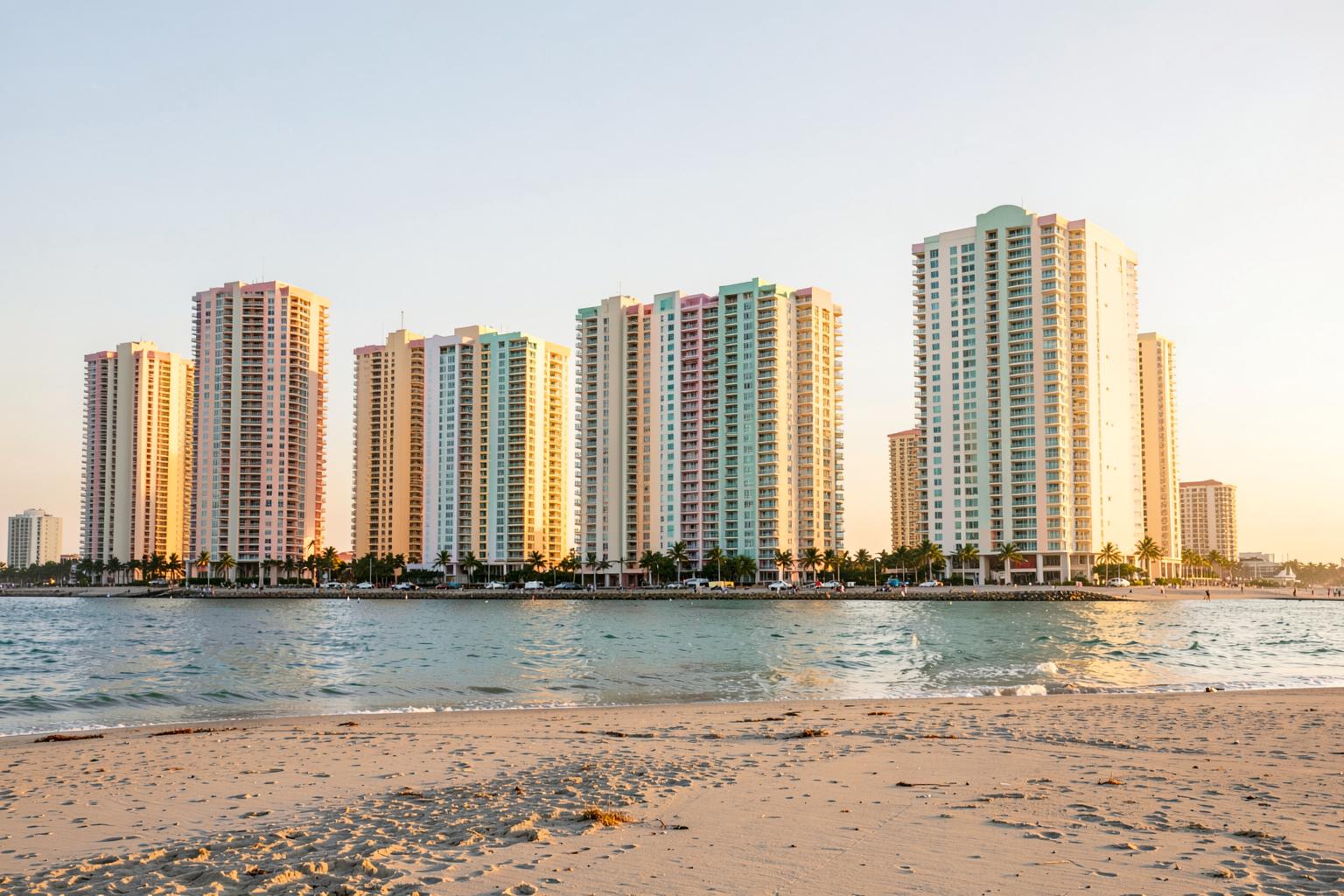
Myrtle Beach's payroll is tourism and property: hotels and oceanfront condominium towers, restaurants and attractions along the boulevard, dozens of golf courses, retail along the Highway 17 Bypass, a busy regional airport, and a construction and medical economy chasing one of the fastest-growing metro populations in the Southeast. On top of that sits a housing stock unlike any inland market's — a large share of it second homes and short-term rentals owned by people who live somewhere else. Service demand here repeats every season, turns over between guests, and is often bought from another state at ten at night.
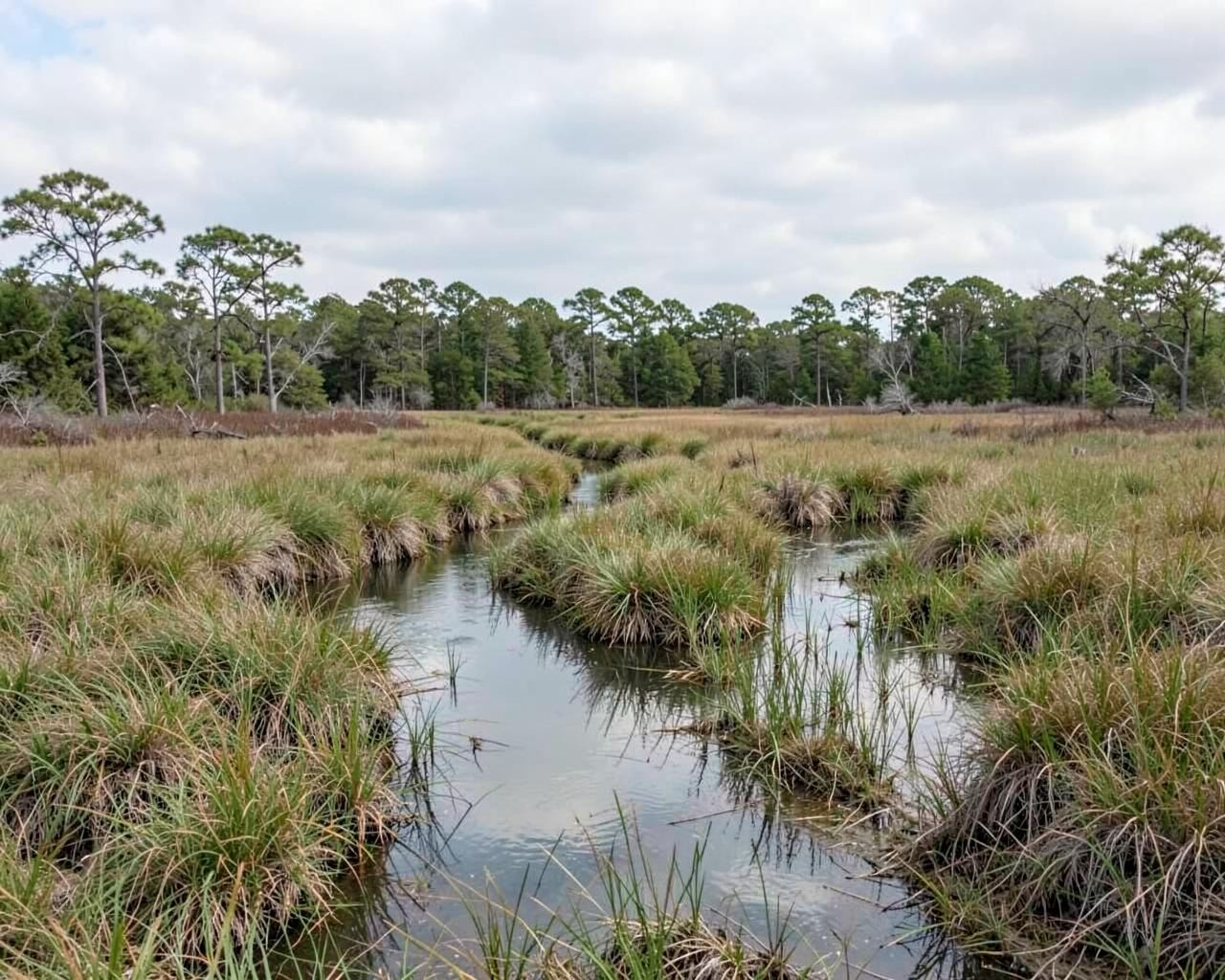
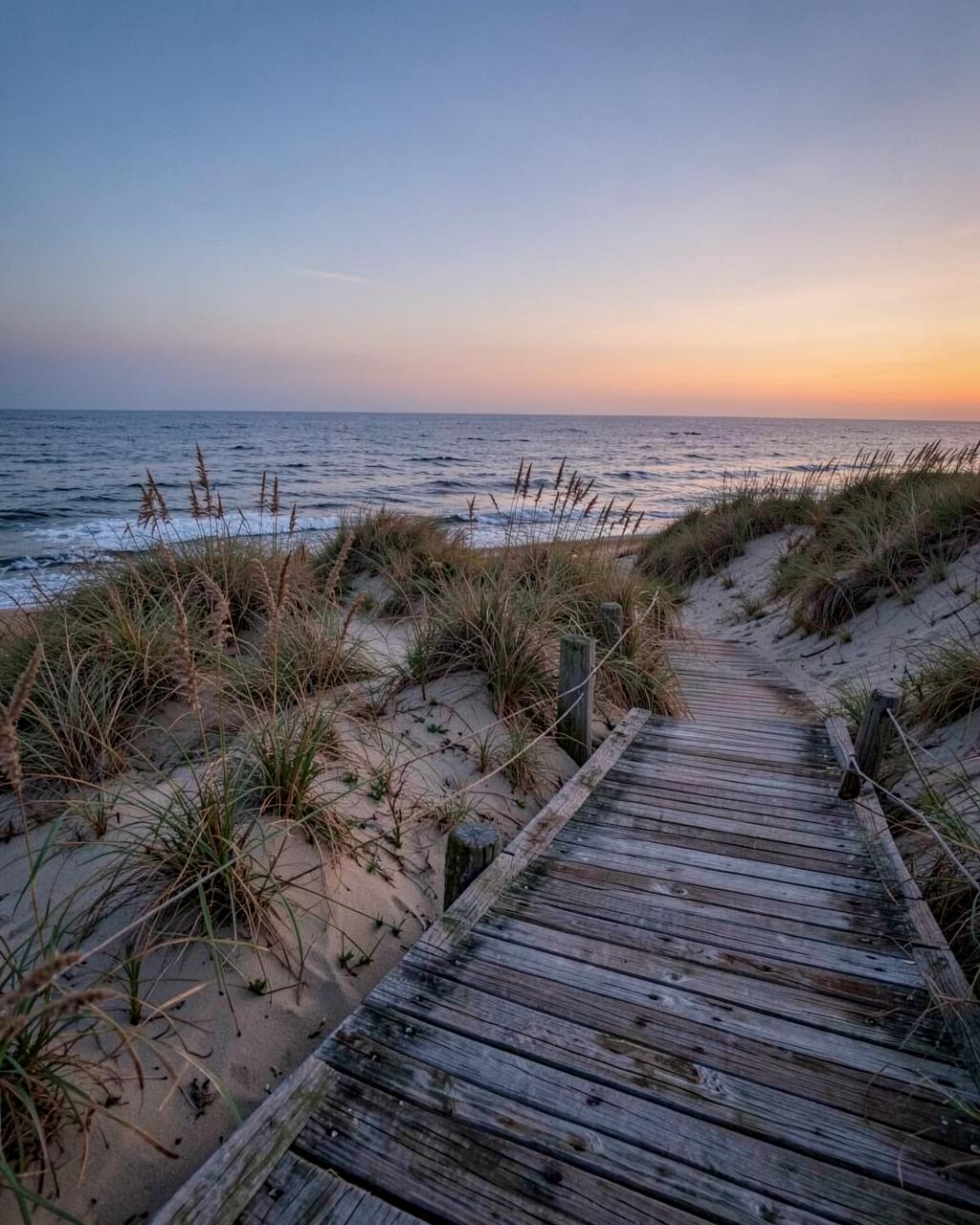
It also sits directly on the Atlantic at almost no elevation. Salt air corrodes condenser coils, hardware, railings and fasteners years faster than it does inland. Sandy soil moves under slabs, pool decks and fence posts. Hurricane season runs June through November with real exposure, and nor'easters and king tides do quieter damage to docks, decks, shingles and gates the rest of the year. Extentus builds a business's search presence, paid media, social advertising and website as one coordinated plan tuned to that coastal calendar.
What makes the Myrtle Beach market distinct
In-town Myrtle Beach ranges from oceanfront towers and the older cottage streets near Withers Swash to Market Common on the former air base land and the Grande Dunes side to the north. Inland, Carolina Forest, Forestbrook and Socastee are newer subdivisions on graded sandy fill with a completely different maintenance profile. North Myrtle Beach is its own city, with Cherry Grove, Ocean Drive, Crescent Beach and Windy Hill each named separately by the people who live there. South, Surfside Beach, Garden City and Murrells Inlet trade toward creek-side and inlet property. Conway is the Horry County seat on the Waccamaw River, and Little River sits at the state line.
Two hazards are specific to this market. First, nobody searches as though they live in one city — an owner in Cherry Grove or Murrells Inlet names that place every time, so a single Myrtle Beach page misses most of the demand. Second, a large share of buyers are not local: second-home owners and rental investors with no neighbor to ask, judging a business entirely on what its pages say about coastal conditions, access, scheduling around guests and price.
Search: coastal vocabulary almost nobody has published
The organic field here has real room for a business willing to write specific pages. Our SEO services in Myrtle Beach claim the vocabulary this coast actually types — salt-air corrosion and coil cleaning, storm-damaged fencing and gates, dock and deck board replacement, pool-deck and driveway concrete in sandy fill, epoxy garage coatings under elevated homes, turnover work between rental guests — then build the beach-town pages that convert, published in the January quiet rather than during the August rush.
Google advertising: corridors and occupancy, not one radius
Half of a twenty-mile circle around Myrtle Beach is ocean, and Highway 17 Bypass, 17 Business, Highway 501 and Highway 31 decide the rest. Our PPC management in Myrtle Beach segments bidding across the oceanfront, Market Common, Carolina Forest and Socastee, North Myrtle Beach, the south strand through Murrells Inlet, and Conway with Little River — then separates urgent peak-season and post-storm demand from planned off-season projects and moves budget with occupancy.
Social advertising: reaching owners before anything breaks
This market refills itself: thousands of households a year closing in inland subdivisions, a constant stream of out-of-state second-home and rental buyers, and snowbird residents arriving every fall with a list. Social advertising in Myrtle Beach runs new-mover, new-construction and property-owner targeting across the Grand Strand and beyond it, times storm-preparation and off-season project messaging, and retargets everyone the other channels already touched.
Web design: the page an owner in another state has to trust
We build websites as conversion infrastructure: fast on summer cellular in beach glare, structured for crawlers and AI answer engines, with published price bands, real coastal job photography, explicit beach-town coverage and honest access language for rental turnovers. Website redesign projects in Myrtle Beach usually mean replacing a site that describes the business with one that answers the four questions a non-local owner actually has.
How the four channels compound in Myrtle Beach
The website sets the conversion rate everything else is multiplied by — and here it also replaces the neighbor a non-local buyer does not have. Paid search captures the urgent hours: a failed system in a full rental in July, a fence in the neighbor's yard in September. Organic search takes those same expensive terms permanently and releases paid budget toward the next band. Social advertising reaches the arrivals and owners search cannot find yet and retargets everything the other three touched. Built inside one plan, each piece makes the next cheaper — which is the whole case against buying them as four disconnected line items.
One Myrtle Beach team tracks every dollar across all four channels back to a single, checkable outcome.
Why attribution matters more here than elsewhere
When a paid click and a free organic visit both end at the same contact form, four separate vendors will all claim the same signed job. Extentus maintains a single number set: qualified inbound broken out by channel and by beach town, cost per qualified inbound, and the pages that earned it. That record is what makes a budget shift possible — moving spend out of paid search as the organic layer takes hold is only rational if you can see both at once.
It also changes the calendar. Peak occupancy, hurricane season and the empty winter months fall in different quarters and reward completely different channels, so we move Myrtle Beach budget between them around those events instead of spreading it evenly across twelve months — something a single-channel vendor has no incentive to ever recommend.
The four services Extentus runs in Myrtle Beach
- Search Engine Optimization
- The channel you own — map-pack rankings, reviews and service-area pages that keep producing after the work is done.
- Google Advertising
- The channel with a volume dial — paid search and Local Services Ads tuned to the hours demand actually spikes.
- Social Advertising
- The channel that builds the pipeline — demand created in homeowners before they ever search.
- Web Design
- Where the other three cash out — fast, mobile-first pages built to convert visits into booked jobs.
Install all four in Myrtle Beach
One framework, one accountable record: qualified inbound by channel and by Myrtle Beach district, cost per qualified inbound, and the exact pages responsible.
Myrtle Beach marketing questions, answered
Three things: coastal conditions, ownership and seasonality. Salt air and sandy soil drive repair demand that inland markets never see, hurricane season creates short high-intent spikes between August and November, and a large share of the housing is second homes and short-term rentals bought by owners in other states who must be convinced by your pages alone.
Myrtle Beach including the oceanfront and Market Common, the inland ring of Carolina Forest, Forestbrook and Socastee, North Myrtle Beach with Cherry Grove and Ocean Drive, the south strand through Surfside Beach, Garden City and Murrells Inlet, and Conway with Little River. Each has different housing, different drive times along Highway 17 and different price expectations.
Publish and build in January and February, when the beach is quiet, clicks are cheap and second-home owners want work done in empty houses. Spend hardest during peak summer occupancy and in the days after any named storm, when demand is urgent and phone-driven. Spreading the same budget evenly across twelve months misses every one of those windows.