Ready to advertise in Philadelphia?
Call now — 385-985-0003Philadelphia · Google Ads
Google advertising in Philadelphia: a crowded auction, a rowhouse city, and a ring of very different suburbs
Philadelphia is one of the most contested paid-search markets on the East Coast, and a homeowner in Fishtown, South Philadelphia or Kensington scrolling for a plumber is looking at a page crowded with national franchises, regional chains and every local outfit within a twenty-minute drive. The city itself is a maze of rowhouse blocks and narrow streets where a driveway job in Manayunk or a backyard concrete pour in Passyunk means a different truck, a different crew size and a different price than the same job in a Northeast Philadelphia twin or a Main Line colonial. And it runs on a real four-season calendar layered over decades-old housing stock — furnaces failing in January rowhouses, AC units straining through humid July attics, plumbing giving out in century-old homes on a schedule its own. A Google Ads account built for Philadelphia has to bid the auction, the block, and the season all at once.
The short answer
Google advertising in Philadelphia means paid search and Local Services Ads bid separately across dense city neighborhoods like Fishtown, South Philadelphia and Germantown versus Main Line, Delco, Montco and Bucks County suburbs, weighted for rowhouse-driven repair volume and year-round heating and cooling emergencies. Extentus verifies licensing, manages the city's unusually high call volume, and reports in booked jobs rather than clicks in one of the country's most competitive click markets.
Beat 01 · A city built for competition, not one flat radius
Philadelphia's paid-search auction is one of the most crowded in the country, and it never really quiets down.
Run a Google Ads account in Philadelphia and the first thing that becomes obvious is how many other bidders are already there. National home-service franchises, regional chains with fleets of vans, and independent contractors from Fishtown to Roxborough are all chasing the same handful of high-intent searches, and that density pushes costs up and margins for error down. A campaign that isn't built with real precision doesn't just underperform here — it gets outbid before it ever shows up.
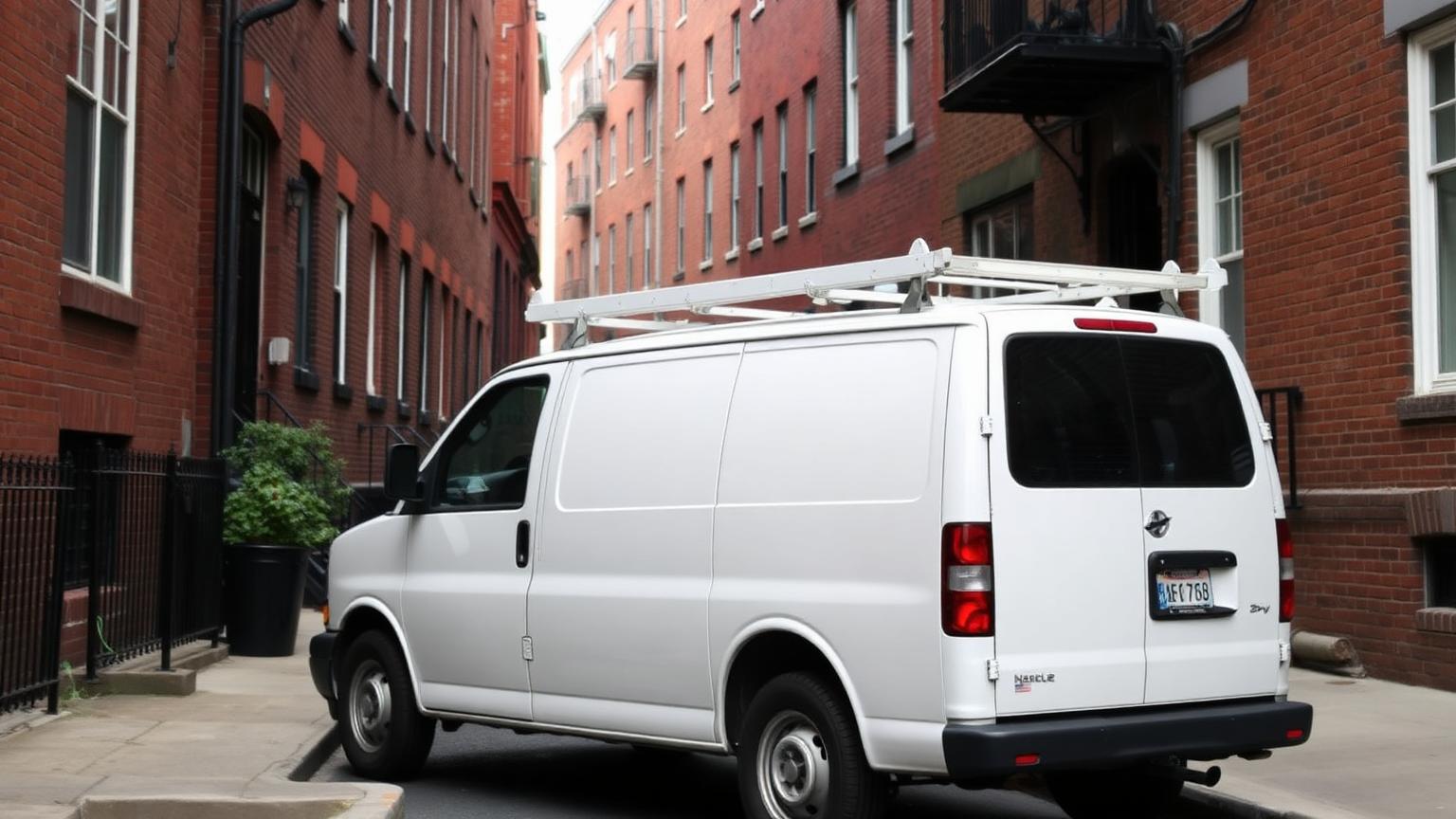
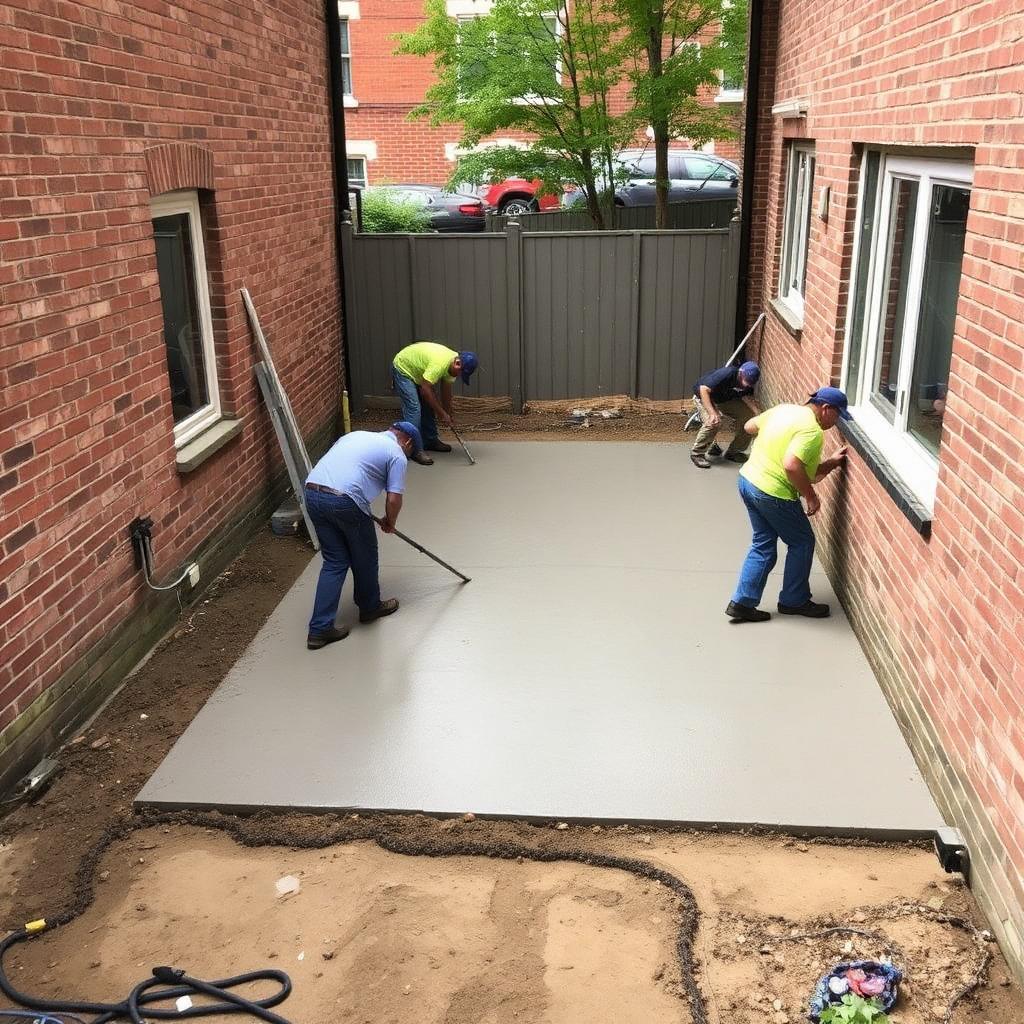
Add to that a genuinely dense, walkable city of rowhouse blocks and narrow streets, where a contractor's ability to even reach a job site changes what a bid should say. A concrete crew quoting a backyard patio pour in tightly packed South Philadelphia or Passyunk is working around parking restrictions and tiny access points that a Northeast Philadelphia twin or a Main Line property never presents, and the ad copy, radius and even the crew size behind the quote should reflect that difference.
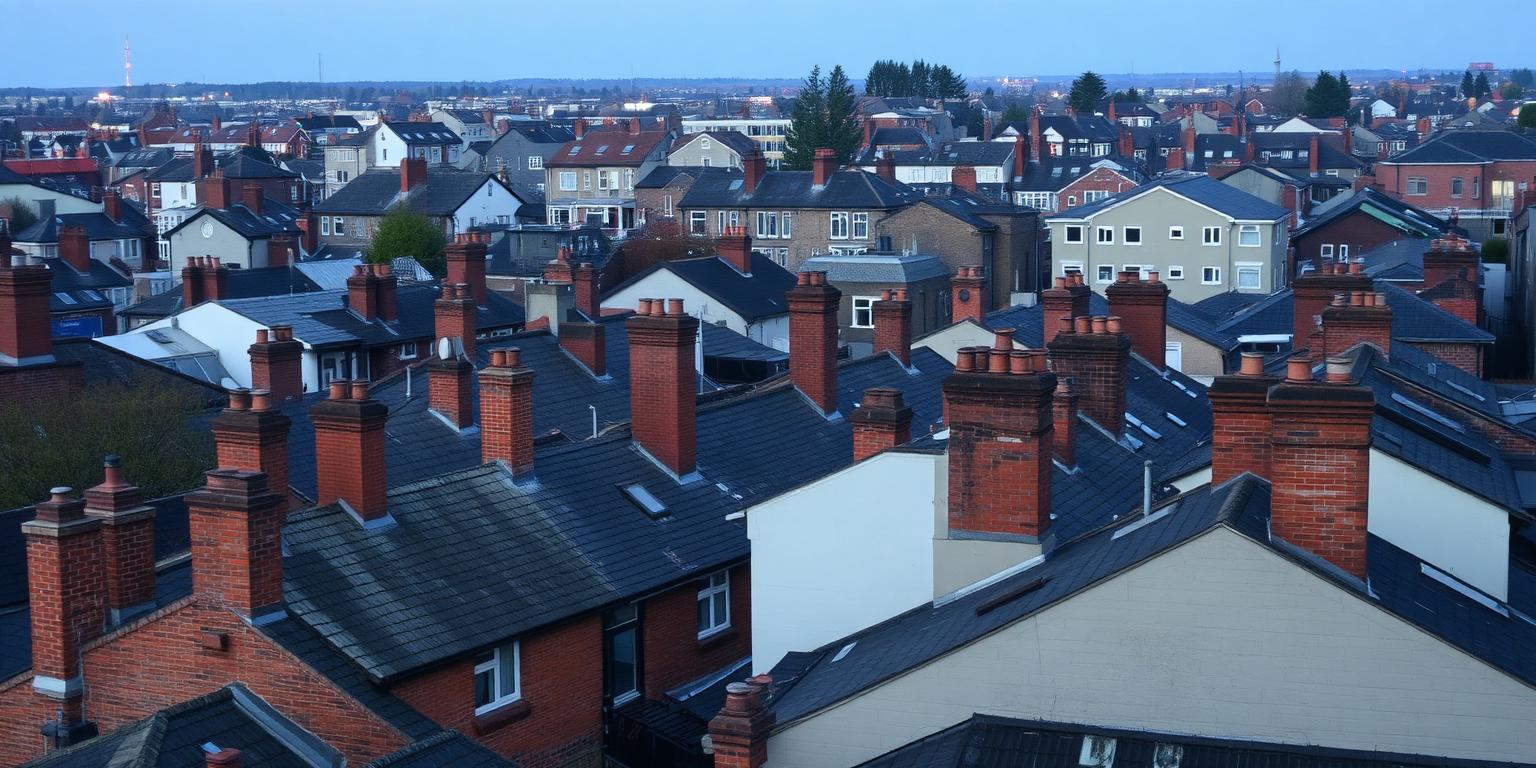
Layer in a metro area that stretches from Kensington and Port Richmond in the city core out to Conshohocken, Upper Darby, Drexel Hill and the wider Main Line, Delco, Montco and Bucks County suburbs, and "Philadelphia" stops being one market. It's a dense urban core surrounded by a ring of suburbs with entirely different housing stock, budgets and buying habits.
Beat 02 · The shift: from one citywide budget to a block-and-suburb map
A Chestnut Hill homeowner and a Kensington rowhouse owner are not shopping the same contractor list.
The old approach spins up one Philadelphia campaign, sets a citywide radius, and hopes the same ad copy resonates in Fairmount and in Chestnut Hill. It won't. A rowhouse owner in Fishtown or Port Richmond dealing with a century-old plumbing stack has a different scope of work — and a different budget ceiling — than a homeowner in Chestnut Hill or on the Main Line replacing a furnace in a much larger single-family home.
The shift splits the account by geography and by urgency. City-neighborhood campaigns for Fishtown, South Philadelphia, Manayunk, Roxborough, Northeast Philadelphia, Germantown, University City, Port Richmond, Mayfair, Kensington, Fairmount and Passyunk carry copy built around rowhouse access, narrow-street logistics and older-home repair volume. Suburban campaigns for the Main Line, Upper Darby, Conshohocken and Drexel Hill, plus broader Delaware, Montgomery and Bucks County targeting, carry copy built around larger properties, longer driveways and a different price expectation entirely.
On top of geography, an emergency track for no-heat calls, AC failures and burst pipes runs hard whenever the season demands it, while a project track for fencing, concrete and epoxy flooring runs steadier through the milder months. More on how these tracks tie into the wider account strategy lives on the <a href="/locations/pennsylvania/philadelphia/master-framework">Philadelphia master framework page</a>.
Beat 03 · The mechanism: verified leads in a market that punishes waste
High call volume and after-hours demand mean a screened lead pays for itself fast in Philadelphia.
Philadelphia's call volume for home-service emergencies runs high year-round, and a large share of it lands after business hours — a furnace dying at 9pm in a Germantown rowhouse or an AC unit quitting on a July night in Mayfair doesn't wait for a contractor's morning schedule. Google-screened Local Services Ads bill per verified lead rather than per click, which matters enormously in a market this contested, where an unscreened click can get outbid or wasted in seconds.
Extentus verifies contractor licensing and insurance before spend goes live, then routes leads by neighborhood so a Fishtown-based crew isn't paying for calls from Conshohocken it has no intention of servicing, and a Main Line contractor isn't burning budget on rowhouse jobs that don't match its typical scope.
Ad copy is written to match the block: rowhouse and narrow-street language for the city's dense neighborhoods, larger-property and longer-lead-time language for Main Line and Montco suburbs, so a homeowner clicks through to a message that already matches their situation instead of a generic citywide pitch.
Beat 04 · The number behind the density
Philadelphia's occupied housing stock, as tracked by the U.S. Census Bureau, is dominated by decades-old rowhouses.
Census Bureau's American Community Survey estimates put well over half of Philadelphia's occupied housing units in structures built before 1,960 a rowhouse-heavy stock that drives a steady, predictable volume of aging-system repairs — plumbing, electrical, roofing and foundation work — that a newer-construction suburb simply doesn't generate at the same rate.
The U.S. That density is exactly what makes the local market so contested and exactly why block-level bidding pays off.
Beat 05 · The contrast: paid wins the emergency, organic wins the neighborhood
A page ranking on Philadelphia's master-framework hub keeps working long after a campaign pauses.
Paid search and Local Services Ads are built for right-now demand — the burst pipe in Fairmount tonight, the AC failure in Passyunk this afternoon — but the moment spend stops, so does the traffic. A well-built page on Philadelphia's master-framework hub, by contrast, keeps surfacing for searches in Roxborough or University City months later without another dollar spent, because it's already answering the question a homeowner is typing.
That contrast matters more in a market this expensive to bid in. Every wasted click in Philadelphia's crowded auction is a real cost, so pairing paid campaigns with organic content that ranks for neighborhood-specific searches means the paid budget can stay focused on true emergencies while organic content absorbs the researching, comparison-shopping searches that don't need to be won at auction price.
Google Advertising is one of four. The Philadelphia Master Framework page makes the case for running all four together, and what running only one costs a Philadelphia service business.
Where we run google ads in Philadelphia
Google Advertising for service businesses across Philadelphia and Philadelphia County, plus the satellite towns crews already drive to. Every district below is targeted by name in campaigns, pages and profile service areas — not folded into a single city radius.
- Philadelphia districts
- Center City · Rittenhouse Square · Old City · Society Hill · Queen Village · Bella Vista · Passyunk Square · South Philadelphia · Point Breeze · Grays Ferry · Graduate Hospital · Fairmount · Spring Garden · Brewerytown · Northern Liberties · Fishtown · Kensington · Port Richmond · Bridesburg · Manayunk · Roxborough · East Falls · Germantown · Mount Airy · Chestnut Hill · Olney · Logan · Feltonville · Mayfair · Tacony · Frankford · Northeast Philadelphia · University City · West Philadelphia · Cobbs Creek · Overbrook
- Beyond the county line
- Upper Darby · Drexel Hill · Havertown · Ardmore · Bala Cynwyd · Narberth · Conshohocken · Norristown · King of Prussia · Cheltenham · Jenkintown · Abington · Willow Grove · Lansdowne · Springfield · Media · Bensalem · Levittown · Main Line · Philadelphia County · Delaware County · Montgomery County · Bucks County
- ZIP codes covered
- 19102 · 19103 · 19104 · 19106 · 19107 · 19111 · 19114 · 19115 · 19116 · 19118 · 19119 · 19120 · 19121 · 19122 · 19123 · 19124 · 19125 · 19126 · 19127 · 19128 · 19129 · 19130 · 19131 · 19132 · 19133 · 19134 · 19135 · 19136 · 19137 · 19138 · 19139 · 19140 · 19141 · 19142 · 19143 · 19144 · 19145 · 19146 · 19147 · 19148 · 19149 · 19150 · 19151 · 19152 · 19153 · 19154
Beat 06 · A city that rewards bidding by block, not by boundary
Philadelphia's account should mirror the city itself: dense, varied, and never one flat radius.
The checkable local reality: Philadelphia is one of the country's most contested paid-search markets, built on rowhouse-dense blocks and narrow streets across neighborhoods like Fishtown, South Philadelphia, Manayunk, Kensington and Fairmount, ringed by suburbs across the Main Line, Delaware, Montgomery and Bucks counties with entirely different housing stock and budgets. A four-season repair calendar and consistently high, often after-hours call volume mean demand rarely fully quiets down.
Extentus bids the city and the suburbs as separate markets, verifies every contractor before spend goes live, matches ad copy to rowhouse or larger-property realities depending on the neighborhood, and reports what each lead actually cost per booked job — not per click in a market where clicks are some of the most expensive in the region.
Google Ads in Philadelphia — questions, answered
Philadelphia's rowhouse-dense neighborhoods like Fishtown, Kensington and South Philadelphia have different repair needs, budgets and access constraints than Main Line, Delco or Montco suburbs. A single citywide campaign blends these into generic copy that resonates with neither, while separate neighborhood and suburb campaigns match message to buyer.
Philadelphia draws national franchises, regional chains and dense local competition all bidding on the same high-intent home-service searches, which pushes costs up across the board. That density makes verified, per-lead Local Services Ads and tightly targeted campaigns far more valuable than a broad, unscreened paid-search push.
U.S. Census Bureau data shows a large share of Philadelphia's occupied housing was built decades ago, which drives a steady, predictable volume of plumbing, electrical and structural repair searches that newer suburbs don't generate at the same rate, making rowhouse-specific ad copy and targeting more effective in the city core.
The rest of the Philadelphia set
- SEO
Search Engine Optimization in Philadelphia
The channel that keeps producing calls in one of the country's densest, most competitive home-services markets. A Google Business Profile built around rowhome plumbing and party-wall heating loads, neighborhood pages for Fishtown, Northern Liberties, South Philadelphia, Point Breeze, Manayunk, Roxborough, Germantown, Mount Airy, Chestnut Hill, University City, Kensington, Port Richmond, Mayfair, Fairmount, Queen Village, Passyunk and Overbrook, plus reach into Delaware, Montgomery and Bucks counties and the Main Line, and enough L&I-savvy, review-backed proof to outrank the national franchises flooding this market with ad spend.
Open page - Social Ads
Social Advertising in Philadelphia
The Philadelphia channel built for a rowhouse city with backyards the size of a parking space: Facebook and Instagram campaigns pulled from real local job sites and aimed block by block across Fishtown, Northern Liberties, South Philadelphia, Passyunk, Queen Village and Fairmount, out through Manayunk, Roxborough, East Falls, Germantown, Mount Airy and Chestnut Hill, across Northeast Philadelphia, Port Richmond and University City, and into Delaware, Montgomery and Bucks counties, the Main Line, Conshohocken and Bala Cynwyd.
Open page - Web Design
Web Design in Philadelphia
Sites built for a city of rowhouses and party walls, where Fishtown, South Philadelphia, Manayunk, Northeast Philadelphia, Germantown, Chestnut Hill, University City, Port Richmond, Fairmount, and Roxborough each search their own way, and where Delaware, Montgomery, and Bucks County, the Main Line, and Upper Darby round out the trade area: fast mobile pages built for a basement with two bars of signal, neighborhood-specific service pages instead of one generic city page, visible L&I license and insurance proof, and pricing language that accounts for party-wall and pre-1940 housing complexity in a market crowded with competing contractors.
Open page - All four — recommended
The Master Framework in Philadelphia
All four channels, installed together for a city built from dense, distinct neighborhoods and a home-services field as competitive as any in the country — old rowhouse stock driving steady plumbing, HVAC and roofing demand, four real seasons pushing emergency and remodel cycles in turn, and buyers who compare block by block. One strategy across SEO, Google advertising, social advertising and web design, tuned to Philadelphia's neighborhoods, with one accountable number.
Open page