Philadelphia, Pennsylvania
Philadelphia Web Design and SEO — Built for a City of Rowhouse Blocks
Philadelphia is the largest and oldest market in Pennsylvania, and its demand doesn't behave like a state-capital metro: it moves block by block, across mile after mile of rowhouse streets where the housing is old, the lots are narrow and the competition for every service call is already fierce.
Five dedicated Philadelphia pages
Each discipline has its own Philadelphia page — its own local search data, its own market detail, its own URL.
- SEO
Search Engine Optimization in Philadelphia
The channel that keeps producing calls in one of the country's densest, most competitive home-services markets. A Google Business Profile built around rowhome plumbing and party-wall heating loads, neighborhood pages for Fishtown, Northern Liberties, South Philadelphia, Point Breeze, Manayunk, Roxborough, Germantown, Mount Airy, Chestnut Hill, University City, Kensington, Port Richmond, Mayfair, Fairmount, Queen Village, Passyunk and Overbrook, plus reach into Delaware, Montgomery and Bucks counties and the Main Line, and enough L&I-savvy, review-backed proof to outrank the national franchises flooding this market with ad spend.
Open page - Google Ads
Google Advertising in Philadelphia
The channel built for one of the country's most contested paid-search markets, where rowhouse density, narrow streets and a four-season repair calendar change what a campaign should say block by block. Paid search and Local Services Ads split city neighborhoods from Main Line, Delco, Montco and Bucks suburbs, absorb high call volume without wasting spend, and report against booked jobs instead of raw clicks.
Open page - Social Ads
Social Advertising in Philadelphia
The Philadelphia channel built for a rowhouse city with backyards the size of a parking space: Facebook and Instagram campaigns pulled from real local job sites and aimed block by block across Fishtown, Northern Liberties, South Philadelphia, Passyunk, Queen Village and Fairmount, out through Manayunk, Roxborough, East Falls, Germantown, Mount Airy and Chestnut Hill, across Northeast Philadelphia, Port Richmond and University City, and into Delaware, Montgomery and Bucks counties, the Main Line, Conshohocken and Bala Cynwyd.
Open page - Web Design
Web Design in Philadelphia
Sites built for a city of rowhouses and party walls, where Fishtown, South Philadelphia, Manayunk, Northeast Philadelphia, Germantown, Chestnut Hill, University City, Port Richmond, Fairmount, and Roxborough each search their own way, and where Delaware, Montgomery, and Bucks County, the Main Line, and Upper Darby round out the trade area: fast mobile pages built for a basement with two bars of signal, neighborhood-specific service pages instead of one generic city page, visible L&I license and insurance proof, and pricing language that accounts for party-wall and pre-1940 housing complexity in a market crowded with competing contractors.
Open page - All four — recommended
The Master Framework in Philadelphia
All four channels, installed together for a city built from dense, distinct neighborhoods and a home-services field as competitive as any in the country — old rowhouse stock driving steady plumbing, HVAC and roofing demand, four real seasons pushing emergency and remodel cycles in turn, and buyers who compare block by block. One strategy across SEO, Google advertising, social advertising and web design, tuned to Philadelphia's neighborhoods, with one accountable number.
Open page

Philadelphia is a city of roughly 1.6 million people at the center of a metro of about six million, and almost none of that demand is spread evenly. It concentrates in neighborhoods with hard edges and long memories — Fishtown, Northern Liberties, Kensington and Port Richmond in the river wards; South Philadelphia around Passyunk and Point Breeze; Fairmount, Brewerytown and Spring Garden north of Center City; Manayunk, Roxborough and East Falls along the Schuylkill; Germantown, Mount Airy and Chestnut Hill up the northwest corridor; University City and Overbrook to the west; and the vast, more suburban Northeast around Mayfair and Tacony.
Extentus builds search, paid search, paid social and the website as one installation here rather than four separate contracts. In a market this large and this contested, the businesses that win are not the ones with the biggest single channel — they are the ones whose four channels are pointed at the same neighborhoods, the same housing stock and the same seasons.
What makes the Philadelphia market distinct
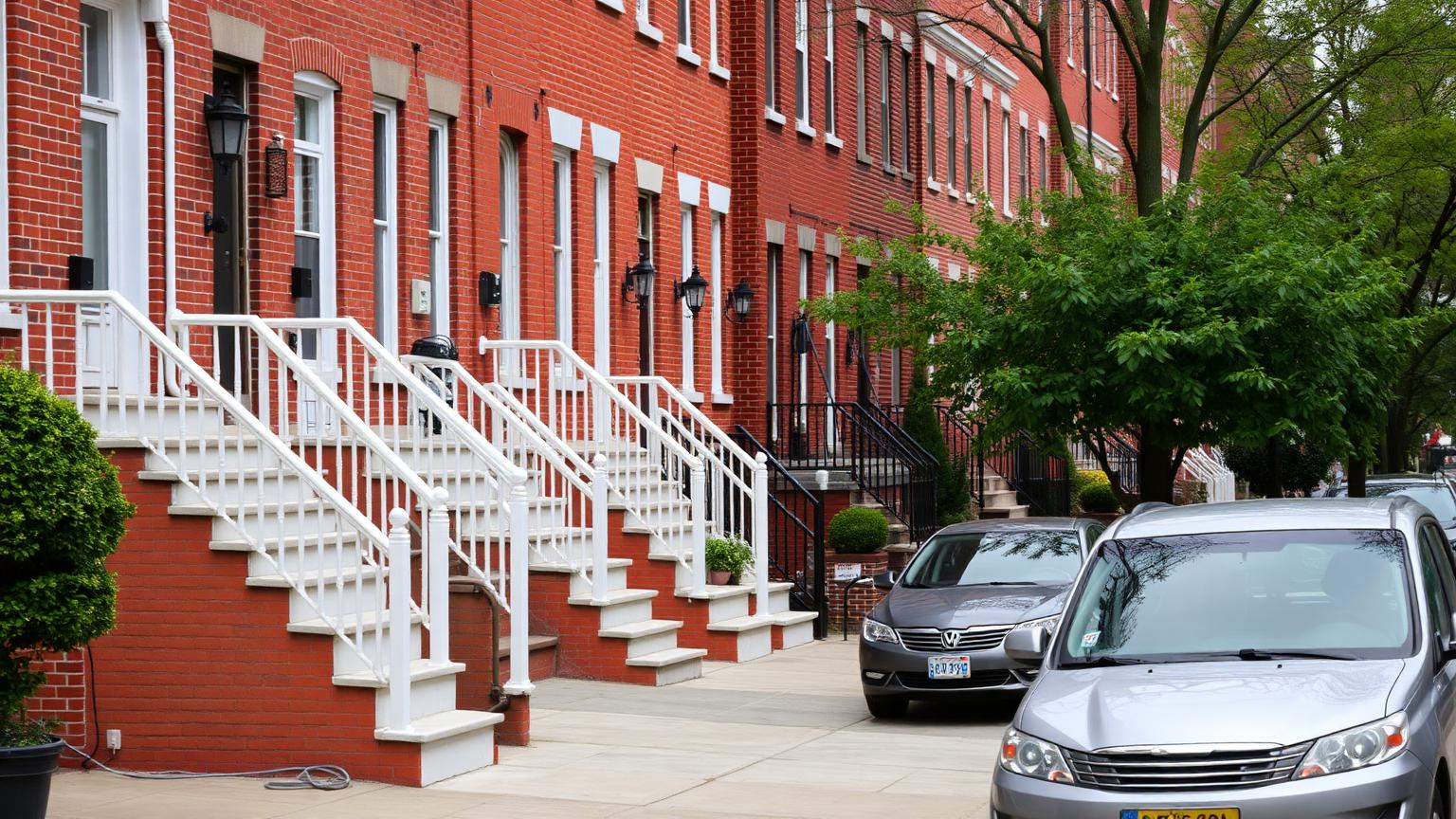
Density changes the job before it changes the marketing. A fence in Point Breeze encloses a yard measured in feet, not acres. A concrete pour in Passyunk Square has to be wheeled through a house or a shared alley. An epoxy garage floor in Roxborough is a one-bay job; in the Northeast it might be a two-car detached garage. A furnace swap in a Fishtown basement is a question of clearance and flue routing before it is a question of tonnage. Copy written for a suburban lot reads as though it were written about somewhere else, and Philadelphia homeowners notice immediately.
Scale changes the economics. This is one of the oldest and most crowded home-services markets in the country, with established family businesses, aggressive franchises and national lead brokers all bidding on the same searches. Clicks are expensive, review counts are high, and a thin website loses the comparison in seconds. At the same time, the volume is enormous — enough that a business with disciplined neighborhood coverage can build a durable book of work without ever chasing the whole city at once.
Search: neighborhood coverage beats a single city page
Philadelphians search by neighborhood, not by municipality. Our SEO work here takes the head terms first, then builds the layer that actually converts: Fishtown, Northern Liberties, Kensington, Port Richmond, South Philadelphia, Point Breeze, Queen Village, Fairmount, Manayunk, Roxborough, East Falls, Germantown, Mount Airy, Chestnut Hill, University City, Overbrook, Mayfair and the wider Northeast — then the suburban ring in Delaware, Montgomery and Bucks counties where the same crews often work.
Google advertising: expensive clicks, so the radius has to be honest
Emergency plumbing, no-heat calls and summer air-conditioning failures move fast and cost real money to buy. Our paid search work bids the city and the suburbs separately, keeps Main Line and Delaware County intent out of the same campaign as Kensington and Grays Ferry, runs Local Services Ads for licensed trades, and treats paid search as the fastest message test available for the other three channels.
Social advertising: where renovation demand actually gets created
Fencing, patios, epoxy floors, kitchens and bathrooms are not emergencies — they are projects people decide on. Paid social reaches those decisions before a search ever happens, and Philadelphia's block-by-block identity makes tight geographic prospecting unusually effective. Retargeting then catches everyone the other three channels already touched.
Web design: proof, permits and a phone-first build
Most local searches here happen on a phone, often from a basement with one bar of signal. The site has to load fast, show licensing and insurance without being asked, explain how work gets permitted through L&I, name the neighborhoods served, and answer the pricing question an old-house owner is really asking: what happens when you open the wall and it isn't what anyone expected.
How the four channels compound in Philadelphia
The website converts the traffic. SEO builds the neighborhood coverage that keeps producing between seasons. Google advertising buys the emergency window the day it opens. Social advertising creates the project demand that search cannot capture because the homeowner hasn't started searching yet. Run them together and each channel lowers the cost of the next one; run them apart and four vendors each optimize their own invoice.
One team plans the Philadelphia pages, runs the ads, builds the audiences and owns the site, and reports it all against a single record of what produced work.
The Philadelphia attribution advantage
In a market where clicks are expensive and the same homeowner may see an ad in March, read a neighborhood page in June and call in December when the heat fails, last-click reporting is actively misleading. Extentus reports one set of numbers: qualified inbound by channel and by neighborhood group, cost per qualified inbound, and the pages responsible — so the social touch and the organic page that opened the relationship get credited alongside the paid click that closed it.
It also changes the calendar. No-heat season, spring concrete and fencing work, summer cooling failures and fall interior projects each peak in different quarters, so budget shifts between paid and organic work rather than spreading evenly across twelve months. A single-channel vendor has no reason to recommend that, because every shift moves money out of their own line item.
The four services Extentus runs in Philadelphia
- Search Engine Optimization
- The channel you own — map-pack rankings, reviews and service-area pages that keep producing after the work is done.
- Google Advertising
- The channel with a volume dial — paid search and Local Services Ads tuned to the hours demand actually spikes.
- Social Advertising
- The channel that builds the pipeline — demand created in homeowners before they ever search.
- Web Design
- Where the other three cash out — fast, mobile-first pages built to convert visits into booked jobs.
Install all four in Philadelphia
One framework, one accountable record: qualified inbound by channel and by Philadelphia district, cost per qualified inbound, and the exact pages responsible.
Philadelphia marketing questions, answered
Because Philadelphians search by neighborhood. Someone in Mount Airy and someone in Point Breeze are describing different housing, different yard sizes and different budgets, even though both would type the city name if forced to. Dedicated pages for the river wards, South Philadelphia, the northwest corridor, West Philadelphia and the Northeast consistently outperform a single flat page trying to speak to all of them at once.
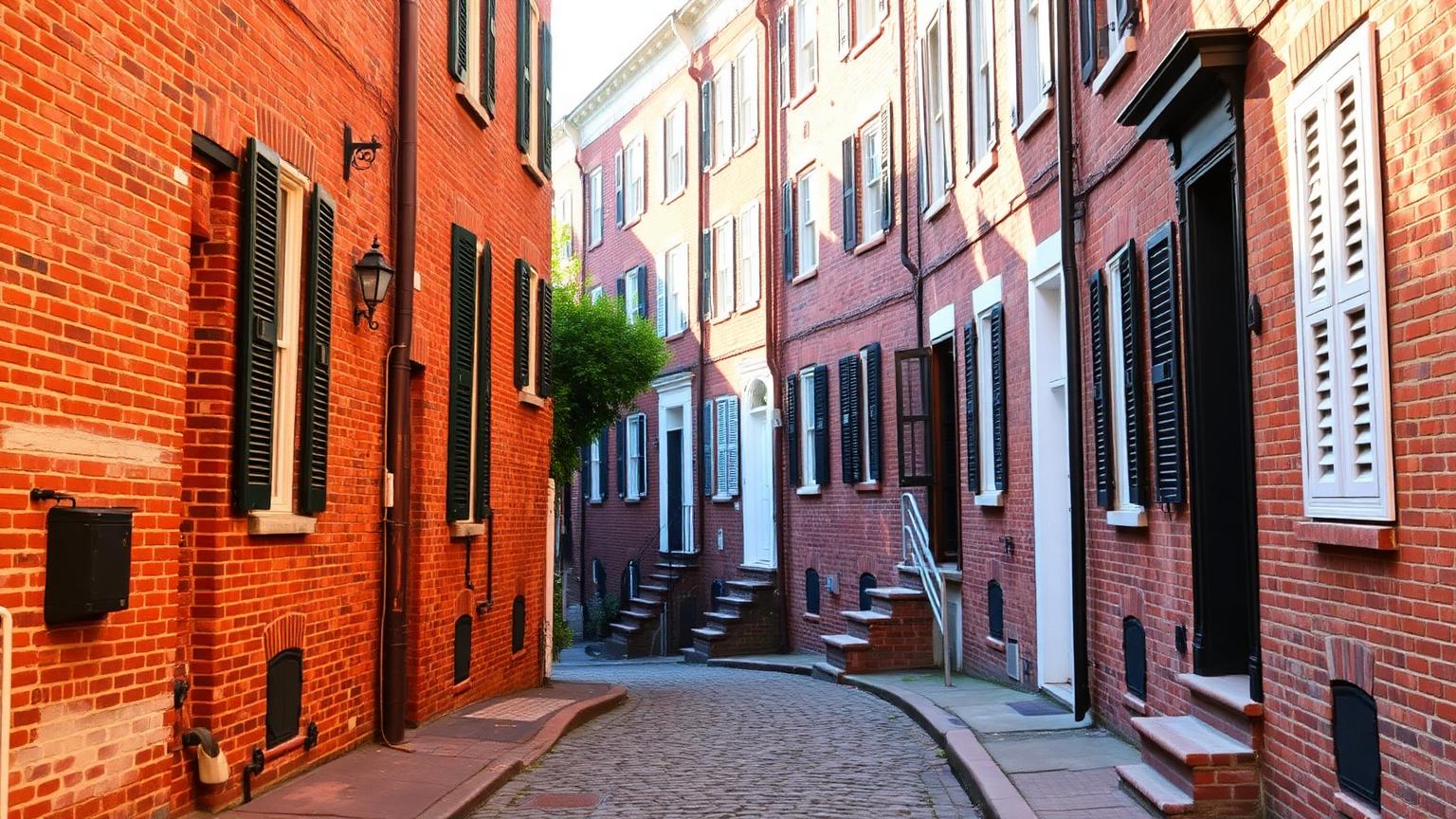
Pre-1940 attached housing means party walls, tight basements, original plumbing stacks, marble steps and narrow rear yards. Those constraints decide scope and price, so the site and the ads have to speak to them directly — clearance, access, permitting through L&I, and what happens when a wall comes open. Generic suburban copy reads as imported, and in this market that costs the call.
No, but breadth is the wrong strategy. The city is large enough that disciplined coverage of four or five neighborhoods, backed by real reviews and a fast, credible site, produces a full schedule without competing citywide against franchises and lead brokers. The framework exists to concentrate all four channels on the same footprint instead of thinning each one across the whole market.