Ready to advertise in Cleveland?
Call now — 385-985-0003Cleveland · Google Advertising
Google Ads in Cleveland: bidding on the hours after a lake-effect band sets up, not on a flat monthly average.
At two in the morning in South Euclid, a furnace quits in a house built in 1926 while eleven inches of lake-effect snow piles up outside. That homeowner types four words into a phone and calls the first credible result. Meanwhile, twenty miles west in Rocky River, the same night is quiet. Cleveland's paid search demand is not evenly distributed across the metro or across the year — it arrives in bursts tied to Lake Erie, to freeze-thaw cycles, and to the failure schedule of century-old mechanical systems. Campaigns built on flat metro-wide budgets miss the burst and pay for the silence.
The short answer
Google Ads in Cleveland works when campaigns follow the weather rather than the calendar. Lake-effect snow bands create localized no-heat and frozen-pipe demand on the east side — Cleveland Heights, South Euclid, and the Geauga ridge — while west-side suburbs stay quiet, so geotargeting and budget need to move in hours. Extentus runs Cleveland campaigns around three demand engines: winter mechanical emergencies, spring freeze-thaw concrete failures, and summer basement water in older neighborhoods, with call tracking that shows which suburb and season actually produced the job.
Beat 01 · Demand arrives in bursts, not averages
Cleveland's paid search demand spikes in the hours after a lake-effect band, then goes quiet again.
Most paid accounts in this market are built as if demand were steady. It is not. Cleveland's highest-intent searches — no heat, burst line, flooded basement, ice dam — cluster into short, violent windows: the night a lake-effect band sets up over the eastern suburbs, the first hard freeze after a thaw, the afternoon of a heavy summer downpour. Between those windows, the same keywords keep spending money on browsers.
The right structure treats those windows as the product. Budget and bids rise when conditions turn, ad copy shifts to same-day and emergency language, and call-focused campaigns take priority over lead forms because nobody fills out a form in a cold house. When conditions settle, the account rotates back toward planned work: driveways, fencing, epoxy, remodel-adjacent plumbing.
This is not clever automation; it is honest calendar management applied to a Great Lakes market. Cleveland's mechanical systems are old, and old systems fail under stress. Being present for the stress is most of the job.
Beat 02 · The snowbelt makes geotargeting the main lever
East-side and Geauga-ridge suburbs can take double the snowfall of the west side in the same storm.
The single most useful thing in a Cleveland paid account is a map. Lake Erie's prevailing winds push moisture inland and drop it where the land rises, which means Cleveland Heights, South Euclid, Willoughby Hills, Chesterland and Chardon absorb the heaviest lake-effect totals while Westlake, Rocky River and Avon Lake often get a dusting from the same system.
Bidding uniformly across Cuyahoga County therefore overpays in quiet suburbs and underbids in the ones generating calls. We split campaigns along that snowbelt line so east-side heating, frozen-line and ice-dam terms can be pushed hard during a band while west-side spend holds steady on general repair and project work.
The other half is capacity honesty. A crew stuck behind unplowed streets in Chardon cannot serve a Strongsville call the same hour. Geotargeting that respects drive time during a storm converts better and burns fewer leads than blanket coverage that promises what the truck cannot deliver.
Beat 03 · Old housing makes the mechanism specific
Ads that name the actual failure — galvanized lines, clay laterals, converted boilers — outperform generic service copy.
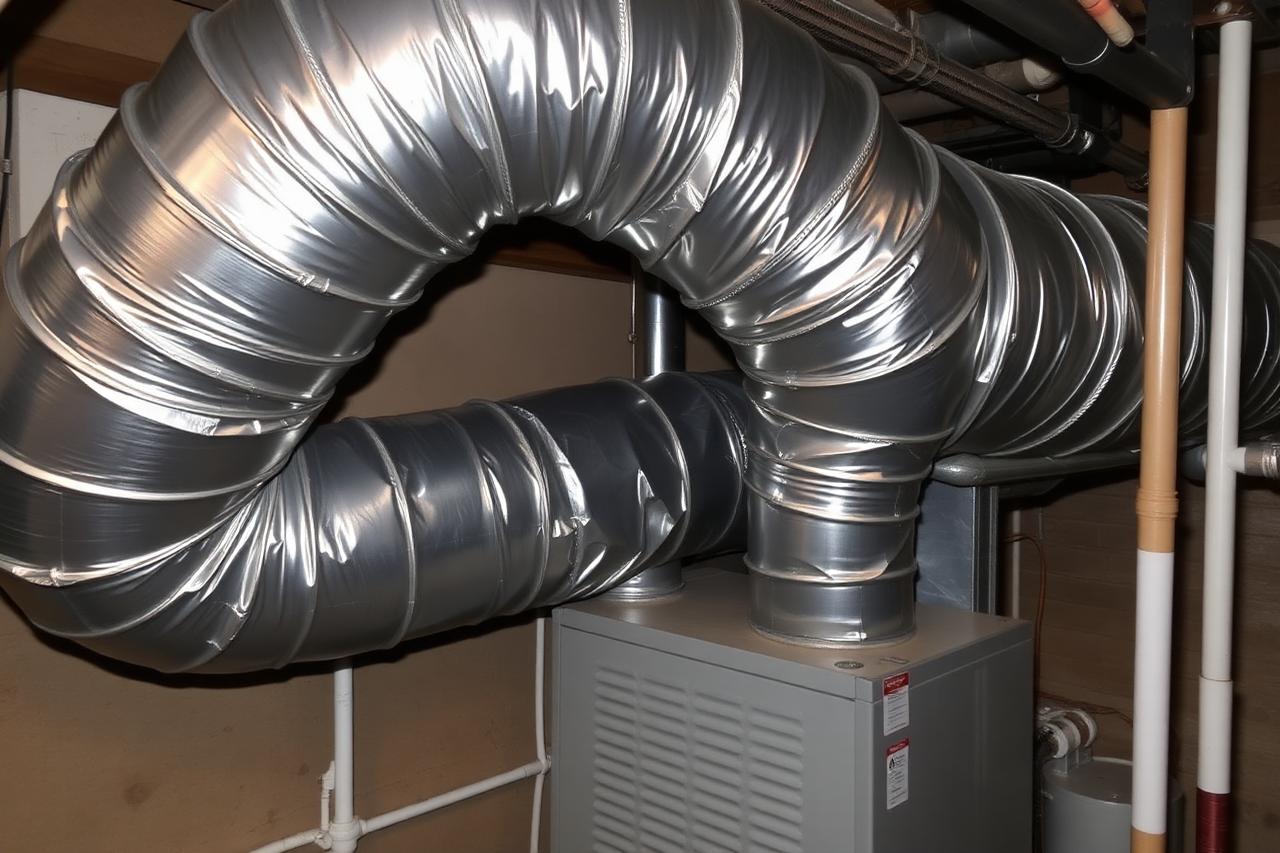
Cleveland's pre-1940 housing produces a recognizable set of failures, and the searches reflect them. Clay sewer laterals crack and take in roots. Galvanized supply lines close from the inside until pressure drops. Stone foundations weep after heavy rain. Octopus furnaces and old boilers reach the end of a long life. Porch steps and driveways heave after another freeze-thaw spring.
Ad copy that names those specifics converts better than copy that promises fast friendly service, because it tells a homeowner the company has seen their exact house. Landing pages carry the same specificity: photos of stone foundations and basement plumbing rather than stock images of new construction, and pricing language that acknowledges an old-house job is not a flat-rate install.
Negative keyword work matters just as much in a market like this. New-construction, DIY and product-purchase queries drain budget fast, and Cleveland's search mix is full of them because so much of the demand starts with a homeowner trying to identify a problem rather than hire someone.
Beat 04 · A single lake-effect night can carry a week of demand
One significant lake-effect event can generate a week's worth of emergency mechanical calls in the eastern suburbs.
In practical terms, a single sustained band that drops a foot on the east side does more for a heating contractor's phone than three quiet weeks of steady bidding. The calls do not spread evenly afterward either — they arrive as a compressed wave over roughly forty-eight to seventy-two hours as houses cool, pipes freeze, and homeowners who tried to wait it out give up.
Accounts that pace budget evenly across the month simply cannot be present for that wave. By the time daily caps free up, the wave has been answered by whoever bid through it. So we hold reserve budget deliberately through the winter and deploy it against forecast and observed conditions rather than spending it flat.
That reserve is funded by ruthlessness elsewhere: tight negatives, no broad-match tourism, no bidding on browse-intent terms in November that will convert far better in March. The money exists because it was not wasted proving demand we already understand.
Beat 05 · Three seasons, three completely different accounts
Winter mechanical emergencies, spring freeze-thaw concrete, and summer basement water each need their own structure.
From late November through March, the account is mechanical: heating, frozen lines, ice dams, gutters, and same-day language, weighted east. From March into May it becomes structural: driveways, walks, porch steps and foundation work as freeze-thaw damage becomes visible across Parma, Old Brooklyn, Garfield Heights and Euclid, and homeowners start pricing spring projects.
Summer shifts again. Heavy rain over an old combined-sewer geography pushes basement water, sump pump and waterproofing demand through the lower wards near the Cuyahoga and along the older east-side creeks, while the compressed outdoor season drives fencing, concrete and epoxy work at full volume through October.
Three seasons, three keyword sets, three budgets, three sets of ad copy. Running one blended campaign year-round is the most common and most expensive mistake in this market, because Cleveland's demand does not blend — it hands off.
Google Advertising is one of four. The Cleveland Master Framework page makes the case for running all four together, and what running only one costs a Cleveland service business.
Where we run google ads in Cleveland
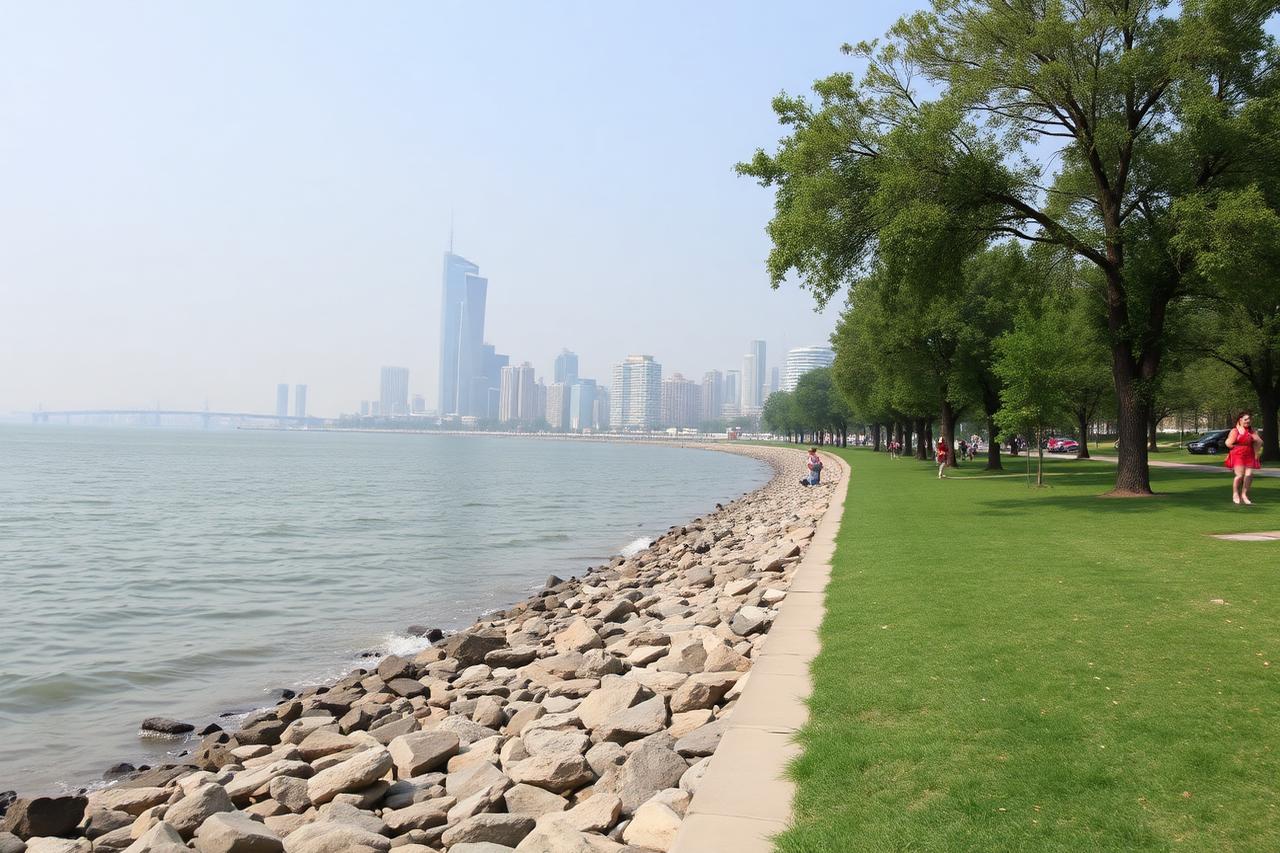
Google Advertising for service businesses across Cleveland and Cuyahoga County, plus the satellite towns crews already drive to. Every district below is targeted by name in campaigns, pages and profile service areas — not folded into a single city radius.
- Cleveland districts
- Downtown Cleveland · Warehouse District · Ohio City · Tremont · Detroit-Shoreway · Gordon Square · Old Brooklyn · Slavic Village · Broadway-Slavic Village · Collinwood · Glenville · University Circle · Little Italy · Fairfax · Buckeye-Shaker · Hough · Clark-Fulton · Edgewater · Kamm's Corners · West Park · Lee-Harvard · Central · Cudell · Stockyards · The Flats
- Beyond the county line
- Lakewood · Parma · Parma Heights · Cleveland Heights · Shaker Heights · University Heights · South Euclid · Euclid · Garfield Heights · Maple Heights · Bedford · Brook Park · Berea · Middleburg Heights · Strongsville · North Royalton · Broadview Heights · Independence · Westlake · Rocky River · Fairview Park · North Olmsted · Olmsted Falls · Beachwood · Mayfield Heights · Solon · Willoughby · Mentor · Painesville · Chardon · Avon · Avon Lake · North Ridgeville · Elyria · Brunswick · Medina · Cuyahoga County · Lake County · Lorain County · Medina County · Geauga County · Northeast Ohio · Lake Erie south shore · Cuyahoga River valley
- ZIP codes covered
- 44101 · 44102 · 44103 · 44104 · 44105 · 44106 · 44107 · 44108 · 44109 · 44110 · 44111 · 44112 · 44113 · 44114 · 44115 · 44116 · 44117 · 44118 · 44119 · 44120 · 44121 · 44122 · 44123 · 44124 · 44125 · 44126 · 44127 · 44128 · 44129 · 44130 · 44131 · 44132 · 44133 · 44134 · 44135 · 44136 · 44137 · 44138 · 44139 · 44140 · 44141 · 44142 · 44143 · 44144 · 44145 · 44146 · 44147 · 44149 · 44192 · 44011 · 44012 · 44017 · 44022 · 44026 · 44035 · 44039 · 44060 · 44094 · 44095 · 44256 · 44212
Beat 06 · Proving which suburb and season paid for itself
Call tracking by suburb, season, and channel is what turns a Cleveland account from guesswork into a ledger.
Because demand here is so uneven, averages actively mislead. A cost-per-lead figure blended across an east-side January and a west-side July describes nothing real. Every call is tracked to its channel, campaign, suburb and page, so the account can answer a specific question: did snowbelt heating spend in South Euclid outperform west-side concrete spend in April, and by how much?
That evidence is what makes reallocation defensible. Budget moves toward the suburbs and seasons that produced booked work rather than toward whatever the platform's automated recommendations suggest, and campaigns that quietly underperform in Westlake or Brunswick get caught in weeks instead of quarters.
It also connects paid search to everything else. When organic depth in Lakewood improves, paid can stop subsidizing it. When paid social fills the spring renovation pipeline, search spend can concentrate on emergencies. One team, one ledger, one accountable party — which is the entire point of installing the channels together.
Google Ads in Cleveland — questions, answered
Not evenly. Hold reserve budget through winter so campaigns can surge during lake-effect events, when a single band can generate a week of emergency mechanical calls on the east side. Shift toward concrete, driveway, and foundation terms from March into May as freeze-thaw damage becomes visible, then toward basement water and outdoor project work through summer and early fall.
It is the most important lever here. Lake-effect snow concentrates on the eastern snowbelt — Cleveland Heights, South Euclid, Willoughby Hills, and the Geauga ridge — while Westlake and Rocky River can stay clear in the same storm. Uniform county-wide bidding overpays in quiet suburbs and underbids where the calls are actually coming from.
Copy that names the actual failure. Clay sewer laterals, galvanized supply lines, weeping stone foundations, converted boilers, and heaved porch steps are specific to pre-1940 Cleveland housing, and naming them signals that the company has worked on houses like the searcher's. Generic fast-friendly-service copy converts noticeably worse.
The rest of the Cleveland set
- SEO
Search Engine Optimization in Cleveland
Cleveland's trade market rewards businesses that treat repair demand as the main event. A Google Business Profile built around real Cleveland buyer behavior — no-heat calls in the east-side snowbelt, sewer and basement water work in the older wards near the Cuyahoga, freeze-thaw concrete failures every spring across Parma and Old Brooklyn — is what separates a business that ranks from one that gets buried under three generations of entrenched family competitors. By anchoring your presence across Cuyahoga County and out into Lake, Lorain, Medina, and Geauga, Extentus makes sure your business shows up wherever the next old house fails.
Open page - Social Ads
Social Advertising in Cleveland
Cleveland's project work is renovation work, and renovation decisions take months. Paid social is where a trade business builds that demand through a long winter — before-and-after proof from homes on the same kind of street, neighborhood-level targeting across Lakewood, Parma, Old Brooklyn and the inner ring, and retargeting that keeps a business present through a decision the homeowner makes slowly. Extentus runs it so the compressed spring-to-fall build season starts already booked.
Open page - Web Design
Web Design in Cleveland
Cleveland buyers are careful, value-focused, and skeptical for good reason. A site that converts here leads with proof — real photographs of completed work on comparable older homes, plain pricing language that acknowledges what old-house work involves, visible license and insurance details, and a phone number that works on the first tap over a weak signal. Extentus builds fast, mobile-first sites for Cleveland trades that turn expensive clicks from every other channel into booked jobs.
Open page - Framework
The Extentus Framework in Cleveland
SEO, Google advertising, paid social and web design are not four purchases. In Cleveland they are one system with one calendar: organic depth across Cuyahoga County lowers the cost of every paid click, storm-timed paid search catches the snowbelt emergency the hour it happens, winter paid social builds the renovation pipeline neither can find, and the site converts all of it with proof instead of promises. One team, one ledger, one accountable party.
Open page