Cincinnati · The Master Framework
The Master Framework in Cincinnati: four channels installed as one system, not four invoices.
Cincinnati punishes fragmented marketing more than most markets, because the demand here comes from too many directions at once. Storm water in the river and creek valleys. Cast iron and clay failures in basin brick housing. Humid August cooling load. Late-winter thaw cracking every graded slab. Hillside renovation projects that get decided in February and built in June. Four separate vendors each optimize their own slice and each claim the same lead. One team installing search, Google advertising, paid social and the website together produces something none of them can produce alone: compounding.
The short answer
The Master Framework installs SEO, Google Ads, social advertising and web design as one system for Cincinnati trade businesses. Organic builds neighborhood authority across Hamilton County and Northern Kentucky, paid search captures storm-driven and summer emergencies, paid social creates hillside project demand through winter, and the site converts all three. One team, one ledger, and cost per booked job reported by neighborhood, trade and season.
Beat 01 · Four vendors, four stories
Separate contracts mean nobody in Cincinnati is accountable for the phone actually ringing.
The familiar setup: an SEO firm reporting rankings, a paid agency reporting clicks, a social freelancer reporting reach, and whoever built the website years ago. Leads plateau and every party points at another.
It fails worse here than elsewhere because Cincinnati demand is event-driven and geographically fragmented. Nobody coordinating means nobody shifts budget the week the Mill Creek valley takes water, and nobody notices that the site is too slow to catch the calls anyway.
One team removes the excuse. When the same people own rankings, spend, creative and conversion, the only honest metric left is booked work.
Beat 02 · How the four reinforce each other
In a tri-state hillside market, each channel makes the next one cheaper.
Organic depth across neighborhoods and cross-river suburbs means paid search does not have to buy presence it already owns — it buys surge hours. Paid social builds branded demand through the winter, which lifts organic click-through and lowers paid costs in spring.
The site multiplies everything: the same traffic converting at a higher rate raises the return on all three upstream channels at once. Improve the pages and every channel's cost per job drops on the same day.
That is the compounding effect. Separately these are four line items; together they are one machine with four inputs.

Beat 03 · A Cincinnati calendar all four channels share
Storm spring, humid summer, steady winter, thaw late winter — one plan, four executions.
Spring and summer storms drive water emergencies; paid search surges into the affected valleys while organic drainage and waterproofing content is already ranking. Humid July and August drive cooling failures; paid and organic both need to be positioned by May.
Winter is heating demand plus the year's cheapest attention, so paid social builds the hillside and renovation pipeline while organic publishes for the coming thaw. Late winter cracks concrete on graded lots, and all four channels are ready for it.
One calendar, coordinated. Four vendors each guessing at seasonality produces contradiction; one team produces timing.
Beat 04 · Roughly 2.2 million people across three states
The Cincinnati metro spans about 2.2 million residents in Ohio, Kentucky, and Indiana — coordination is the only way to cover it.
A footprint that crosses three state lines and more than a dozen counties cannot be covered by uncoordinated channels. Each one would make its own assumptions about geography, and the reporting would never reconcile.
Installed together, the footprint is defined once — primary neighborhoods, adjacent suburbs, cross-river markets — and every channel targets the same map. Expansion then happens deliberately, with all four moving into a new suburb at the same time.
That is how a Hamilton County business becomes a tri-state one without thinning out into a market where it ranks nowhere in particular.
Beat 05 · Attribution the owner can act on
Cost per booked job by neighborhood, trade, and season — not blended averages.
Blended reporting hides everything that matters in a market this varied. A campaign that looks mediocre metro-wide is often excellent in three neighborhoods and worthless in twelve.
Every inbound gets sorted by channel, page, neighborhood and week, so budget follows the valley, suburb or trade actually producing revenue. Decisions become obvious instead of debatable.
It also means the framework is falsifiable. If a channel is not earning its place in a given season or area, the numbers say so and the money moves.
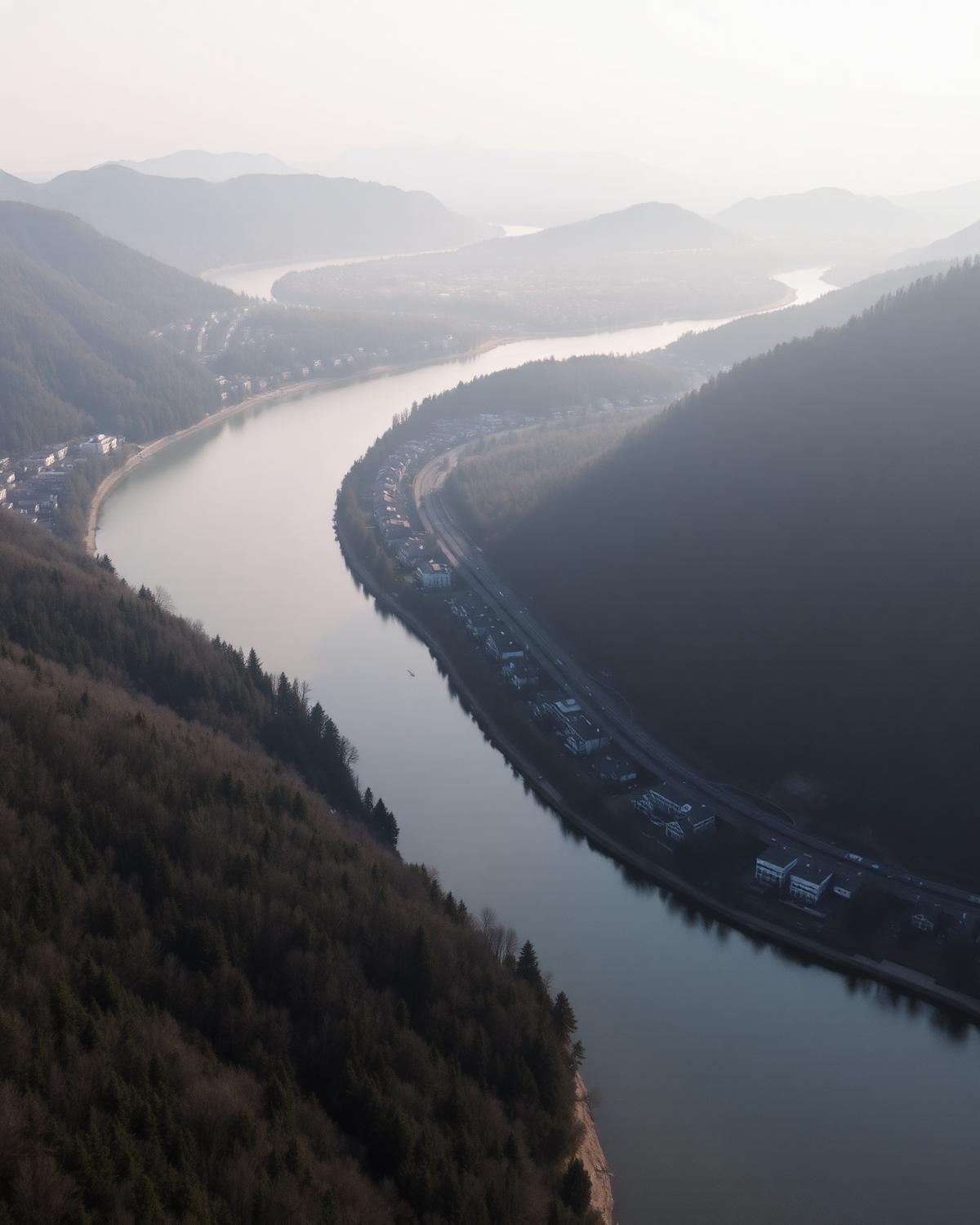
Where we run master framework in Cincinnati
The Master Framework for service businesses across Cincinnati and Hamilton County, plus the satellite towns crews already drive to. Every district below is targeted by name in campaigns, pages and profile service areas — not folded into a single city radius.
- Cincinnati districts
- Downtown Cincinnati · Over-the-Rhine · Mount Adams · Mount Auburn · Walnut Hills · East Walnut Hills · Hyde Park · Oakley · Mount Lookout · Clifton · Corryville · Northside · Camp Washington · Price Hill · East Price Hill · West Price Hill · Westwood · College Hill · Mount Airy · Madisonville · Pleasant Ridge · Kennedy Heights · Bond Hill · Sayler Park · Riverside · California · Columbia-Tusculum
- Beyond the county line
- Norwood · Wyoming · Madeira · Mariemont · Blue Ash · Montgomery · Sharonville · Springdale · Reading · Deer Park · Silverton · Loveland · Milford · Anderson Township · Green Township · Colerain Township · Delhi Township · Mount Healthy · Forest Park · Fairfield · Hamilton · Mason · West Chester · Liberty Township · Lebanon · Springboro · Batavia · Amelia · Bethel · Harrison · Cleves · Covington · Newport · Bellevue · Fort Thomas · Fort Wright · Erlanger · Florence · Independence · Union · Lawrenceburg · Hamilton County · Butler County · Warren County · Clermont County · Northern Kentucky · Ohio River valley · Mill Creek valley · Little Miami River valley
- ZIP codes covered
- 45202 · 45203 · 45204 · 45205 · 45206 · 45207 · 45208 · 45209 · 45211 · 45212 · 45213 · 45214 · 45215 · 45216 · 45217 · 45219 · 45220 · 45223 · 45224 · 45225 · 45226 · 45227 · 45229 · 45230 · 45231 · 45232 · 45233 · 45236 · 45237 · 45238 · 45239 · 45240 · 45241 · 45242 · 45243 · 45244 · 45245 · 45246 · 45247 · 45248 · 45249 · 45251 · 45252 · 45255 · 45140 · 45150 · 45174 · 45011 · 45014 · 45036 · 45039 · 45040 · 45044 · 45050 · 45069 · 45102 · 41011 · 41014 · 41015 · 41017 · 41042 · 41048 · 41071 · 41075 · 41076

Beat 06 · Installed together, in order
The site first, then organic depth, then paid search, then demand creation on social.
Sequence matters. The site goes first because everything lands there. Organic depth follows, because it lowers the cost of everything after it. Paid search comes next to capture the emergencies. Paid social comes last to create the planned-project pipeline.
Then it runs as one program, with one calendar, one budget and one accountable team — reviewed against booked work rather than channel vanity metrics.
That is the whole argument: in Cincinnati, these four channels bought separately underperform the same four channels installed together. The compounding only happens when nobody is optimizing in isolation.
Master Framework in Cincinnati — questions, answered
Because in Cincinnati each channel makes the others cheaper. Organic depth lowers what paid search must spend, paid social creates the branded demand that lifts organic and paid click-through, and the site raises conversion for all three at once. Starting with one is possible, but the compounding — and honest attribution — only appears when the four are coordinated by a single team.
Cost per booked job, reported by channel, neighborhood, trade and season — not rankings, clicks or reach in isolation. Every inbound call and form is tracked to the page and area that produced it, so budget can move toward the valleys, suburbs and services actually generating revenue during a given part of the Cincinnati year.
That is exactly the case it handles best. The service footprint is defined once and every channel targets the same map, with genuine location content, correct service-area data, cross-river paid targeting and reporting that separates the two sides of the river so you can see where the work and the margin actually come from.
The four Cincinnati pages, individually
Each discipline's own Cincinnati page — its own local search data, its own market detail, its own URL.
- SEO
Search Engine Optimization in Cincinnati
Cincinnati's trade market rewards businesses that respect the terrain. A Google Business Profile built around real Cincinnati buyer behavior — storm-driven basement water in the Mill Creek and Little Miami valleys, hillside settlement and retaining wall work across Price Hill and Mount Auburn, cast iron and clay failures in basin brick housing, cooling failures through humid August — is what separates a business that ranks from one buried under long-established family competitors. By anchoring your presence across Hamilton County and out into Butler, Warren, Clermont and Northern Kentucky, Extentus makes sure your business shows up wherever the hill or the river creates the next job.
Open page - Google Ads
Google Advertising in Cincinnati
Paid search in Cincinnati is a timing discipline. The metro's demand spikes come from storm runoff in the river and creek valleys, brutal July and August humidity, and late-winter freeze-thaw on graded lots — not from a single winter storm pattern. Extentus builds campaigns that shift budget by valley, hillside and county as conditions change, runs Local Services Ads alongside search where the trade qualifies, and tracks every call back to the neighborhood and the weather week that produced it.
Open page - Social Ads
Social Advertising in Cincinnati
Cincinnati's outdoor build season is short and its terrain is demanding, which makes paid social unusually effective here. Extentus runs Meta campaigns that put real hillside project proof in front of homeowners in the specific neighborhoods and suburbs a business can serve — Hyde Park, Oakley, Anderson Township, Mason, West Chester and across the river through Northern Kentucky — so the winter builds a pipeline instead of a lull, and spring starts with the schedule already filling.
Open page - Web Design
Web Design in Cincinnati
In Cincinnati the website is where three channels get decided. It has to load fast on a phone, show real proof on both 19th-century basin brick and newer suburban housing, name the neighborhoods and cross-river suburbs a business actually serves, and make calling effortless during a storm-driven emergency. Extentus builds sites that carry organic depth, receive paid clicks without wasting them, and convert the warm traffic paid social spent the winter creating.
Open page