Ready to advertise in Buffalo?
Call now — 385-985-0003Buffalo · Google Ads
Google advertising in Buffalo: bidding a city that measures demand in snowbands and hours
Buffalo's paid-search demand doesn't move gradually the way a milder metro's might — it snaps. A Hamburg homeowner searching for emergency roof snow removal at midnight because a lake-effect band just dumped two feet in three hours is a different click than a West Seneca homeowner searching for a burst-pipe plumber the next morning, and both are worlds apart from an Amherst homeowner in July comparing fence installation quotes, a few miles north of the same storm that never reached them. Google advertising here means bidding hyperlocal snowbands, no-heat winter emergencies and a compressed spring-through-fall build season as separate campaigns, while NYS contractor licensing verified through Local Services Ads decides which of those Erie County clicks are worth funding when a storm makes every minute count.
The short answer
Google advertising in Buffalo means paid search and Local Services Ads bought around lake-effect weather and a compressed build season — storm-triggered no-heat, plow and roof-snow emergencies concentrated in the Southtowns, then a roughly late-April-to-early-November window for fencing, concrete and epoxy — rather than one flat citywide bid, because a Hamburg snowband and a clear Amherst afternoon are different auctions on the same day. Extentus verifies NYS licensing, prices bids against those storm swings, and reports in booked jobs rather than clicks, with a more affordable market than Albany or NYC demanding tighter click-cost discipline.
Beat 01 · A Rust Belt city rebuilding under a lake-effect sky
Buffalo's paid-search demand starts with weather that changes block by block.
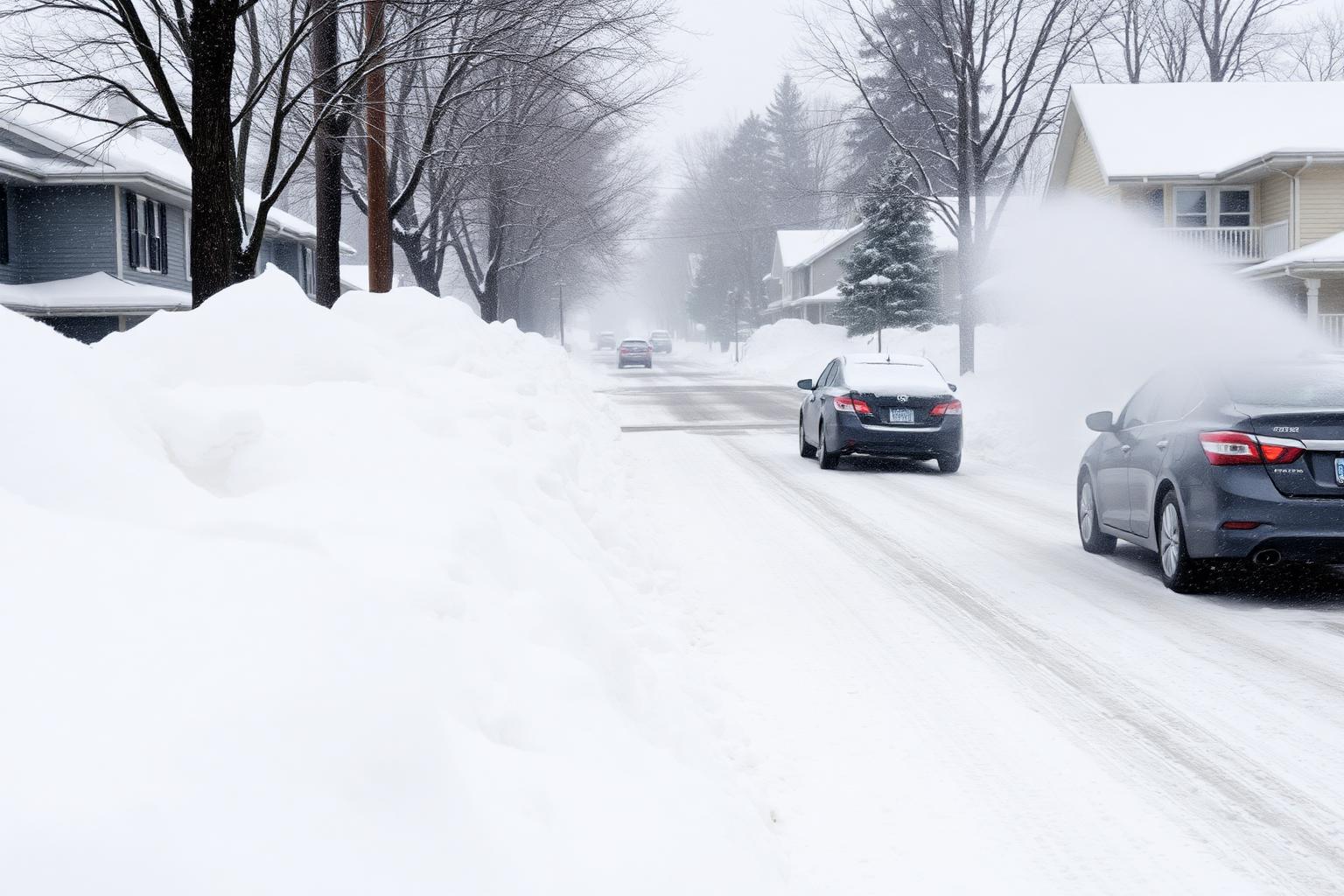
Drive fifteen minutes south from downtown Buffalo into Hamburg or Orchard Park during a lake-effect event and you can leave clear pavement behind and arrive in a snowband dumping two feet an hour, while Amherst and Williamsville twenty minutes north stay bone dry the entire time. That's not a rare fluke — it's how Lake Erie's moisture bands set up most winters, and it means a single citywide storm campaign misses exactly the neighborhoods that need it most and wastes spend on the ones that don't.
Layer in a regional economy still working through its Rust Belt transition, with a homeownership base that skews toward older housing stock and tighter household budgets than Albany or the New York City suburbs, and the buyer profile shifts too. A West Seneca or Cheektowaga homeowner searching for a furnace repair or a fence installer is comparing quotes more carefully and converting on a lower average ticket, which means every wasted click costs proportionally more here than in a pricier downstate market.
None of that shows up in a keyword list that just says "plumber buffalo ny." It shows up in the gap between a Hamburg homeowner searching for driveway plow service at 2am mid-storm and an Amherst homeowner browsing epoxy garage floor options on a calm Saturday, and an account that treats those the same way is bidding blind.
Beat 02 · The shift: from one Buffalo campaign to a storm-tracking calendar
A snowband hitting the Southtowns and a build-season lead in Clarence can't share a bid strategy.
The old approach to Buffalo paid search was a single geo-targeted campaign running year-round at a flat daily budget across the whole metro, bidding "hvac repair buffalo ny" and "fence contractor buffalo ny" at the same price whether or not a storm is on the ground. That wastes money in both directions: it overpays for fencing and concrete clicks in the dead of winter when nobody's building outdoors, and it underfunds furnace, plumbing and snow-removal campaigns in the exact hours a lake-effect band is driving searches from zero to a spike.
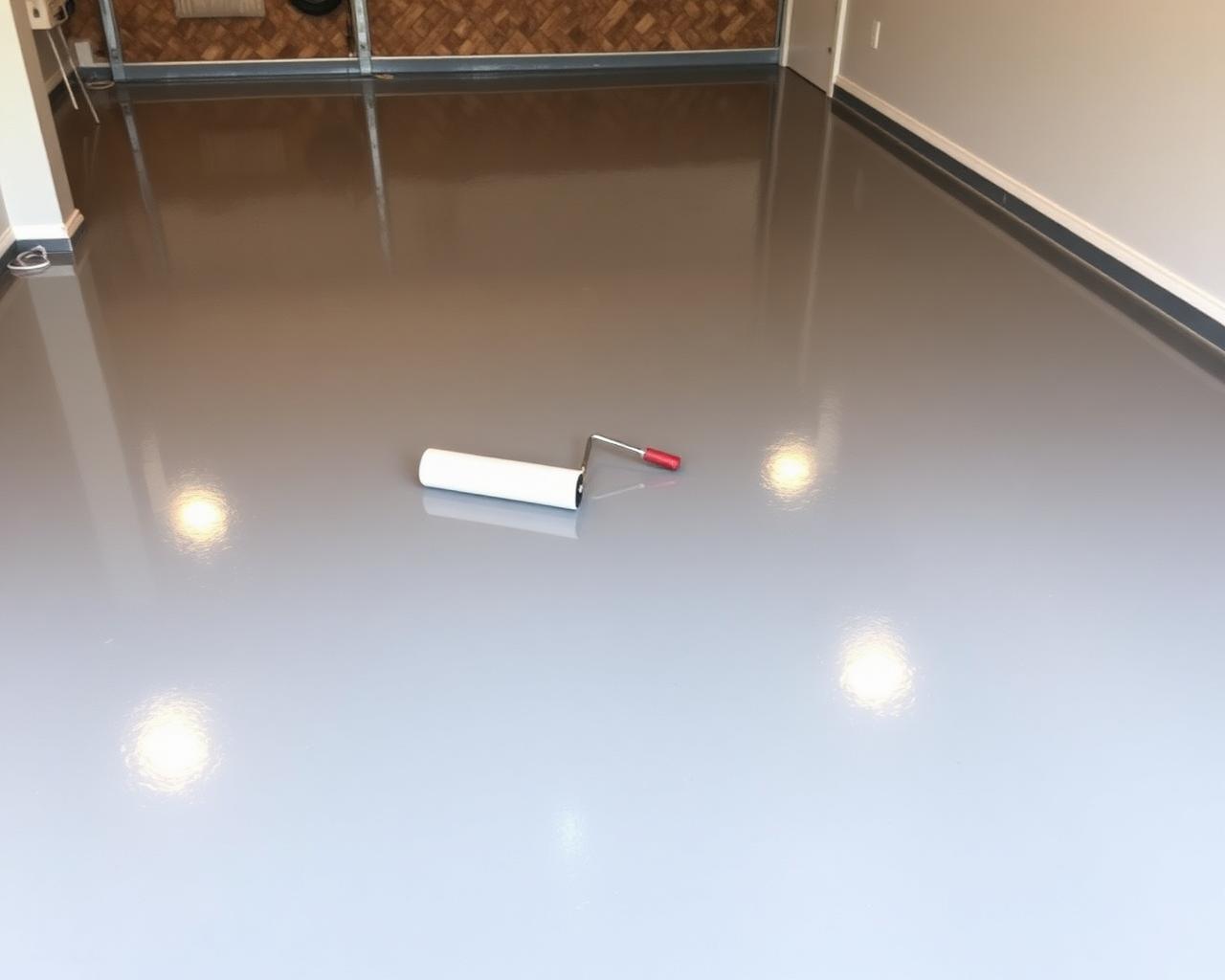
The shift is toward campaigns that track Buffalo's actual storm and season patterns. A winter-weighted campaign for furnace repair, burst-pipe response, roof snow removal and ice-dam damage ramps hard from November through March and surges further whenever a lake-effect advisory hits, with spend concentrated on the Southtowns communities most likely to be in the band that day. A build-season campaign for fencing, concrete resurfacing and epoxy garage floors ramps from late April through early November, when the ground has finally thawed and outdoor projects are back on the table, and idles through the coldest months.
That same logic extends geographically. Amherst, Williamsville, Cheektowaga, Tonawanda, Kenmore, West Seneca, Lackawanna, Hamburg, Orchard Park, Lancaster, Depew, Clarence, Grand Island and Niagara Falls each pull from the same regional labor pool but bid as distinct markets — Hamburg and Orchard Park carry heavier storm-emergency demand as lake-effect Southtowns, while Amherst and Williamsville skew toward steadier, higher-ticket build-season work, and treating the whole region as one radius bid misses that split entirely.
Beat 03 · The mechanism: NYS licensing verified first, then a storm-weighted split
Screened placement matters more when a stranger's coming to a snowbound house at 2am.
Google-screened Local Services Ads sit above standard paid search and charge per lead rather than per click, and in Buffalo that screening carries real weight: a homeowner calling for emergency roof snow removal or a burst-pipe repair in the middle of a storm is letting a contractor onto icy property in the dark, and wants proof of New York State licensing and insurance before that happens, not a cold-call scramble. Extentus confirms NYS contractor licensing and insurance before spend goes live, then disputes any lead that lands outside the neighborhoods actually being serviced.
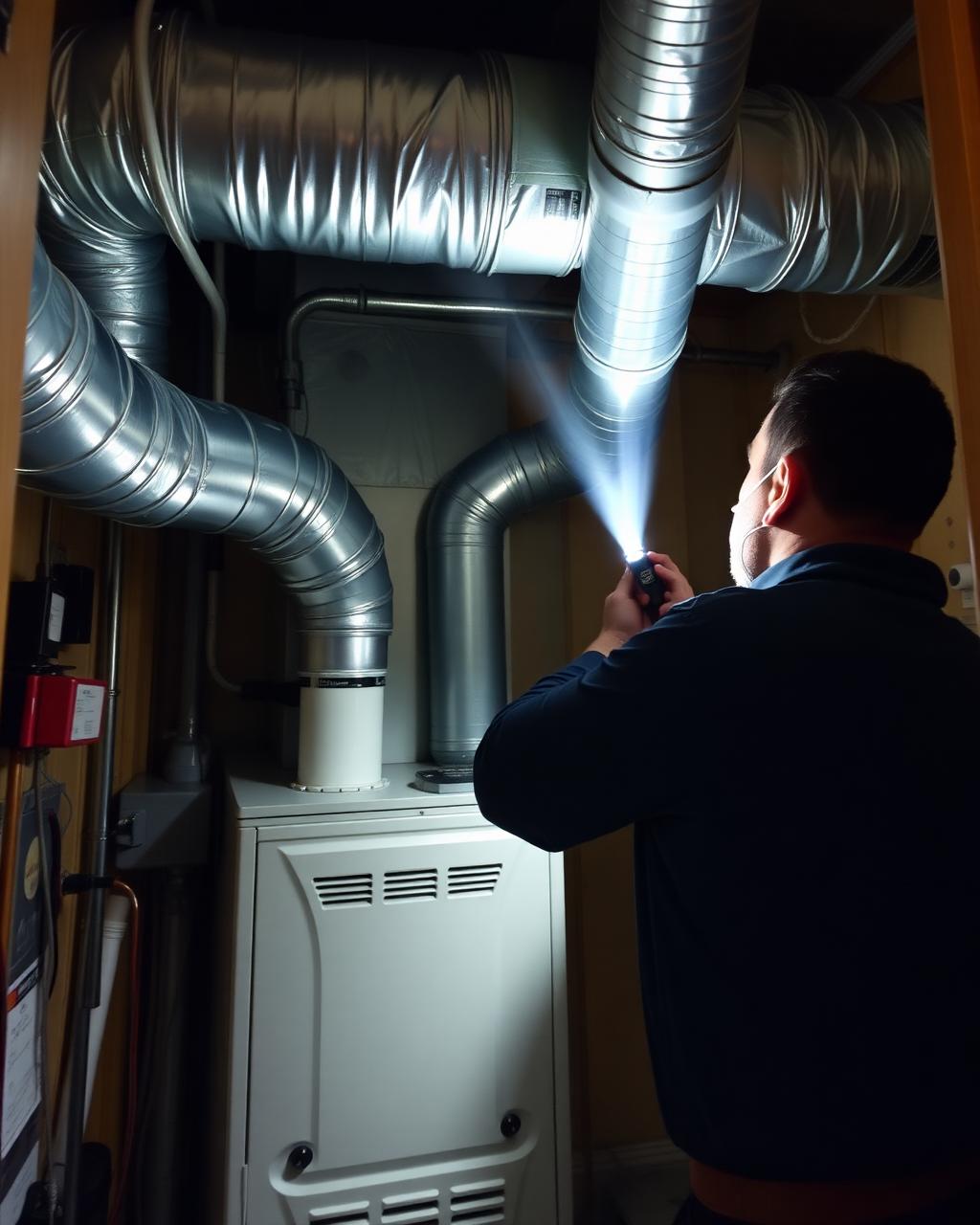
Underneath that, paid search runs on two tracks that flex against each other through the year: a storm-emergency track for no-heat calls, frozen and burst pipes, ice dams and roof snow load that surges the moment a lake-effect advisory posts and pulls back once the band moves on, and a build-season track for fencing, concrete and epoxy flooring that funds from late April through early November. Ad copy and landing pages shift with the trigger too — a mid-storm ad for roof snow removal leads with same-hour response in the Southtowns, while a June ad for a fenced backyard leads with the short window before the next contractor's calendar fills up.
Named campaigns for Amherst, Williamsville, Cheektowaga, Tonawanda, Kenmore, West Seneca, Lackawanna, Hamburg, Orchard Park, Lancaster, Depew, Clarence, Grand Island and Niagara Falls sit alongside the core Buffalo city campaign, because a homeowner in Clarence searching for a concrete contractor isn't competing in the same auction as one in a Hamburg snowband, and the urgency and ticket sizes differ enough to price separately.
Beat 04 · The number that makes it work
About 95 inches of average annual snowfall is what turns a keyword list into a storm calendar.
Buffalo averages roughly 95 inches of snow a year, most of it delivered not in steady flurries but in concentrated lake-effect bands that can drop two or three feet on one suburb while a neighboring one stays clear — the single fact that explains why a flat, storm-blind campaign structure fails here more than almost anywhere else Extentus operates.
Beat 05 · The contrast: paid buys the storm, organic buys the year
A ranking on the Buffalo master-framework page keeps working after the snowband moves on.
An organic ranking on Buffalo's <a href="/locations/new-york/buffalo/master-framework">Buffalo master-framework page</a> or a well-built SEO page for a specific trade keeps generating calls in July as much as during a January storm; a Google Ads campaign stops the hour spend stops. Paid search is exactly the right tool for hitting a snow-emergency spike hitting Hamburg this week or a build-season rush hitting Clarence this spring, but it builds nothing that survives being switched off — and switching it off deliberately, once a snowband clears or once the build season ends, is what keeps the account efficient.
Buffalo's more affordable market and generally lower average ticket sizes compared to Albany or the New York City suburbs mean click costs have to be managed tightly here — a wasted click stings more against a smaller job. That makes an organic foundation and a fast-loading, mobile-ready site even more important, since paid search and Local Services Ads are catching demand that already exists while organic keeps earning it for free, year-round, and social advertising can manufacture fresh demand for epoxy floors or fencing nobody in Grand Island was searching for yet.
Google Advertising is one of four. The Buffalo Master Framework page makes the case for running all four together, and what running only one costs a Buffalo service business.
Where we run google ads in Buffalo
Google Advertising for service businesses across Buffalo and Erie County, plus the satellite towns crews already drive to. Every district below is targeted by name in campaigns, pages and profile service areas — not folded into a single city radius.
- Buffalo districts
- Downtown Buffalo · Elmwood Village · Allentown · North Buffalo · South Buffalo · West Side · East Side · Black Rock · Riverside · Kaisertown · Lovejoy · Parkside · Hertel Avenue · University Heights · Larkinville · Old First Ward · Cobblestone District · Delaware Park · Central Park · Kenfield
- Beyond the county line
- Amherst · Cheektowaga · Tonawanda · North Tonawanda · Kenmore · West Seneca · Lackawanna · Hamburg · Orchard Park · Lancaster · Depew · Williamsville · Clarence · Grand Island · Niagara Falls · East Aurora · Eden · Blasdell · Elma · Alden · Erie County · Niagara County
- ZIP codes covered
- 14201 · 14202 · 14203 · 14204 · 14206 · 14207 · 14208 · 14209 · 14210 · 14211 · 14212 · 14213 · 14214 · 14215 · 14216 · 14217 · 14218 · 14219 · 14220 · 14221 · 14222 · 14223 · 14224 · 14225 · 14226 · 14227 · 14228 · 14043 · 14051 · 14052 · 14068 · 14075 · 14086 · 14127 · 14150 · 14304
Beat 06 · A calendar shaped by snowbands, freeze-thaw and a short building window
Buffalo rewards an account that treats the year as storm season and build season, not twelve identical months.
The checkable local reality: Buffalo's lake-effect winters push furnaces, plumbing and roofs past their limit in sudden, geographically narrow bursts, generating sharp spikes in no-heat, burst-pipe and roof-snow-removal searches concentrated in the Southtowns communities the storm actually hits, followed each spring by a freeze-thaw rush of cracked-driveway and concrete-resurfacing calls as the ground finally lets go of winter. The outdoor build season that follows — roughly late April through early November — is short, which concentrates a full year of fencing, concrete and epoxy budget into about seven months rather than spreading it evenly across twelve.
New York State contractor licensing, a Rust Belt economy still rebuilding around lower average ticket sizes than Albany or downstate New York, and a metro where Amherst, Williamsville, Cheektowaga, Tonawanda, Kenmore, West Seneca, Lackawanna, Hamburg, Orchard Park, Lancaster, Depew, Clarence, Grand Island and Niagara Falls each function as their own market all shape which campaigns are worth funding and when. Extentus bids each of those forces on its own schedule — storm-triggered emergency campaigns weighted toward the Southtowns, build-season campaigns weighted toward late April through early November, and named campaigns for each Erie County suburb — and reports what each one actually cost per booked job.
Google Ads in Buffalo — questions, answered
Because lake-effect snow hits in narrow bands — Hamburg or Orchard Park can get buried while Amherst stays clear the same afternoon. A citywide, storm-blind campaign either wastes budget where no storm hit or misses the surge in searches where one did. Storm-triggered, neighborhood-targeted bidding captures the spike where and when it actually happens.
Yes. Buffalo's market is generally more affordable than Albany or the New York City suburbs, so a wasted click costs proportionally more against a smaller average job. That means tighter click-cost discipline, more aggressive dayparting around actual storms and build-season windows, and less tolerance for a flat, unmanaged year-round budget.
Because fencing, concrete and epoxy garage floor demand is compressed into roughly late April through early November, once the ground has thawed and homeowners are ready to spend on outdoor projects. Funding those campaigns year-round wastes money in winter months when nobody in Erie County is searching for a fence installer.
The rest of the Buffalo set
- SEO
Search Engine Optimization in Buffalo
The channel that keeps producing calls in a city where lake-effect winters and century-old doubles set the pace of demand. A Google Business Profile built for Buffalo's permit offices, a heating-first service list instead of a cooling-first one, neighborhood and suburb pages for Elmwood Village, North Buffalo, South Buffalo, Amherst, Williamsville, Cheektowaga, Tonawanda, West Seneca and Orchard Park, and enough review-backed, New York-licensed proof to outrank a national franchise that has never priced a job against Buffalo's snow totals.
Open page - Social Ads
Social Advertising in Buffalo
The Western New York channel that creates the job before anyone types a query for it. Facebook and Instagram campaigns built from your own Buffalo-area job sites, aimed street by street across South Buffalo, the West Side, North Buffalo, Elmwood Village and the Southtowns, plus Amherst, Williamsville, Cheektowaga, Tonawanda, Kenmore, West Seneca, Hamburg, Orchard Park, Lancaster, Clarence, Grand Island and Niagara Falls — a market with a real winter indoor-remodel season and a much cheaper, local-loyal social auction than a coastal metro.
Open page - Web Design
Web Design in Buffalo
Sites built for a Buffalo buyer who is cold, careful with money, or checking credentials before committing: a click-to-call button sized for gloves that still loads fast on a weak cell signal during a storm, plain after-hours and emergency-availability language for plumbing and HVAC failures, pricing and value messaging that respects an affordable Rust Belt housing market instead of quoting like a coastal metro, visible New York State licensing and insurance for the buyer who checks before they call, real project galleries from century-old wood-frame doubles and Southtowns homes, and named pages for Buffalo, Amherst, Williamsville, Cheektowaga, Tonawanda, Kenmore, West Seneca, Lackawanna, Hamburg, Orchard Park, Lancaster, Clarence, Grand Island and Niagara Falls instead of one page pretending Erie and Niagara counties are a single neighborhood.
Open page - All four — recommended
The Master Framework in Buffalo
All four channels, installed together for Buffalo's lake-effect winter, its storm-driven emergency spikes, its short outdoor build season and its spread across Amherst, Williamsville, Cheektowaga, Tonawanda, Kenmore, West Seneca, Lackawanna, Hamburg, Orchard Park, Lancaster, Depew, Clarence and Grand Island. One strategy across SEO, Google advertising, social advertising and web design, with spend shifted the moment a storm band moves through Erie County — and one accountable number.
Open page