Carson City · The Master Framework
The Master Framework in Carson City: a market small enough to own completely.
Nevada's capital is roughly 58,000 people at 4,700 feet, with a stable state payroll, housing that mostly predates 1980, and a working radius that runs south into the Carson Valley and east along Highway 50. It is far too small to buy four separate marketing vendors, and exactly the right size for one system that covers the whole thing.
The short answer
The Master Framework in Carson City installs SEO, Google Ads, paid social, and web design as a single system for a small four-season capital market. Because Nevada's capital produces only tens of local searches per month, no single channel can carry a business: paid social creates demand, paid search captures freeze-week emergencies, organic builds a durable low-difficulty position across Carson City and the Carson Valley, and the site converts all three. One team, one budget, one report of cost per booked job by community.
Beat 01 · Four vendors do not fit a market this size
Carson City is too small to pay four agencies to argue about credit.
A capital of roughly 58,000 cannot support four separate retainers, four separate reports, and four separate stories about which channel produced the work. The math simply does not clear.
It also does not need four. The market is finite and mappable: a defined city, three corridors, a known set of trades, and a seasonal calendar anyone can read off a thermometer.
One system priced as one engagement is not a convenience here — it is the only structure that leaves margin for the actual work.
Beat 02 · No single channel can carry the market alone
Each channel here has a hard ceiling, and only together do they clear it.
Search volume caps organic and paid: tens of queries a month, not thousands. Paid social has no ceiling on reach but no urgency signal. The website converts but generates nothing on its own.
So the division of labor is structural rather than stylistic. Social creates demand for fencing, concrete, patios, and epoxy that nobody was searching for. Paid search takes the December no-heat call. Organic makes both progressively cheaper. The site closes.
Remove any one of the four in Carson City and the system does not weaken evenly — it loses either its entry point or its close.
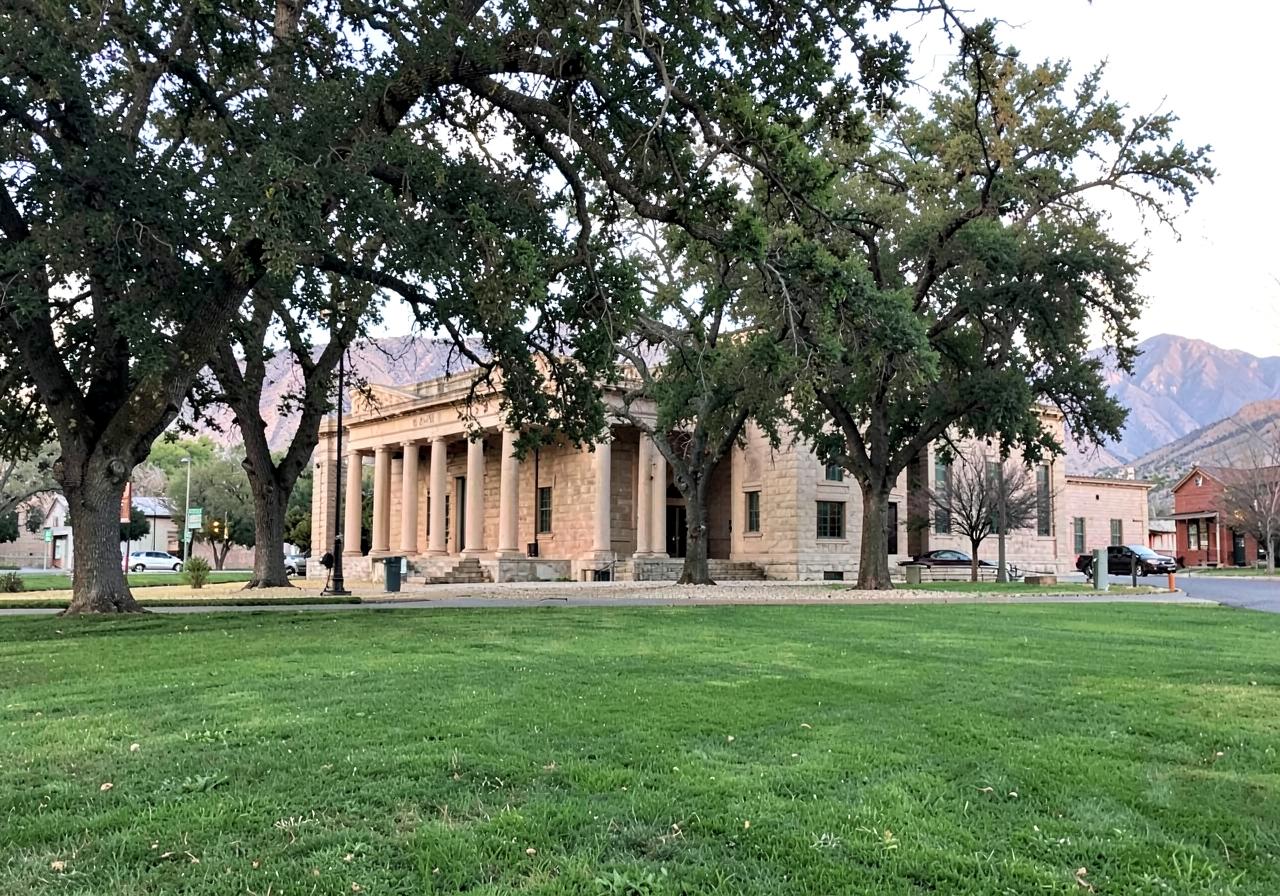
Beat 03 · A capital calendar, not a metro calendar
State payroll, legislative sessions, and hard freezes set the planning windows.
Nevada's Legislature meets 120 days in odd-numbered years and the state's fiscal year turns in July, which moves agency and contractor budgets on a two-year rhythm rather than an annual one. Household spending follows a steady public payroll rather than a tourist season.
Weather sets the rest. October is winter preparation, November through March is emergency season, March through June is freeze-thaw repair, and summer is the finishing window at 4,700 feet.
Budget moves between channels across those windows — heavier paid search during cold fronts, heavier social before spring — which is only possible when one team controls all four.
Beat 04 · The trade area is three corridors wide
Carson City, the Carson Valley, and Highway 50 east are one market with three characters.
US-50 runs east through Mound House, Dayton, Stagecoach, and Silver Springs, newer and more affordable, still on first-finish work.
US-395 runs south to Minden, Gardnerville, Genoa, Johnson Lane, and Indian Hills — larger lots, ranch property, long fence lines — and north through Washoe Valley.
Carson City itself holds the oldest housing and the public-sector employment core, with light industry along the Highway 50 East corridor and the airport industrial park.
One system can hold all three because it reports by corridor: cost per booked job for Carson City, for the Carson Valley, and for Dayton, rather than one blended number that hides where the work came from.
Beat 05 · Attribution is the difference between guessing and knowing
In a demand-creation market, single-channel reporting is actively misleading.
When paid social creates the interest and the homeowner later searches the business by name, the last click lands on search and paid search claims a conversion it did not create. Four vendors will each report a win on the same job.
Extentus reports one set of numbers: qualified inbound by channel and by community, cost per qualified inbound, and the pages and creative responsible for it.
In a small market that clarity is worth more than any single tactic, because there is no volume to hide a bad allocation decision.
The Master Framework is one of four. The Carson City Master Framework page makes the case for running all four together, and what running only one costs a Carson City service business.
Where we run framework in Carson City
The Master Framework for service businesses across Carson City and Carson City (independent consolidated municipality), plus the satellite towns crews already drive to. Every district below is targeted by name in campaigns, pages and profile service areas — not folded into a single city radius.
- Carson City districts
- Downtown Carson City · West Side Historic District · Eagle Valley · North Carson · South Carson · College Parkway · Kings Canyon · Lakeview · Timberline · Silver Oak · Empire · Mound House edge · Airport Industrial Park · Highway 50 East corridor · Capitol Complex · Western Nevada College area · Carson Street corridor · Northridge · Long Street area · Clear Creek
- Beyond the county line
- Minden · Gardnerville · Genoa · Indian Hills · Johnson Lane · Dayton · Mound House · Stagecoach · Silver Springs · Washoe Valley · New Washoe City · Virginia City · Carson Valley · Douglas County · Lyon County · Storey County · Lake Tahoe · Zephyr Cove · Glenbrook · Reno · South Lake Tahoe · Sierra Nevada foothills · Carson Range · Eagle Valley · Northern Nevada
- ZIP codes covered
- 89701 · 89702 · 89703 · 89704 · 89705 · 89706 · 89711 · 89712 · 89713 · 89714 · 89721
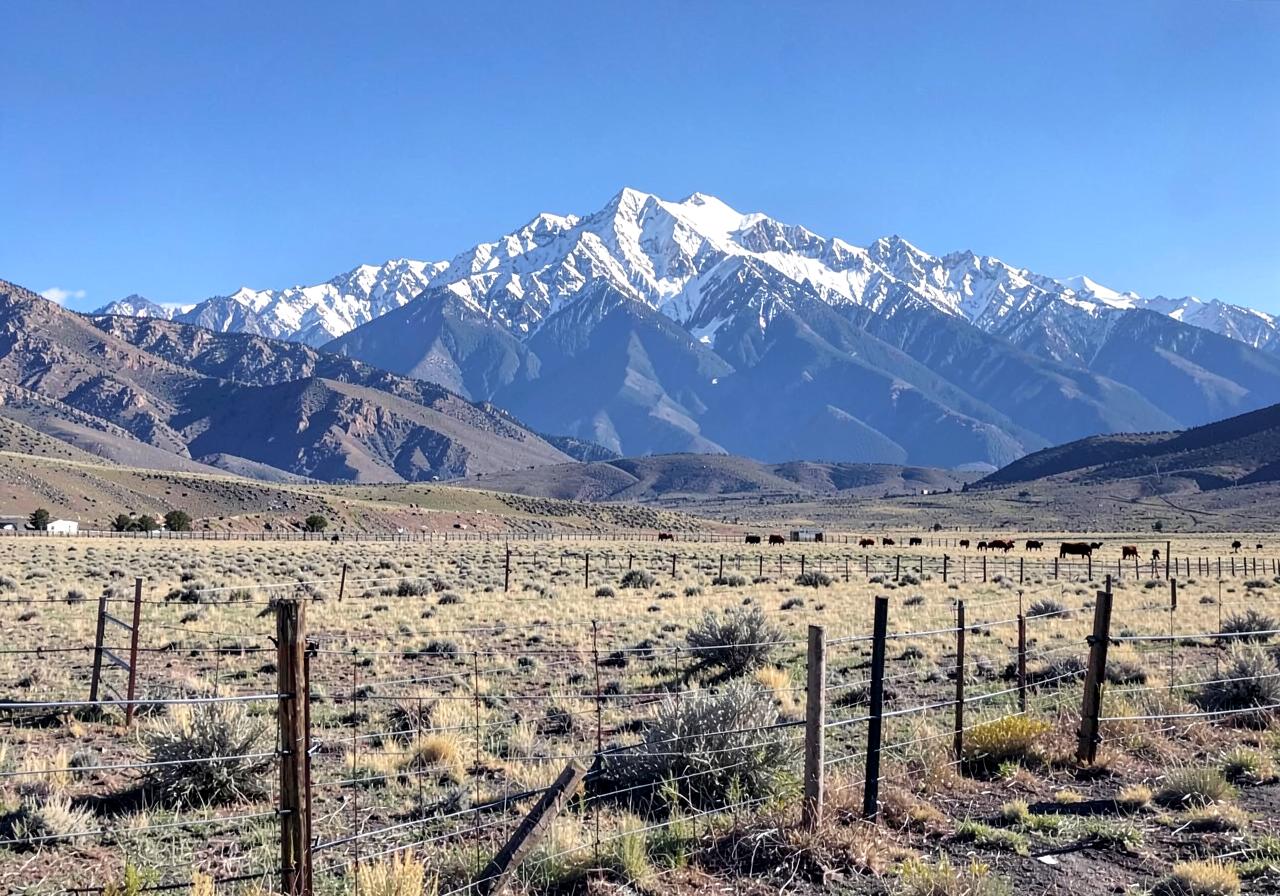
Beat 06 · Own the capital, then hold it
A market this size can be genuinely owned, and that position compounds.
Difficulty scores here sit near the bottom of the scale and few competitors have built anything Carson City-specific. A business that installs all four channels does not fight for share monthly — it holds a position that gets cheaper to defend every quarter.
That is the real argument for the framework in Nevada's capital: not four services bundled for convenience, but the only structure that fits a small four-season market where demand has to be created, captured, and converted by the same team.
Talk with us and we will map which order makes sense for your trade, your corridor, and your season.
Framework in Carson City — questions, answered
Because each one has a hard ceiling here. Nevada's capital produces only tens of local searches a month, so organic and paid search alone cannot fill a crew's calendar; paid social can reach nearly every homeowner in Carson City and the Carson Valley cheaply but carries no urgency signal; and the website converts but generates nothing. Installed together, social creates demand, paid search catches freeze-week emergencies, organic lowers the cost of both, and the site closes all three.
It follows a public-sector and mountain-climate calendar. The Legislature meets 120 days in odd-numbered years and the state fiscal year turns in July, so agency and contractor budgets move on a two-year rhythm, while household spending tracks a steady state payroll rather than a tourist season. Weather sets the rest: winter prep in October, emergency heating and plumbing from November to March, freeze-thaw repair from March to June, and the finishing window through summer at roughly 4,700 feet.
Yes, if it reports by corridor instead of averaging. A Carson City crew works US-395 south to Minden, Gardnerville, Genoa, Johnson Lane, and Indian Hills, US-50 east through Mound House, Dayton, Stagecoach, and Silver Springs, and Washoe Valley north. Those corridors have different lot sizes, housing ages, and competitors, so each carries its own pages, its own audiences, and its own cost-per-booked-job target inside one engagement.
The rest of the Carson City set
- SEO
Search Engine Optimization in Carson City
Carson City is small enough that the entire search market can be mapped in an afternoon and specific enough that generic pages lose to local ones immediately. A profile addressed in Carson City, content that names Eagle Valley, the west side, north Carson, south Carson, and the Carson Valley towns just south, and seasonal pages built for freeze season rather than desert heat put a trade in front of the people actually searching. Extentus builds that presence around how a capital of roughly 58,000 really buys.
Open page - Google Ads
Google Advertising in Carson City
Paid search in a capital of 58,000 is not a volume play. It is a coverage play: be present for the small number of high-intent moments — no heat, no water, frozen line, cracked slab — across Carson City, the Carson Valley, and the Highway 50 corridor, and spend nothing on the rest. Extentus runs tight geography, seasonal pacing, and call tracking so every dollar maps to a booked job.
Open page - Social Ads
Social Advertising in Carson City
Carson City and the Carson Valley are cheap to reach and easy to define: a compact population, a stable state-employed base, and clearly bounded communities. Extentus runs paid social to create the demand that search cannot supply — winter prep in the fall, repair work in the spring, finishing projects in the summer — and retargets everything the other channels touch.
Open page - Web Design
Web Design in Carson City
Carson City sites carry more weight than metro sites because there is less traffic to lose. Extentus builds fast, mobile-first, structurally clean websites with genuine service-area pages for the Carson Valley and the Highway 50 corridor, seasonal landing pages for freeze emergencies and spring repair, and the license, insurance, and proof detail that a deliberate, largely state-employed buyer looks for before calling.
Open page