Ready to advertise on social in Atlanta?
Call now — 385-985-0003Atlanta · Social Advertising
Social advertising in Atlanta: the metro adds households faster than search demand appears
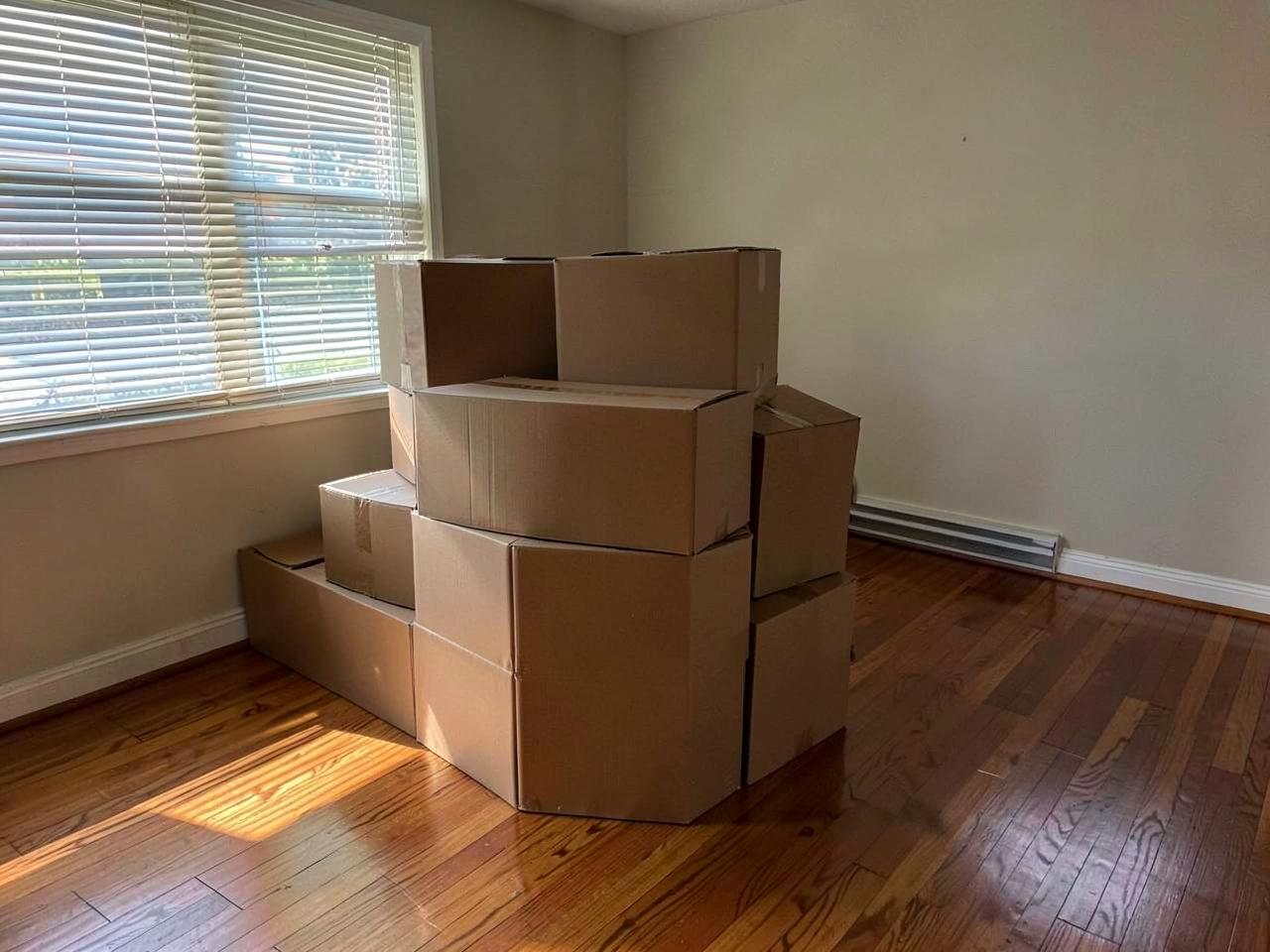
A family closing on a Forsyth County new build has no plumber, no HVAC company and no fence contractor yet. They will pick all three within a year, and none of those choices will start as a search — they will start as something they saw while the boxes were still stacked in the living room.
The short answer
Social advertising in Atlanta, Georgia works because the metro's growth creates demand before search demand exists. New owners across Fulton, DeKalb, Cobb, Gwinnett, Cherokee, Forsyth, Henry and Douglas counties spend their first year choosing every home-services provider they will use, so the highest-return audience is households within ninety days of a closing. Beyond that: separate creative for new-construction subdivisions and for pre-1940 in-town homes, seasonal campaigns tied to spring pollen and severe-storm season, before-and-after video of real local work, and retargeting of every visitor search already paid for.
Beat 01 · Demand here arrives before the search does
Metro Atlanta's growth is a queue of households who have not chosen anyone yet.
Atlanta keeps pulling people in — logistics and airport employment, corporate relocations, film and television production, a growing technology and fintech base — and every one of those arrivals becomes a homeowner or a long-term renter with a list of providers to pick. That list gets filled once and then defended for years.
Search cannot reach them at that moment, because they are not searching yet. There is no query for a household that has not yet discovered the ductwork is undersized or that the back yard needs a fence before the dog arrives.
Social can. Audiences built on recent movers, new-construction subdivisions and neighbourhood-level geography put a local business in front of exactly those households in the weeks when their preferences are still unformed — which is the cheapest moment to be chosen in the entire cycle.
Beat 02 · The shift: from one metro audience to distinct household types
A 1928 bungalow owner and a 2024 subdivision buyer do not respond to the same advert.
In-town Atlanta households in Grant Park, Kirkwood, Virginia-Highland, West End and Cascade Heights own older houses: crawlspaces, original laterals, plaster walls, mature trees over the roof, renovation projects with permits and character constraints. Their creative is restoration-flavoured — careful work, older-home expertise, evidence.
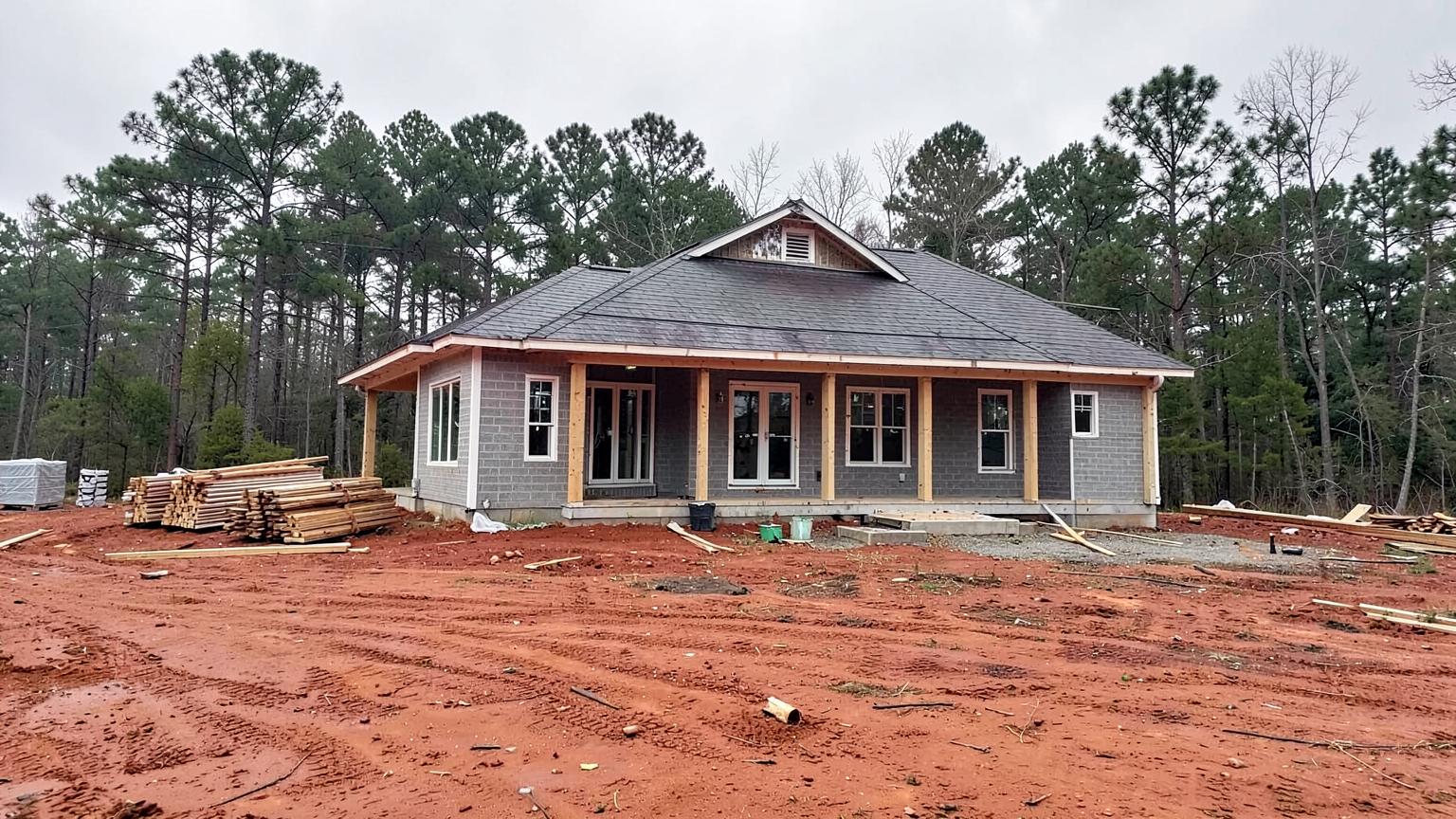
New-construction households in Forsyth, Cherokee, Paulding, Henry and outer Gwinnett own houses that are new but unfinished in the ways that matter: bare graded clay yards, no fence, no patio, no gutters where they need them, no garage floor coating, builder-grade equipment. Their creative is completion-flavoured — finish the yard, finish the garage, protect the slope.
And between them sits the largest group: 1970s-to-2000s suburban houses now hitting their first big replacement cycle — systems, roofs, decks, driveways, kitchens. Three audiences, three messages, one budget allocated on purpose rather than averaged.
Beat 03 · Mechanism: new-mover audiences, neighbourhood geography, seasonal creative, retargeting
Four layers that only work when they are built as one campaign, not four boosts.
First the new-mover layer: households recently arrived in named counties and subdivisions, served an offer sized to a first job rather than a whole-house project — a maintenance visit, a drainage assessment, a fence quote — because the first small job is what buys the next five years of work.
Second the geography layer: neighbourhood-level targeting rather than metro-wide, so the creative can name Marietta or Decatur or Alpharetta and show work done there. In a metro this large, specificity is what makes a paid impression feel local rather than national.
Third the seasonal layer: pollen-season system tune-ups and coil cleaning in spring, storm-preparedness and generator messaging through severe-weather season, exterior projects in autumn while the clay is still workable. Fourth, retargeting: every organic and paid visitor gets seen again, which is how the expensive search click stops being a one-shot purchase.
Beat 04 · The number
90
Ninety days after closing is the window that matters most in metro Atlanta. Inside it, households choose their HVAC company, their plumber, their electrician, their lawn and pest provider and often their fence and concrete contractor — usually from whoever was visible, not whoever was cheapest.
That window is invisible to search and cheap on social, because you are competing for attention rather than bidding against every contractor in the metro for the same emergency keyword at trade click prices.
Miss it and you spend the next five years trying to buy that household back one expensive click at a time.
Beat 05 · The contrast
A boosted post of a truck, aimed at everyone within fifty miles of Atlanta.
It shows equipment instead of a finished sloped back yard, names no suburb, offers no reason to act now, targets an audience of six million people who mostly live outside any profitable drive time, and reports reach and likes rather than booked jobs.
That is not social advertising, it is a donation. Worse, it teaches the owner that social does not work in Atlanta — when what did not work was one untargeted post competing against professionally built campaigns.
The businesses winning social here run new-mover audiences, neighbourhood geography, seasonal creative and retargeting together, and count booked jobs.
Social Advertising is one of four. The Atlanta Master Framework page makes the case for running all four together, and what running only one costs a Atlanta service business.
Where we run social ads in Atlanta
Social Advertising for service businesses across Atlanta and Fulton County, plus the satellite towns crews already drive to. Every district below is targeted by name in campaigns, pages and profile service areas — not folded into a single city radius.
- Atlanta districts
- Downtown Atlanta · Midtown · Buckhead · Old Fourth Ward · Inman Park · Virginia-Highland · Poncey-Highland · Grant Park · East Atlanta Village · Kirkwood · Edgewood · Reynoldstown · Cabbagetown · Candler Park · Morningside · Brookwood · West End · West Midtown · Vine City · Adair Park · Cascade Heights · Collier Heights · Bankhead · Peachtree Hills · Chastain Park · Sandy Springs corridor · Perimeter Center · Brookhaven · Chamblee · Decatur · Tucker · Hapeville · East Point · College Park
- Beyond the county line
- Sandy Springs · Dunwoody · Brookhaven · Chamblee · Doraville · Decatur · Avondale Estates · Tucker · Stone Mountain · Clarkston · Scottdale · Smyrna · Marietta · Kennesaw · Acworth · Powder Springs · Austell · Mableton · Vinings · Roswell · Alpharetta · Milton · Johns Creek · Duluth · Norcross · Peachtree Corners · Suwanee · Lawrenceville · Snellville · Lilburn · Grayson · Loganville · Conyers · Covington · Stockbridge · McDonough · Hampton · Jonesboro · Riverdale · Union City · Fairburn · Palmetto · Fayetteville · Peachtree City · Newnan · Douglasville · Lithia Springs · Villa Rica · Dallas GA · Hiram · Woodstock · Canton · Cumming · Fulton County · DeKalb County · Cobb County · Gwinnett County · Clayton County · Cherokee County · Forsyth County · Henry County · Douglas County · Fayette County · Coweta County · Paulding County · Rockdale County · Interstate 285 Perimeter · Interstate 75 corridor · Interstate 85 corridor · Interstate 20 corridor · Georgia 400 corridor · Hartsfield-Jackson airport area · Chattahoochee River · Stone Mountain Park area
- ZIP codes covered
- 30301 · 30303 · 30305 · 30306 · 30307 · 30308 · 30309 · 30310 · 30312 · 30313 · 30314 · 30315 · 30316 · 30317 · 30318 · 30319 · 30324 · 30326 · 30327 · 30329 · 30331 · 30337 · 30342 · 30345
Beat 06 · Local close
Be chosen while the boxes are still stacked in the living room.
Metro Atlanta's growth means the pool of unattached households refills every single month, in every county in the ring. That is a structural advantage no other channel can reach at the same price, and it is available to any local business willing to be visible before the emergency rather than only during it.
So the plan is simple: reach the arrivals early with an offer sized to a first job, speak differently to the bungalow owner and the new-build owner, spend heavier through pollen season and storm season, and retarget everything the other channels touched.
Then search stops being the only way you get found, and the households you reached first stop shopping the market at all.
Social Ads in Atlanta — questions, answered
Because the metro grows primarily through in-migration, and a household chooses nearly every home-services provider it will use within the first year after closing. Reaching them inside the first ninety days is far cheaper than bidding against every contractor in the metro for the same emergency search term two years later.
At neighbourhood and county level rather than metro level, with separate creative for in-town older homes, established 1970s-to-2000s suburbs and new-construction subdivisions on the outer edge. Each set names the area and shows work done there, and each is measured separately so budget moves toward the areas that clear your drive-time and margin math.
Real local work rather than stock imagery: a fence stepping down a clay slope, a drainage trench cut through red soil, a garage floor coated, an attic duct run replaced, a bare new-build yard finished. Short before-and-after video with a specific, seasonally relevant offer consistently outperforms polished brand content in this market.
The rest of the Atlanta set
- SEO
Search Engine Optimization in Atlanta
Atlanta is one of the largest and most contested home-services search markets in the country, spread across thirteen counties. Extentus builds an organic footprint suburb by suburb on the vocabulary this metro genuinely types — clay, slope, drainage, pollen, attic ducts, crawlspaces, storm damage — rather than one page trying to claim the whole map.
Open page - Google Ads
Google Advertising in Atlanta
Metro Atlanta has some of the most expensive trade clicks in the country and thirteen counties of coverage to argue about. Extentus manages Google Ads here around drive time first, then intent — emergency separated from planned, budget weighted toward heat waves and storm weeks, and every dollar tracked to a qualified call.
Open page - Web Design
Web Design in Atlanta
Metro Atlanta has expensive clicks and sophisticated competitors, so the website is the highest-leverage asset a local business owns. Extentus builds sites as conversion infrastructure: fast, structured for crawlers and answer engines, honest about coverage and price, and specific to Atlanta's clay, slope and housing stock.
Open page - All four — recommended
The Master Framework in Atlanta
The localized bundle argument for Atlanta: how web design, SEO, Google Ads and social advertising compound in a metro with thirteen counties, the highest trade click prices in the Southeast, relentless in-migration and a drive-time constraint that decides profitability — measured as one number rather than four.
Open page