Atlanta, Georgia
Atlanta Marketing Built for a Metro That Spans Thirteen Counties
A city under a tree canopy, wrapped by a sixty-mile perimeter highway, feeding the busiest passenger airport on earth. Marketing that treats Atlanta as one dot on a map spends most of its budget driving crews through traffic they will never bill for.
Five dedicated Atlanta pages
Each discipline has its own Atlanta page — its own local search data, its own market detail, its own URL.
- SEO
Search Engine Optimization in Atlanta
Atlanta is one of the largest and most contested home-services search markets in the country, spread across thirteen counties. Extentus builds an organic footprint suburb by suburb on the vocabulary this metro genuinely types — clay, slope, drainage, pollen, attic ducts, crawlspaces, storm damage — rather than one page trying to claim the whole map.
Open page - Google Ads
Google Advertising in Atlanta
Metro Atlanta has some of the most expensive trade clicks in the country and thirteen counties of coverage to argue about. Extentus manages Google Ads here around drive time first, then intent — emergency separated from planned, budget weighted toward heat waves and storm weeks, and every dollar tracked to a qualified call.
Open page - Social Ads
Social Advertising in Atlanta
In-migration is metro Atlanta's most valuable audience signal. Extentus runs social advertising that reaches new owners in their first ninety days, speaks separately to new-construction and older-home households, works the pollen and storm seasons, and retargets everyone search already paid to reach.
Open page - Web Design
Web Design in Atlanta
Metro Atlanta has expensive clicks and sophisticated competitors, so the website is the highest-leverage asset a local business owns. Extentus builds sites as conversion infrastructure: fast, structured for crawlers and answer engines, honest about coverage and price, and specific to Atlanta's clay, slope and housing stock.
Open page - All four — recommended
The Master Framework in Atlanta
The localized bundle argument for Atlanta: how web design, SEO, Google Ads and social advertising compound in a metro with thirteen counties, the highest trade click prices in the Southeast, relentless in-migration and a drive-time constraint that decides profitability — measured as one number rather than four.
Open page

Atlanta is Georgia's capital and the economic center of the Southeast, and its economy is diversified in a way nothing else in this rollout has been. Logistics and transportation sit at the middle of it — Hartsfield-Jackson has ranked as the world's busiest passenger airport for most of the past three decades, and the interstate junction it feeds moves freight across the whole region. Around that sit a dense cluster of corporate headquarters, one of the largest film and television production bases in the United States, and a technology and fintech sector that keeps pulling in people who did not grow up here.
That growth is the market. Metro Atlanta gains population year after year through in-migration, and every arrival becomes a homeowner or renter who eventually needs an HVAC system replaced, a fence installed on a sloped clay lot, a driveway repoured, a garage floor coated, a crawlspace dried out or a kitchen redone. The demand is enormous and so is the competition: more contractors bid here, click prices run higher, and the map pack changes with every mile you move. Extentus builds a business's website, search presence, paid media and social advertising as one coordinated plan sized to that reality.
What makes the Atlanta market distinct
Start with the housing stock, because it splits the work in half. Inside the city you have 1910s-to-1930s bungalows and four-squares in Grant Park, Kirkwood, Virginia-Highland, West End and Cascade Heights: knob-and-tube leftovers, crawlspaces, original clay sewer laterals, plaster, and renovation budgets that skew high. Outside I-285 you have three waves of subdivision — 1970s and 1980s Cobb and DeKalb ranches, 1990s and 2000s Gwinnett, Cherokee and Henry two-storeys, and brand-new construction pushing into Forsyth, Paulding and Coweta. Those are three completely different service conversations, and a single city-wide page has to pick one.
Then the ground and the weather. This is Piedmont red clay over granite, on rolling terrain — which means sloped lots, retaining walls, drainage that has to be engineered rather than assumed, footings that behave differently from sand or loam, and fence lines that step down a grade. Summers are hot and humid enough to run condensers for five months; spring drops a pine and oak pollen load that fouls coils and lawns; severe thunderstorm season drops limbs onto roofs and cuts power; and the rare winter ice event shuts the metro down for days and rewrites a week of scheduling.
And the buyer's schedule. Atlanta runs on shifts and commutes: airport and logistics staff working overnight rotations, film crews on production hours, corporate households whose only free window is a Saturday morning. That changes when the phone rings, which channel catches it, and what a website has to do at eleven at night when nobody is answering.
Search: the vocabulary of clay, canopy and the Perimeter
The organic field here is deep enough that generalist pages simply do not surface. Our SEO services in Atlanta claim what this metro genuinely types — heat pump and AC replacement, attic ductwork and insulation, sewer line and crawlspace repair, retaining walls and yard drainage on clay, fence installation on a slope, driveway and patio concrete, epoxy garage floors, storm and limb damage repair — then attach each of those to the places people name instead of the city: Buckhead, Decatur, Sandy Springs, Marietta, Alpharetta, Smyrna, Dunwoody, Duluth, Lawrenceville, Douglasville, McDonough.
Google advertising: geography first, then intent
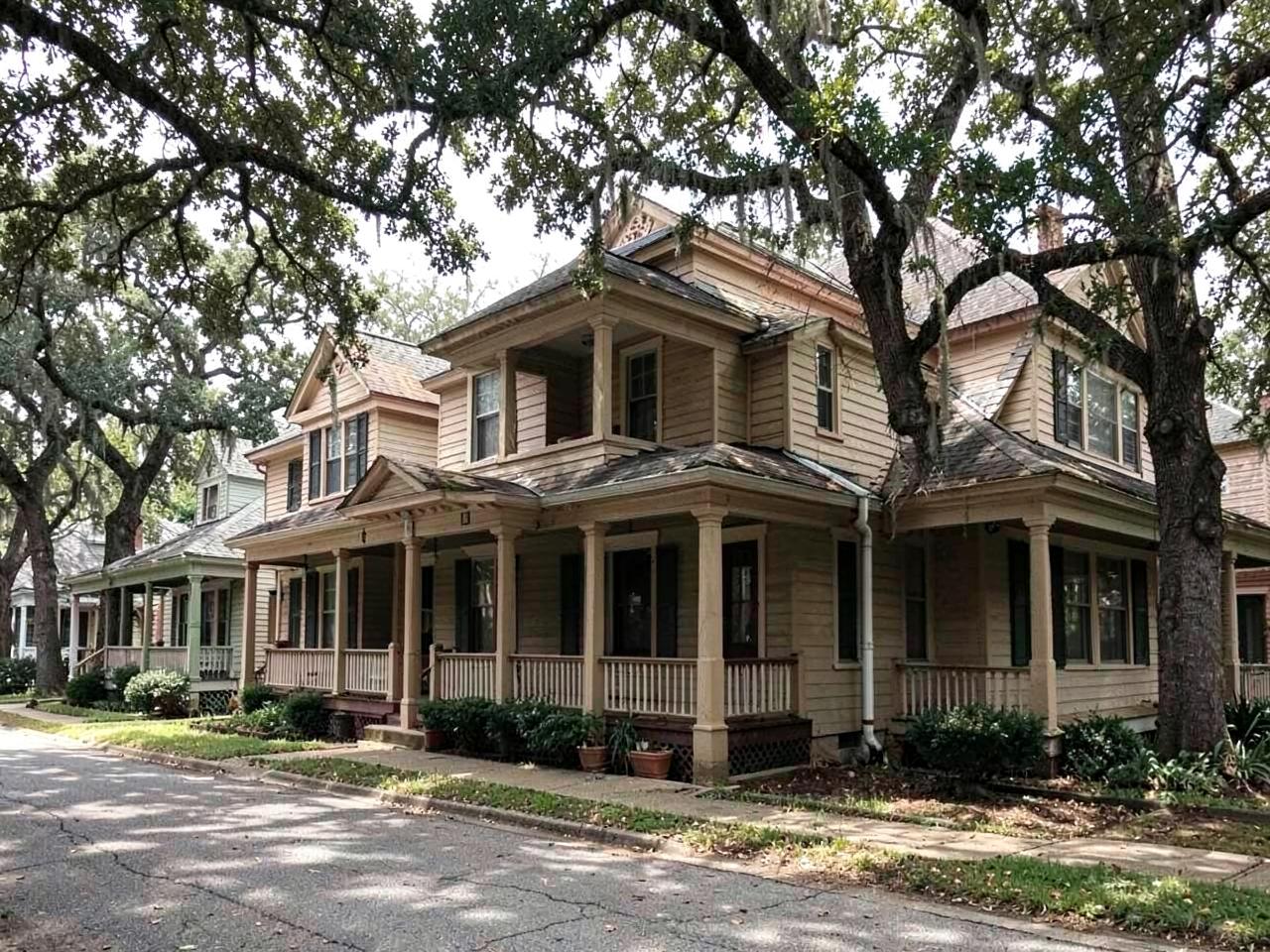
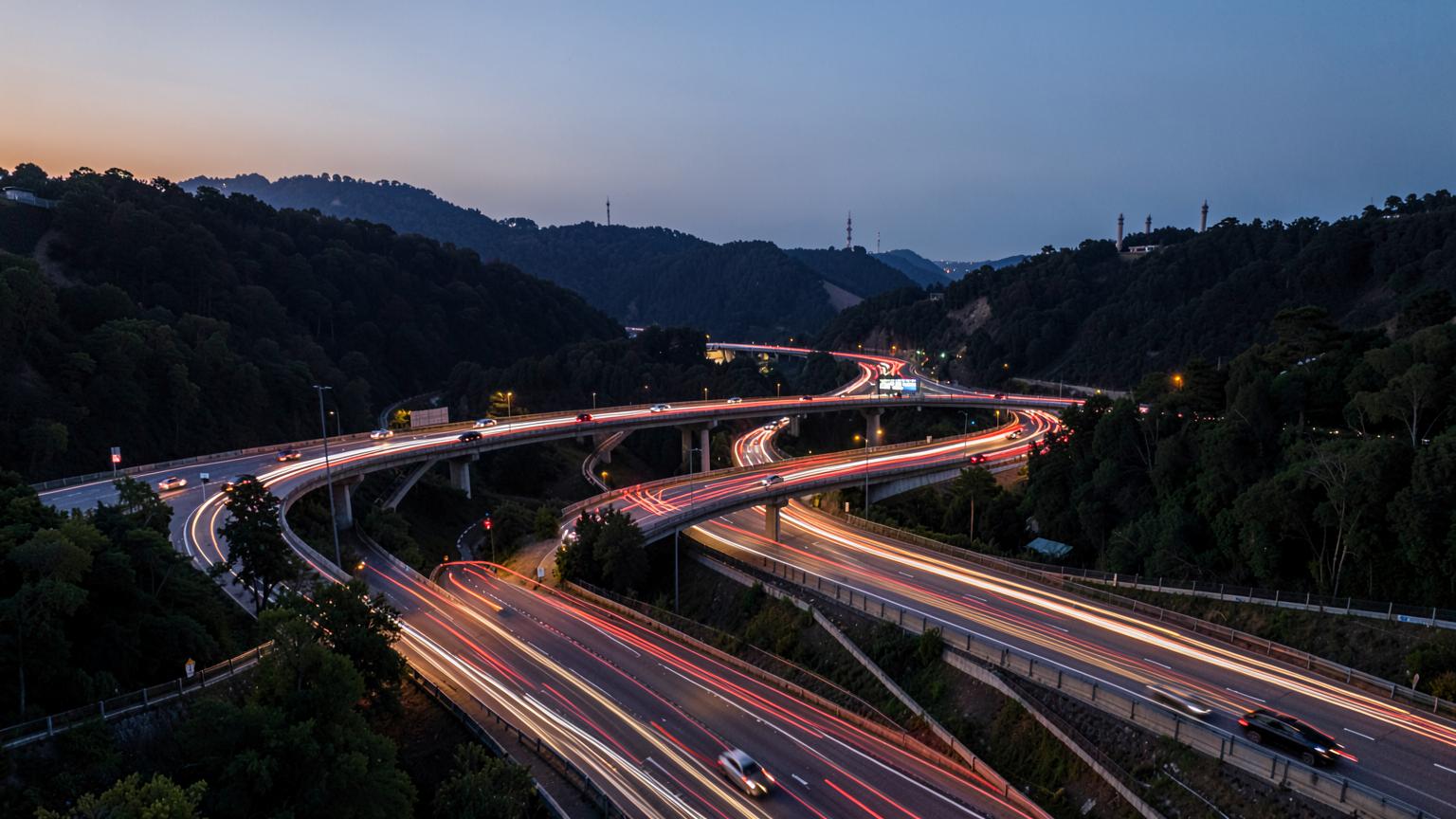
Our PPC management in Atlanta is built around drive time. We separate in-town from the northern arc, the eastern corridor and the southern crescent, split emergency demand from planned projects, weight bids toward heat waves and the days after a storm line moves through, and cap or exclude the counties where a click is affordable but the job is not. In a market with click prices this high, geography discipline is the difference between a channel that pays and one that quietly does not.
Social advertising: reaching arrivals before the search exists
Atlanta's in-migration is the single most valuable audience signal in the metro. Social advertising in Atlanta reaches households in their first ninety days after a Fulton, DeKalb, Cobb, Gwinnett, Cherokee, Henry or Forsyth closing — before they have a plumber, an HVAC company or a fence contractor — speaks separately to new-construction and older-home owners, works the renovation seasons, and retargets everyone the other channels already paid to reach.
Web design: the page that has to work at 11 p.m.
We build websites as conversion infrastructure: fast on a phone in a parking deck, structured for crawlers and AI answer engines, with published price bands, real metro Atlanta job photography, explicit service-area coverage by county and suburb, and plain language about clay, slope, drainage, crawlspaces, permits and scheduling around shift work. Website redesign projects in Atlanta usually mean replacing a site that describes the business with one that answers what a buyer asks at eleven at night after the third contractor did not call back.
How the four channels compound in Atlanta
The website sets the conversion rate everything else multiplies against, and in the most expensive click market in the Southeast that multiplier decides whether paid search is a profit center or a subscription. Paid search takes the urgent hours: an August compressor failure, a burst line, a limb through a roof after a storm line. Organic takes those same expensive terms permanently, suburb by suburb, and frees paid budget for the next segment. Social reaches new arrivals months before any search exists, and retargets everything the other three touched. Built inside one plan, each piece makes the next cheaper — which is the whole case against buying them as four disconnected line items.
One Atlanta team tracks every dollar across all four channels back to a single, checkable outcome.
Why attribution matters more here than elsewhere
When a paid click and a free organic visit both end at the same contact form, four separate vendors will all claim the same system replacement. Extentus maintains a single number set: qualified inbound broken out by channel and by area, cost per qualified inbound, and the pages that earned it. In a metro this large, the difference between a profitable suburb and an unprofitable one is invisible in a blended report and obvious in a segmented one.
It also changes the calendar. Late winter is the cheap publishing window before the spring pollen and renovation rush. Summer is compressor triage and the highest click prices of the year. Storm weeks rewrite spend inside a day. Autumn is planned exterior work — fence, concrete, drainage — before the ground turns. We move Atlanta budget around those events instead of spreading it evenly across twelve months, which is something a single-channel vendor has no incentive to ever recommend.
The four services Extentus runs in Atlanta
- Search Engine Optimization
- The channel you own — map-pack rankings, reviews and service-area pages that keep producing after the work is done.
- Google Advertising
- The channel with a volume dial — paid search and Local Services Ads tuned to the hours demand actually spikes.
- Social Advertising
- The channel that builds the pipeline — demand created in homeowners before they ever search.
- Web Design
- Where the other three cash out — fast, mobile-first pages built to convert visits into booked jobs.
Install all four in Atlanta
One framework, one accountable record: qualified inbound by channel and by Atlanta district, cost per qualified inbound, and the exact pages responsible.
Atlanta marketing questions, answered
Scale plus fragmentation. Metro Atlanta spans thirteen counties and dozens of distinct submarkets, so the constraint on a home-services business is crew drive time rather than demand. Click prices are among the highest in the trades, the map pack changes every few miles, and the housing stock ranges from 1920s in-town bungalows to brand-new subdivisions on the outer edge. Marketing that treats Atlanta as one audience overspends on leads it cannot profitably serve.
In-town Atlanta including Buckhead, Midtown, the Old Fourth Ward, Grant Park, Kirkwood, Virginia-Highland, West End and Cascade Heights; the northern arc through Sandy Springs, Dunwoody, Brookhaven, Chamblee, Marietta, Smyrna, Roswell, Alpharetta, Johns Creek and Woodstock; the eastern corridor through Decatur, Tucker, Stone Mountain, Duluth, Lawrenceville, Snellville and Conyers; and the southern crescent through East Point, College Park, Hapeville, Union City, Stockbridge, McDonough, Fayetteville, Newnan and Douglasville.
Publish and rebuild in late winter, while clicks are cheaper and before pollen season and the spring renovation rush arrive. Spend hardest through the summer heat, hold reserve for the days after severe storm lines and for the rare ice event, and use autumn for planned exterior work — fencing, concrete, drainage and retaining walls — before the clay turns wet and cold.