Fort Lauderdale, Florida
165 Miles of Canals Inside One City: Marketing Fort Lauderdale Waterfront by Waterfront
Fort Lauderdale is not Miami with less traffic. It is a canal city of roughly 185,000 residents inside a Broward County of about 1.9 million, threaded with more than 165 miles of navigable inland waterways, where a large share of homes carry a seawall, a dock and a five-figure maintenance list. The businesses that win here get found at the moment salt, water or age finally forces a decision.
Five dedicated Fort Lauderdale pages
Each discipline has its own Fort Lauderdale page — its own local search data, its own market detail, its own URL.
- SEO
Search Engine Optimization in Fort Lauderdale
The channel you own. Google Business Profile, Broward County service-area pages and review velocity, built so Fort Lauderdale searches for your trade land on you instead of a Miami-based franchise bidding north up I-95.
Open page - Google Ads
Google Advertising in Fort Lauderdale
The channel you rent, deliberately. Paid search and Local Services Ads bid by Broward neighborhood and by hour so you are present for the storm week, the heat wave and the Sunday-night failure that SEO cannot flex around.
Open page - Social Ads
Social Advertising in Fort Lauderdale
The channel that creates demand. Meta and TikTok campaigns for elective, high-margin outdoor and finish work — aimed at canal and coastal neighborhoods at a fraction of what an emergency search click costs in Broward County.
Open page - Web Design
Web Design in Fort Lauderdale
The multiplier. Fast, credible, click-to-call sites built as conversion infrastructure — and structured with schema so AI answer engines can cite your Fort Lauderdale business by name.
Open page - All four — recommended
The Master Framework in Fort Lauderdale
All four, installed together and reported as one. The argument the whole business rests on — localized to Fort Lauderdale's canal geography, its salt exposure, its high-value housing stock and the storm weeks that reorder every calendar.
Open page
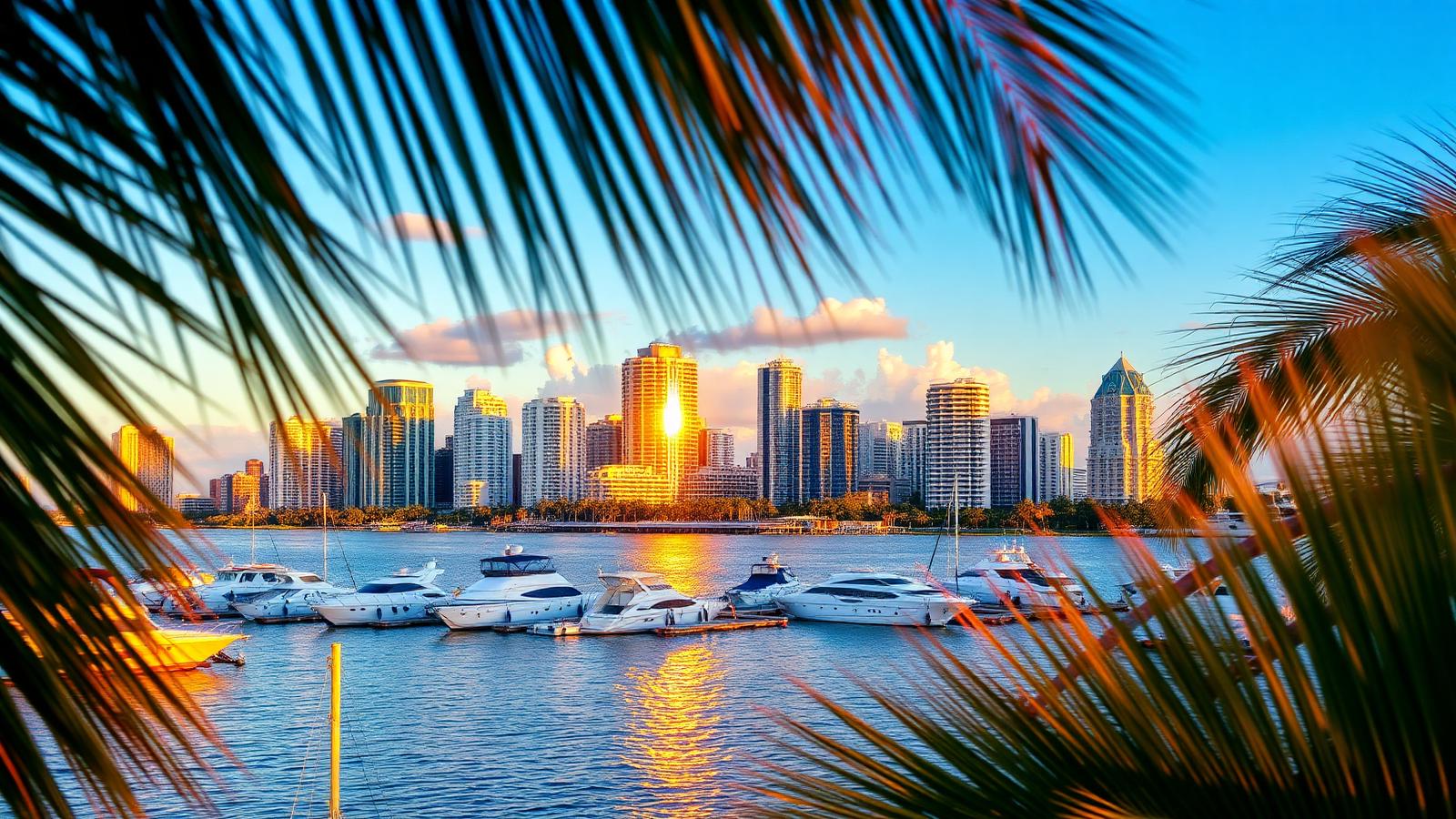
Fort Lauderdale holds roughly 185,000 residents on a flat coastal plain between the Atlantic and the Everglades, inside a Broward County of about 1.9 million people. Its defining physical feature is water inside the neighborhoods rather than beside them: more than 165 miles of navigable inland waterways, an Intracoastal spine, finger-canal streets and the New River running through downtown. Port Everglades and the marine trades sit at the centre of the local economy, alongside tourism and hospitality, healthcare, and a growing professional and technology employment base. Underneath all of it runs a home services economy working continuously on high-value coastal property that salt air is always in the process of taking apart.
Extentus manages search, paid, social and site work as one Fort Lauderdale program instead of four separate contracts. Here it has to answer for the geography of water first, and for the premium finish expectation that comes with waterfront property second.
A city cut through with canals, not just bordered by ocean
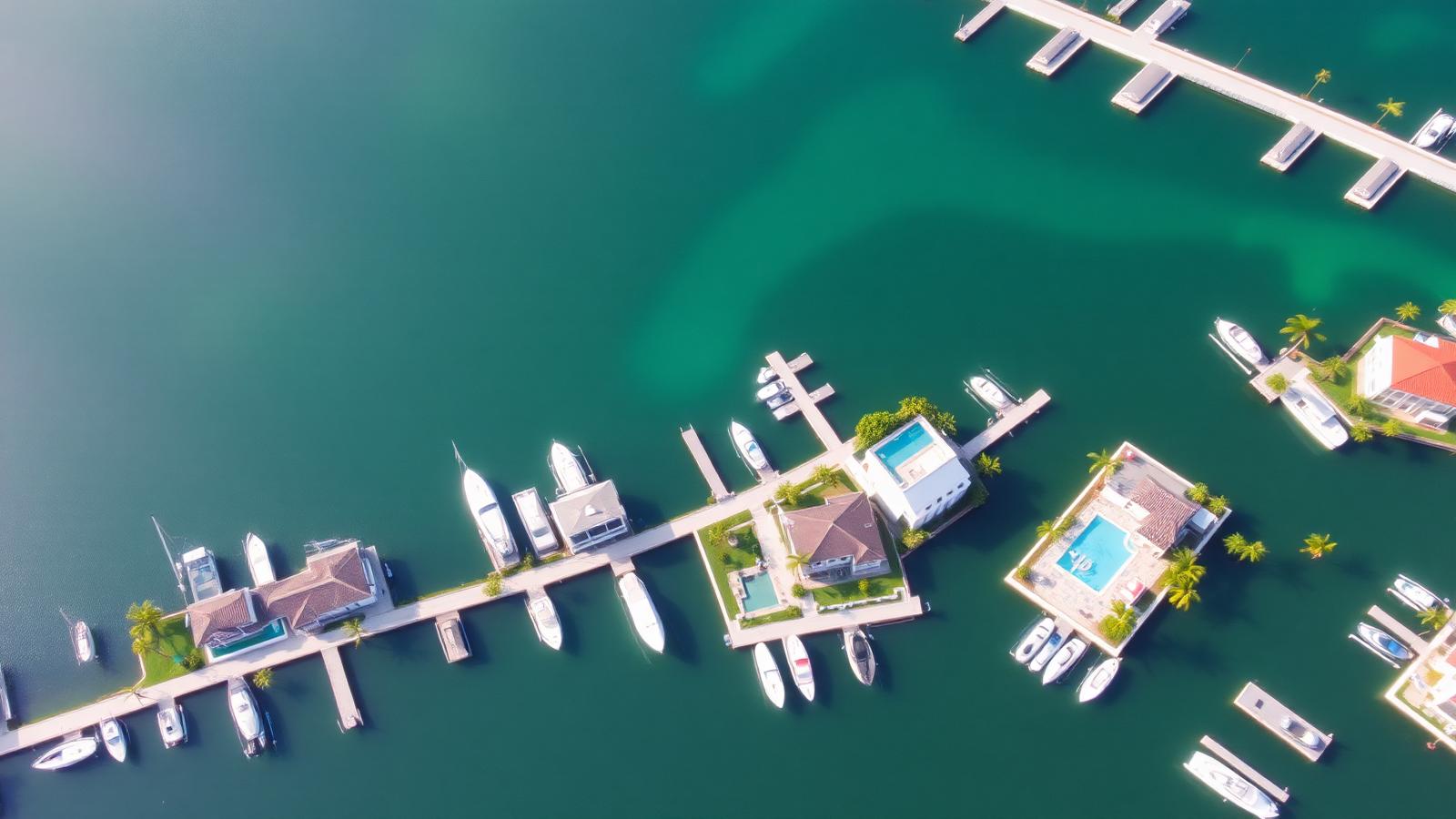
The city reads clearly by area. Las Olas Isles, Rio Vista, Harbor Beach, Seven Isles and Bay Colony carry canal-front and Intracoastal property where seawalls, docks, lifts, pool decks and hardscape are all standard equipment and all at replacement age. Victoria Park, Colee Hammock and Sailboat Bend hold older near-downtown housing with renovation-minded owners. Coral Ridge, Imperial Point and Bermuda Riviera are mid-century single-family neighborhoods where ductwork, driveway replacement, garage coatings and fencing land hardest. Wilton Manors, Oakland Park and Lauderdale-by-the-Sea mix full-time residents with seasonal and rental ownership. Inland, Plantation, Davie and Sunrise price differently again, and Pompano Beach to the north is a real market on its own clock.
Three forces govern everything. Salt: with water on the ocean side and canals inside the neighborhoods, condenser coils, fasteners, fencing, rebar, coatings and marine hardware corrode faster here than fifteen miles west, and materials have to be specified for a substrate that never fully dries. Value: this is high-ticket property whose owners replace on failure and upgrade on ambition, which raises both the average job size and the finish expectation. Water on the annual clock: hurricane season runs June 1 to November 30, and Broward's flat drainage means stalled rainfall events matter as much as named storms — the April 2023 event that dropped well over a foot of rain on the city in a day being the local benchmark, which drove months of drywall, electrical, HVAC, flooring, dock and seawall work.
Ranking Coral Ridge and Plantation as two different auctions
Our SEO services in Fort Lauderdale build Google Business Profile authority and review velocity first, then a real page layer: Las Olas Isles, Rio Vista, Harbor Beach, Victoria Park, Coral Ridge, Imperial Point, Sailboat Bend, Wilton Manors, Oakland Park, Lauderdale-by-the-Sea, Pompano Beach, Plantation, Davie and Sunrise. Each page written about what actually fails on that area's property, because that is what homeowners type and what AI answer engines quote.
Excluding Miami-Dade unless the drive actually pays
Rankings cannot surge on the afternoon a storm cell parks over Broward or a heat wave takes out twenty condensers along the Intracoastal. Paid search and Local Services Ads can, and they are bid here by neighborhood and by hour — with Miami-Dade excluded unless a scope genuinely pays for the drive, and negatives that strip out DIY, parts and vacationer traffic before it reaches your budget.
Selling the dock and lift work before it's ever searched
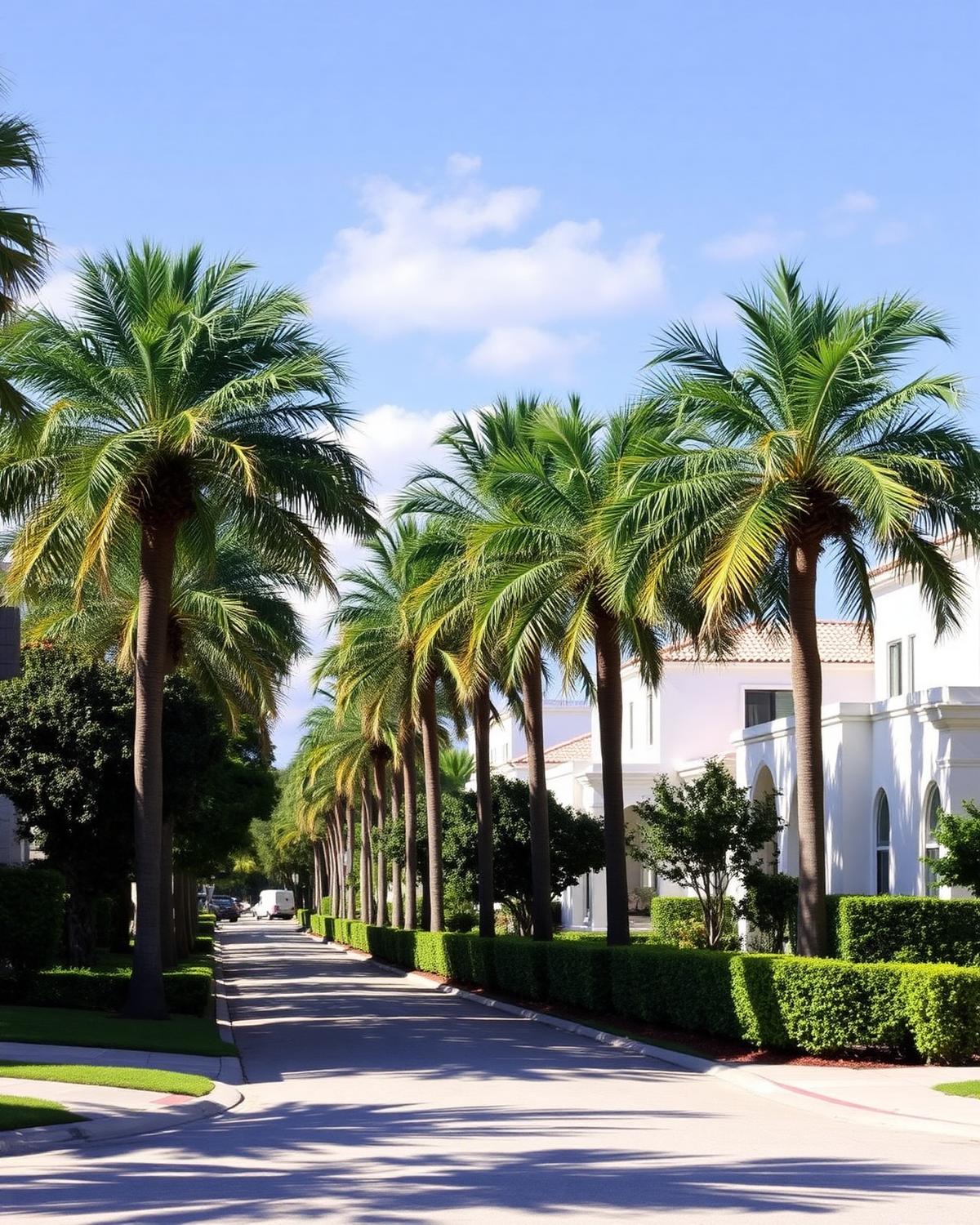
Epoxy garage floors, paver driveways, travertine pool decks, artificial turf, fencing, screen enclosures, outdoor kitchens, docks and lifts have no search moment until the homeowner has already decided. Social advertising in Fort Lauderdale creates that decision — creative shot on your own job sites, aimed at canal and coastal neighborhoods where the housing matches the service, at a fraction of what an emergency search click costs in Broward County.
A site that has to earn an invitation to quote a five-figure job
Every Fort Lauderdale site we build has to work as a sales tool on its own: quick over cellular data at a dock or marina, a click-to-call button that never scrolls out of view, separate intake for a burst supply line versus a planned seawall rebuild, photos pulled from canal-front homes buyers recognise, and licence and insurance numbers in plain sight — tagged with LocalBusiness, Service and FAQ schema and explicit canal-district geography so AI answer engines can name the business directly. On five-figure waterfront scopes that page is also a pricing instrument, deciding whether you're invited to bid at all.
What four channels running together buy along the canals
Organic ownership carries the neighborhood page layer continuously. Paid search covers the storm week, the heat wave and the Sunday-night failure that a ranking cannot flex around fast enough. Social reaches owners with a long deferred-upgrade list who never type a service term. The site is the last stop for all of that traffic, closing the visit into a booked job and giving AI answer engines something citable to name. Bought as four separate contracts, each pays full Broward rate and leaves a visible hole; run as one plan, they start lowering each other's cost.
Broward runs on one shared ledger of what actually produced the call, not four separate vendor invoices.
Telling Coral Ridge's strength apart from Plantation's need
Attribution matters more here because Broward's geography makes a county-wide average lie. We track qualified inbound calls and forms by channel and by neighborhood, cost per qualified inbound, and which page produced it — so it's visible that Coral Ridge organic is carrying itself while Plantation still needs paid support, rather than one blended figure that flatters one and hides the other.
Seeing both numbers side by side is what lets spend actually move. In a flood week, emergency paid spend earns its keep and elective social should go silent in the affected neighborhoods; in a dry February the reverse is true. Budget rotates toward whichever channel is winning that week, a call a vendor selling only one channel has no reason to make, since pulling money out of their line item is pulling money out of their own invoice.
The four services Extentus runs in Fort Lauderdale
- Search Engine Optimization
- The channel you own — map-pack rankings, reviews and service-area pages that keep producing after the work is done.
- Google Advertising
- The channel with a volume dial — paid search and Local Services Ads tuned to the hours demand actually spikes.
- Social Advertising
- The channel that builds the pipeline — demand created in homeowners before they ever search.
- Web Design
- Where the other three cash out — fast, mobile-first pages built to convert visits into booked jobs.
Install all four in Fort Lauderdale
One framework, one accountable record: qualified inbound by channel and by Fort Lauderdale district, cost per qualified inbound, and the exact pages responsible.
Fort Lauderdale marketing questions, answered
No. Broward County spans about 1.9 million people from the barrier island to the Everglades levee, and local search results favor the closest relevant business, so a citywide page and a single wide ad radius perform near your shop and nowhere else. A 25-mile radius around downtown Fort Lauderdale also covers a great deal of ocean and Intracoastal water, conservation land, and north Miami-Dade jobs priced against a different market. Las Olas Isles, Victoria Park, Coral Ridge, Wilton Manors, Plantation and Pompano Beach behave as separate markets with separate winners and separate price expectations. We build and bid them separately.
They are different markets that share a region. Miami-Dade is denser, more price-competitive and heavily bilingual, with organic and paid competition inflated by national brands. Fort Lauderdale is a canal market of higher-value single-family property with more than 165 miles of inland waterways, which adds trades that barely exist inland — seawalls, docks, pilings, lifts, marine electrical — and raises both the average ticket and the finish expectation on ordinary work. Broward geography also runs east to west, so the page layer, the bidding map and the creative all look different from a Miami build.
It sets two clocks. Daily: air conditioning runs nearly year-round and salt air corrodes coils, fasteners, fencing, rebar and marine hardware faster than it does fifteen miles inland, so failure and replacement work is structural rather than seasonal. Annual: hurricane season runs June 1 to November 30, and Broward's flat drainage means stalled rain events can flood neighborhoods that have never taken water — the April 2023 storm being the local benchmark. Paid search spikes into those windows, elective social pauses in affected areas and fills the dry season instead, and organic search holds the baseline underneath both.