Ready to advertise on social in San Diego?
Call now — 385-985-0003San Diego · Social Ads
Social advertising in San Diego: reaching the backyard decision before the search starts
A Point Loma patio nobody uses after five because there's no shade over it, a North Park bungalow's cracked garage slab that's been an eyesore since the last owner, a Carmel Valley yard still carrying a thirsty lawn while every neighbor has already gone drought-tolerant — none of it turns into a Google search until a homeowner has already half-picked who they trust with the job. In a city where the backyard functions as a second living room eleven months a year, that trust gets built scrolling Instagram at night, long before any search box opens.
The short answer
Social advertising in San Diego means paid Facebook and Instagram campaigns that create demand for elective, weather-driven outdoor projects — pergolas and shade structures, paver and stamped concrete patios, outdoor kitchens, epoxy garage floors, fence replacement and drought-tolerant landscape conversions — before a homeowner ever searches for a contractor. Extentus builds creative from your own San Diego job sites, targets it by neighborhood across a canyon-and-mesa city where coastal and inland taste differ block by block, and reports the jobs actually booked.
Beat 01 · The project nobody types into a search bar
A North Park homeowner scrolls past their own paver patio, finished last week, at eleven at night.
They weren't shopping for a contractor. They'd walked past the cracked concrete slab off the kitchen for two summers, told themselves the yard was fine as-is, kept eating dinner inside anyway. None of that slow decision shows up in Google's autocomplete. What actually stops the scroll is recognition — a 1930s North Park bungalow like theirs, a narrow canyon-adjacent lot like theirs, a patio already redone two blocks over on the same street.
By the time a San Diego homeowner finally types 'patio cover san diego' into a search bar, they're comparing a handful of companies who all look interchangeable in the map pack, bidding on the same expensive keyword. Social advertising is the channel that reaches them long before that comparison ever starts, while the project is still just a nagging idea from six months of looking at an unused yard.
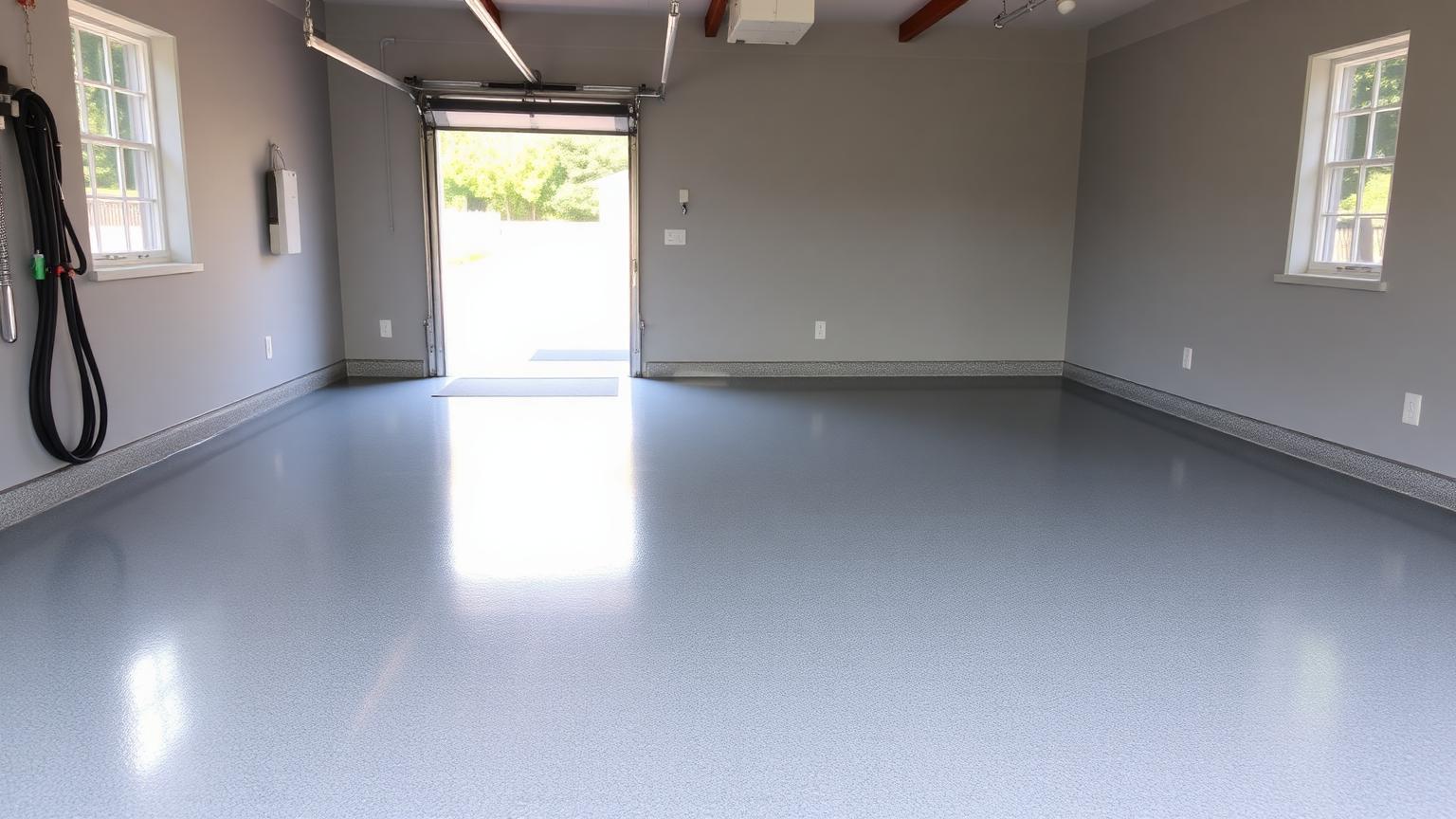
The same pattern shows up across nearly every elective category here: pergolas and shade structures finally built once a Rancho Bernardo or Scripps Ranch family decides the backyard deserves the same budget the kitchen already got, drought-tolerant conversions swapped in once a Carmel Valley or Poway lawn finally dies for good, fences replaced along salt-worn coastal lots in Point Loma and Ocean Beach once the wood finally rots through, epoxy garage floors resurfaced once years of sand, salt and tire tracking wear through the old coat, and outdoor kitchens added once a Pacific Beach or La Jolla household decides they'd rather grill outside than reheat inside.
Beat 02 · Why the timing and taste shift in San Diego specifically
A climate that makes the yard a room, a coastline that eats materials, and a mesa city split into a dozen small markets.
San Diego's outdoor-living demand is a direct product of its weather. The mild, marine-layer-cooled Mediterranean climate means a patio, pergola or outdoor kitchen gets used nearly every month of the year, not just a few warm weekends a summer — which makes an unshaded, unfinished backyard feel like a genuine daily loss rather than a cosmetic complaint. That constant usability is exactly why homeowners here justify spending real money on outdoor space before they'd ever spend it on, say, a guest bathroom nobody sees.
Salt air changes the material conversation entirely along the coast. In Point Loma, Ocean Beach, Pacific Beach and La Jolla, wood fencing and untreated metal corrode and rot faster than they would inland, which pushes homeowners toward vinyl, composite and coated materials — a decision creative in those neighborhoods needs to speak to directly rather than pitching a generic fence upgrade.
Geography also refuses to let San Diego behave like one market. Canyons and mesas physically separate neighborhoods from each other, and taste splits along the same lines: older, denser pre-1950 stock in North Park, Golden Hill and Kensington calls for craftsman-appropriate detailing and smaller-lot solutions, while newer master-planned mesa suburbs like Carmel Valley, Scripps Ranch and Rancho Bernardo run bigger lots, bigger budgets and a cleaner, more modern design language. A single ad and offer built for one side of that split reads as out of place on the other.
Two more forces layer in. Steady PCS turnover from Naval Base San Diego, Coronado and Miramar keeps producing a fresh wave of new homeowners and landlords every year who inherit someone else's dated backyard and want it redone fast, and a bilingual, binational South Bay population across San Ysidro, Otay Mesa, Chula Vista and National City represents real demand that most contractors never speak to directly in Spanish.
Beat 03 · Real job footage, mesa-by-mesa targeting, and constant creative rotation
Real San Diego job sites, aimed at the exact canyons, mesas and coastal streets carrying that neighborhood's taste and material needs.
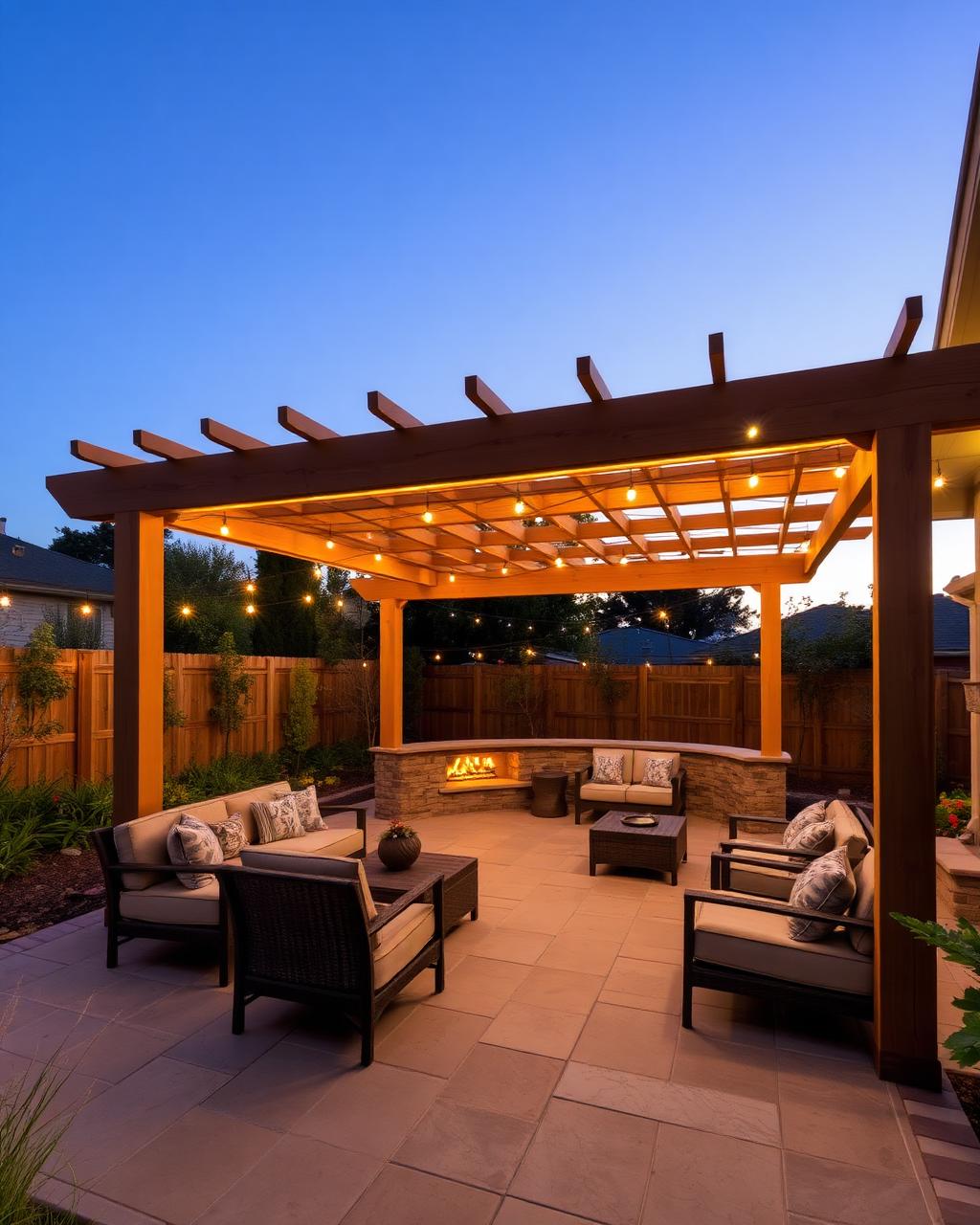
Creative comes from jobs actually finished in this market, not a stock photo of a yard that could be anywhere. A phone walked across a freshly laid paver patio in a Clairemont backyard, a cedar pergola going up over a Carmel Valley slab, a new coated-metal fence line replacing a salt-worn wood one in Ocean Beach. Homeowners recognize their own roofline, their own marine-layer haze, their own canyon rim — and that recognition earns a second look no generic renovation stock clip ever will.
Targeting then runs neighborhood by neighborhood: pergola and outdoor kitchen creative into La Jolla, Pacific Beach and Carmel Valley where entertaining budgets run highest, salt-air-appropriate fence messaging into Point Loma, Ocean Beach and Coronado, epoxy garage and paver-patio ads into Clairemont, Mira Mesa and Santee where mid-century and tract homes are hitting the same wear cycle together, drought-tolerant landscape-conversion creative into Poway, Rancho Bernardo and Escondido where water bills already push that decision, and bilingual campaigns built specifically for San Ysidro, Otay Mesa, Chula Vista and National City rather than a single English-only message stretched across the whole South Bay. Hillcrest, El Cajon, La Mesa, Oceanside and Encinitas round out a radius wide enough to matter and specific enough that no creative ever feels generic.
Because CSLB licensing and City of San Diego permitting are real trust signals here — homeowners have heard enough horror stories about unpermitted patio covers and fence lines — creative that visibly references a license number or a permitted-project photo consistently outperforms creative that skips it. Add a short lead form instead of a slow link-out, fast follow-up while the recognition is fresh, aggressive rotation so the same streets never see the same job photo twice in a month, retargeting for the majority who watch without acting the first time, and reporting built around jobs actually booked rather than reach or engagement.
Beat 04 · What one deferred San Diego project is actually worth
San Diego's ticket sizes run high, and its dense, canyon-view streets mean one finished job gets seen by dozens of neighbors.
One $8,600 pergola-and-patio package booked a month is $103,200 a year, a number that holds before a single neighbor on that cul-de-sac ever sees the finished job on Nextdoor or Instagram.
A paver or stamped concrete patio on a standard San Diego lot clears the low-to-mid four figures once base prep and drainage are added in. A pergola or shade structure with footings and permitting for a sloped mesa lot often lands in the mid-to-high four figures, and an outdoor kitchen build regularly pushes into five figures once plumbing, gas and masonry are all part of the scope.
The compounding part is San Diego's tight, visible street layout: a finished pergola or fence line in Scripps Ranch or Rancho Bernardo sits in full view of a dozen households living an identical wear cycle on an identical lot type. Retargeting the surrounding streets after a completed job turns one San Diego sale into a small cluster of them, and because outdoor-living demand here isn't tied to an emergency, it fills exactly the slow stretch a trade calendar otherwise sits empty during.
Beat 05 · Social versus search, the short version
Search waits for a San Diego homeowner to decide; social is what puts the idea in the backyard in the first place.
Search only shows up after a homeowner has already typed the job into a search bar, at which point they're bidding against every other contractor chasing the same overheated San Diego keyword — which is exactly the ground the SEO and Google Ads pages of San Diego's master-framework page are built to win. Paid social gets in front of that homeowner while the pergola or fence replacement is still a someday-project idea, which is the shortest route from a scroll on a Tuesday night to a signed, permitted contract.
Run social alone in a market this spread across canyons and mesas, and a more visible, better-funded competitor further down the funnel can close the demand it just created. Run it alongside the rest of a coordinated local presence — the way San Diego's master-framework bundle ties the channels together — and it becomes the front door of one system instead of a standalone bet.
Social Advertising is one of four. The San Diego Master Framework page makes the case for running all four together, and what running only one costs a San Diego service business.
Where we run social ads in San Diego
Social Advertising for service businesses across San Diego and San Diego County, plus the satellite towns crews already drive to. Every district below is targeted by name in campaigns, pages and profile service areas — not folded into a single city radius.
- San Diego districts
- Downtown San Diego · Gaslamp Quarter · Little Italy · East Village · North Park · South Park · Golden Hill · Hillcrest · Normal Heights · Kensington · University Heights · City Heights · Point Loma · Ocean Beach · Mission Hills · Old Town · Pacific Beach · La Jolla · Clairemont · Linda Vista · Serra Mesa · Mira Mesa · Scripps Ranch · Rancho Bernardo · Carmel Valley · Del Mar Heights · Tierrasanta · Navajo · Barrio Logan · Logan Heights · Chollas View · San Ysidro · Otay Mesa · Nestor · Skyline
- Beyond the county line
- Chula Vista · National City · Coronado · Imperial Beach · La Mesa · El Cajon · Santee · Lemon Grove · Spring Valley · Poway · Escondido · San Marcos · Vista · Oceanside · Carlsbad · Encinitas · Solana Beach · Del Mar · Bonita · Alpine · Ramona · Lakeside · San Diego County
- ZIP codes covered
- 92101 · 92102 · 92103 · 92104 · 92105 · 92106 · 92107 · 92108 · 92109 · 92110 · 92111 · 92113 · 92114 · 92115 · 92116 · 92117 · 92119 · 92120 · 92121 · 92122 · 92123 · 92124 · 92126 · 92127 · 92128 · 92129 · 92130 · 92131 · 92139 · 92154 · 92173 · 91910 · 91911 · 91913 · 91914 · 91915 · 91932 · 91941 · 91942 · 91945 · 91950 · 91977 · 92019 · 92020 · 92021 · 92024 · 92025 · 92026 · 92027 · 92037 · 92064 · 92071 · 92075 · 92078
Beat 06 · A canyon-and-mesa city with its own rhythm
Climate, geography and turnover are why this channel works in San Diego specifically.
The checkable local reality: San Diego runs roughly 1.4 million people in the city and well over 3 million across the county, spread across a canyon-and-mesa geography that physically separates neighborhoods from each other more than almost any other major California city. What actually works is organized by neighborhood — North Park, Point Loma, Ocean Beach, Pacific Beach, La Jolla, Hillcrest, Clairemont, Mira Mesa, Scripps Ranch, Rancho Bernardo, Carmel Valley — where taste, budget and even material preference shift from one mesa to the next.
Steady military PCS turnover out of Naval Base San Diego, Coronado and Miramar keeps refreshing the pool of new homeowners and landlords inheriting a dated backyard, and a bilingual, binational South Bay audience across Barrio Logan, San Ysidro, Otay Mesa, Chula Vista and National City represents real, underserved demand for Spanish-language creative.
Then the climate and coastline close the case: a mild, marine-layer-cooled Mediterranean climate that makes outdoor living a near-year-round reality rather than a few warm weekends, salt air along Point Loma, Ocean Beach, Pacific Beach and La Jolla that turns fence and patio material into a durability decision, and a split between older pre-1950 stock in North Park and Golden Hill versus newer master-planned mesa suburbs in Carmel Valley, Scripps Ranch and Rancho Bernardo. Extentus cuts the creative from your own San Diego job photos and aims it at the streets in Clairemont, Chula Vista, El Cajon and the surrounding mesas living that exact cycle. See the full local build in the San Diego master framework.
Social Ads in San Diego — questions, answered
The mild, marine-layer-cooled climate means a patio, pergola or outdoor kitchen gets used almost every month of the year, which turns an unshaded backyard into a daily loss rather than a cosmetic complaint. Extentus builds creative around that year-round usability instead of treating outdoor living as a seasonal, summer-only pitch.
No — Point Loma's salt air pushes homeowners toward vinyl, composite or coated materials that resist coastal corrosion, while Rancho Bernardo's inland, mesa lots favor different budgets and finishes entirely. Extentus builds separate creative for coastal and inland neighborhoods rather than one fence message run citywide.
Yes — San Ysidro, Otay Mesa, Chula Vista and National City sit in a bilingual, binational market that most contractors only ever address in English, leaving real demand untapped. Extentus runs dedicated Spanish-language creative into those neighborhoods rather than stretching a single English ad across the whole South Bay.
The rest of the San Diego set
- SEO
Search Engine Optimization in San Diego
The channel that keeps producing calls whether the marine layer is burning off at noon or a Santa Ana is drying out the backcountry. A Google Business Profile built for San Diego's coastal-corrosion, outdoor-living and canyon-neighborhood searches, service pages for North Park, Point Loma, Carmel Valley, Chula Vista and beyond, and enough CSLB-aware, review-backed proof to outlast a call center that has never dealt with Coastal Commission review.
Open page - Google Ads
Google Advertising in San Diego
The channel built for a city where a canyon can separate two auctions more than a mile ever could. Paid search and Local Services Ads bid San Diego by named community against marine-layer coastal cooling, inland heat spikes, backcountry wind events and military PCS turnover, with reporting tied to booked jobs instead of clicks.
Open page - Web Design
Web Design in San Diego
Fast, permit-transparent sites built for a San Diego trade market where mesas and canyons kill cell signal mid-scroll and the coastline adds permitting delays most homeowners have never dealt with before: CSLB license numbers and a plain City of San Diego permit-and-inspection path stated early, genuine bilingual English/Spanish handling for the South Bay border corridor, photo galleries of real finished coastal work, and service-area pages naming Chula Vista, National City, Coronado, La Mesa, El Cajon, Santee, Poway, Escondido, Oceanside, Carlsbad and Encinitas instead of one blended San Diego page.
Open page - All four — recommended
The Master Framework in San Diego
All four channels, installed together for San Diego's mild coastal climate, its inland heat and wildfire pockets, its canyon-and-mesa geography, and its binational South Bay corridor. One strategy across SEO, Google advertising, social advertising and web design, with spend shifted the moment a red-flag warning hits the backcountry or a base sees a PCS wave — and one accountable number.
Open page