San Diego, California
SEO, Google Ads, Social and Web Design in San Diego — Built for a Coastal, Military, Border-Adjacent Market
San Diego does not run on weather emergencies. It runs on a climate so consistent that outdoor space gets used eleven months a year, on a military population that turns over on orders rather than on market cycles, and on a border corridor where half the neighborhood conversation happens in Spanish. That combination produces steady, high-intent trade demand — and it rewards businesses that market to it specifically instead of borrowing a Los Angeles playbook.
Five dedicated San Diego pages
Each discipline has its own San Diego page — its own local search data, its own market detail, its own URL.
- SEO
Search Engine Optimization in San Diego
The channel that keeps producing calls whether the marine layer is burning off at noon or a Santa Ana is drying out the backcountry. A Google Business Profile built for San Diego's coastal-corrosion, outdoor-living and canyon-neighborhood searches, service pages for North Park, Point Loma, Carmel Valley, Chula Vista and beyond, and enough CSLB-aware, review-backed proof to outlast a call center that has never dealt with Coastal Commission review.
Open page - Google Ads
Google Advertising in San Diego
The channel built for a city where a canyon can separate two auctions more than a mile ever could. Paid search and Local Services Ads bid San Diego by named community against marine-layer coastal cooling, inland heat spikes, backcountry wind events and military PCS turnover, with reporting tied to booked jobs instead of clicks.
Open page - Social Ads
Social Advertising in San Diego
The San Diego channel that creates the job before anyone types a query for it. Facebook and Instagram campaigns built from your own San Diego job sites, aimed street by street across North Park, Point Loma, Carmel Valley, Chula Vista and the surrounding mesas and canyons where climate, salt air and neighborhood taste all shape what actually gets built.
Open page - Web Design
Web Design in San Diego
Fast, permit-transparent sites built for a San Diego trade market where mesas and canyons kill cell signal mid-scroll and the coastline adds permitting delays most homeowners have never dealt with before: CSLB license numbers and a plain City of San Diego permit-and-inspection path stated early, genuine bilingual English/Spanish handling for the South Bay border corridor, photo galleries of real finished coastal work, and service-area pages naming Chula Vista, National City, Coronado, La Mesa, El Cajon, Santee, Poway, Escondido, Oceanside, Carlsbad and Encinitas instead of one blended San Diego page.
Open page - All four — recommended
The Master Framework in San Diego
All four channels, installed together for San Diego's mild coastal climate, its inland heat and wildfire pockets, its canyon-and-mesa geography, and its binational South Bay corridor. One strategy across SEO, Google advertising, social advertising and web design, with spend shifted the moment a red-flag warning hits the backcountry or a base sees a PCS wave — and one accountable number.
Open page

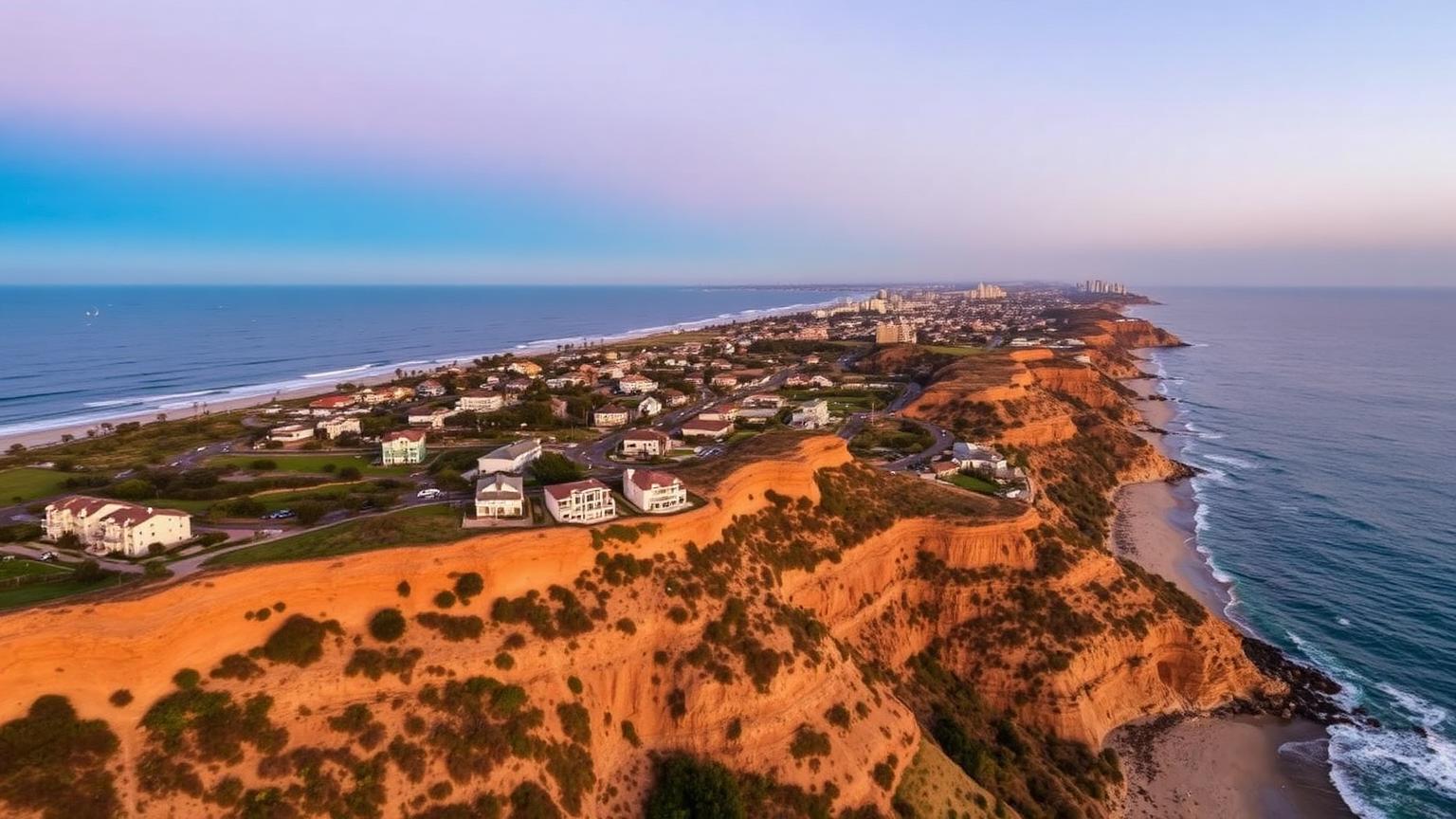
Roughly 1.4 million people live in the city and about 3.3 million across San Diego County, spread across mesas separated by open canyons. Those canyons matter more than mileage does: two neighborhoods can sit a half mile apart on a map and twenty minutes apart by road, which means a plumbing, HVAC, fencing or concrete company's real service area is shaped by bridges, freeway on-ramps and canyon crossings rather than by a radius drawn around the shop.
The housing stock splits by era as sharply as the terrain splits by geography. North Park, Golden Hill, South Park, Kensington and Normal Heights hold pre-1950 Craftsman and Spanish-revival homes with cast-iron drains, galvanized supply lines and panels that were never sized for a heat pump or an EV charger. The mesa suburbs — Carmel Valley, Scripps Ranch, Rancho Bernardo, Mira Mesa, Tierrasanta — are master-planned, slab-built and thirty to fifty years newer, with different failure modes and different price ceilings. Then the coast adds its own tax: Point Loma, Ocean Beach, Pacific Beach and La Jolla lose fasteners, condenser coils and fence hardware to salt air on a schedule inland homes never see.
What actually makes San Diego its own market
Three forces, none of them shared with the rest of coastal California in the same mix. First, the military: Naval Base San Diego, Coronado and MCAS Miramar keep a large share of the housing stock turning over on PCS orders, which produces predictable move-in repair work, rental-property maintenance and landlord relationships that never show up in a consumer-only marketing plan. Second, the climate: mild, dry and consistent enough that patios, pergolas, fences, pavers and epoxy garage conversions are year-round purchases rather than seasonal impulses. Third, the border: San Ysidro, Otay Mesa, Chula Vista and National City form a bilingual, binational corridor where a Spanish-language landing page and a Spanish-speaking intake line are not a nicety, they are the difference between winning and losing the call.
California's regulatory floor sits underneath all of it. CSLB licensing, City of San Diego and county permitting, Title 24 energy compliance, and coastal-zone review for work near the shoreline all make documentation part of the sale. Publishing a license number and a plain, honest permit-and-inspection path is one of the cheapest credibility moves available in a market where homeowners have usually already heard a horror story from someone on their street.
SEO: hold the mesa-by-mesa map pack
Our San Diego SEO work starts with a Google Business Profile built around a service area that respects canyon drive time, and a review pace that names actual places. Then it builds real pages for North Park, Golden Hill, Kensington, Hillcrest, Point Loma, Ocean Beach, Pacific Beach, La Jolla, Clairemont, Mira Mesa, Scripps Ranch, Rancho Bernardo, Carmel Valley, Barrio Logan and San Ysidro, plus Chula Vista, National City, Coronado, La Mesa, El Cajon, Santee, Poway, Escondido, Oceanside, Carlsbad and Encinitas — each written around what fails in that housing stock and which counter issues the permit.
Google advertising: buy the inland heat, the wind event and the PCS season
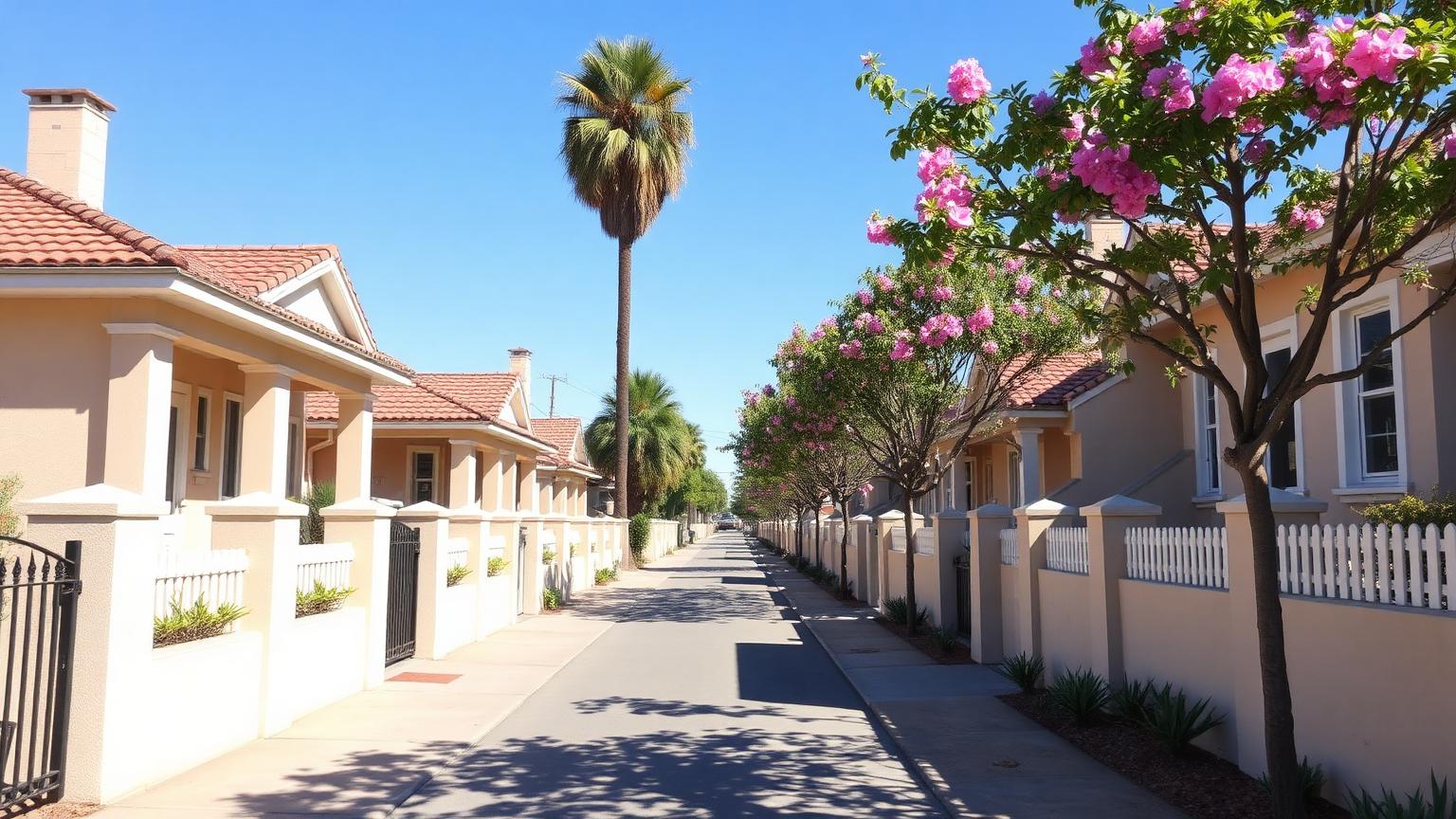
Paid search covers what rankings cannot move fast enough to catch: the first stretch of inland afternoons above 95 in El Cajon and Santee, the morning after a Santa Ana event drops fence lines across a Poway tract, the summer PCS window when hundreds of households change hands at once. Campaigns are split by named community rather than by mileage, because a coastal La Jolla call and an East County call carry different ticket sizes and very different drive-time costs.
Social advertising: the outdoor-living work no one searches for
Pergolas and shade structures, paver and stamped-concrete patios, outdoor kitchens, fence replacement, drought-tolerant landscape conversions, epoxy garage floors and garage-to-ADU conversions get decided visually, usually after someone sees a finished job a few streets over. In a city where the backyard is usable most of the year, real job-site photography aimed at specific mesas and specific ZIP codes outperforms any amount of copy.
Web design: the tiebreaker, in two languages
When a homeowner in Chula Vista has five licensed options open in five tabs, the site decides. Our San Diego builds load fast on a phone with one bar in a canyon, keep click-to-call fixed on screen, handle English and Spanish inquiries natively instead of through a translate widget, put the CSLB number and permit practice above the fold, and carry LocalBusiness, Service and FAQ schema naming Chula Vista, National City, Coronado, La Mesa, El Cajon, Santee, Poway, Escondido, Oceanside, Carlsbad and Encinitas so answer engines cite the business rather than a national directory.
How the four channels compound in San Diego
SEO holds the everyday baseline inside a handful of named mesas and beach communities. Google advertising takes the narrow spikes this climate and this base economy hand out. Social advertising manufactures the discretionary outdoor projects that never produce a query at all. Web design settles whether any of that traffic turns into a booked, permitted San Diego job. One line carries the argument: a single $9,800 patio-and-fence package a month is $117,600 a year, and a four-vendor arrangement almost never tracks cleanly enough to say which channel produced it.
The master framework: one system across canyons, bases and the border
Bought separately, each channel pays retail and leaves a gap. SEO alone misses the wind event and the PCS rush. Paid alone rents every call forever. Social alone creates interest with nowhere to send it. A fast site with nothing feeding it converts nothing. Installed together, with one report showing qualified inbound by channel and by community, the four cover an actual San Diego year — the gray marine mornings, the dry inland summer, the short wet weeks, and the year-round outdoor-living cycle running underneath all of it.
The four services Extentus runs in San Diego
- Search Engine Optimization
- The channel you own — map-pack rankings, reviews and service-area pages that keep producing after the work is done.
- Google Advertising
- The channel with a volume dial — paid search and Local Services Ads tuned to the hours demand actually spikes.
- Social Advertising
- The channel that builds the pipeline — demand created in homeowners before they ever search.
- Web Design
- Where the other three cash out — fast, mobile-first pages built to convert visits into booked jobs.
Install all four in San Diego
One framework, one accountable record: qualified inbound by channel and by San Diego district, cost per qualified inbound, and the exact pages responsible.
San Diego marketing questions, answered
Materially, yes. San Diego's demand curve is flatter — the coastal climate produces steady renovation and outdoor-living work rather than the extreme heat and fire-rebuild spikes that dominate parts of LA County. San Diego also has two demand drivers LA does not carry in the same proportion: military housing turnover tied to Naval Base San Diego, Coronado and Miramar, and a large bilingual customer base in the South Bay border corridor. A plan built for LA's spike calendar and English-only intake leaves both of those on the table.
Because canyons make mileage misleading. Two neighborhoods a half mile apart can be twenty minutes apart by road, and the drive from the coast to East County or North County inland can eat an hour of a working day. On top of that, the jobs differ: pre-1950 North Park and Golden Hill homes generate cast-iron and galvanized plumbing work, mesa suburbs like Carmel Valley and Scripps Ranch generate slab and HVAC replacement, and coastal Point Loma and La Jolla generate salt-air corrosion work. Each cluster gets its own pages, its own bids and its own reporting line.
In the South Bay it is decisive. San Ysidro, Otay Mesa, Chula Vista and National City form a binational corridor where a large share of homeowners search, call and compare in Spanish. A genuine Spanish landing page, Spanish ad copy and a Spanish-speaking intake line convert calls that an English-only competitor loses on the first ring — and the same investment costs almost nothing once it is built into the site rather than bolted on with a translate widget.