Spanish Fork, Utah
Marketing in Spanish Fork, Built for a Town Growing Faster Than Its Own Map
Spanish Fork is not a smaller Provo. It is the town families move to when Provo's older core gets too expensive and too tight — twelve miles south, at the mouth of Spanish Fork Canyon, where a house comes with a yard, a three-car garage and a mortgage that still works on one income. That single migration pattern is the whole local market, and it behaves nothing like the university-adjacent city up the freeway.
Five dedicated Spanish Fork pages
Each discipline has its own Spanish Fork page — its own local search data, its own market detail, its own URL.
- SEO
Search Engine Optimization in Spanish Fork
The channel that claims a fast-growing family suburb before national competitors notice it exists. A Google Business Profile built around Spanish Fork's real job mix — back-yard concrete, fencing between new lots, epoxy garage floors and basement finishing in Canyon Creek, Sunset Ridge, Palmyra, Lakeridge, Riverview and the West Fields, plus the first paid HVAC and plumbing calls once builder warranties lapse — paired with neighborhood pages across downtown, the east bench, the Riverbottoms, Spanish Oaks and the canyon mouth, gives a local crew coverage a Provo-focused competitor has no reason to build.
Open page - Google Ads
Google Advertising in Spanish Fork
The channel built for a town growing faster than its housing stock can settle. Local Services Ads carry the licensed trades, the radius holds to southern Utah County instead of drifting north into Provo and Orem, spend shifts toward the spring and summer window when new-yard concrete, fencing and irrigation get bought, and match discipline stays tight enough that a costly click doesn't land on a builder-supply search instead of a homeowner.
Open page - Social Ads
Social Advertising in Spanish Fork
The Spanish Fork channel built around the subdivision effect: Facebook and Instagram campaigns geo-targeted to Palmyra, Lakeridge, Canyon Creek, Sunset Ridge, Spanish Oaks, Riverview, the West Fields and the east bench, showing genuinely local finished work to the young households who bought a new lot and inherited a project list instead of a contractor.
Open page - Web Design
Web Design in Spanish Fork
Sites built for a town where the referral runs ahead of the search: fast loading on a phone held in a driveway, service area named subdivision by subdivision across Palmyra, Lakeridge, Canyon Creek, Sunset Ridge, Spanish Oaks, and the West Fields, plus nearby towns like Salem, Mapleton, and Payson, real local project photos instead of stock, and plain pricing posture for young families budgeting around a new mortgage.
Open page - All four — recommended
The Master Framework in Spanish Fork
All four channels, installed together for a city where most houses are newer than the mortgages on them, where a finished back yard on one lot sells the next three, and where the search terms are still cheap because competitors are aimed at Provo and Orem instead of Spanish Fork. One strategy across SEO, Google advertising, social advertising and web design, tuned to the subdivisions filling in east of downtown and out toward Salem, Benjamin and Leland, with one accountable number.
Open page
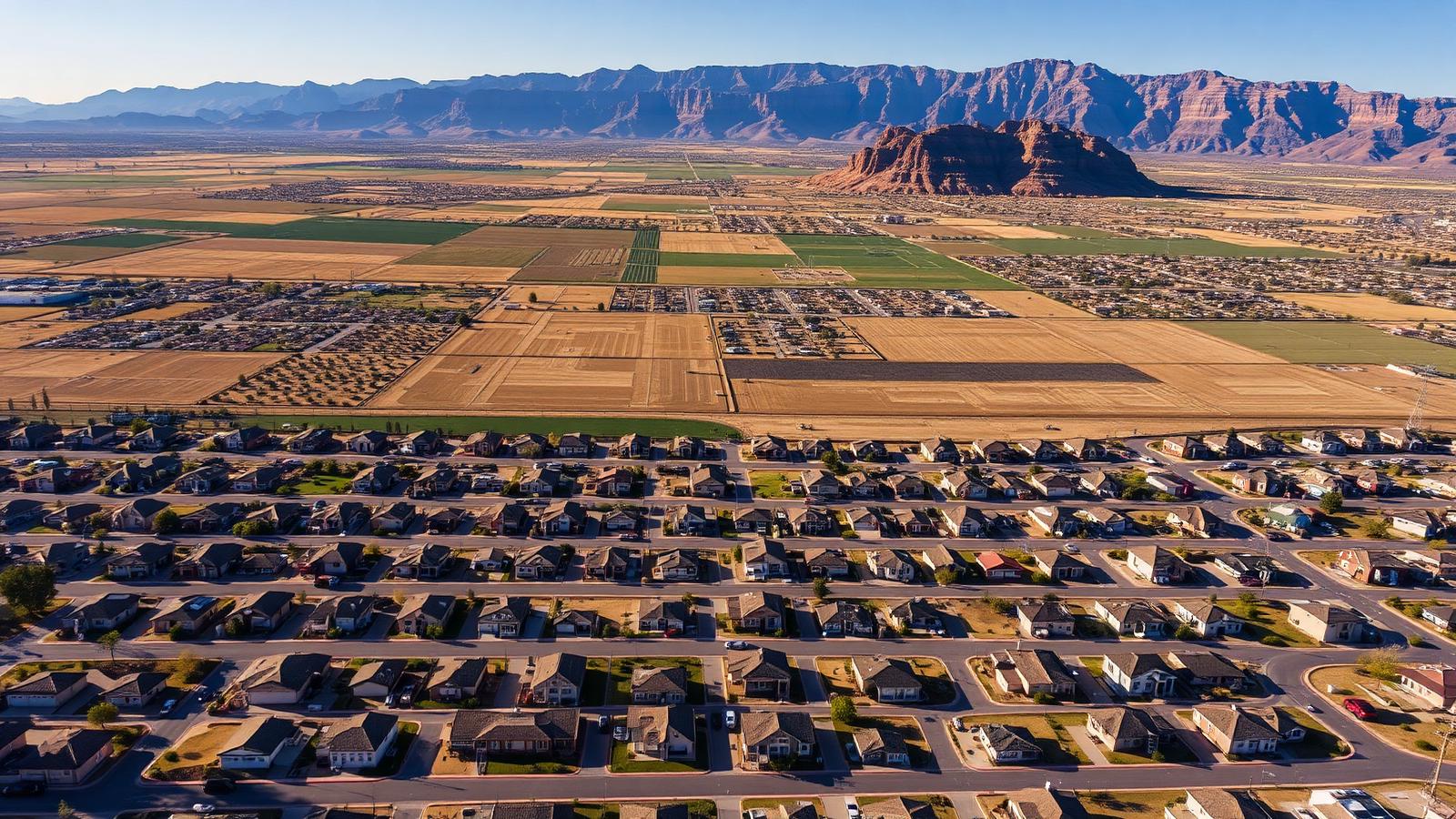
The housing here is young. Whole neighborhoods on the east bench, in Canyon Creek, Sunset Ridge and out through the West Fields went up inside the last twenty-five years, and a substantial share of it inside the last ten. That means the demand a contractor sees in Spanish Fork is not the aging-pipe repair work that fills a calendar in an older city — it is finish work and first-renovation work: back-yard concrete that was never poured when the builder handed over the keys, fencing between two brand-new lots, an epoxy garage floor, a basement finished four years after move-in, the first real HVAC service call on a system that is finally out of warranty.
Extentus coordinates search, Google advertising, paid social and web design under one plan rather than four separate vendors. In Spanish Fork the reason that coordination matters is specific: the customers are new here. They have no plumber, no HVAC company, no concrete guy and no neighbor with thirty years of local recommendations to borrow from. Every one of them arrives at the same moment — search, ads and a website they check on a phone in a half-finished back yard — and whoever shows up across all three gets the call.
What makes Spanish Fork its own market
The regional economy is shared — Utah County's tech corridor, I-15 and US-6 commuting, the same wage base that lifts Provo, Orem and Lehi. What is not shared is the role. Spanish Fork is where the space is. Buyers priced out of Provo's older neighborhoods land in Palmyra, Canyon Creek, Sunset Ridge, Lakeridge, Spanish Oaks and the newer tracts toward Salem and Mapleton, and they land there with young children, a payment they are careful about, and a house that needs a long list of things the builder left undone.
That produces a buying pattern worth designing around: cost-aware but not cheap, referral-hungry but referral-poor, and clustered by subdivision. One finished back yard on a new street sells three more, because the neighbors watched the truck sit there for two days and they all have the same empty yard.
Search: a young market with almost no incumbent
Search volume for Spanish Fork trade terms is modest and difficulty is near the floor, because most competitors are still optimized for Provo and Orem and treat everything south of Springville as spillover. Our SEO work claims Spanish Fork proper — downtown, the east bench, Palmyra, Lakeridge, the Riverbottoms, Canyon Creek, Sunset Ridge, Spanish Oaks and the West Fields — plus Salem, Payson, Mapleton, Springville, Elk Ridge, Woodland Hills, Santaquin, Benjamin, Lake Shore and Leland. That whole southern-county footprint costs roughly what one Provo neighborhood term costs.
Google advertising: expensive clicks, high-value first jobs
Trade clicks in Utah County are not cheap — plumbing intent here clears $50 a click — but the job behind a Spanish Fork click is often a first relationship with a household that will need every trade in the list over the next decade. We run Local Services Ads for licensed trades, hold the radius to southern Utah County instead of bleeding budget north into Provo and Orem, weight spend toward the spring and summer window when new-yard concrete, fencing and irrigation work gets bought, and keep terms tight enough that a $50 click is a homeowner rather than a builder-supply search.
Social advertising: the subdivision effect, bought on purpose
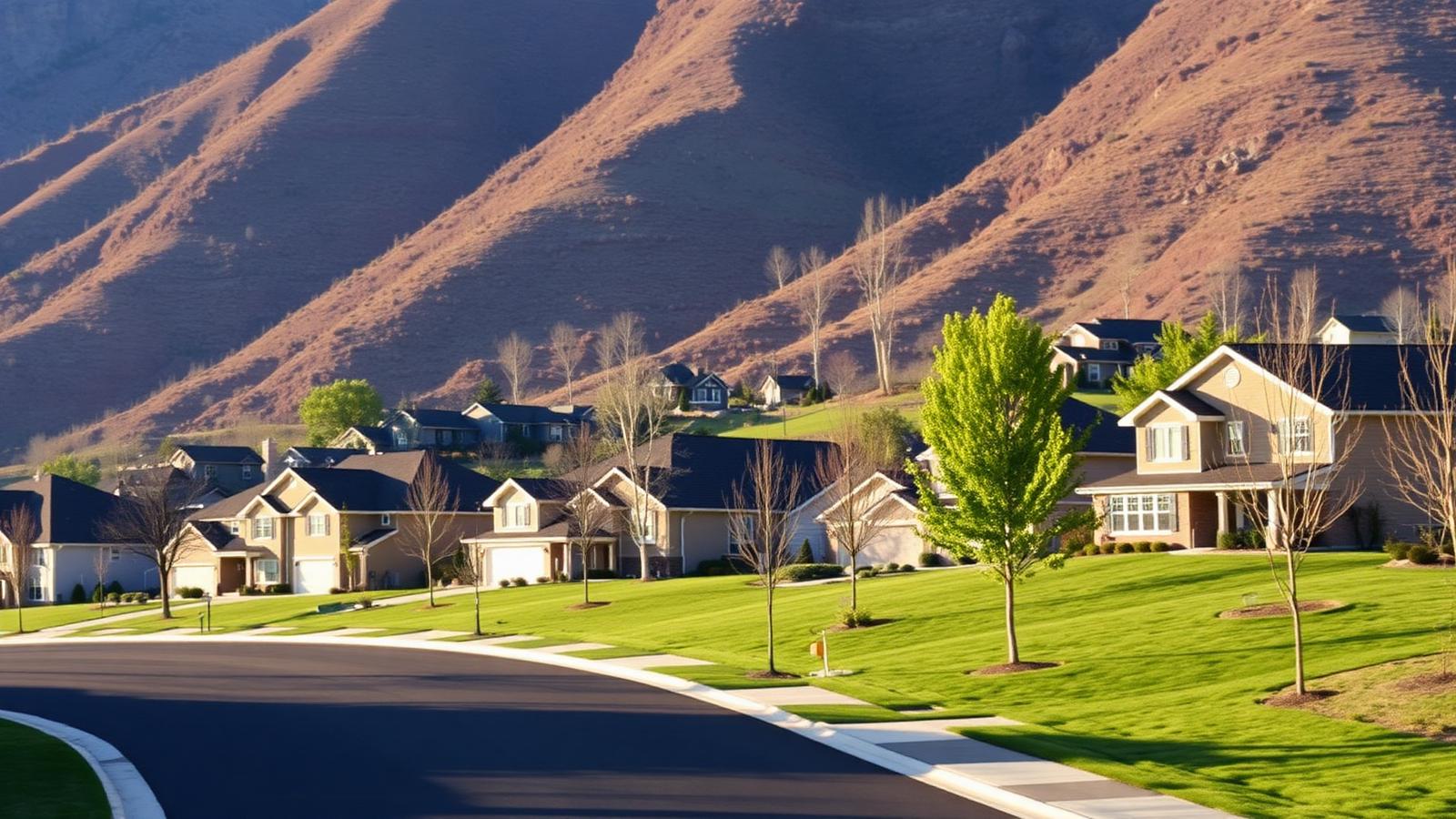
Nothing sells a new Spanish Fork neighborhood like a finished job two doors down. Paid social makes that mechanic deliberate: geo-targeted placements around specific subdivisions showing genuinely local finished work — a poured patio behind a four-year-old house with the canyon in the frame, a fence line splitting two new lots, an epoxy garage floor, a first furnace tune-up done right — reaching households by age, home-ownership and life stage, which in this city correlates almost perfectly with who has a project list and no contractor yet.
Web design: the check a family runs from the back porch
Sites built for this market load fast on a phone, name the towns and subdivisions a buyer actually lives in, show real Utah County project photos rather than stock, give plain pricing posture for people budgeting around a new mortgage, and treat the phone number like a phone number — because a young family comparing three bids at 8pm decides on whichever site made it easiest to stop comparing.
How the four channels compound in Spanish Fork
Web design decides whether a new neighbor's recommendation survives the phone check that follows it. SEO claims a southern-Utah-County position that is still cheap because the competition is aimed at Provo. Google advertising catches the household that needs somebody this week and has nobody to ask. Paid social turns one finished yard into the whole street. Bought separately, nobody owns the sequence a Spanish Fork family actually runs: hear a name at a school pickup, search it, see a map listing, open a site on a phone, recognize a job that looks like their own back yard, and call. In a town where most households are newer than the neighborhood they live in, owning that sequence is the growth.
One accountable team runs all four, which here means knowing not to spend Provo money on Spanish Fork keywords, and knowing that the channel you cannot buy — one street watching another street's project get finished — moves faster when everything a curious neighbor can find online backs it up.
The Spanish Fork attribution advantage
Extentus reports qualified inbound by channel, by town and subdivision, and by month, with cost per qualified inbound and the pages responsible. In a market that grows by neighborhood, that granularity is what tells you whether Canyon Creek and Sunset Ridge are actually producing work or whether every job is still coming from four streets near downtown.
The four services Extentus runs in Spanish Fork
- Search Engine Optimization
- The channel you own — map-pack rankings, reviews and service-area pages that keep producing after the work is done.
- Google Advertising
- The channel with a volume dial — paid search and Local Services Ads tuned to the hours demand actually spikes.
- Social Advertising
- The channel that builds the pipeline — demand created in homeowners before they ever search.
- Web Design
- Where the other three cash out — fast, mobile-first pages built to convert visits into booked jobs.
Install all four in Spanish Fork
One framework, one accountable record: qualified inbound by channel and by Spanish Fork district, cost per qualified inbound, and the exact pages responsible.
Spanish Fork marketing questions, answered
It shares a metro and an economy, but not a customer. Provo's demand is shaped by older core neighborhoods and a large university rental population; Spanish Fork's is shaped by new single-family subdivisions bought by families priced out of Provo. That makes the work different — first-renovation and finish work like back-yard concrete, fencing, epoxy floors and basement finishing rather than repair on century-old systems — and it makes the search cheaper, because most competitors still optimize for Provo and Orem and treat southern Utah County as overflow.
Inside the city: downtown and Main Street, the east bench, Palmyra, Lakeridge, the Riverbottoms, Canyon Creek, Sunset Ridge, Spanish Oaks, Riverview, the West Fields and the canyon mouth. Around it: Salem, Payson, Mapleton, Springville, Elk Ridge, Woodland Hills, Santaquin, Genola, Benjamin, Lake Shore, Leland and Spring Lake, plus the wider southern Utah County corridor along I-15 and US-6.
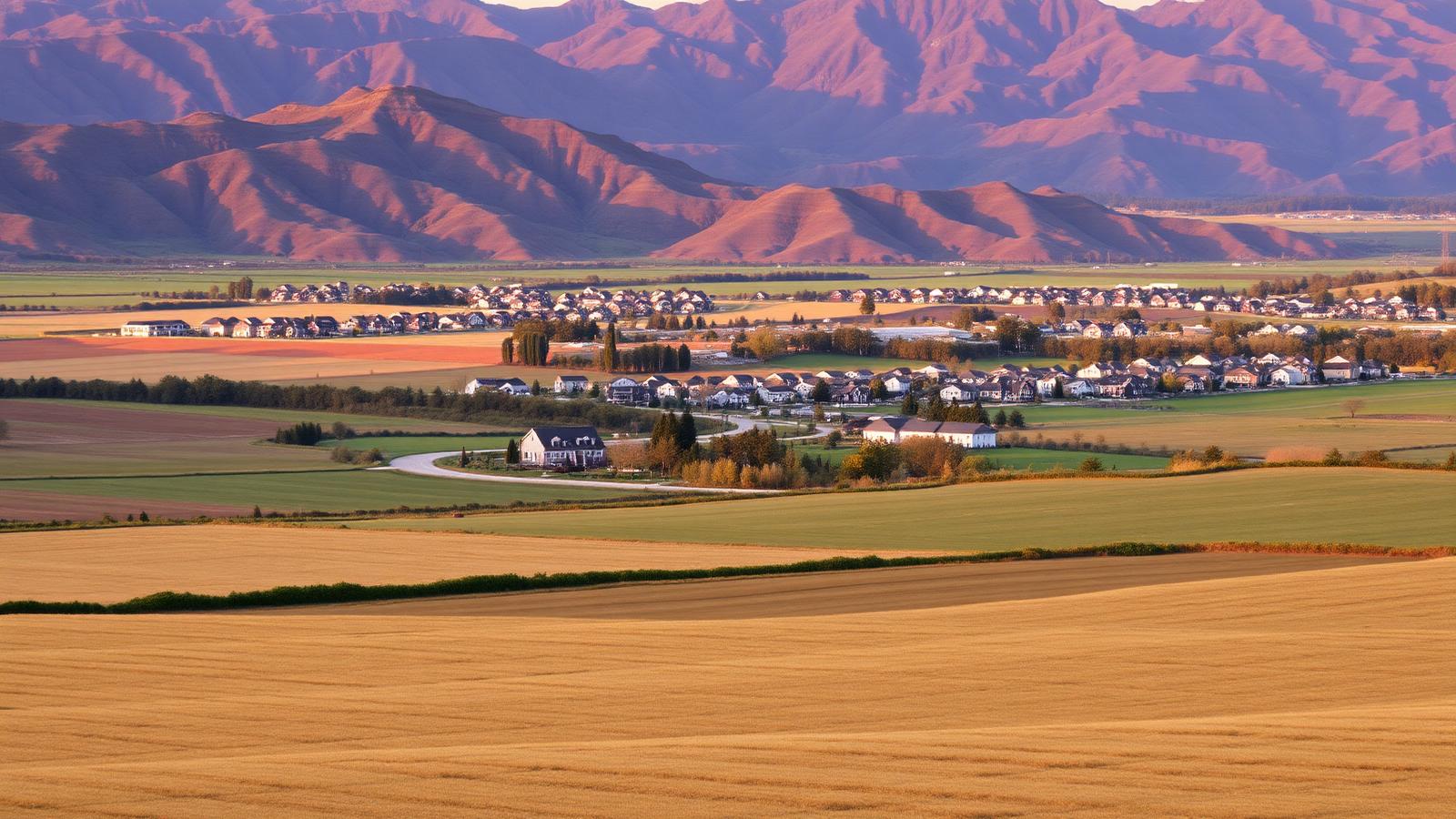
Mostly finish and first-service work rather than emergency repair. New subdivisions are handed over without back-yard concrete, without fencing between lots, without finished basements and without epoxy garage floors, so those jobs get bought two to eight years after move-in. HVAC and plumbing demand skews toward first paid service calls once builder warranties lapse, plus new-construction rough-in work as the city keeps building east onto the bench and out across the old farm ground.