Greenville · Web Design
Web design in Greenville: the page a phone in a red-clay yard can actually use.
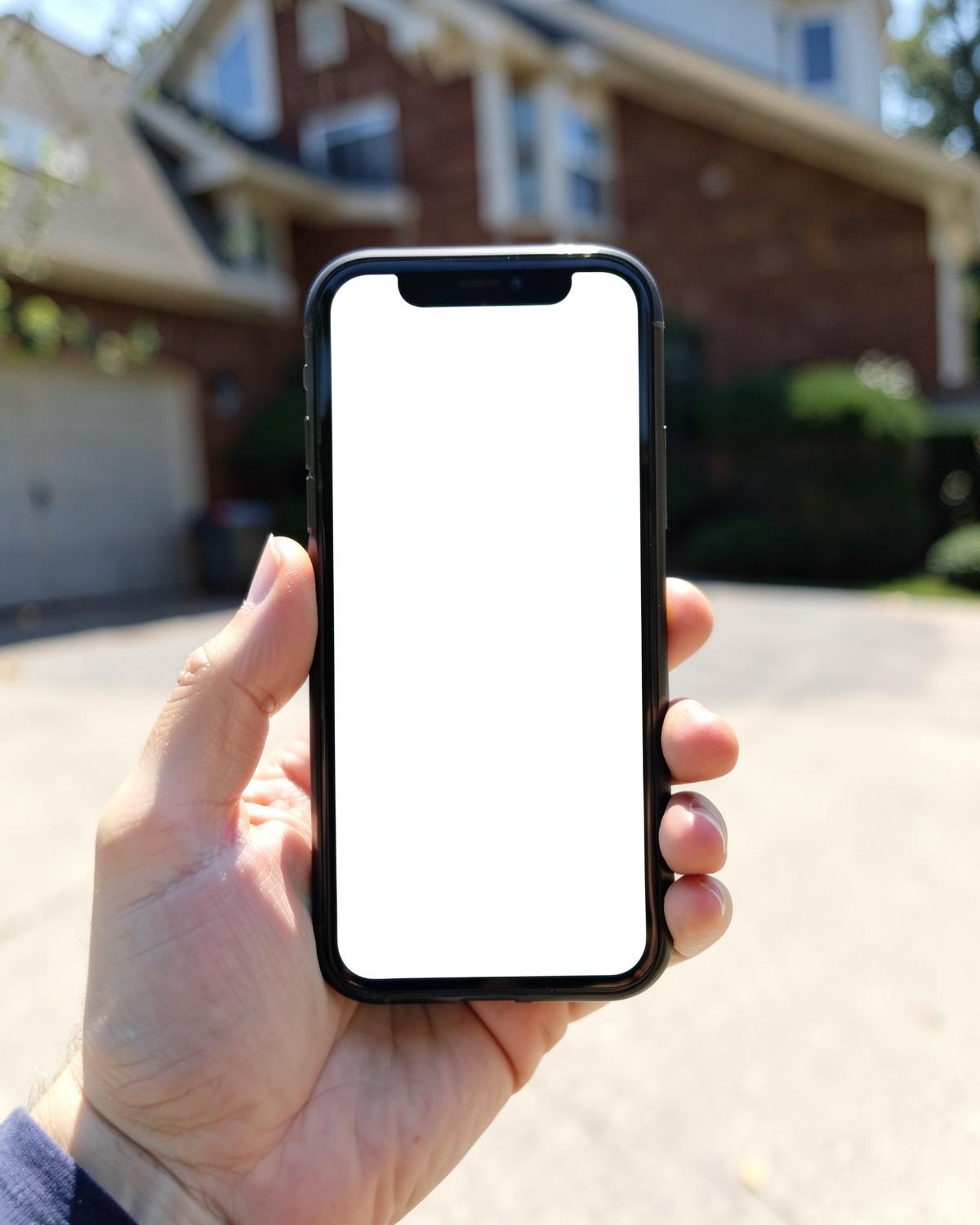
A homeowner standing at the corner of a cracked driveway, or a plant supervisor pricing a supplier between shifts, is holding a phone in bright sun with one thumb. Whatever the site does in the next four seconds decides the job. Most Upstate websites spend those four seconds describing the business.
The short answer
Web design in Greenville, South Carolina should be treated as conversion infrastructure rather than decoration. That means a site that loads fast on cellular in bright Upstate sun, answers four questions immediately — what exactly you do, whether you come to my town, roughly what it costs, and how I reach a person — publishes honest price bands, names Greenville plus Greer, Taylors, Mauldin, Simpsonville, Fountain Inn, Travelers Rest, Easley and Powdersville explicitly, uses real local job photography instead of stock, and carries clean LocalBusiness, Service and FAQ structured data so search engines and AI answer engines can quote it.
Beat 01 · Four seconds, four questions
Every visitor arrives with the same four questions and no patience.
What exactly do you do. Do you come to my town. Roughly what does it cost. How do I reach a person right now. A site that answers all four above the fold converts several times better than one that opens with a mission statement over a stock photograph.
In Greenville that third question carries extra weight. This is an affordability market by regional standards, with working households on industrial payroll comparing numbers carefully, so a published band builds more trust than any badge row. Businesses that hide price entirely lose the comparison before it starts.
And the second question is not rhetorical. A household in Fountain Inn or Travelers Rest genuinely does not know whether you drive there. Naming the towns is the difference between a call and a bounce.
Beat 02 · The shift: from brochure to instrument
A site is not a portfolio. It is the multiplier on every dollar spent elsewhere.
Paid search, organic search and social all end at the same place. If that place converts at two percent instead of six, every channel costs three times what it should — and no amount of bidding fixes it.
So the build order changes. Speed first: images sized properly, no bloated page builders, no carousel nobody scrolls. Then structure: one page per service and one per town, each with scope, exclusions, photographs and a band. Then the mechanics of contact: a phone number that dials with one tap, a short form, and appointment windows that acknowledge rotating plant shifts.
Then the machine-readable layer. LocalBusiness, Service and FAQPage structured data, clean headings, and self-contained answers give both classic search results and AI answer engines something quotable. Increasingly the first impression is a generated summary, not a homepage.
Beat 03 · Mechanism: speed, proof, structure
Three things carry a local site, and none of them are visual flourish.
Speed on cellular. Coverage in the foothills and along rural stretches of the county is uneven, and a page that needs six seconds to paint has already lost a buyer who has three other tabs open.
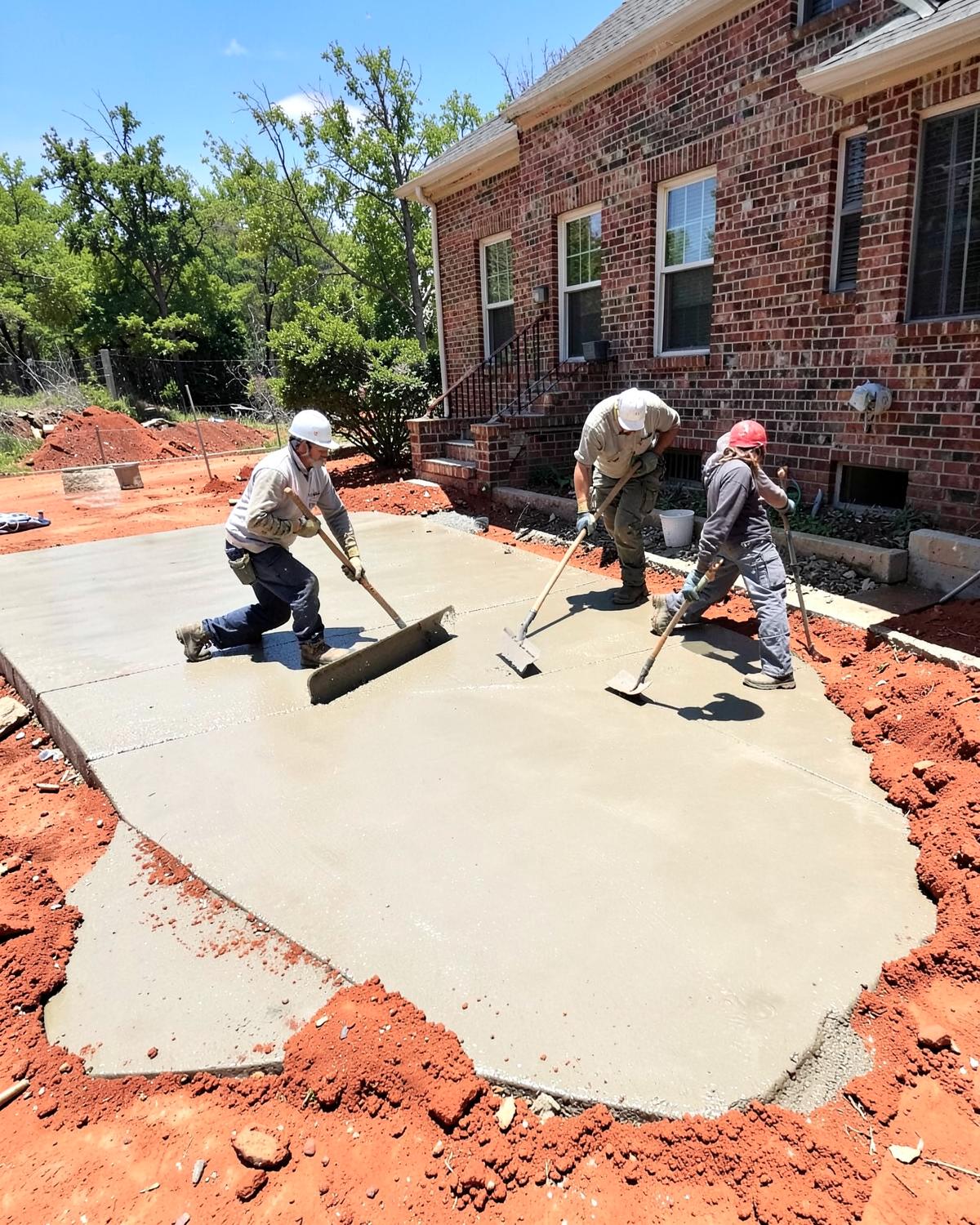
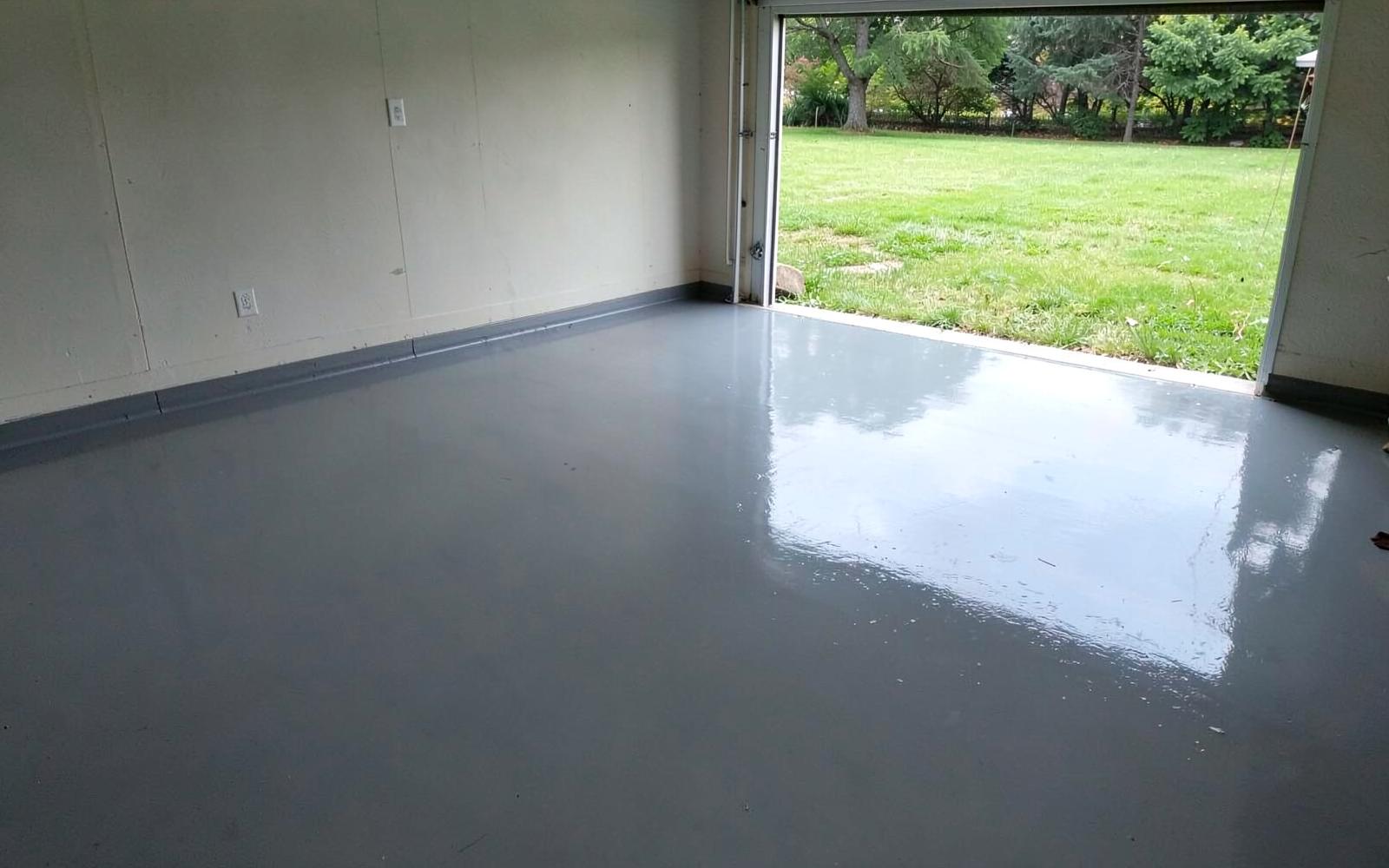
Proof that is local. Photographs of work on Upstate housing — a 1960s brick ranch on Augusta Road, a driveway poured on red clay, an epoxied garage floor, a fence line on a sloped Simpsonville lot, a crawl space encapsulated under a hillside house — outperform stock imagery decisively, because they demonstrate familiarity with the actual conditions here.
Structure that machines can read. Clear service and town pages, consistent business data, honest FAQ answers written to stand alone, and a contact path that works with one thumb. That combination is what makes the same traffic worth two or three times more.
Beat 04 · The number
4
Four seconds is a fair estimate of the attention a local website gets on a phone before the visitor decides to stay or go back to the results page.
It is not enough time for a hero video, a cookie banner, a newsletter overlay and a carousel. It is enough time for a headline that names the service and the area, a price band, and a tap-to-call button.
Build for those four seconds and everything downstream — search, ads, social — gets cheaper on the same budget.
Beat 05 · The contrast
A handsome site that never says where, what, or how much.
It opens on a stock skyline, describes commitment to excellence, hides the phone number in a footer, offers a fifteen-field quote form, names no town in the Upstate, publishes no price, and takes seven seconds to load because the header image is untouched from a camera.
It may have cost real money and it may win compliments. It still converts poorly, and every ad dollar routed to it is discounted by the same factor.
The replacement is not prettier. It is faster, plainer, more specific, and it answers the four questions before the visitor scrolls.
Web Design is one of four. The Greenville Master Framework page makes the case for running all four together, and what running only one costs a Greenville service business.
Where we run web design in Greenville
Web Design for service businesses across Greenville and Greenville County, plus the satellite towns crews already drive to. Every district below is targeted by name in campaigns, pages and profile service areas — not folded into a single city radius.
- Greenville districts
- Downtown Greenville · West End · North Main · Augusta Road · Alta Vista · Overbrook · Nicholtown · Sans Souci · Botany Woods · Parkins Mill · Gower Estates · Verdae · Hollingsworth Park · Woodruff Road corridor · Pelham Road corridor · Haywood · Cherrydale · Berea · Judson mill village · Monaghan mill village · Poe Mill · Wade Hampton corridor · Five Forks · Paris Mountain area · Greenville downtown airport area
- Beyond the county line
- Greer · Taylors · Mauldin · Simpsonville · Fountain Inn · Travelers Rest · Piedmont · Powdersville · Easley · Duncan · Marietta · Slater-Marietta · Gray Court · Fork Shoals · Greenville County · Pickens County · Laurens County · Anderson County · Spartanburg · Anderson · Clemson · the Upstate · Blue Ridge escarpment · Paris Mountain · Table Rock · Reedy River · Saluda River · Enoree River · Lake Robinson · Interstate 85 corridor · Interstate 385 corridor · US 276 corridor · US 25 corridor · Inland Port Greer
- ZIP codes covered
- 29601 · 29605 · 29607 · 29609 · 29611 · 29615 · 29617 · 29650 · 29651 · 29662 · 29680 · 29681 · 29687 · 29690 · 29642 · 29673 · 29644 · 29669 · 29661 · 29683
Beat 06 · Greenville close
In an Upstate market comparing three numbers, the clearest site wins.
Greenville's buyers are practical: manufacturing households on shift schedules, small business owners along the Woodruff Road and Pelham Road corridors, and new arrivals in subdivisions who moved here partly because things cost less than the coast. Clarity reads as competence to all of them.
So we build sites that state scope, publish bands, show real Upstate work, name every town a truck reaches, load fast on a weak signal, and give answer engines clean material to quote.
That site raises the return on every other channel, permanently, and it is the one asset a business fully owns.
Web Design in Greenville — questions, answered
Answer four questions above the fold — exactly what you do, whether you serve the visitor's town, roughly what it costs, and how to reach a person — then name the Upstate towns explicitly: Greenville, Greer, Taylors, Mauldin, Simpsonville, Fountain Inn, Travelers Rest, Easley and Powdersville. Publishing a price band matters more here than in higher-priced coastal markets, because buyers compare carefully.
Yes. Most local traffic arrives on a phone, often on uneven cellular coverage toward the foothills and rural parts of the county. A page that takes six or seven seconds to render loses buyers who already have other tabs open. Properly sized images, no heavy page builder and no carousel usually cut load time more than any redesign flourish.
Answer engines quote structured, self-contained text. Clean LocalBusiness, Service and FAQPage markup, clear headings, honest FAQ answers that make sense out of context, and consistent business details make a site quotable. Sites built as visual brochures with text locked inside images or sliders get skipped entirely.
The rest of the Greenville set
- SEO
Search Engine Optimization in Greenville
Greenville anchors South Carolina's Upstate: an advanced manufacturing and automotive corridor along Interstate 85, a revived downtown built out of old textile mill property, and a ring of towns from Greer to Travelers Rest growing on manufacturing payroll and prices well under the coast's. Extentus builds a search footprint on the vocabulary this inland market actually types and the towns buyers name instead of the city.
Open page - Google Ads
Google Advertising in Greenville
Greenville's paid-search market is inland, corridor-shaped and cheaper to win than the coast's. Extentus pre-stages campaigns for the seasons that actually move demand here, segments bidding by corridor instead of one radius across the county, and runs Local Services Ads where a lead form is the whole transaction.
Open page - Social Ads
Social Advertising in Greenville
The Upstate keeps adding households faster than local businesses can meet them. Extentus runs new-mover and new-construction targeting across Greenville County and its neighbors, times offers ahead of pollen season and the summer heat, and retargets everyone the other channels already touched.
Open page - All four — recommended
Master Framework in Greenville
The bundle argument, localized: the website sets the conversion rate, paid search buys the urgent hours, organic takes those hours permanently, social reaches the households search cannot see yet — and one team tracks every dollar to one number across Greenville County and the Upstate.
Open page