Reading, Pennsylvania
Reading Web Design and SEO — Built for Brick Rowhomes
Reading is the seat of Berks County and one of the densest older housing markets in Pennsylvania outside Philadelphia itself — block after block of brick rowhomes and twins on narrow lots, wrapped by a warehouse-and-manufacturing economy that runs along the Routes 222, 422 and 176 corridors. It is also one of the most Latino cities in the state, which makes bilingual search and bilingual service pages a real advantage here rather than a nice-to-have. None of that resembles Allentown's growth pricing, Harrisburg's government calendar or Pittsburgh's hill-and-bridge geography.
Five dedicated Reading pages
Each discipline has its own Reading page — its own local search data, its own market detail, its own URL.
- SEO
Search Engine Optimization in Reading
The channel that keeps producing calls in a county seat where the housing stock is older and denser than almost anywhere in the region outside Philadelphia. A Google Business Profile built around brick-rowhome plumbing and freeze-thaw stoop repair, neighborhood pages for Center City Reading, Callowhill, Centre Park, Northeast, Northwest, Southwest and Southeast Reading, Glenside, Hampden Heights, Riverside, Millmont, Oakbrook, Pennside and Mount Penn, plus reach into West Reading, Wyomissing, Shillington, Kenhorst, Mohnton, Sinking Spring, Spring Township and the rest of Berks County, and enough locally specific, review-backed proof to outrank national franchises that have never worked a narrow-lot brick stoop.
Open page - Google Ads
Google Advertising in Reading
The channel built for a county seat where dense brick rowhomes sit a few miles from an affluent, higher-ticket suburban ring. Paid search and Local Services Ads split Center City Reading's older twins and rowhomes from Wyomissing, West Reading, Exeter Township and Spring Township, weighted for no-heat emergencies, freeze-thaw concrete failure on Mount Penn's hillside streets, and warehouse-corridor HVAC demand along Routes 222/422/176, then report against booked jobs instead of raw clicks.
Open page - Social Ads
Social Advertising in Reading
The Reading channel built for a price-sensitive, bilingual Berks County market: Facebook and Instagram campaigns pulled from real local job sites and aimed neighborhood by neighborhood across Center City Reading, Callowhill, Centre Park, Northeast, Northwest, Southwest and Southeast Reading, Glenside, Hampden Heights, Riverside, Millmont, Oakbrook, Pennside and Mount Penn, plus West Reading, Wyomissing, Shillington, Kenhorst, Mohnton, Laureldale, Temple, Muhlenberg Township, Exeter Township, Sinking Spring, Birdsboro, Fleetwood, Kutztown, Hamburg, Leesport, Boyertown, Cumru Township, Spring Township and Wernersville.
Open page - Web Design
Web Design in Reading
Sites built for a Berks County seat of roughly 95,000 residents inside a county of about 430,000, where dense brick rowhomes and twins with party walls, narrow lots, and stoop-and-alley access dominate the housing stock, where Center City, Callowhill, Centre Park, Northeast, Northwest, Southwest, and Southeast Reading, Glenside, Hampden Heights, Riverside, Millmont, Oakbrook, Pennside, and Mount Penn each search their own way, and where West Reading, Wyomissing, Shillington, Kenhorst, Mohnton, Laureldale, Temple, Muhlenberg Township, Exeter Township, Sinking Spring, Birdsboro, Fleetwood, Kutztown, Hamburg, Leesport, Boyertown, Cumru Township, Spring Township, and Wernersville round out the trade area: fast, mobile-first pages, genuinely bilingual Spanish-language service pages rather than machine translation, visible license, insurance, and City of Reading permit proof alongside separate township processes in Exeter, Spring, Cumru, and Muhlenberg, and pricing language built around a price-sensitive market where change orders get explained instead of sprung.
Open page - All four — recommended
The Master Framework in Reading
All four channels, installed together for a Berks County seat where dense rowhome housing drives repair and replacement demand, a warehouse and manufacturing economy runs along Routes 222, 422 and 176, a large bilingual population searches in two languages, and an affluent suburban ring shops slower and bigger than the city core. One strategy across SEO, Google advertising, social advertising and web design, tuned to Reading's neighborhoods and Berks County's map, with one accountable number.
Open page
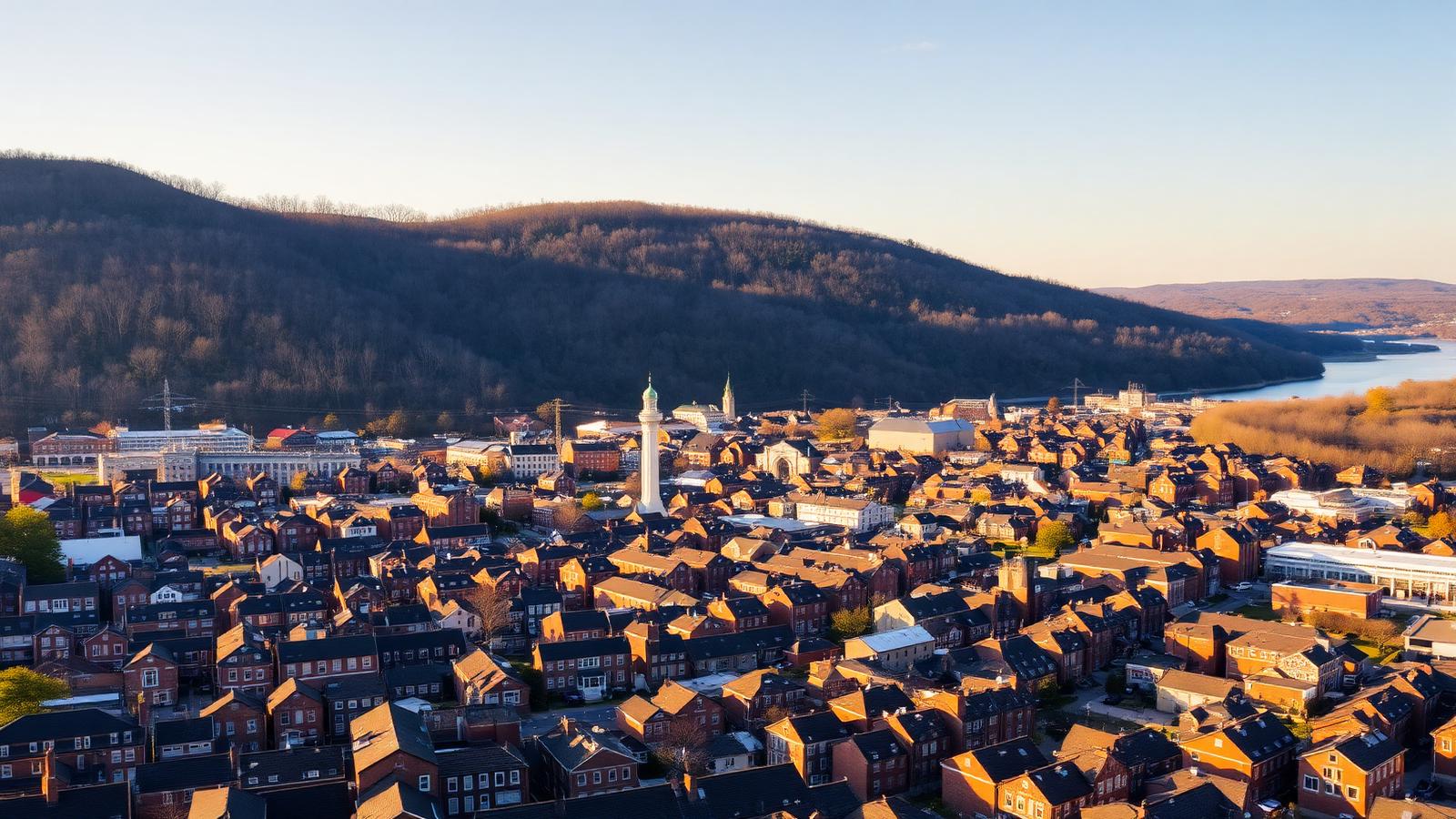
Roughly 95,000 people live inside the city, inside a Berks County of about 430,000 once West Reading, Wyomissing, Shillington, Kenhorst, Mohnton, Laureldale, Temple, Muhlenberg Township, Exeter Township, Sinking Spring, Birdsboro, Fleetwood, Kutztown, Hamburg and Boyertown are counted. Center City, Callowhill, the Centre Park and Prince historic districts, Northeast and Northwest Reading, Glenside, Millmont, Riverside, Oakbrook, Pennside and the Mount Penn slope are largely attached brick housing — party walls, narrow lots, stoops, alley access and mechanical systems replaced piecemeal for a century.
Extentus installs search, paid search, paid social and the website as one system here rather than four separate contracts. In a market where the typical job is a replacement or a retrofit inside a shared-wall house, and where a meaningful share of the buying conversation happens in Spanish, four vendors optimizing separately produce four different stories about the same crew.
What makes the Reading market distinct
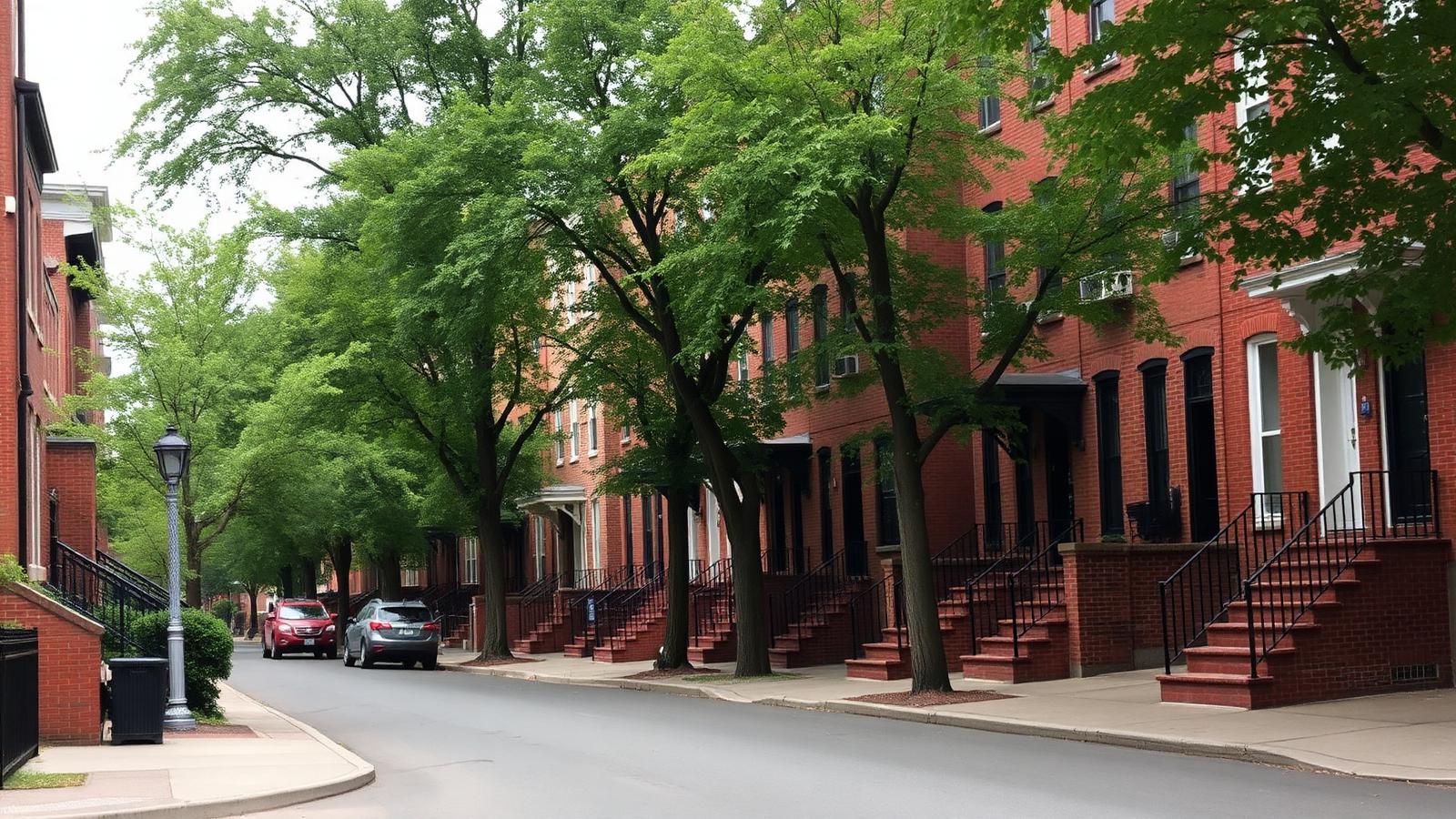
The housing sets the work order. A Centre Park or Callowhill homeowner is not comparing new-construction quotes; they are asking whether a crew has opened a shared wall in a 1900s brick rowhome, worked a drain line under a hand-poured cellar floor, or moved equipment through an alley instead of a driveway. Freeze-thaw and road salt then take out stoops, sidewalks, retaining walls and driveway aprons on the streets climbing toward Mount Penn every spring.
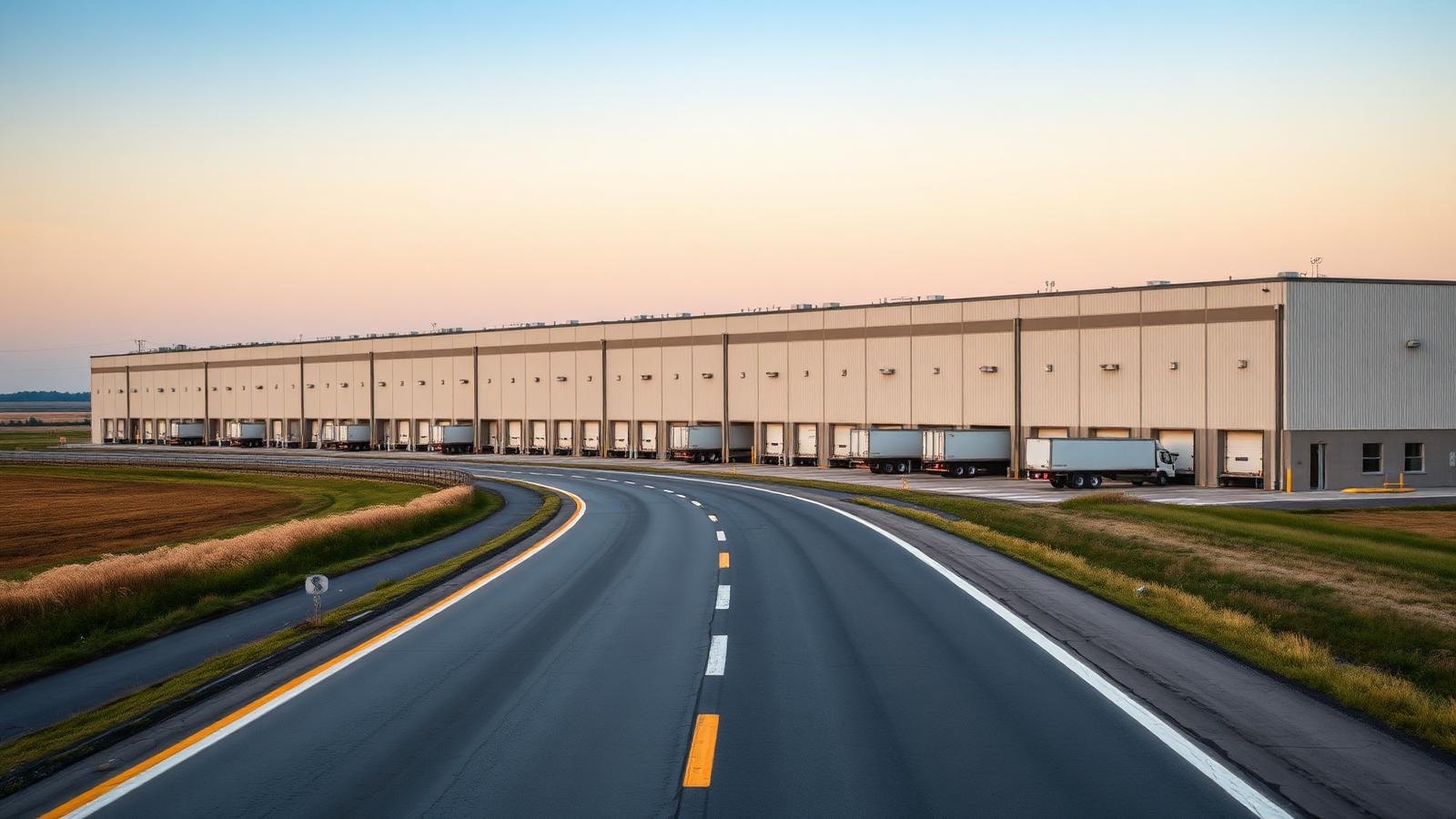
The economy sets the budget conversation. Warehouse, distribution and manufacturing employment along the 222, 422 and 176 corridors keeps demand steady but price-aware, and homeowners here tend to hold property for a long time. Meanwhile the suburban ring — Wyomissing, West Reading, Exeter Township, Spring Township, Cumru — shops slower, compares more, and buys higher-ticket work than Center City does. Those are two different buyers, and one flat citywide page speaks convincingly to neither.
Search: the county searches by borough and township
People here name Wyomissing, West Reading, Shillington, Exeter or Muhlenberg before they name Reading. Our SEO work takes the head terms first, then builds the coverage that converts: Center City, Callowhill, Centre Park, Northeast and Northwest Reading, Glenside, Hampden Heights, Millmont, Riverside, Oakbrook and Pennside, then West Reading, Wyomissing, Shillington, Kenhorst, Mohnton, Laureldale, Temple, Muhlenberg Township, Exeter Township, Sinking Spring, Birdsboro, Fleetwood, Kutztown, Hamburg, Leesport and Boyertown — in English and, where the demand is real, in Spanish.
Google advertising: cold snaps, thaw damage and shift schedules set the spikes
A hard freeze in a rowhome with a thirty-year-old furnace creates urgent calls within hours, and the spring thaw does the same for cellars, stoops and sidewalks. Our paid search work bids by district and township cluster rather than by a circle drawn on Penn Street, because Center City and Wyomissing are different auctions at different ticket sizes. Spanish-language ad copy runs as its own set rather than a translation afterthought, Local Services Ads carry the licensed trades, and paid search doubles as the fastest message test for the other three channels.
Social advertising: renovation demand gets planned and saved for
Fencing, patios, decks, epoxy garage floors and kitchen or bath remodels in century-old rowhomes and twins get decided months before anyone searches for them, especially in a market where families budget carefully. Paid social reaches that decision at the kitchen table, in the language the household actually uses, and retargeting then catches everyone the other three channels already touched.
Web design: proof, plain answers, bilingual pages and a phone-first build
Most local searches here start on a phone, often from a cold house or a wet cellar. The site has to load fast, show licensing and insurance without being asked, explain how work gets permitted through the City of Reading and separately through Exeter, Spring, Cumru and Muhlenberg townships, name the communities served, carry real Spanish-language service pages rather than machine translation, and answer the question every rowhome owner has: what happens when the wall comes open and the job turns out worse than the estimate assumed.
How the four channels compound in Reading
The website converts the traffic. SEO builds the district and township coverage that keeps producing between cold snaps. Google advertising buys the no-heat and flooded-cellar window the hour it opens. Social advertising creates the renovation demand search cannot capture yet. Run them together and each channel lowers the cost of the next; run them apart and four vendors each defend their own invoice.
One team plans the Reading pages, runs the ads, builds the audiences and owns the site — in both languages — and reports it all against a single record of what produced work.
The Reading attribution advantage
In a market where a homeowner may see a fence ad in April, read a drain-stack page in September and call at 6 a.m. in January when the furnace quits, last-click reporting is actively misleading. Extentus reports one set of numbers: qualified inbound by channel and by district or township, cost per qualified inbound, and the pages responsible — so the winter emergency search and the spring renovation touch both get credited honestly.
It also changes the calendar. Heating season, the spring wave of failed concrete and wet cellars, the summer exterior window and fall interior remodels each peak in different quarters, so budget shifts between paid and organic rather than spreading flat across twelve months. A single-channel vendor has no reason to recommend that, because every shift moves money out of their own line item.
The four services Extentus runs in Reading
- Search Engine Optimization
- The channel you own — map-pack rankings, reviews and service-area pages that keep producing after the work is done.
- Google Advertising
- The channel with a volume dial — paid search and Local Services Ads tuned to the hours demand actually spikes.
- Social Advertising
- The channel that builds the pipeline — demand created in homeowners before they ever search.
- Web Design
- Where the other three cash out — fast, mobile-first pages built to convert visits into booked jobs.
Install all four in Reading
One framework, one accountable record: qualified inbound by channel and by Reading district, cost per qualified inbound, and the exact pages responsible.
Reading marketing questions, answered
Because Berks County's housing, streets and permitting change block by block and line by line. A Centre Park homeowner with an attached 1900s brick rowhome on an alley is describing a different job than a Wyomissing homeowner with a detached mid-century house and a driveway, and West Reading, Shillington, Exeter Township and Muhlenberg each have their own contractor pool and their own permit process. Dedicated pages for Center City, Callowhill, Centre Park, Northeast and Northwest Reading, Glenside, Millmont, Riverside, Oakbrook and Pennside, then West Reading, Wyomissing, Shillington, Kenhorst, Mohnton, Laureldale, Temple, Muhlenberg, Exeter, Sinking Spring, Birdsboro, Fleetwood, Kutztown and Hamburg, consistently outperform one flat Reading page.
Yes, more than in almost any other Pennsylvania market. Reading has one of the largest Latino population shares of any city in the state, so a meaningful portion of local search, ad response and phone conversation happens in Spanish. Real Spanish-language service pages, Spanish ad copy written as its own set rather than translated after the fact, and Spanish-speaking intake turn traffic into booked jobs that an English-only site simply loses — while competitors keep bidding on the same English terms.
It shifts nearly everything toward replacement, repair and retrofit. Attached brick rowhomes and twins with party walls, narrow lots, alley access and cellars poured before modern drainage practice mean the everyday jobs are failing drain stacks, aging furnaces in tight mechanical corners, spalled stoops and sidewalks broken up by freeze-thaw and road salt, and access problems a suburban crew never plans for. The marketing has to prove experience with shared-wall construction rather than showcase new builds, because the searcher's real fear is what a crew finds behind the wall.