Rochester, New York
SEO, Google Ads, Social and Web Design in Rochester — Built for Snowbelt Winters, Pre-War Housing and a Research-Minded Buyer
Rochester sits at the southern edge of Lake Ontario, and the lake dictates the local calendar more than any single business decision made downtown. Snow rolls off the water for months at a time, the Genesee River carves through the middle of the city on its way to High Falls, and the freeze-thaw cycle that follows every storm works concrete driveways and sidewalks apart one winter at a time. Layer on a housing stock built largely before 1940, an economy that traded Kodak-era manufacturing for a university, medical and photonics cluster, and a population that reads reviews and compares written estimates before it calls anyone, and you get a market that punishes a marketing plan copied from somewhere else.
Five dedicated Rochester pages
Each discipline has its own Rochester page — its own local search data, its own market detail, its own URL.
- SEO
Search Engine Optimization in Rochester
The channel that keeps producing calls in a city where Lake Ontario winters and century-old housing set the pace of demand. A Google Business Profile built for Rochester's permit offices, a heating-first service list instead of a cooling-first one, neighborhood and suburb pages for Park Avenue, the South Wedge, Corn Hill, Highland Park, the 19th Ward, Browncroft, Brighton, Pittsford, Penfield, Webster, Irondequoit, Greece, Gates, Chili, Henrietta, Fairport, Hilton, Spencerport and Victor, and enough review-backed, New York-licensed proof to outrank a national franchise that has never priced a job against Rochester's snow totals.
Open page - Google Ads
Google Advertising in Rochester
The channel built for a market where a steady snowbelt winter, not a sudden squall, is what wears down furnaces and roofs. Paid search and Local Services Ads bid Rochester's long winter-emergency stretch and its short spring-through-fall build season as separate markets, with Monroe County suburbs bid individually and reporting tied to booked jobs instead of raw clicks.
Open page - Social Ads
Social Advertising in Rochester
The Rochester channel that creates the job before anyone types a query for it. Facebook and Instagram campaigns built from your own Rochester-area job sites, aimed street by street across Park Avenue, the South Wedge, Corn Hill, Highland Park and Browncroft, plus Brighton, Pittsford, Penfield, Webster, Irondequoit, Greece, Gates, Chili, Henrietta, Fairport, Hilton, Spencerport and Victor — a Monroe County market with a genuine winter indoor-remodel season and an audience that wants proof, not hype.
Open page - Web Design
Web Design in Rochester
Sites built for a Rochester buyer shaped by a university town's habits: fast, mobile-first pages that still load cleanly during a snowbelt storm, plain licensing and insurance proof for a homeowner who checks before they call, transparent price ranges that match what a more affordable Rochester housing market actually expects to pay, real project galleries pulled from the region's pre-war housing stock rather than stock photography, LocalBusiness and Service schema that names Rochester and Monroe County so answer engines can cite the page directly, and named pages for Brighton, Pittsford, Penfield, Webster, Irondequoit, Greece, Gates, Chili, Henrietta, Fairport, Hilton, Spencerport and Victor instead of one page pretending the whole county is a single neighborhood.
Open page - All four — recommended
The Master Framework in Rochester
All four channels, installed together for Rochester's snowbelt winter, its compressed outdoor build season, its research-driven University of Rochester, URMC and RIT-anchored buyer, and its spread across Brighton, Pittsford, Penfield, Webster, Irondequoit, Greece, Gates, Chili, Henrietta, Fairport, Hilton, Spencerport and Victor. One strategy across SEO, Google advertising, social advertising and web design, timed to Monroe County's calendar and its buyer's habits — and one accountable number.
Open page
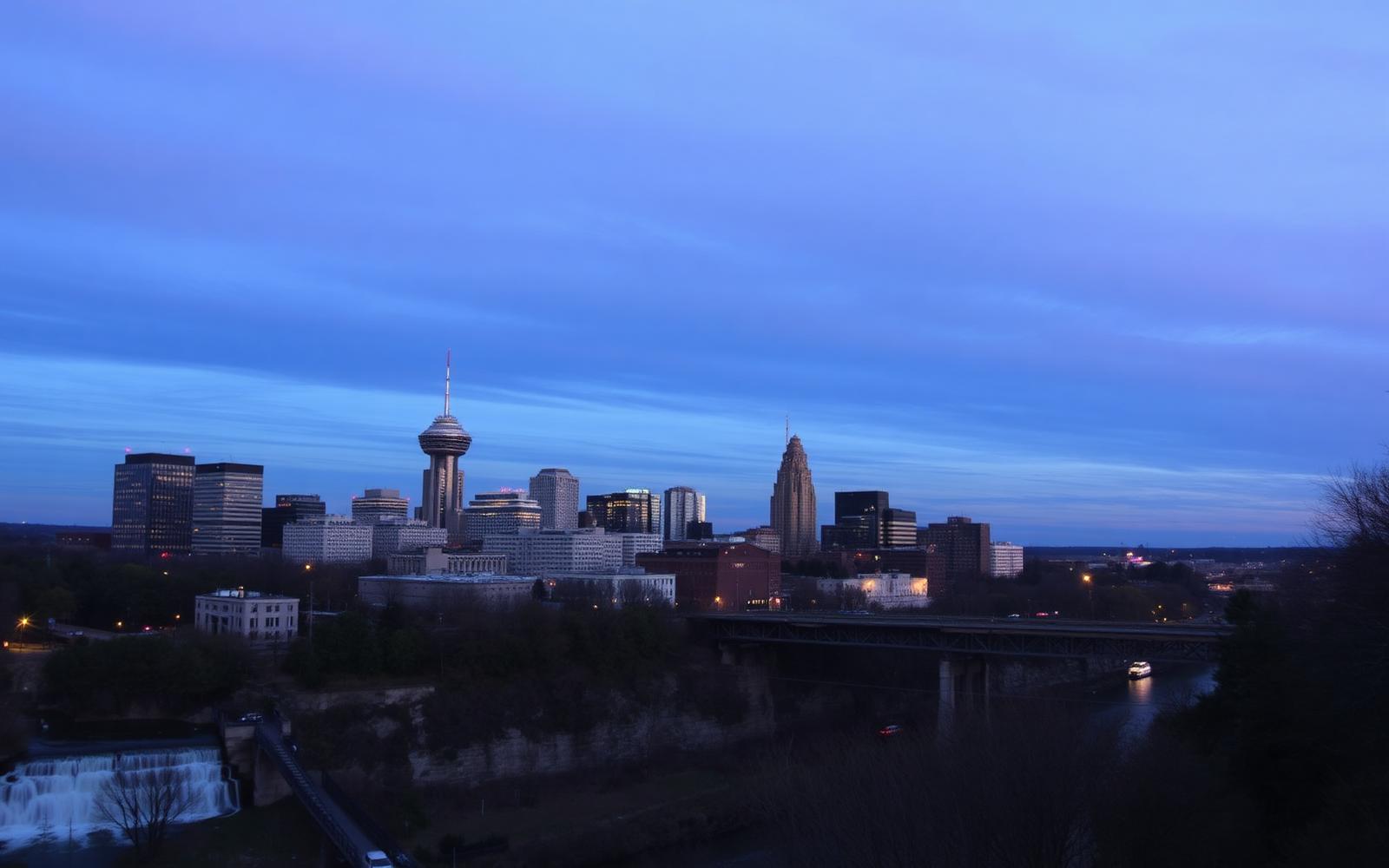
Rochester reads as a patchwork of small, opinionated neighborhoods rather than one uniform city. Park Avenue and the Neighborhood of the Arts hold dense blocks of century-old homes and apartment buildings a short walk from the George Eastman Museum. The South Wedge and Corn Hill mix historic housing with a wave of younger buyers renovating properties block by block. The 19th Ward remains one of the largest and most architecturally consistent pre-war neighborhoods in the city, while Browncroft, Swillburg, North Winton Village and Highland Park each carry their own housing age, price point and search behavior. Charlotte, out at the Lake Ontario shoreline, faces its own weather and flood exposure that the rest of the city doesn't share. A single generic page cannot speak to all of that, and none of these neighborhoods search Google the same way.
Ring that city with Monroe County's suburbs and the picture gets more specific still: Brighton and Pittsford skew toward older money and mature landscaping, Penfield and Webster sit along the lake with their own snowbelt exposure, Irondequoit and Greece hug the Lake Ontario shoreline directly, Gates and Chili sit west of the city with a more industrial, working-class housing stock, Henrietta anchors big-box retail and light industry along the 390 corridor, and Fairport, Hilton, Spencerport and Victor keep a small-town, canal-town identity of their own. A fence company or a web design client doing business across that map is genuinely running a dozen small markets under one name, and only a plan that names each one performs like it.
What actually makes Rochester its own market
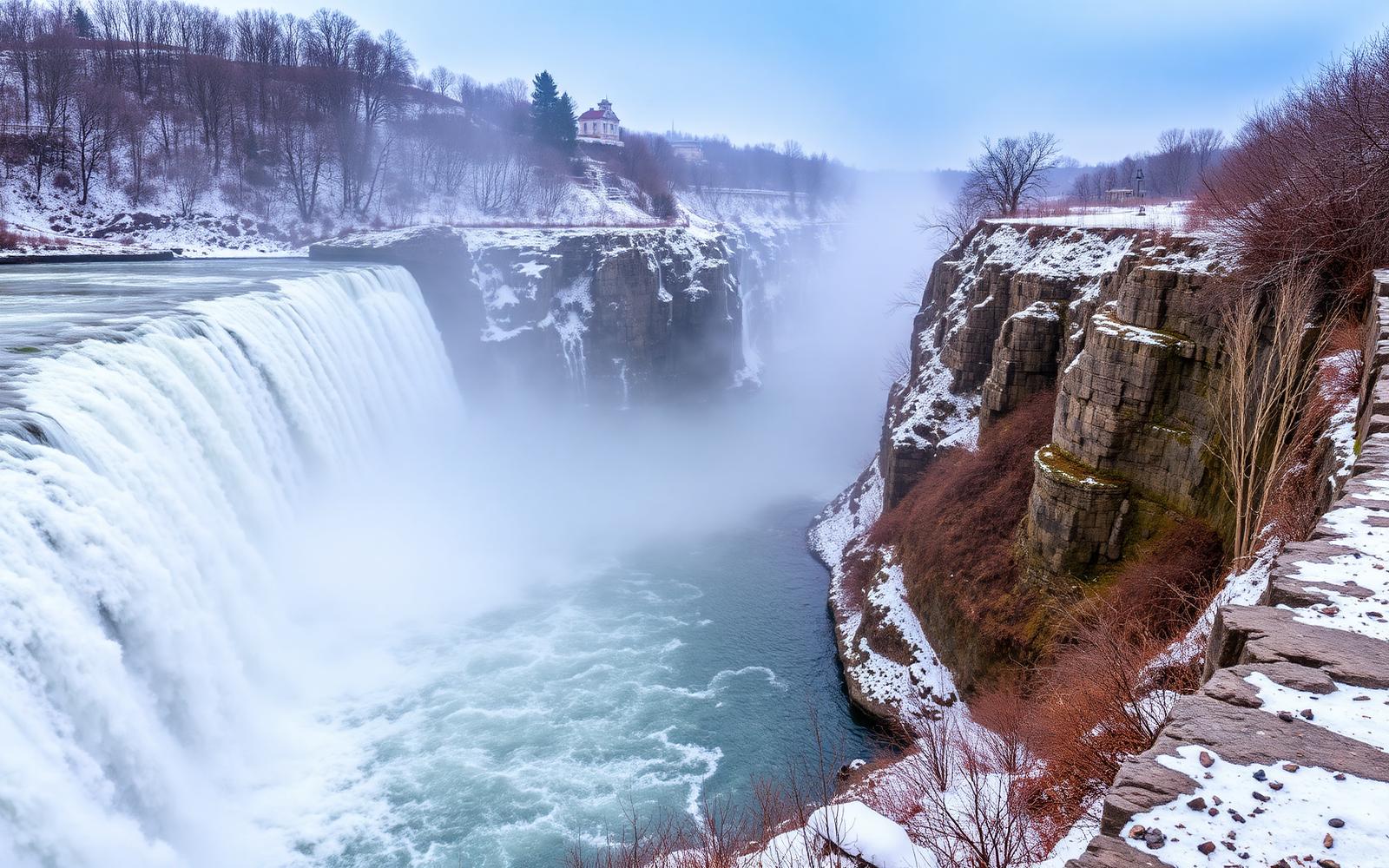
Three forces set Rochester apart from a generic upstate city. First, the lake and the river together. Lake Ontario's lake-effect bands pile snow onto Webster, Irondequoit and Greece while downtown gets a lighter dusting some storms, and the Genesee River running through the middle of the city and over High Falls means downtown drainage, flooding risk and even foundation moisture issues are a live local concern, not an abstraction. Second, the age of the buildings. A large share of the housing in Park Avenue, Corn Hill, the South Wedge and the 19th Ward predates the Second World War — original knob-and-tube wiring, aging cast-iron plumbing, and concrete steps and driveways that decades of road salt and freeze-thaw cycling have already cracked, spalled or heaved. Third, the buyer. Rochester's population is unusually well-educated for its size, shaped by decades of engineering and research employment, and that shows up directly in how people buy local services: they read reviews carefully, they compare written, itemized quotes rather than a verbal number, and they check licensing and insurance before they'll pick up the phone to schedule a job.
The economic story matters just as much. Kodak, Bausch & Lomb and Xerox built Rochester's identity around optics, imaging and precision manufacturing for a century, and while that manufacturing base has contracted sharply, the expertise it left behind never left the region. It re-formed around the University of Rochester and URMC as the region's largest employer, RIT as a steady source of engineering and design talent, and a genuine photonics and optics technology cluster that still draws specialized companies to the area. That combination keeps household incomes and education levels higher than the region's manufacturing reputation suggests, but it also keeps housing costs meaningfully lower than downstate New York or even Boston — and that gap shapes exactly what a Rochester homeowner expects to pay for a website, a rebrand or a renovation, and what a vendor has to prove before that homeowner will pay it.
SEO: neighborhoods, suburbs and the searches Rochester actually types
Rochester SEO has to start from a Google Business Profile built around the jobs that actually recur here — furnace and boiler repair alongside general HVAC service, sump pump and frozen-pipe plumbing work every hard freeze, fence repair after a heavy snow-load winter, concrete driveway and sidewalk replacement once the spring thaw exposes what the freeze-thaw cycle broke, and epoxy garage flooring as a genuinely common upgrade in a city full of older detached garages and unfinished basements. From there, dedicated pages for Park Avenue, the South Wedge, Corn Hill, the Neighborhood of the Arts, Highland Park, Browncroft, Swillburg, North Winton Village, Maplewood, Charlotte and the 19th Ward need to sit alongside pages for Brighton, Pittsford, Penfield, Webster, Irondequoit, Greece, Gates, Chili, Henrietta, Fairport, Hilton, Spencerport and Victor — because a homeowner in Pittsford and a homeowner in Charlotte are not looking for the same thing, and Google increasingly rewards the business that says so.
Google advertising: buy the freeze-thaw crack and the lakeshore storm
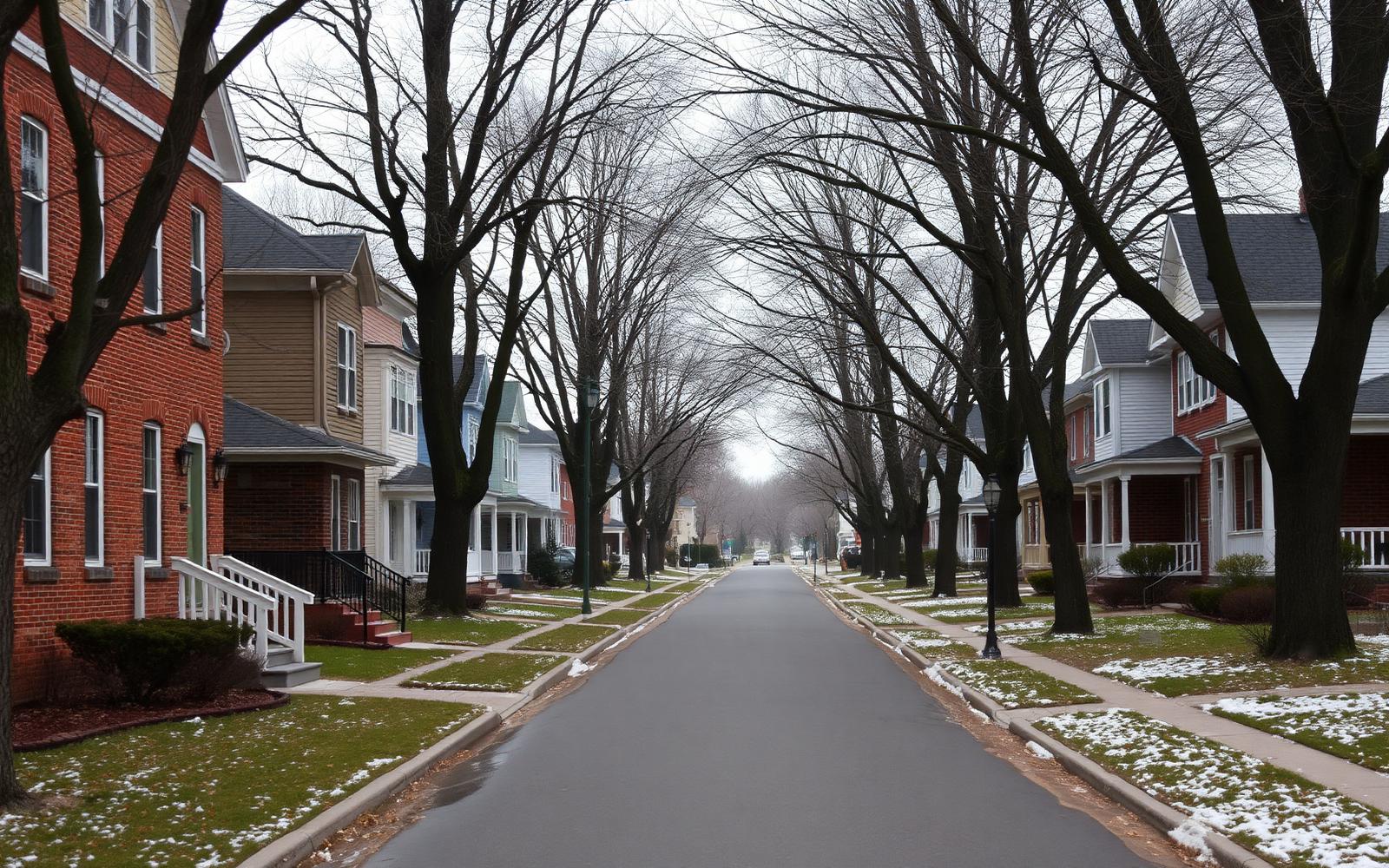
Paid search works best in Rochester when it is timed to real seasonal triggers rather than an even monthly spend. Lake-effect snow events that dump heavy totals on Webster, Irondequoit and Greece generate immediate calls for emergency fence and roof repair and no-heat furnace failures within hours. The spring thaw generates the second, more predictable wave, when the driveway, front steps or sidewalk that a winter's worth of salt and freeze-thaw finally cracked through becomes visible and urgent all at once. Shifting ad budget and copy from heating-emergency and storm-damage terms in winter toward concrete, fencing and epoxy terms from April through fall — and geo-targeting the lakeshore towns harder during snow events — consistently outperforms a campaign that runs the same message year-round.
Social advertising: sell the indoor season and the pre-vetted decision
A Rochester winter keeps people planning projects indoors for months before they ever call a contractor, which makes social advertising unusually effective for basement finishing, epoxy floor upgrades and furnace or boiler replacement — the kind of project a homeowner researches in January for work booked once the ground thaws. Because Rochester buyers are comparison shoppers by habit, real photography from a South Wedge renovation, a Pittsford fence install or a Greece driveway pour builds more trust than stock imagery ever will, and it works best paired with genuine reviews and a visible license number rather than a purely visual pitch.
Web design: built for a buyer who reads before they call
Rochester's research-minded, well-educated buyer base means a site has to survive scrutiny, not just look good. Our builds load fast on a phone in a snowstorm, keep click-to-call and a request-a-quote path fixed on screen, publish transparent pricing ranges calibrated to Rochester's cost of living rather than downstate assumptions, state licensing and insurance in plain language, show real project galleries from the city's older housing stock and its suburban new construction alike, and carry LocalBusiness, Service and FAQ schema naming Rochester and its Monroe County suburbs so answer engines can cite the business directly when someone asks a plain-language question about cost, timeline or licensing.
How the four channels compound in Rochester
SEO carries the steady, everyday repair and remodel volume across the city's neighborhoods and Monroe County's suburbs. Google advertising captures the moment a storm just hit or a driveway just cracked. Social advertising builds the indoor-season research pipeline that spring and summer outdoor work depends on. Web design decides whether a comparison-shopping, review-reading buyer actually converts once they land — or bounces to the next open tab. Run in isolation, each channel misses a real piece of Rochester's calendar; run together under one report tracking qualified leads by channel and by neighborhood, they cover the year the lake and the river actually hand this market.
The master framework: one system for a lake-driven, research-heavy market
SEO alone misses the overnight lake-effect surge that sends someone straight to a search bar. Paid alone rents attention it can't keep once a well-educated buyer starts comparing quotes. Social alone builds interest with no fast, credible site to close the decision. And a well-built site with no visibility never gets found in the first place. Installed as one framework, the four disciplines move together with Rochester's actual year — snowbelt storm response along the lakeshore towns, everyday plumbing and HVAC work in pre-war housing, a compressed outdoor build season for fencing, concrete and epoxy floors, and pricing and proof calibrated to a buyer who checks before they commit.
The four services Extentus runs in Rochester
- Search Engine Optimization
- The channel you own — map-pack rankings, reviews and service-area pages that keep producing after the work is done.
- Google Advertising
- The channel with a volume dial — paid search and Local Services Ads tuned to the hours demand actually spikes.
- Social Advertising
- The channel that builds the pipeline — demand created in homeowners before they ever search.
- Web Design
- Where the other three cash out — fast, mobile-first pages built to convert visits into booked jobs.
Install all four in Rochester
One framework, one accountable record: qualified inbound by channel and by Rochester district, cost per qualified inbound, and the exact pages responsible.
Rochester marketing questions, answered
Because it creates sharp, town-specific demand spikes rather than a uniform citywide pattern. Lake-effect bands can drop heavy totals on Webster, Irondequoit and Greece while downtown Rochester sees far less, so fencing, roofing, HVAC and plumbing businesses need suburb-level pages and storm-responsive ad budgets instead of one generic Rochester-wide message.
Treat each suburb as its own market rather than an extension of the city. Brighton and Pittsford lean toward older, established housing and higher price expectations; Penfield and Webster carry their own lakeshore snow exposure; Irondequoit and Greece sit directly on Lake Ontario; and Gates, Chili and Henrietta have a more working-class, industrial housing mix. Each deserves its own local page and ad targeting rather than a single county-wide catch-all.
Yes. Neighborhoods like Park Avenue, Corn Hill, the South Wedge and the 19th Ward are dominated by homes built before the Second World War, with original plumbing, aging wiring and concrete surfaces worn down by decades of freeze-thaw cycling and road salt. Rochester's well-educated, comparison-shopping buyers respond best to repair-and-retrofit language, written itemized quotes, and project photography from homes that genuinely resemble their own, rather than new-construction messaging.