Albany, New York
SEO, Google Ads, Social and Web Design in Albany — Built for Heating Season, Century-Old Housing Stock and a Short Outdoor Build Year
Albany is a cold-climate trade market wrapped around a state-government and college-town economy, and both halves of that sentence change how a local business gets found. Heating is the dominant mechanical concern here, not cooling. The housing stock is genuinely old — brownstones and rowhouses downtown, Victorians and Craftsman porches through Center Square and Pine Hills, inner-ring 1950s suburbs in Colonie and Delmar — so repair and replacement, not new construction, carries the calendar. And the outdoor build season runs roughly April through November, which means fencing, driveway and patio work gets sold in one window and planned in another.
Five dedicated Albany pages
Each discipline has its own Albany page — its own local search data, its own market detail, its own URL.
- SEO
Search Engine Optimization in Albany
The channel that keeps producing calls in a city where century-old housing and a short outdoor build season set the pace of demand. A Google Business Profile built for Albany's permit desks, a heating-first service list instead of a cooling-first one, neighborhood and suburb pages for Pine Hills, Center Square, Delmar, Colonie, Guilderland, Latham, Troy and Schenectady, and enough review-backed, New York-licensed proof to outrank a national franchise that has never priced a job against Albany's freeze-thaw cycle.
Open page - Google Ads
Google Advertising in Albany
The channel built for a market where a January cold snap and an April thaw drive two completely different waves of paid-search demand. Paid search and Local Services Ads bid Albany's old rowhouse neighborhoods, Colonie and Guilderland's suburban housing stock, and the short spring-through-fall outdoor build season as separate markets, with reporting tied to booked jobs across the Capital Region instead of raw clicks.
Open page - Social Ads
Social Advertising in Albany
The Capital Region channel that creates the job before anyone types a query for it. Facebook and Instagram campaigns built from your own Albany-area job sites, aimed street by street across Pine Hills, Center Square, Delmar and Slingerlands, plus Troy, Schenectady, Colonie, Guilderland, Latham, Niskayuna, Clifton Park and Saratoga Springs — a market with a real winter indoor-remodel season and a much cheaper, less crowded social auction than a coastal metro.
Open page - Web Design
Web Design in Albany
Sites built for a Capital Region buyer who is either freezing, formal, or working against a short outdoor season: click-to-call sized for gloves, an honest after-hours line for boiler and furnace failures and burst pipes, seasonal messaging that flips between heating-season urgency and the April–November window for fencing, concrete and epoxy work, project galleries sorted by housing stock — pre-1940 rowhouse, Victorian, 1950s suburban ranch — plus visible NYS licensing, insurance and permit documentation for the procurement-minded reviewers at the Capitol, Empire State Plaza, UAlbany, RPI and Albany Med, and named pages for Albany, Troy, Schenectady, Colonie, Guilderland, Delmar, Bethlehem, Niskayuna, Clifton Park, Saratoga Springs and Albany County instead of one page pretending the Capital Region has a single center of gravity.
Open page - All four — recommended
The Master Framework in Albany
All four channels, installed together for Albany's two-season calendar, its freeze-thaw concrete cycle, its old housing stock and its spread across Troy, Schenectady, Colonie, Guilderland, Delmar, Latham, Niskayuna, Clifton Park, Saratoga Springs and Bethlehem. One strategy across SEO, Google advertising, social advertising and web design, with spend shifted the moment demand moves from heating-season emergencies to build-season projects — and one accountable number.
Open page
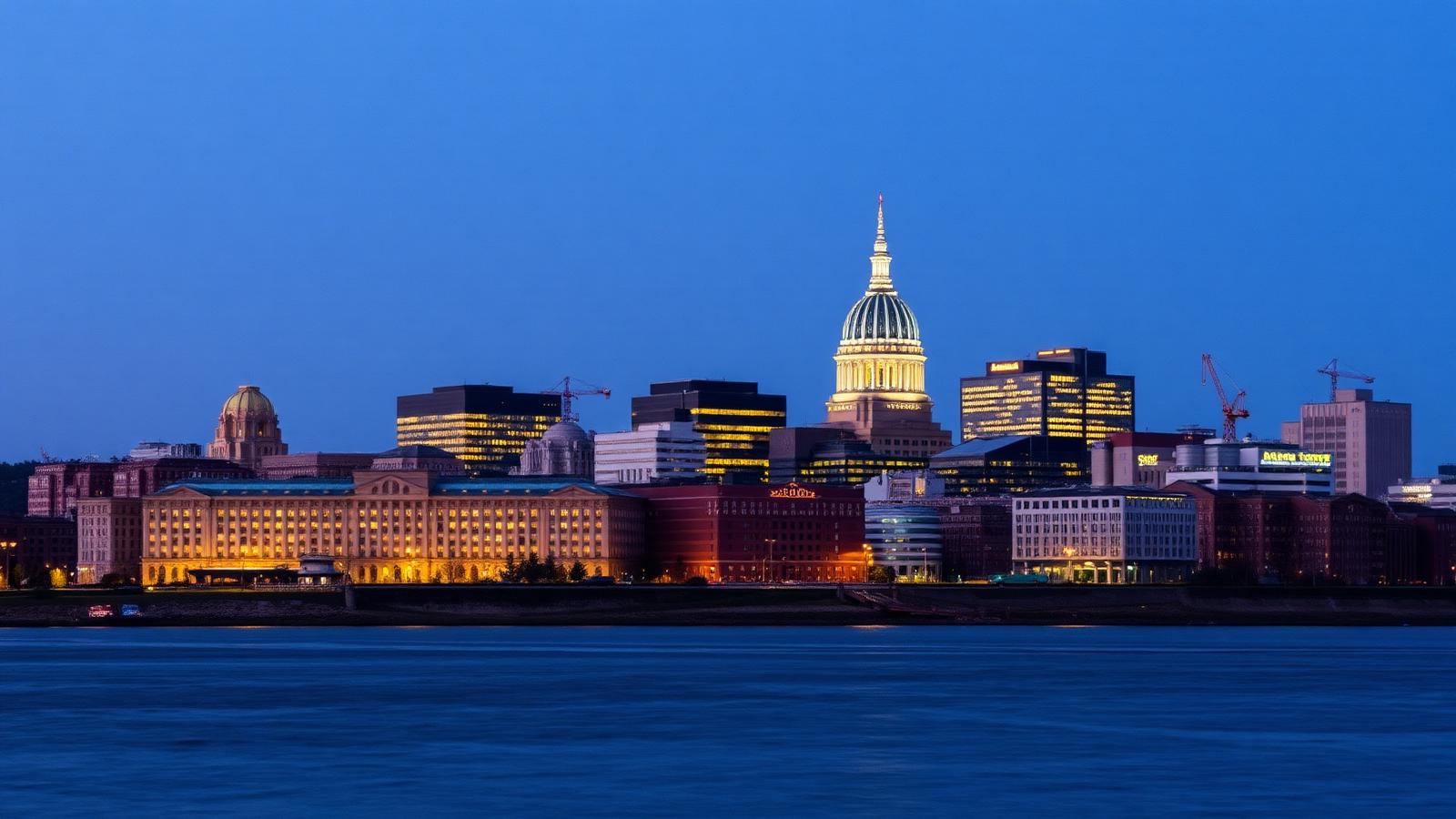
The Capital Region is polycentric in a way few markets are. Albany proper holds the Capitol, Empire State Plaza, the association and legal sector, Albany Med and the neighborhoods around New Scotland Avenue and Delaware Avenue. Across the river, Troy and Rensselaer behave as separate cities with their own loyalties. Schenectady and Niskayuna run west, Colonie and Latham hold the retail spine, Bethlehem and Delmar hold the higher-income southern suburbs, and Clifton Park, Halfmoon and Saratoga Springs absorb the northern growth. A crew's week crosses four counties, and a single flat Albany page never covers it.
Weather sets the demand pattern more bluntly here than in any Sun Belt market. A January cold snap produces no-heat calls, failed boilers, cracked heat exchangers, frozen and burst supply lines and ice dams pulling at gutters and eaves. The spring thaw produces the other wave: freeze-thaw cycles and road salt spall concrete driveways, walkways, steps and stoops every year, so April and May bring resurfacing and replacement inquiries that simply do not exist in a place that never freezes.
What actually makes Albany its own market
Three forces separate Albany from every other market we work in. First, housing age: a large share of the city's homes predate 1940, which means galvanized and cast-iron plumbing, knob-and-tube remnants, hot-water and steam radiator heat, plaster walls and stone foundations. That is a repair-and-retrofit market, not a subdivision market, and the search language reflects it. Second, the season split: heating work and outdoor work occupy opposite halves of the year, so a business that markets the same message in February and July is wrong twice. Third, the buyer mix: state agencies, universities, hospitals and associations create a procurement-minded professional layer that evaluates documentation before it ever picks up a phone.
On top of that sits a competitive advantage most metros do not offer. Albany's search and auction field is thinner than a major market's. The national franchises are present but not dominant, and a local business with a genuinely fast site, a real review cadence and neighborhood-level pages can take the top of the results here in a fraction of the time — and at a fraction of the cost — that the same effort would buy downstate.
SEO: neighborhoods, suburbs and heating language
Albany SEO starts with a Google Business Profile built for a four-county service radius and categories written the way people here actually search — boiler repair and furnace replacement alongside general HVAC, frozen-pipe and repipe work alongside general plumbing, driveway resurfacing alongside general concrete. Then come dedicated pages for Center Square, Pine Hills, Delaware Avenue, New Scotland Avenue, Helderberg and the South End, plus Delmar, Slingerlands, Colonie, Guilderland, Latham, Troy, Rensselaer, East Greenbush, Schenectady, Niskayuna, Clifton Park and Saratoga Springs.
Google advertising: buy the cold snap and the thaw
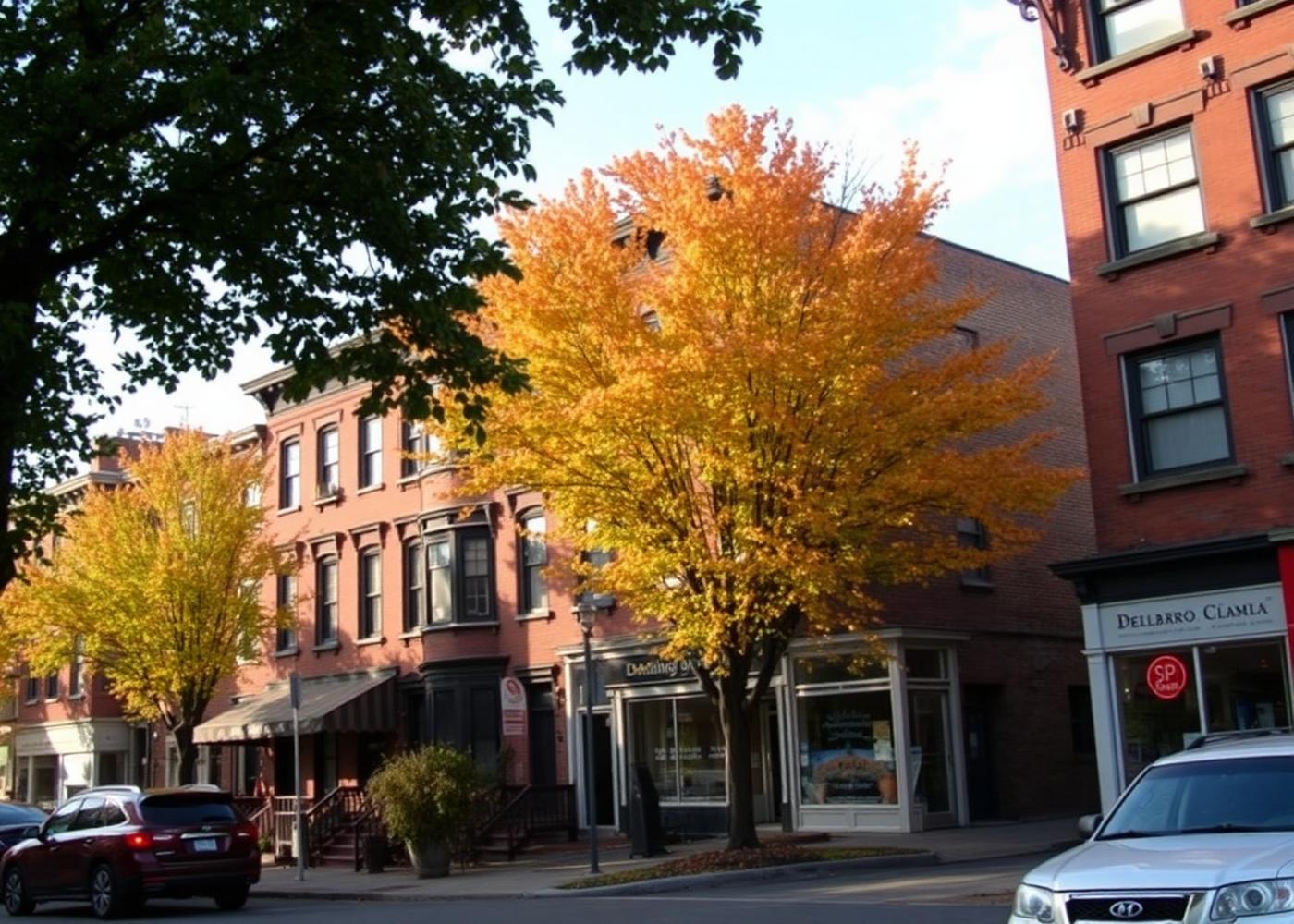
Paid search in Albany performs against events, and the events are seasonal and severe. A furnace that quits at 6°F. A pipe that splits in an uninsulated crawlspace. An ice dam backing water into a plaster ceiling. Then in April, a driveway that came out of winter cracked end to end. Campaigns run heating emergency terms hard from November through March, pivot budget to fencing, concrete, patio and epoxy work from April through November, and split by named city because a Delmar install and a Schenectady service call carry different tickets and different drive times.
Social advertising: the long indoor season is the opportunity
Winter pushes discretionary spend indoors, which is exactly when finished basements, kitchen and bath renovation in century-old homes, epoxy basement and garage floors, and heating-system upgrades sell best on social. It is also when spring outdoor projects get planned — homeowners book April fencing and concrete in February. Real job-site photography from Pine Hills porches, Center Square brownstones and Delmar backyards outperforms generic regional creative, and reaches a professional government-and-university audience no single city name would target.
Web design: judged in a cold driveway, at 6 a.m.
A no-heat call is the hardest conversion moment in this market. Our builds load fast on a phone in the cold, keep click-to-call fixed on screen, state emergency and after-hours availability plainly, show New York State licensing and insurance above the fold, carry financing options for replacement systems, publish real project galleries from pre-1940 homes, and mark up LocalBusiness, Service and FAQ schema naming Albany, Rensselaer, Schenectady and Saratoga counties so answer engines cite the business directly.
How the four channels compound in Albany
SEO holds the everyday repair baseline across a dozen named Capital Region communities. Google advertising catches the trigger moments — the cold snap, the burst line, the spring driveway. Social advertising manufactures the indoor-season remodel work and pre-sells the spring outdoor build calendar. Web design settles whether any of that traffic turns into a scheduled, permitted Capital Region job. One line carries the math: a single $14,000 boiler-and-repipe package a month is $168,000 a year, and a scattered vendor arrangement almost never tracks cleanly enough to say which channel produced it.
The master framework: one system across four counties
Bought separately, every channel is mis-timed for half an Albany year. SEO alone misses the 6°F emergency. Paid alone rents every lead forever and goes quiet when the season turns. Social alone builds renovation appetite with nowhere to send it. A fast site with no traffic converts nothing. Installed together, with one report showing qualified inbound by channel and by city, the four cover an actual Capital Region year — heating season underneath, the compressed outdoor build window on top, and an old-housing renovation baseline that never really stops.

The four services Extentus runs in Albany
- Search Engine Optimization
- The channel you own — map-pack rankings, reviews and service-area pages that keep producing after the work is done.
- Google Advertising
- The channel with a volume dial — paid search and Local Services Ads tuned to the hours demand actually spikes.
- Social Advertising
- The channel that builds the pipeline — demand created in homeowners before they ever search.
- Web Design
- Where the other three cash out — fast, mobile-first pages built to convert visits into booked jobs.
Install all four in Albany
One framework, one accountable record: qualified inbound by channel and by Albany district, cost per qualified inbound, and the exact pages responsible.
Albany marketing questions, answered
Yes, and the difference is structural. In Albany the dominant mechanical emergency is loss of heat, not loss of cooling, so the highest-intent searches cluster around boilers, furnaces, frozen pipes and ice dams in the coldest months. Outdoor trades then compress a full year of fencing, concrete and epoxy work into roughly April through November. A plan built for a year-round warm climate is wrong in both directions.
Because the Capital Region is polycentric. Locals identify with their own city or town rather than with Albany, and each community has its own permit desk, housing stock and price expectations. Delmar and Slingerlands buy differently from Schenectady, and Saratoga Springs is a higher-income seasonal market of its own. So each gets its own page and its own campaign segment, alongside Capital Region variants.
A large share of Albany homes predate 1940, which means steam and hot-water radiator heat, cast-iron and galvanized plumbing, plaster walls, stone foundations and stoops and walks that spall every freeze-thaw spring. Buyers search in retrofit language, not new-construction language, and they want proof a contractor has worked on houses like theirs — so project galleries from pre-1940 homes convert far better than generic finished-product photography.