Reno · The Master Framework
The Reno system: four channels, two seasons, one accountable team.
Reno businesses usually end up with four vendors and one shared problem. The SEO agency claims the January no-heat call. The ads agency claims the same call. The social vendor claims the July patio it seeded in March but cannot prove it. The web developer built the page all of them send traffic to and hears from nobody. Meanwhile the valley's two demand seasons come and go on schedule, and no one can say which spend produced the year.
The short answer
The Master Framework installs SEO, Google Ads, paid social, and web design as one Reno system instead of four separate vendors. It is built for the way the Truckee Meadows actually buys: a November-to-March emergency season of no-heat calls and frozen lines, a March thaw that surfaces freeze-thaw damage, and a compressed May-to-October build season for concrete, fencing, and turf. Every inbound is attributed once by channel, neighborhood, and week across Reno, Sparks, Spanish Springs, and the south valley, so budget follows booked revenue.
Beat 01 · Four vendors, one lead, nobody accountable
Split marketing does not just cost more in Reno — it hides which half of the year is working.
The same homeowner sees a March patio post, searches your name in April, clicks a paid ad in May, and books in June. Four vendors report that as four wins, so the total looks impossible and the truth stays invisible.
In a market with two separate seasons, that fog is expensive. You cannot tell whether the winter emergency budget or the spring booking budget carried the year, so next year's plan is a guess.
Worse, the channels start working against each other: ads bidding on terms already ranked, social creative that does not match any landing page, a site nobody optimized for either.
Beat 02 · One system built around the Reno calendar
The shift is treating search, ads, social, and the site as one installation with one schedule.
Sequence replaces overlap. Heating and freeze-protection content ranks by October. Emergency campaigns ramp ahead of forecast cold fronts. Thaw-repair content publishes in February for the March damage wave. Project social starts in late February so crews fill a season that opens in May.
The site is built alongside all of it — emergency landing pages, project pages matched to social creative, neighborhood pages backing the organic footprint — instead of being handed a mismatch to convert.
One roadmap, one calendar, one team that knows both halves of the Reno year are on it.
Beat 03 · One ledger across the Truckee Meadows
The mechanism is single-source attribution by channel, neighborhood, and week.
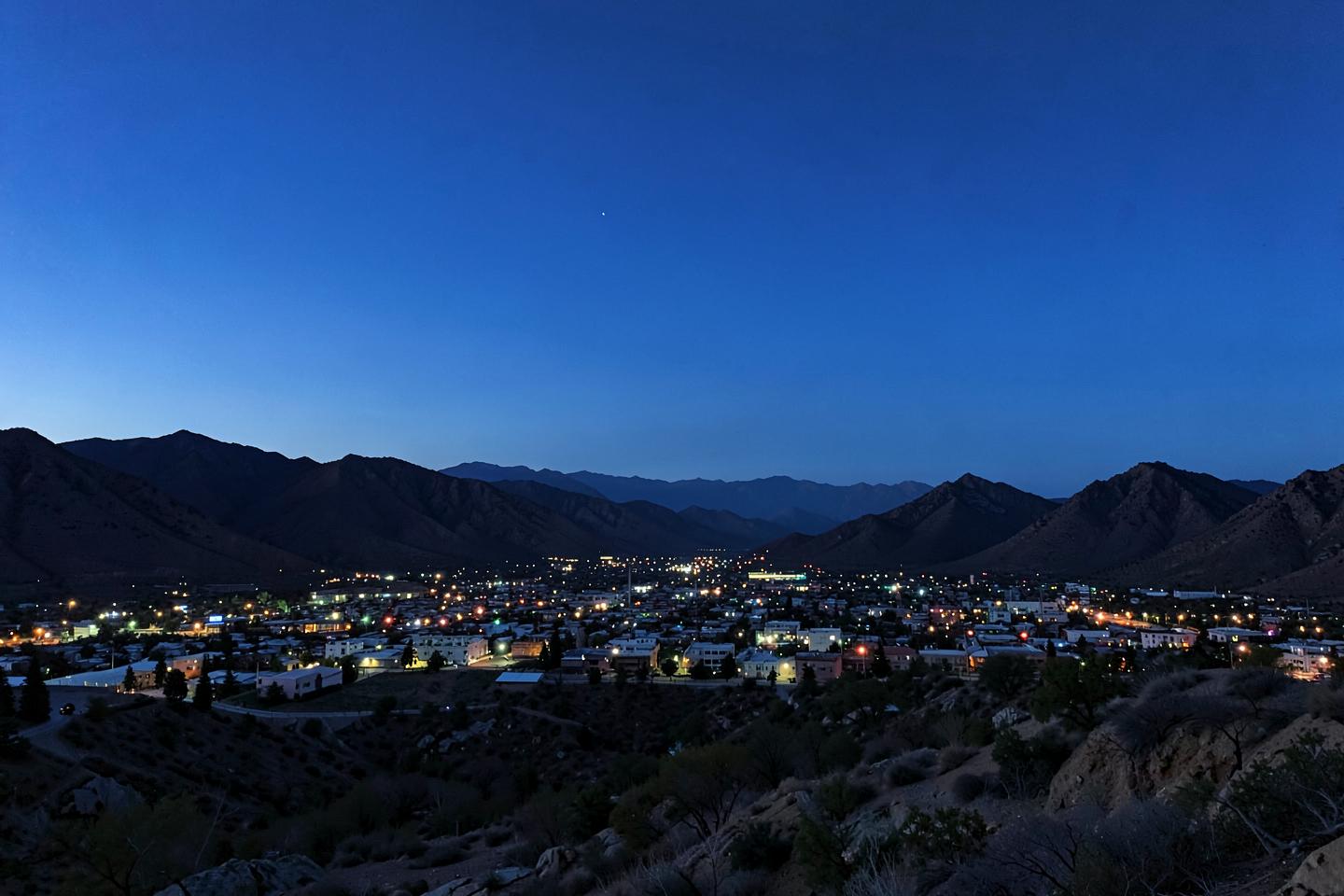
Every call is tracked and recorded, every form tagged, every inbound scored as booked or not. Then it is sorted by channel, by neighborhood — Sparks, Spanish Springs, Northwest Reno, Damonte Ranch, Somersett, Caughlin Ranch, Sun Valley — and by week.
Because Washoe County is one metro with clear seams, that data gets unusually clean. You can see that west-side benches produced replacement work while the south valley produced flatwork, and fund accordingly.
Budget then moves on evidence: more into the cold-snap hours that book jobs, more into the February and March booking ramp, less into mild shoulder weeks nobody is searching.
Beat 04 · Two seasons, one plan
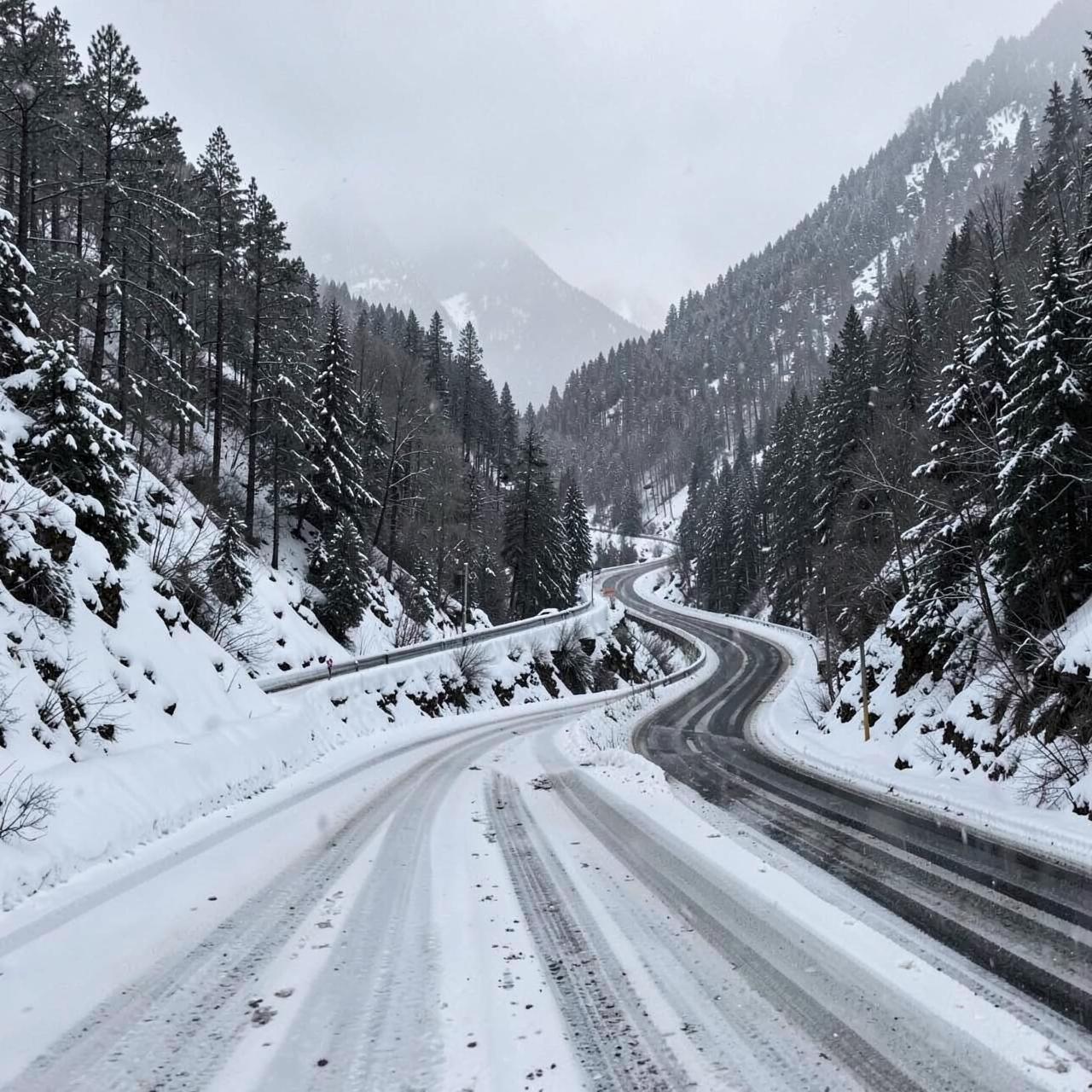
Reno gives a business two demand peaks six months apart and about six months to build in.
That is the number that makes integration non-optional. A single-channel operator can cover one peak. Covering both, plus the thaw between them, takes search, paid, social, and a converting site running on the same schedule.
It is also why borrowed playbooks fail here. A Las Vegas plan has no winter peak. A coastal California plan has no freeze-thaw wave and no closing build window.
The Reno plan is written for both halves, with spend deliberately unequal across the year rather than spread flat.
Beat 05 · Compounding versus splitting the same lead
The contrast is four channels reinforcing each other or four invoices dividing one result.
Integrated, they compound. Organic depth lowers paid click costs in the January emergency window. Paid social builds brand recall that raises click-through on both organic and paid results. The site converts every source and feeds retargeting audiences back into social.
Split, they cannibalize. Ads pay for clicks organic already earned, social drives traffic to pages built for other messages, and nobody owns the gap where the handoff leaks.
The difference shows up as cost per booked job, and in a market with a short season, that number decides how much of the year you actually capture.
Where we run master framework in Reno
The Master Framework for service businesses across Reno and Washoe County, plus the satellite towns crews already drive to. Every district below is targeted by name in campaigns, pages and profile service areas — not folded into a single city radius.
- Reno districts
- Downtown Reno · Midtown Reno · Old Southwest Reno · Northwest Reno · Somersett · Caughlin Ranch · Hidden Valley · Damonte Ranch · South Meadows · Double Diamond · Donner Springs · Northeast Reno · Sun Valley · Lemmon Valley · Cold Springs · Stead · Verdi · Mogul · University of Nevada Reno area · Truckee River corridor · Virginia Foothills · Galena · Arrowcreek · Mount Rose corridor
- Beyond the county line
- Sparks · Spanish Springs · Wingfield Springs · Sun Valley · Lemmon Valley · Cold Springs · Verdi · Washoe Valley · Pleasant Valley · New Washoe City · Incline Village · Carson City · Dayton · Fernley · Silver Springs · Minden · Gardnerville · Genoa · Truckee · Crystal Bay · Washoe County · Storey County · Truckee Meadows · Reno-Sparks metro · Northern Nevada · Sierra Nevada foothills · Lake Tahoe area
- ZIP codes covered
- 89501 · 89502 · 89503 · 89506 · 89507 · 89508 · 89509 · 89510 · 89511 · 89512 · 89519 · 89521 · 89523 · 89533 · 89439 · 89704 · 89801 · 89431 · 89432 · 89433 · 89434 · 89436 · 89441 · 89442 · 89701 · 89703 · 89705 · 89706 · 89408 · 89429 · 89403 · 89410 · 89423 · 89448 · 89451 · 89452 · 89413 · 89402
Beat 06 · Category ownership in one valley
In a metro this size, an integrated system can own a category — and then keep it.
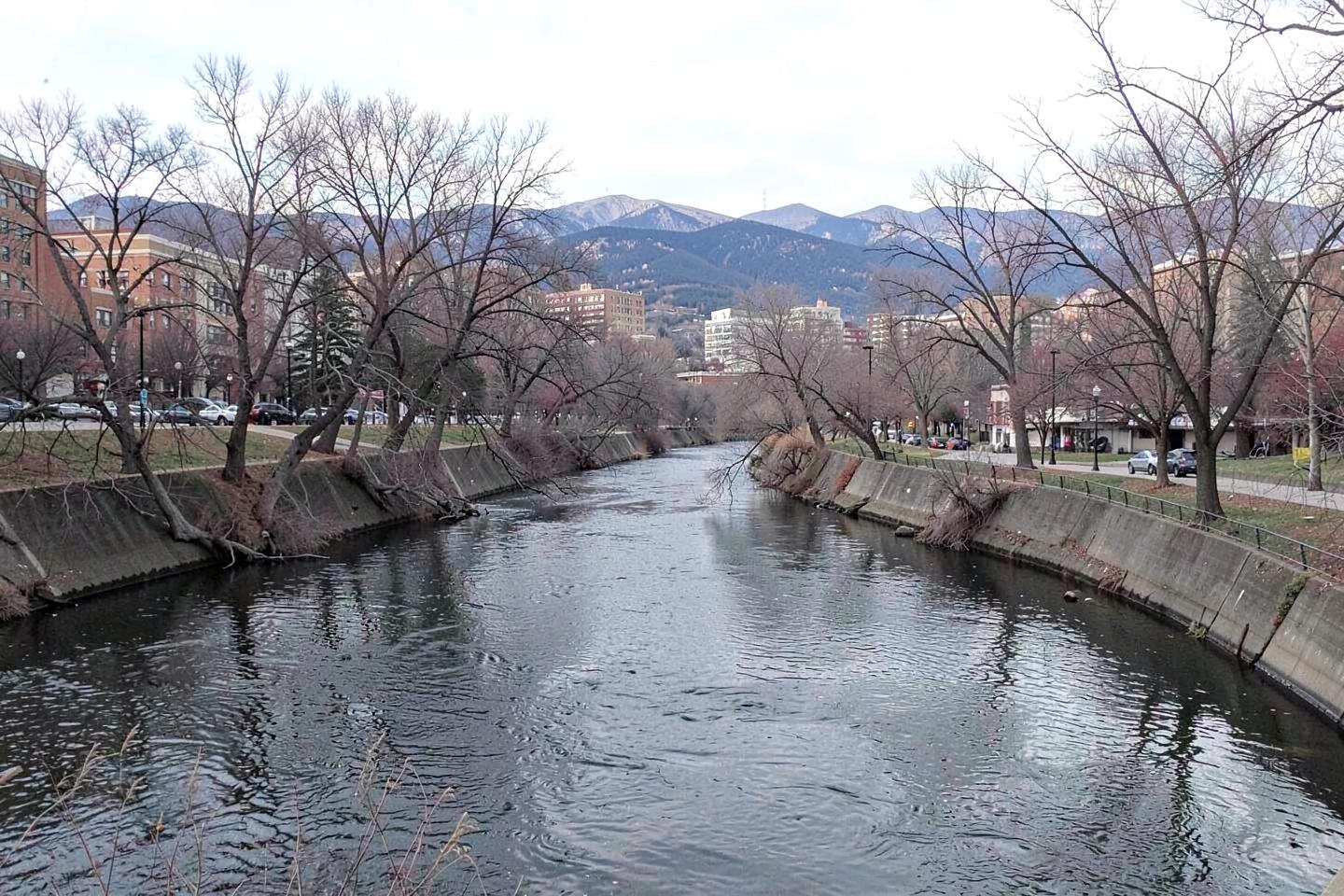
Reno is big enough to matter and contained enough to dominate. Nearly all demand sits inside the Truckee Meadows, difficulty scores sit in the teens and twenties, and most competitors run one citywide page and a flat monthly ad budget.
A business that owns the map pack, holds the emergency hours in both peak seasons, fills the build season before crews commit, and converts on a fast local site is not competing on price anymore.
That position also defends itself. Once it is installed and attributed, defending it costs a fraction of what a latecomer would spend to take it — which is the entire point of building it as one system.
Master Framework in Reno — questions, answered
Because Reno's year has two demand peaks six months apart, and a single channel can only cover part of one. Search carries steady demand and lowers paid costs; Google Ads captures the winter no-heat and summer replacement hours; paid social fills a build season that closes in October; the site converts all of it. Installed together they compound, and every inbound is attributed once instead of being claimed by four vendors reporting the same lead.
By booked revenue, not clicks. Every call is tracked and recorded, every form tagged, and every inbound scored as booked or not, then sorted by channel, neighborhood, and week across Reno, Sparks, Spanish Springs, Northwest Reno, Damonte Ranch, and the rest of Washoe County. Because the metro is one valley with clear seams, that data is unusually clean — it shows which neighborhoods and which season actually produced work, so budget follows evidence.
The site and paid campaigns go live first, so emergency and project demand is being captured within weeks. Organic depth builds over three to five months, which is faster than a large metro because Reno's competitive difficulty is lower. Timing is deliberate: heating content ranking by October, freeze-thaw repair content published in February, project social live from late February so crews are booked before the May-to-October build season opens.
The four Reno pages, individually
Each discipline's own Reno page — its own local search data, its own market detail, its own URL.
- SEO
Search Engine Optimization in Reno
Reno rewards specificity. A Google Business Profile built around how the Truckee Meadows actually buys — no-heat calls in January, frozen lines in vented crawlspaces, a compressed May-to-October build season, full HVAC replacement in the dry months — is what separates a business that owns the map pack from one competing on a single citywide page. By anchoring your presence across Washoe County and out through Sparks, Spanish Springs, Northwest Reno, Damonte Ranch, and Caughlin Ranch, Extentus makes sure your business is the one found the hour the weather creates the next job.
Open page - Google Ads
Google Advertising in Reno
Reno's paid search opportunity lives in two narrow windows: the winter cold snap that produces no-heat calls, split hose bibs, and frozen crawlspace lines, and the summer stretch when a system that limped through last August finally quits. Extentus builds campaigns for both, with call tracking, Local Services Ads where they qualify, and bidding tuned across Sparks, Spanish Springs, Northwest Reno, and the south valley — so the bid is live the hour the weather creates the job, not the week after.
Open page - Social Ads
Social Advertising in Reno
Reno's outdoor build season runs roughly May through October, which means the decisions that fill it get made in February, March, and April. Extentus runs paid social that puts finished local work in front of homeowners in Sparks, Spanish Springs, Damonte Ranch, Somersett, and Caughlin Ranch during the booking window — gravel yards, pine trees, and high-desert hillsides in frame — then retargets the people who lingered, so crews are committed before the first dry week arrives.
Open page - Web Design
Web Design in Reno
Reno's steady in-migration means a large share of buyers here are evaluating local businesses with no referral network at all — and with expectations shaped by bigger California markets. Extentus builds fast, mobile-first Reno sites that load on a weak signal in a snowy driveway, name Sparks, Spanish Springs, Northwest Reno, and Damonte Ranch specifically, show comparable work on comparable houses, and put a tappable number exactly where a thumb already rests.
Open page