Champaign, Illinois
Web Design and SEO in Champaign, Illinois — A University Market With Two Different Buyers
Champaign runs on the University of Illinois. That single fact splits the home-services market in two: owner-occupied neighborhoods on a normal seasonal cycle, and a large rental and multi-unit stock that turns over hard every August.
Five dedicated Champaign pages
Each discipline has its own Champaign page — its own local search data, its own market detail, its own URL.
- SEO
Search Engine Optimization in Champaign
Champaign's trade market belongs to businesses that understand its dual audience. A Google Business Profile built around Champaign's real customer mix — plumbing and HVAC service for both long-term homeowners and high-turnover rental units near campus, plus concrete and fencing work for the established neighborhoods of Southwest Champaign and Garden Hills — is what wins. By anchoring your presence in Campustown, Midtown, Old Town Champaign, and the surrounding towns of Savoy, Urbana, and Mahomet, Extentus ensures your business captures the local demand that out-of-town competitors overlook.
Open page - Google Ads
Google Advertising in Champaign
The channel built for a university-anchored county seat where rental turnover, landlord decision-making, and student-driven density change how demand spikes. Local Services Ads carry the trust signal property managers want, and the bid calendar leans hard into the August semester-turnover surge instead of guessing at seasonality, while radius targeting separates Campustown's rental churn from the owner-occupied stability of Garden Hills, Beardsley Park, and Southwest Champaign.
Open page - Social Ads
Social Advertising in Champaign
The Champaign channel built for a university-driven metro: Facebook and Instagram campaigns localized across Campustown, downtown Champaign, Midtown, Old Town, Garden Hills, and Southwest Champaign, plus Savoy, Urbana, Mahomet, and Rantoul — targeting landlords, property managers, and homeowners with fencing, epoxy, and concrete work ahead of the August turnover.
Open page - Web Design
Web Design in Champaign
Practical, research-ready websites designed for Champaign's university-driven economy. From Campustown and downtown Champaign to Midtown, Old Town, Garden Hills, Beardsley Park, and Clark Park, we build sites that speak to both landlords managing student rentals and homeowners settling into Southwest Champaign. Serving Champaign and the surrounding Champaign County communities including Urbana, Savoy, Mahomet, Rantoul, St. Joseph, Tolono, and Monticello with web design that converts a research-heavy, mobile-first audience.
Open page - All four — recommended
The Master Framework in Champaign
All four channels, installed together for a Champaign County economy built around the University of Illinois Urbana-Champaign, a large student and rental base, and a steady mix of landlords, property managers, and homeowners across Champaign, Urbana, and Savoy. One system across SEO, Google advertising, social advertising, and web design, tuned to the August semester turnover, the prairie's freeze-thaw winters, and severe summer storms, with one accountable number instead of four separate vendors.
Open page
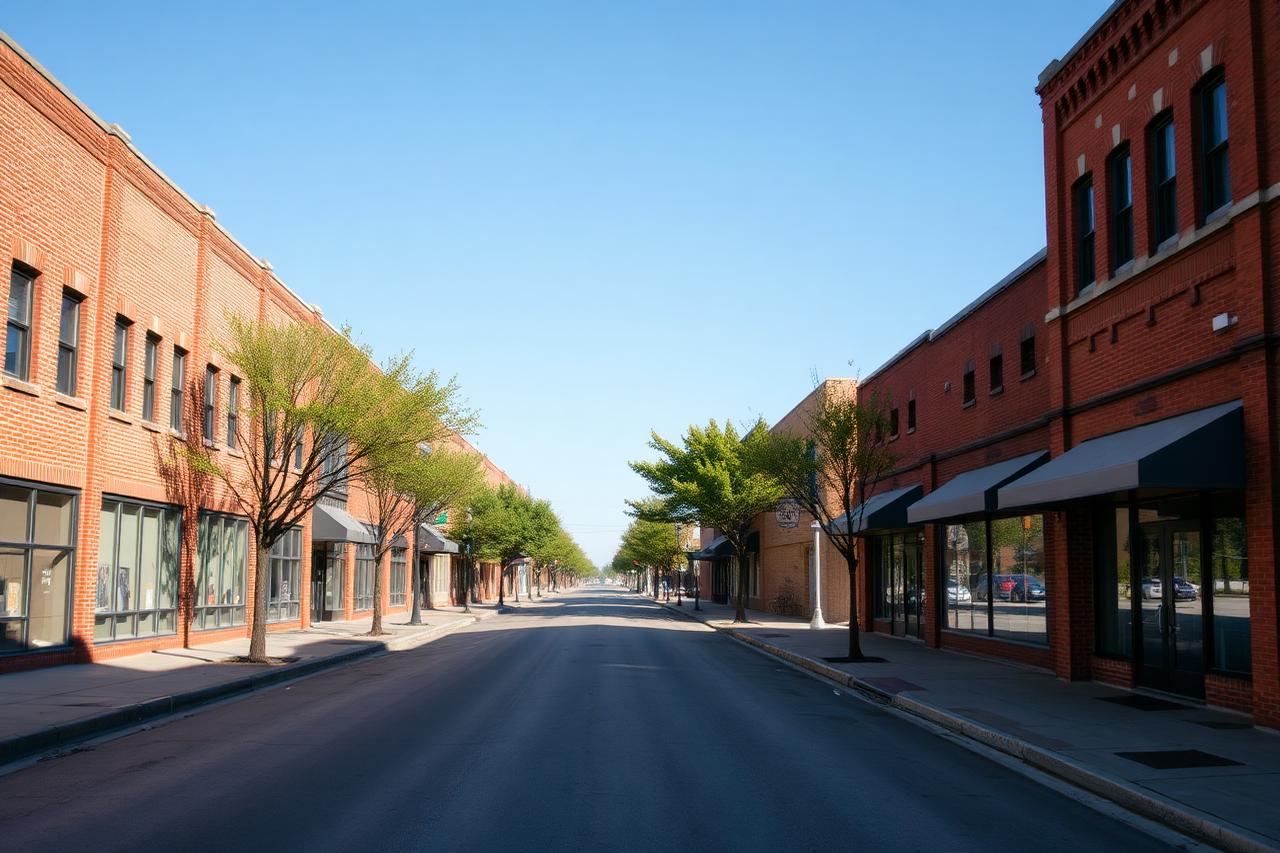
Champaign sits on flat central-Illinois prairie at the junction of I-57, I-72 and I-74, roughly equidistant from Chicago, St. Louis and Indianapolis. It shares a continuous metro with Urbana and Savoy, and its economy is anchored by the University of Illinois Urbana-Champaign and the Carle health system rather than manufacturing, freight or state government. That produces a younger-than-average population, an unusually high share of renter-occupied housing, and an employment base that stays steady through cycles that hit downstate factory towns much harder.
Extentus installs search, Google advertising, paid social and web design as one system rather than four separate contracts. In Champaign that matters because the same trade is selling to two audiences at once: a homeowner in Southwest Champaign choosing a contractor for a fence or a furnace, and a property manager who needs eight units turned in the three weeks before classes start.
What makes the Champaign market distinct
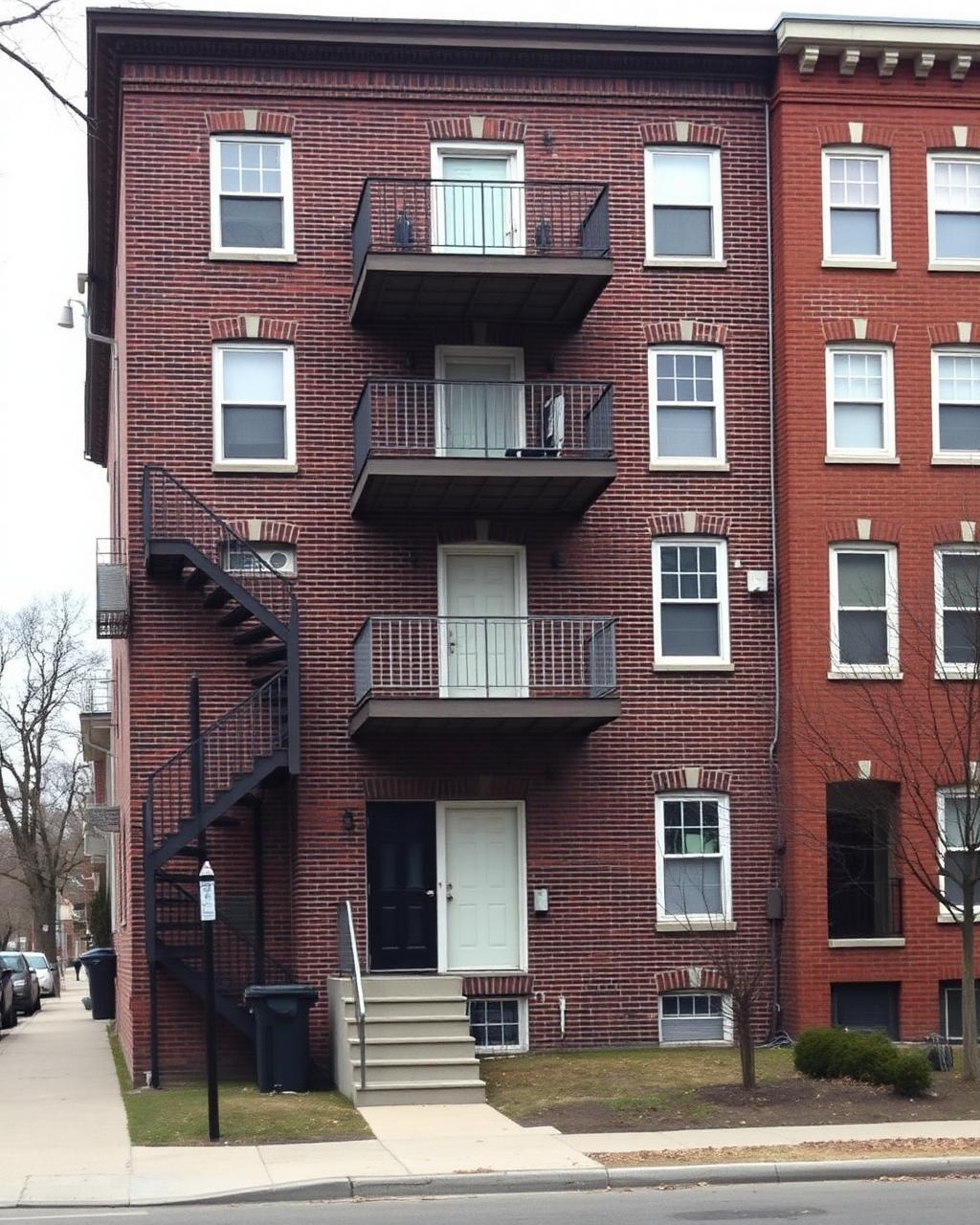
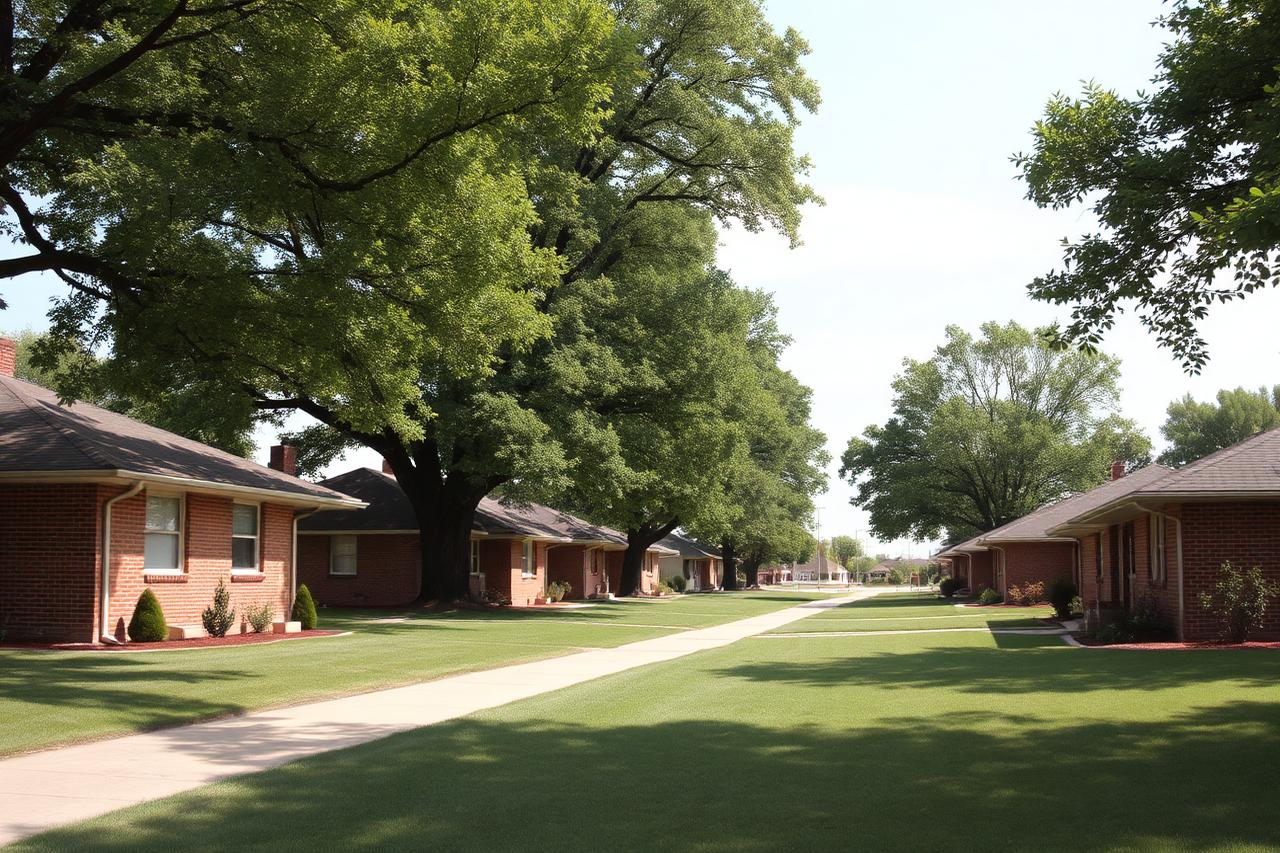
Three things separate Champaign from the rest of Illinois. First, the calendar: the academic year, not just the weather, sets demand. Leases turn over in late July and August, which compresses an enormous volume of make-ready plumbing, HVAC, flooring and repair work into a few weeks, then goes quiet. Second, the buyer: alongside homeowners there is a real professional segment — landlords, property managers and small investors who compare contractors on responsiveness and per-unit pricing rather than on curb appeal. Third, the setting: flat prairie with hard freeze-thaw winters and severe summer storm lines, a short build season for concrete and fencing, and an established housing stock that ranges from century-old porch houses near campus to mid-century brick ranches out west.
Search: almost no competitive resistance
Champaign's local service terms carry modest volume at very low difficulty, and the agencies that rank here mostly compete for university-adjacent creative work rather than trade lead generation. Depth wins: Campustown, downtown Champaign, Midtown, Old Town, Garden Hills, Beardsley Park, Clark Park, Southwest Champaign, Savoy and Urbana each behave differently, and a landlord searching for a make-ready plumber does not search the way a homeowner does.
Google advertising: buy the two spikes
Clicks here cost a fraction of the Chicago collar counties, which lets a modest budget own emergency intent outright. The discipline is timing: no-heat and frozen-line searches through a prairie winter, cooling failures and storm damage through humid July, and the August turnover crunch when a property manager needs somebody today and will pay for speed.
Social advertising: the projects nobody searches for
Nobody searches for a patio in February. Paid social is where a Southwest Champaign homeowner sees a financed fence, patio or epoxy garage floor before the short Midwest build season fills, where an investor sees unit-turn packages ahead of the summer rush, and where every visitor from search and ads gets retargeted through a decision that takes weeks.
Web design: two audiences, one site
Champaign's buyers research. A grad student's landlord, a first-time owner near Clark Park and a property manager with a dozen doors all land on the same site and need different proof: straight pricing, real local photos, per-unit and volume capability, and a tap-to-call button that works on a phone in a hallway. A vague, slow site loses both audiences at once.
How the four channels compound in Champaign
Organic depth across Campustown, Midtown, Garden Hills, Southwest Champaign, Savoy and Urbana lowers the cost of every paid click. Paid search buys the January no-heat and August turnover calls while that depth builds. Paid social manufactures the summer concrete, fencing and epoxy demand search never sees. One team, one ledger, one accountable party.
The Champaign attribution advantage
With demand this seasonal and this bimodal, misreading a channel is expensive: the campaign that looks weak in June is often the one that fills August. Every inbound is sorted by channel, neighborhood and page, so budget shifts from winter mechanical work to spring concrete to the semester-turn crunch on evidence rather than instinct.
The four services Extentus runs in Champaign
- Search Engine Optimization
- The channel you own — map-pack rankings, reviews and service-area pages that keep producing after the work is done.
- Google Advertising
- The channel with a volume dial — paid search and Local Services Ads tuned to the hours demand actually spikes.
- Social Advertising
- The channel that builds the pipeline — demand created in homeowners before they ever search.
- Web Design
- Where the other three cash out — fast, mobile-first pages built to convert visits into booked jobs.
Install all four in Champaign
One framework, one accountable record: qualified inbound by channel and by Champaign district, cost per qualified inbound, and the exact pages responsible.
Champaign marketing questions, answered
Because the University of Illinois sets the calendar and the customer mix. Champaign has an unusually high share of renter-occupied housing, so trades serve landlords and property managers alongside homeowners, and a large block of make-ready plumbing, HVAC and repair work compresses into the weeks before fall semester. Springfield's state-government cycle, Peoria's manufacturing base and Chicago's density produce nothing like that pattern.
Yes. They buy on response time, per-unit pricing and capacity to turn several units at once, not on premium presentation. That means separate landing pages, separate ad groups and separate proof from the homeowner side of the business — and call coverage during the July and August turnover window when a vacancy costs money every day.
Flat central-Illinois terrain with hard freeze-thaw winters and severe summer storm lines gives Champaign a short outdoor build season and a predictable mechanical season. Concrete, fencing and patio work concentrate into spring and early fall, heating work spikes with the first hard freeze, and cooling plus storm-driven repair work spikes in July — so campaign budgets have to move with that calendar, not sit flat.