Valdosta, Georgia
Valdosta, Georgia Marketing for a City With Three Economies: Farm Country, an Air Base and a University
Valdosta sits an easy drive from the Florida line, surrounded by pine timber, row crops and cattle, with an air base north of town, a state university inside it, and a hot, wet climate that pushes tropical weather this far inland several times a decade. Three economies with three different clocks, three different buyer types and three completely different reasons to spend money on a house. Marketing written for Athens, for Augusta, or for a Florida coastal city gets all three wrong.
Five dedicated Valdosta pages
Each discipline has its own Valdosta page — its own local search data, its own market detail, its own URL.
- SEO
Search Engine Optimization in Valdosta
Valdosta is one of the thinnest organic fields in Georgia — most local competitors still run one page and a phone number — so a business that publishes genuinely local pages takes ground in a quarter or two. Extentus builds that footprint on the language this market actually types: sandy soil, well and septic work, brutal humidity, pivot and pump repair, storm damage, live-oak roots and pier foundations, from the Fairview and Sunset Hill core out to Bemiss Road, Hahira, Lake Park, Dasher and Clyattville.
Open page - Google Ads
Google Advertising in Valdosta
Valdosta clicks cost a fraction of Atlanta's, so paid search here rewards precision rather than volume. Extentus concentrates budget into the four windows this market genuinely converts in — the long April-to-October cooling season, the days after a tropical remnant or severe storm line, the summer lease-turn crunch around Valdosta State, and the Moody arrival waves — with tight geography along I-75, Bemiss Road and the county roads, and every call tracked to the campaign that produced it.
Open page - Social Ads
Social Advertising in Valdosta
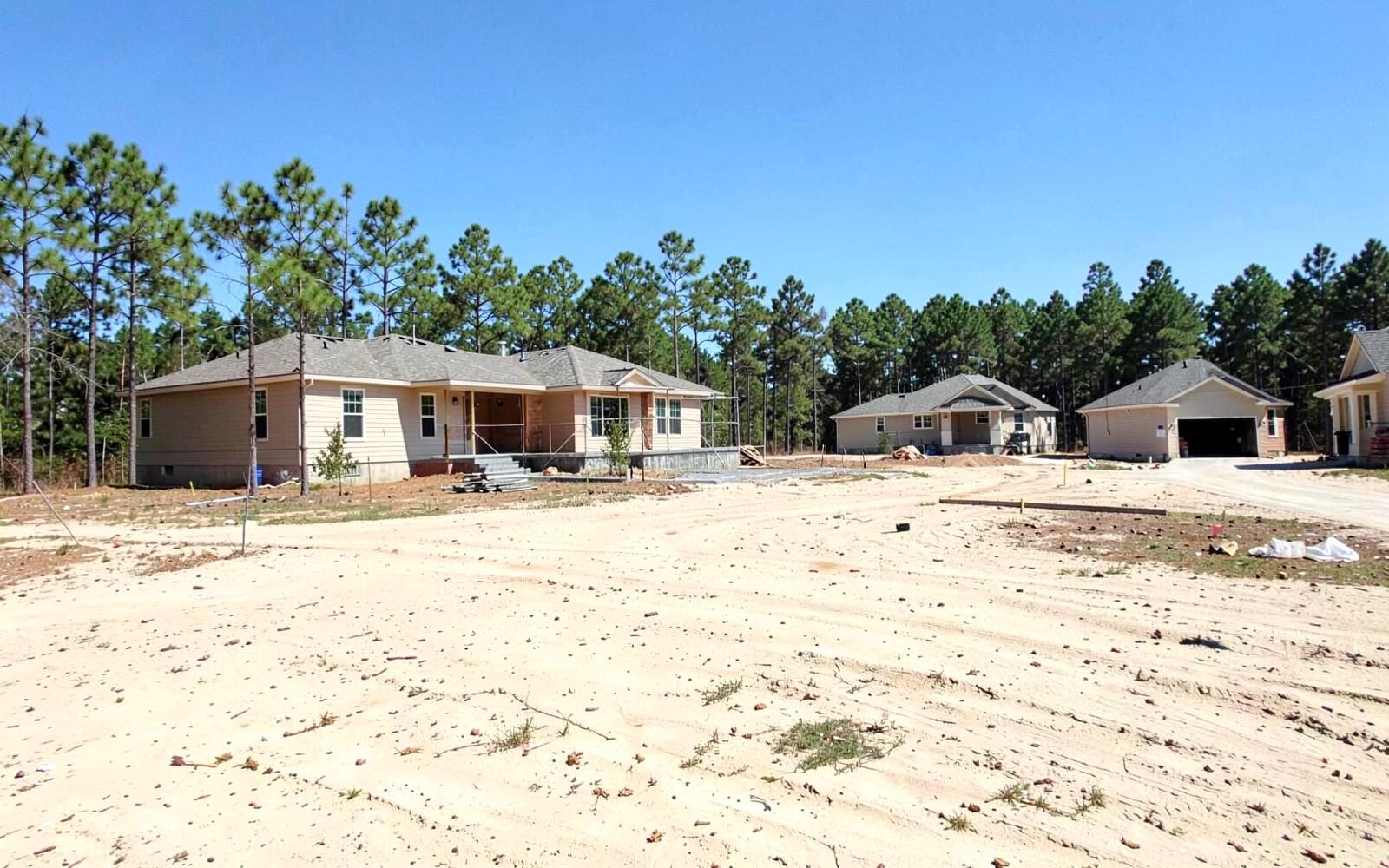
Discretionary outdoor work in Valdosta is not searched for — it is triggered. New builds out toward Hahira, Lake Park, Dasher and Val Del hand over bare sandy lots with no fencing, no patio and no landscaping, and small-acreage buyers inherit the same blank slate. Extentus runs paid social against named roads and subdivisions with real local photography, holding the offer in front of a decision that usually takes six to ten weeks.
Open page - Web Design
Web Design in Valdosta
Most Valdosta sites are built for a desk and a strong connection, and this market has neither. Extentus builds sites that load fast on rural signal, put the phone number and a working form within a thumb's reach, publish real price bands and lead times, name the roads and towns you actually serve, and prove the work with local photography — because in this city the site is often the only sales conversation a newcomer ever has with you.
Open page - All four — recommended
The Master Framework in Valdosta
SEO, Google Ads, paid social and the website are not four purchases in Valdosta — they are one system aimed at three overlapping economies. Organic earns the recurring terms cheaply across Lowndes, Brooks, Lanier and Berrien counties, Google Ads take the July no-cooling call and the storm week, paid social manufactures the outdoor work bare sandy lots create, and the site converts all of it from a phone on weak signal. One team, one map, one calendar, one ledger.
Open page
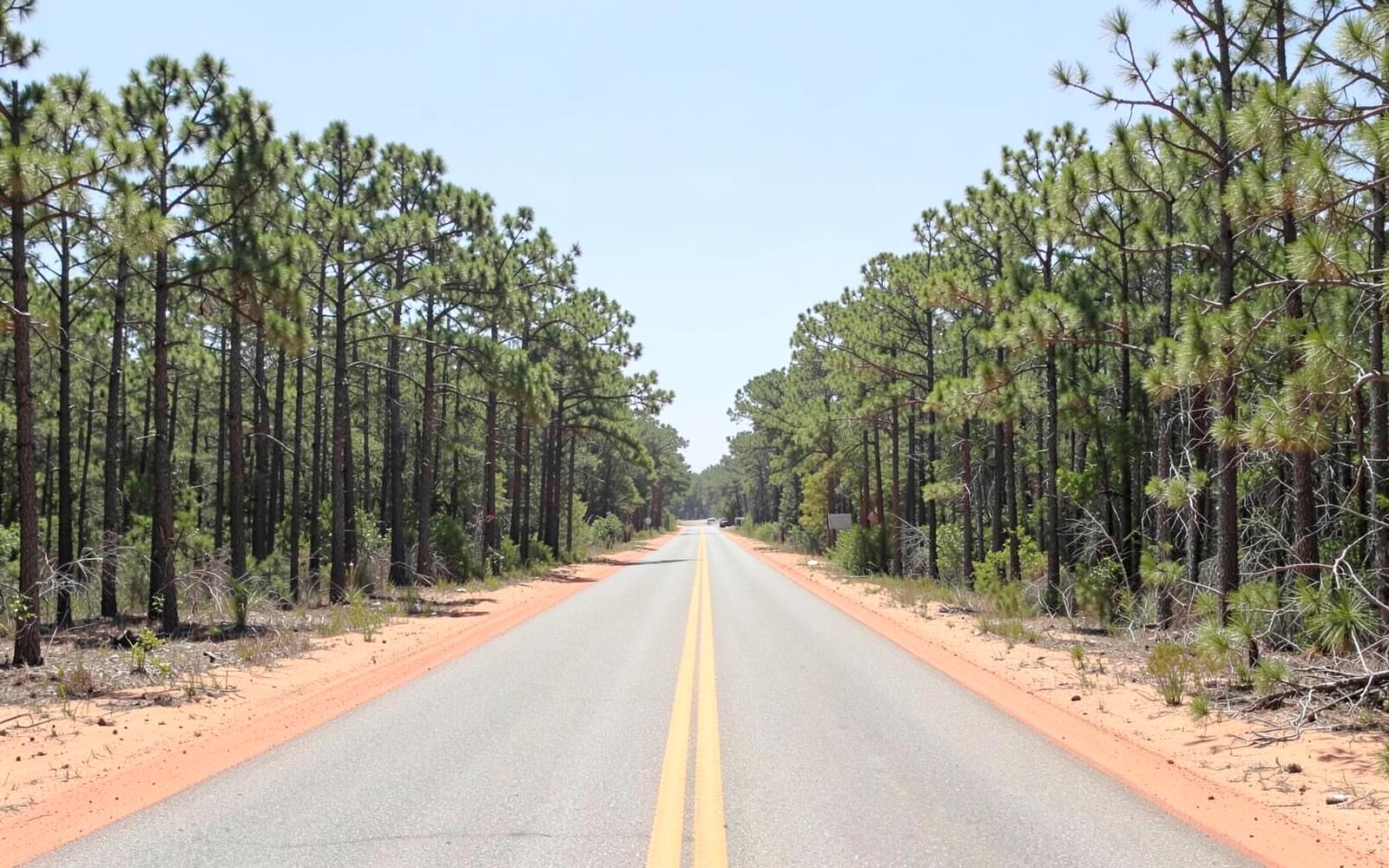
Start with the land, because in Lowndes County the land still writes a large share of the local economy. Planted pine, cotton, peanuts, pecans, tobacco ground and cattle pasture run in every direction from the city limits, and the businesses that serve them — irrigation, welding, trucking, equipment repair, grading, well work, fencing — set the rhythm of the working week. Farm households buy on the farm's calendar, not the calendar an agency in Atlanta assumes: money moves after harvest, work gets scheduled around planting and spraying, and the phone gets answered from a truck cab.
Then Moody Air Force Base, north-east of town off Bemiss Road. Its dimension is real but it is not Augusta's cyber campus and it is not Columbus's infantry post — it is a smaller, more rural installation whose commercial signature is rotation. Families arrive on orders, need a rental or a house immediately, need work done fast because a move date is fixed, and leave again in a few years. That produces a steady flow of first-time local buyers who have no idea who to call, do not have a cousin in the trades here, and will judge you almost entirely on what your pages and reviews say.
What makes the Valdosta market distinct
The third economy is Valdosta State University, and it behaves nothing like the farm or the base. It concentrates a large rental stock in and around Remerton, the streets off Patterson and Baytree, Brookwood and the older blocks near campus, and it turns over on an academic calendar: leases end and begin in tight windows, so make-ready work — paint, flooring, HVAC service, pressure washing, lock and fence repair, turf — clusters into a few frantic weeks in summer. Landlords and property managers buy differently from homeowners. They want price per unit, speed, and someone who answers.
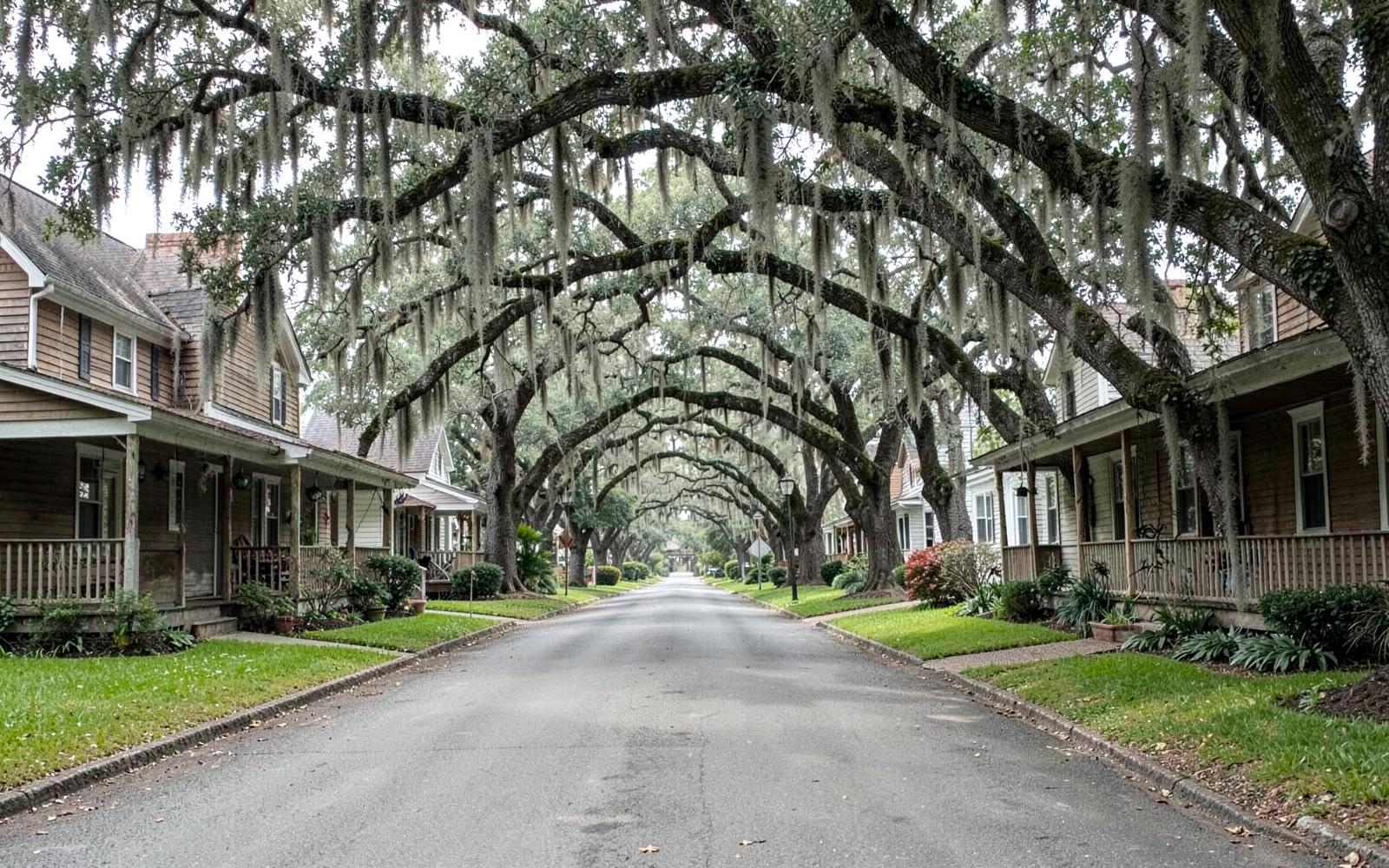
Housing splits along the same lines. The historic core — the Fairview and Sunset Hill districts, the big houses along Patterson and Wells, the streets under those live-oak canopies hung with Spanish moss — is old wood-frame and masonry, pier foundations, wood sash, deep porches, roots in the sidewalks and drainage that predates modern code. The mid-century belt off North Valdosta Road, Gornto, Jerry Jones and Baytree carries brick ranches with tired ductwork and slabs on sandy soil. Out toward Hahira, Lake Park, Dasher, Clyattville, Val Del and the Twin Lakes area sit newer builds and small acreage with wells, septic systems, long drives and no fencing.
Search: the cheapest organic field in the state, taken area by area
Almost nobody in this market is doing local search properly. Six areas usually cover the honest opportunity — the historic core and midtown, the campus and Remerton rental belt, north Valdosta along Bemiss and North Valdosta Road, the base-adjacent stretch toward Moody, the south corridor through Dasher and Lake Park to the state line, and the county ring through Hahira, Clyattville, Naylor and out toward Adel and Quitman. Real pages hold those terms for years here.
Google advertising: cheap clicks, sharply seasonal demand
Clicks in south Georgia are inexpensive, so paid search turns profitable fast — and a lazy account bleeds slowly enough that nobody notices. Four windows carry most of the return: the long brutal cooling season from April into October, the days after a tropical system or a severe line of storms comes through, the mid-summer lease-turn crunch around the university, and the arrival waves when base families report in.
Social advertising: nobody searches for a first fence on five acres
A family that just moved onto a half-acre lot off Val Del Road does not search for fencing, a covered patio or a coated garage floor. They see a neighbour's go in and then start asking. Paid social is how Valdosta's fencing, concrete, patio, metal-roof, tree-work and coating jobs actually get sold: named subdivisions and named roads, real local photography, in front of a decision that runs six to ten weeks.
Web design: the site has to work from a truck cab and a phone at 9pm
A farmer with a pump down, a staff sergeant with a report date in eleven days, a property manager with nine units to turn before August — none of them are sitting at a desk. They want a price band, an honest lead time, proof of similar work nearby, and a form or booking link that actually submits on a weak rural signal. Most Valdosta sites offer none of that.
How the four channels compound in Valdosta
Organic depth across Lowndes, Berrien, Brooks and Lanier counties earns the recurring terms for almost nothing and gives paid budget back. Google ads take the July no-cooling call, the week after a storm and the base family with a deadline. Paid social manufactures the discretionary outdoor work that new lots and small acreage create but nobody searches for. The site converts all of it, including buyers who will never call during business hours. One team, one map, one calendar, one ledger.
The Valdosta attribution advantage
With demand arriving from farm, base and campus on three different calendars, guessing is expensive. Every inbound gets sorted by channel, area and page, so budget moves out of the corridor quietly wasting money and into the weeks that pay — and the question of how far out into the county you will drive gets answered once, for all four channels, instead of four different ways.
The four services Extentus runs in Valdosta
- Search Engine Optimization
- The channel you own — map-pack rankings, reviews and service-area pages that keep producing after the work is done.
- Google Advertising
- The channel with a volume dial — paid search and Local Services Ads tuned to the hours demand actually spikes.
- Social Advertising
- The channel that builds the pipeline — demand created in homeowners before they ever search.
- Web Design
- Where the other three cash out — fast, mobile-first pages built to convert visits into booked jobs.
Install all four in Valdosta
One framework, one accountable record: qualified inbound by channel and by Valdosta district, cost per qualified inbound, and the exact pages responsible.
Valdosta marketing questions, answered
Valdosta has three economies at once and none of them dominates. Farm and timber money moves on a harvest calendar, Moody Air Force Base sends a steady rotation of families who arrive with fixed report dates and no local contacts, and Valdosta State concentrates rental turnover into a few weeks each summer. Athens is a university town first; Augusta's military presence is a large cyber and medical complex. Valdosta is smaller, more rural, and hotter and wetter, with tropical systems reaching this far inland. Search competition here is thinner than almost anywhere else in Georgia, so honest local pages produce results in a quarter or two.
Yes, and most local businesses ignore it. Rotation means a continuous flow of households who need a rental or a house immediately, need work finished before a fixed move date, and have no idea who to call. They rely almost entirely on what they can read: clear price bands, honest lead times, recent reviews, and a page that says plainly whether you serve the Bemiss Road corridor and the north side. A business set up to answer quickly and quote clearly wins that demand repeatedly, because it renews every rotation.
Unevenly, and on purpose. Push hardest into the cooling season from April through October, the days immediately after a tropical system or severe storm line, the summer lease-turn weeks around the university, and the base arrival waves. Hold budget back through the quiet stretch of winter and use that time to publish pages and gather reviews, so the organic footprint is already mature when the first hot spell and the first storm arrive.