Savannah, Georgia
Savannah Marketing for a Coastal Port City With Two Housing Stories
Salt in the air, ships in the river, moss on the oaks, and a storm season that rewrites a whole quarter's schedule in a weekend. Marketing that treats Savannah like an inland Georgia city misses both halves of the market — the 1870s house under a preservation review and the 2024 house on a sandy lot in Pooler.
Five dedicated Savannah pages
Each discipline has its own Savannah page — its own local search data, its own market detail, its own URL.
- SEO
Search Engine Optimization in Savannah
Savannah's organic field is far less contested than inland Georgia's, so a business that publishes genuinely local pages can take ground in months. Extentus builds that footprint on the vocabulary this coast actually types — salt corrosion, sandy sub-base, humidity, tidal and storm flooding, historic-home constraints — area by area from the landmark district out to Pooler, Rincon, Richmond Hill and the islands.
Open page - Google Ads
Google Advertising in Savannah
Paid search in Savannah rewards timing and geography more than budget size. Extentus separates the historic core from the western growth corridor, Bryan County and the islands, schedules for rotating port and hospitality shifts, and keeps a genuine reserve for the storm weeks that outproduce entire months.
Open page - Social Ads
Social Advertising in Savannah
Savannah keeps gaining households — port and logistics hiring, military-connected moves, hospitality staff, retirees choosing the coast. Social advertising reaches them in their first months and speaks separately to new-construction owners in Pooler and Richmond Hill, historic-core renovators, and island second-home owners preparing for the season.
Open page - Web Design
Web Design in Savannah
We build Savannah websites as conversion infrastructure rather than brochures: fast on weak coastal signal, structured for crawlers and answer engines, with published bands, real coastal Georgia job photography, and explicit coverage across Chatham, Effingham and Bryan counties.
Open page - All four — recommended
The Master Framework in Savannah
The localized bundle argument for Savannah: how web design, SEO, Google Ads and social advertising compound in a coastal port market with two housing stories, salt and sand conditions, a tourism calendar and storm weeks worth more than the months around them — measured as one number rather than four.
Open page
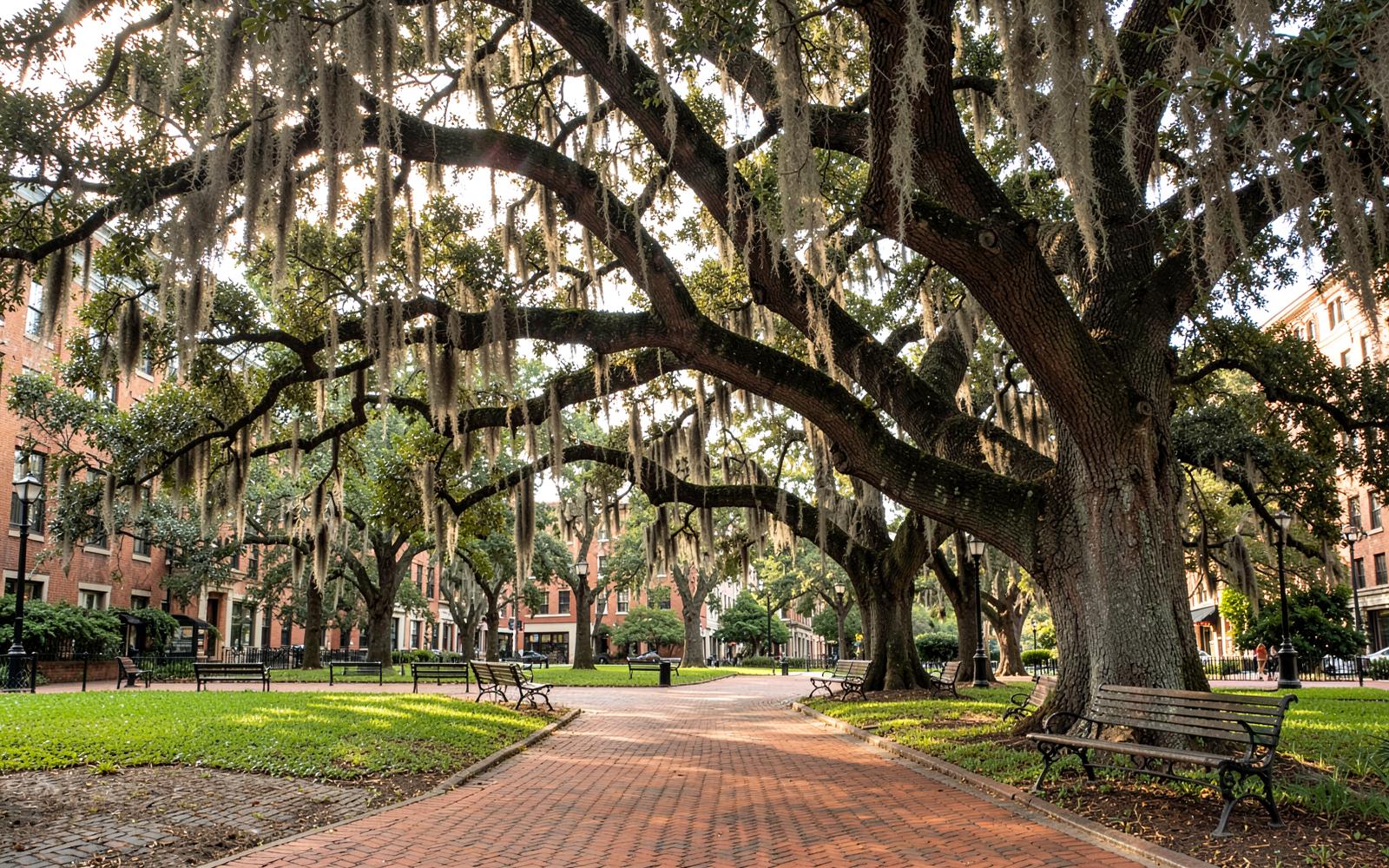
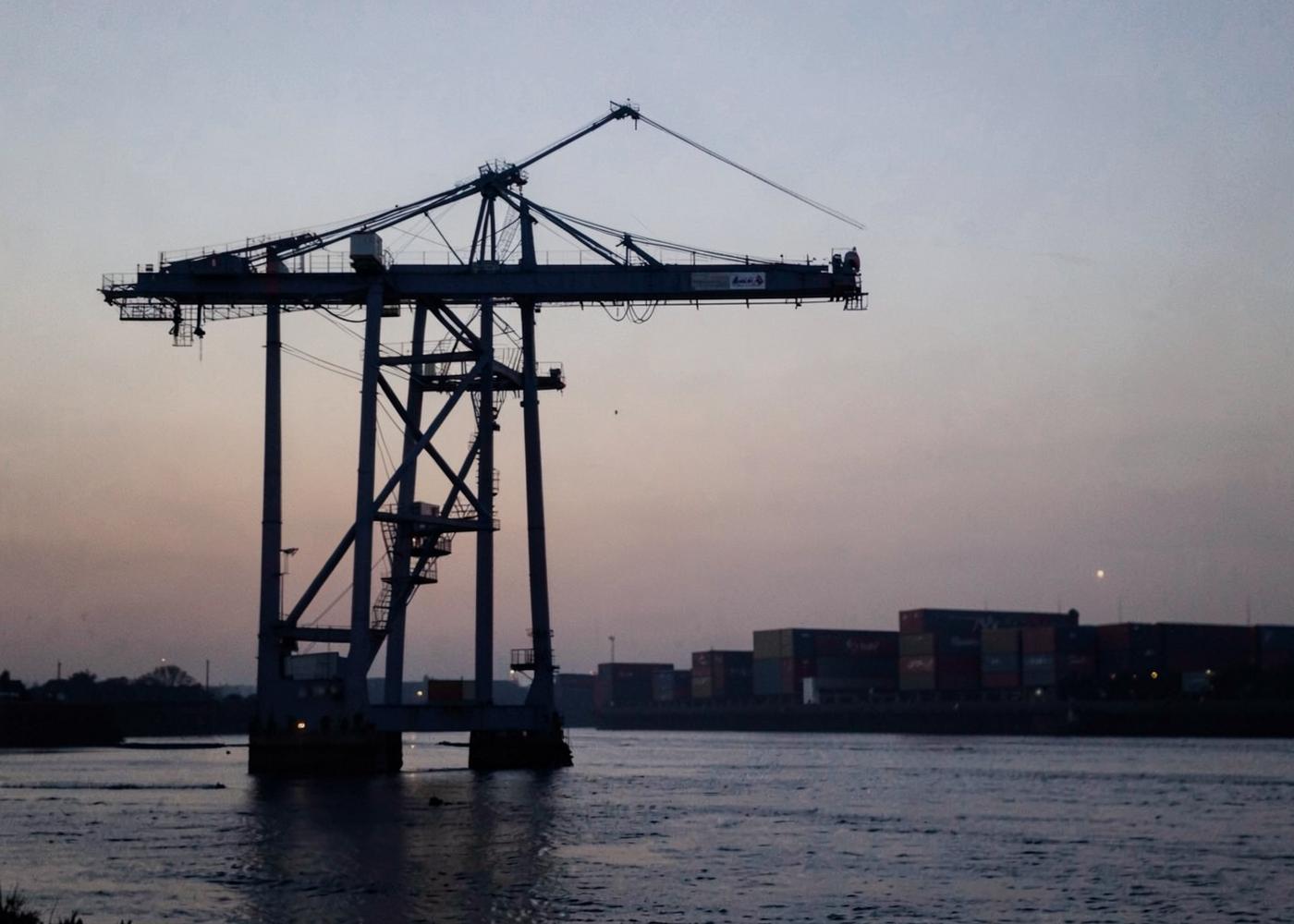
Savannah sits on the Georgia coast where the river meets the Atlantic, and three forces set the whole market. The first is the port: the container terminals upriver rank among the busiest in the United States, and the freight, warehousing, trucking and rail work around them employ households on rotating shifts across Chatham, Effingham and Bryan counties. The second is tourism and historic preservation — a nationally known historic district that draws millions of visitors a year and keeps a large hospitality workforce in motion. The third is weather: this is a hurricane-exposed coast, and every homeowner here has a storm story.
Those forces produce a home-services market with a shape you will not find inland. Salt air corrodes condenser coils, fasteners, gate hardware and metal fencing years earlier than it does in the Piedmont. Sandy soil over a high water table changes how concrete is poured, how footings behave, how drains are set and how a trench is shored. Tidal flooding and heavy summer downpours push water where nobody planned for it. And after a named storm passes, fencing, roofing, concrete, tree work and epoxy or garage repair demand arrives all at once, from thousands of addresses, in one week.
What makes the Savannah market distinct
Start with the historic core. Inside the landmark district and the Victorian District, Ardsley Park, the Starland corridor and Isle of Hope, you have nineteenth and early twentieth century houses: heart pine floors, plaster over lath, brick foundations and crawlspaces, original galvanised or clay drain lines, and exterior work that has to respect what is there. Renovation budgets skew high and buyers ask specialised questions — how a mini-split is run without cutting into original trim, whether a fence style suits the street, how a driveway is repoured next to root systems that are older than the block.
Then the growth ring. West and north of the city, Pooler, Garden City, Port Wentworth, Bloomingdale and Rincon have absorbed years of port-driven and military-adjacent expansion, and south into Bryan County, Richmond Hill has done the same. These are slab-on-grade subdivisions on sandy, cleared pine land: builder-grade HVAC reaching end of life on a predictable clock, back yards with no fence yet, patios and driveways that were never poured, garages waiting for a coating, and drainage the builder left at the minimum.
And the islands and the coast — Wilmington Island, Whitemarsh, Talahi, Skidaway and Tybee Island — where salt exposure is at its worst, second homes and rentals turn over between guests, and the storm calendar dictates everything from when a fence can be replaced to when a crew can even reach the address.
Search: the vocabulary of salt, sand and storms
The organic field here is far less crowded than Atlanta's, which means a business that publishes real pages can take ground quickly. Our SEO services in Savannah claim what this coast actually types — AC and heat pump replacement on a salt-exposed coil, duct and humidity problems in a crawlspace, sewer and drain line repair in sand, yard drainage and standing water after a tidal rain, fence installation and storm fence repair, concrete driveways and patios on sandy sub-base, epoxy garage floors, and historic-home renovation done carefully — then attach each of those to the places people name instead of the city: Pooler, Richmond Hill, Rincon, Wilmington Island, Tybee, Garden City, Port Wentworth, Ardsley Park.
Google advertising: shift work, storm weeks and island drive time
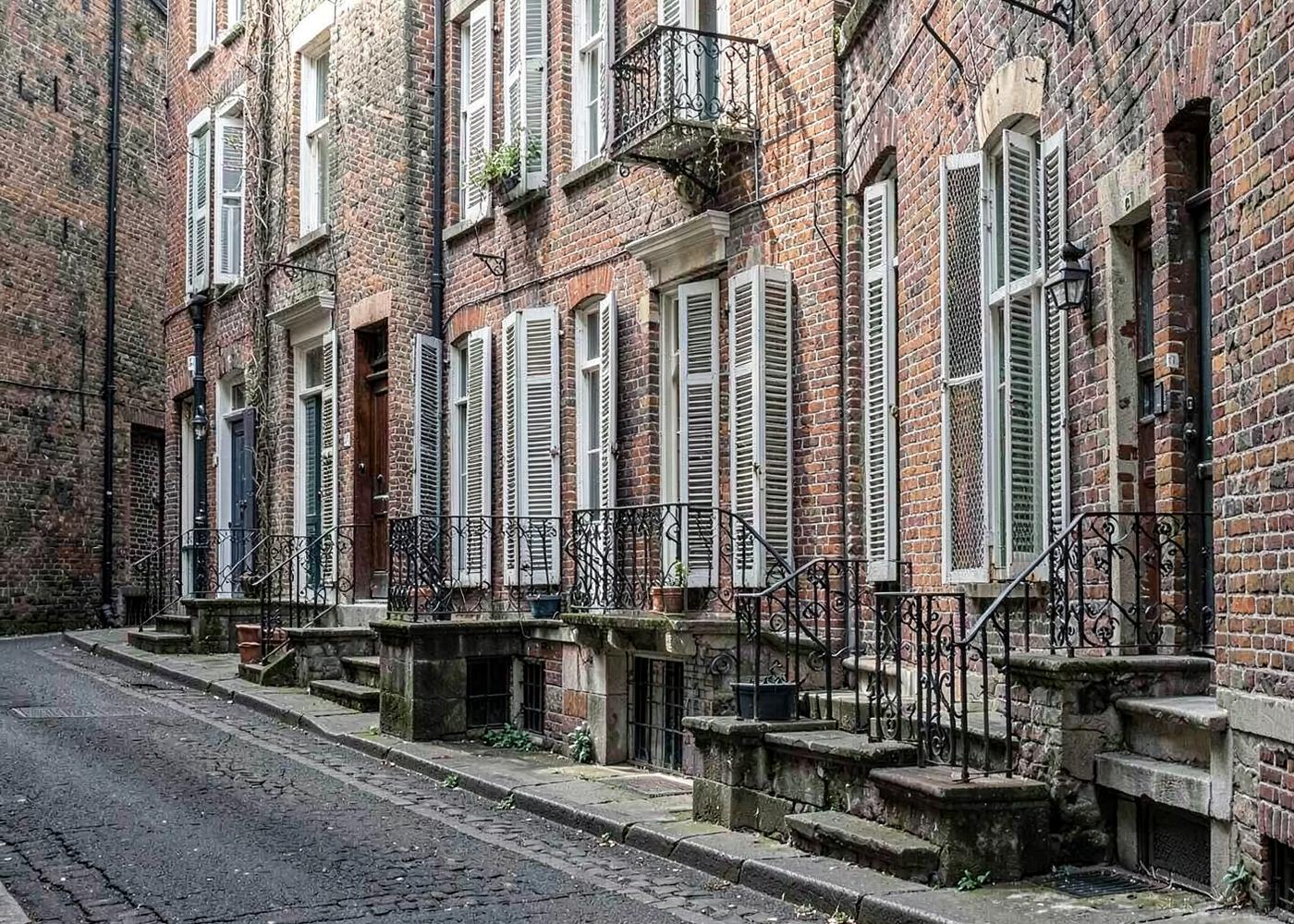
Our PPC management in Savannah is built around two realities. Port and hospitality households work rotating and overnight shifts, so calls come at hours an inland campaign schedule ignores. And storm weeks are not evenly spread — the days after a system moves through are worth more than the previous month combined, so budget has to be held in reserve rather than spent flat. We separate the historic core from the western growth corridor, the southern Bryan County side and the islands, because a bridge crossing at the wrong hour turns a profitable job into a lost afternoon.
Social advertising: new arrivals and seasonal owners
Savannah gains households continuously — port and logistics hiring, military-connected moves, hospitality staff, retirees choosing the coast, and remote workers who came for the squares and stayed. Social advertising in Savannah reaches those households in their first months, before they have an HVAC company or a fence contractor, and speaks separately to new-construction owners in Pooler and Richmond Hill, historic-home owners weighing a careful renovation, and island owners preparing a property for the season.
Web design: the page that has to answer at 11 p.m. in a storm week
We build websites as conversion infrastructure: fast on a phone with weak signal, structured for crawlers and AI answer engines, with published price bands, real coastal Georgia job photography, explicit coverage across Chatham, Effingham and Bryan counties, and plain language about salt corrosion, sandy sub-base, humidity, historic-district constraints, permits and storm scheduling. Website redesign projects in Savannah usually mean replacing a brochure with something that answers a homeowner standing in a flooded garage at eleven at night.
How the four channels compound in Savannah
The website sets the conversion rate every other channel multiplies against. Paid search takes the urgent hours — a coil that quit in August humidity, a line backing up into a crawlspace, a fence flattened by wind. Organic takes the same terms permanently, area by area, and hands the paid budget back for the next segment. Social reaches new arrivals and seasonal owners months before a search exists, then retargets everyone the other channels already paid to reach. Built inside one plan, each piece makes the next cheaper — which is the whole case against buying them as four disconnected invoices.
One Savannah team tracks every dollar across all four channels back to a single, checkable outcome.
Why the coastal calendar changes the plan
Late winter is the cheap publishing window: crews have calendar room and new pages get weeks to settle before spring. Spring is planned exterior work — fence, concrete, drainage — before the ground stays wet. Summer is humidity, cooling emergencies and the heaviest tourist season, when hospitality-adjacent buyers have the least free time. Autumn holds the peak of hurricane season, and one week of it can outweigh a quarter. We move Savannah budget around those events, and we keep reserve for the days after a storm rather than spreading spend evenly across twelve months.
Attribution matters here for a specific reason: when a storm week produces a surge, four separate vendors will each claim it. Extentus keeps one number set — qualified inbound by channel and by area, cost per qualified inbound, and the pages that earned it — so the surge is explained rather than argued over.
The four services Extentus runs in Savannah
- Search Engine Optimization
- The channel you own — map-pack rankings, reviews and service-area pages that keep producing after the work is done.
- Google Advertising
- The channel with a volume dial — paid search and Local Services Ads tuned to the hours demand actually spikes.
- Social Advertising
- The channel that builds the pipeline — demand created in homeowners before they ever search.
- Web Design
- Where the other three cash out — fast, mobile-first pages built to convert visits into booked jobs.
Install all four in Savannah
One framework, one accountable record: qualified inbound by channel and by Savannah district, cost per qualified inbound, and the exact pages responsible.
Savannah marketing questions, answered
Savannah is coastal, smaller and seasonal where Atlanta is inland, enormous and fragmented. Here the deciding factors are salt-air corrosion, sandy soil over a high water table, tidal and storm flooding, a nationally known historic district with preservation sensitivity, a container port that puts households on rotating shifts, and a tourism calendar. Organic competition is far lighter than Atlanta's, so a business that publishes genuinely local pages can take ground in months rather than years.
The historic core and in-town neighbourhoods including the landmark and Victorian districts, Ardsley Park, the Starland corridor, Thomas Square, Midtown and the Southside; the western growth corridor through Garden City, Port Wentworth, Pooler and Bloomingdale, plus Rincon and Springfield in Effingham County; Richmond Hill and Pembroke in Bryan County; and the islands — Wilmington Island, Whitemarsh, Talahi, Skidaway, Isle of Hope, Thunderbolt and Tybee Island.
Publish and rebuild in late winter, while clicks are cheap and before the spring exterior rush. Spend hardest through summer humidity and cooling failures, and hold a genuine reserve through hurricane season — the days after a storm passes produce more fencing, concrete, roofing and cleanup demand than any ordinary month. Use early spring and late autumn for planned fence, concrete and drainage work while the ground is workable.