Macon, Georgia
Macon, Georgia Marketing for a Crossroads City: Freight, Hospitals and Houses Older Than the Highways
Macon is where central Georgia's freight, highways and rail lines meet, where two large medical systems keep buildings staffed at three in the morning, and where whole neighbourhoods of antebellum and Victorian houses sit a few minutes from subdivisions poured last spring. Three different clocks and three different housing stocks in one city name. Marketing that treats Macon like a small Atlanta, or recycles Savannah's coastal preservation story inland, misreads all three.
Five dedicated Macon pages
Each discipline has its own Macon page — its own local search data, its own market detail, its own URL.
- SEO
Search Engine Optimization in Macon
Macon is one of the cheapest organic fields in Georgia — most local competitors still run a single page and a phone number — so a business that publishes genuinely local pages takes ground in months rather than years. Extentus builds that footprint on the language this market actually types: historic restoration, mid-century brick systems, red clay driveways, pine pollen, humid Ocmulgee valley summers and after-hours availability, neighbourhood by neighbourhood from Intown and Vineville out to Bass Road, Gray, Byron and Bonaire.
Open page - Google Ads
Google Advertising in Macon
Paid search in Macon is about buying what will not wait — the no-cooling call in humid August, the afternoon after hail comes through the Ocmulgee valley, the eleven-o'clock search from somebody who just finished a hospital shift. Extentus builds the account around those hours and around a coverage line that reaches only as far south down the interstate as your crews genuinely drive.
Open page - Social Ads
Social Advertising in Macon
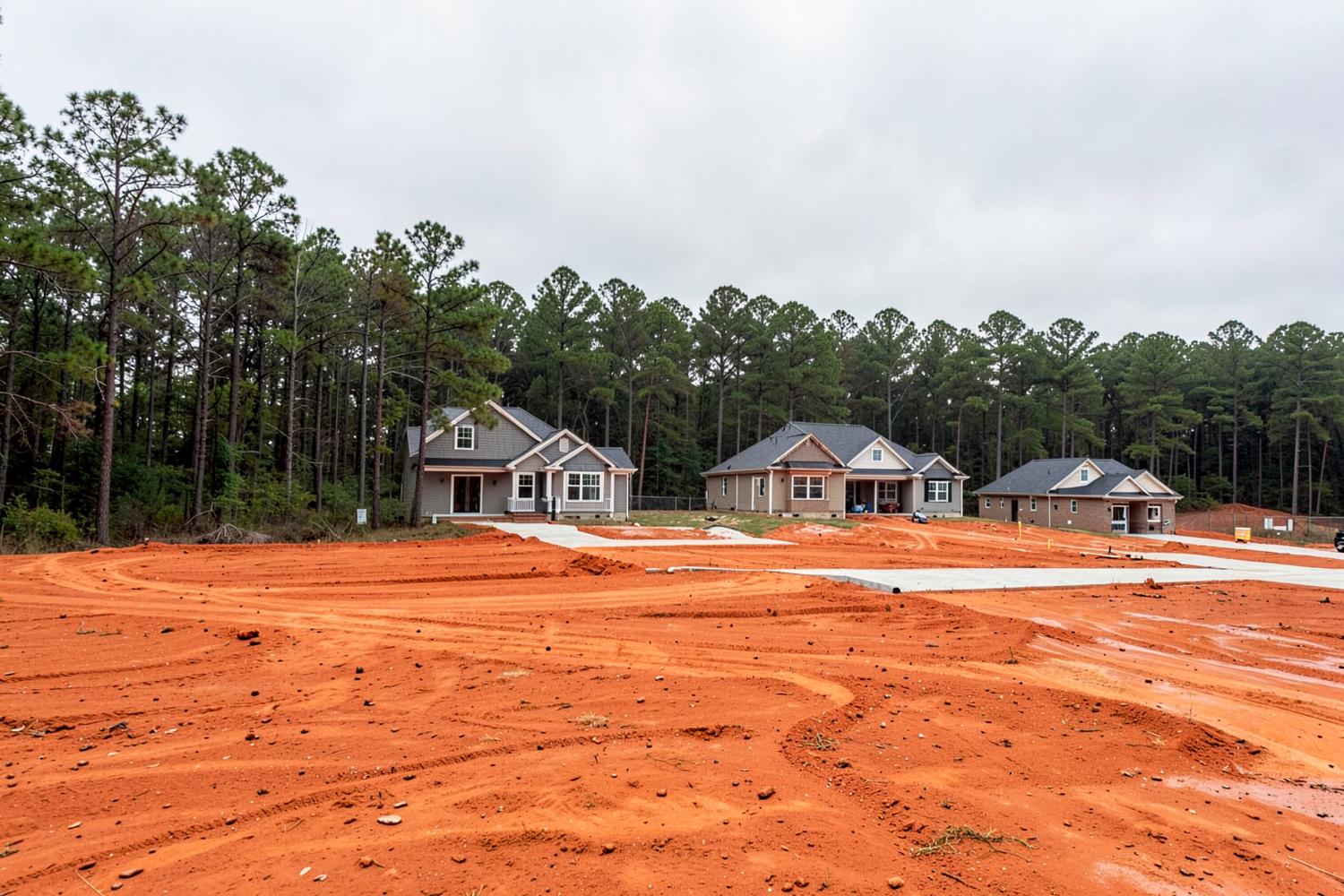
Search captures demand that already exists. Paid social creates it — and in Macon the discretionary work is concentrated in new subdivisions off Bass Road, Zebulon Road, Hartley Bridge Road and out through Gray, Byron and Bonaire, where bare yards, blank patio slabs and raw garage floors sit in plain view of every neighbour.
Open page - Web Design
Web Design in Macon
Search, ads and social all cash out here. A Macon site earns its keep by loading fast on a phone on a weak signal, stating price bands and coverage plainly, showing work on this city's actual houses — plaster and sash Intown, brick ranch in Shirley Hills, new slab in North Macon — and offering a booking path that works at eleven at night.
Open page - All four — recommended
The Master Framework in Macon
Search claims the terms permanently, Google ads buy the urgent hours and the storm windows, paid social manufactures the fencing, patio and coating demand nobody searches for, and the site converts all of it at eleven at night — one team, one plan, one segmented record of what every neighbourhood, hour and channel earned across Bibb, Jones, Monroe and the interstate belt.
Open page
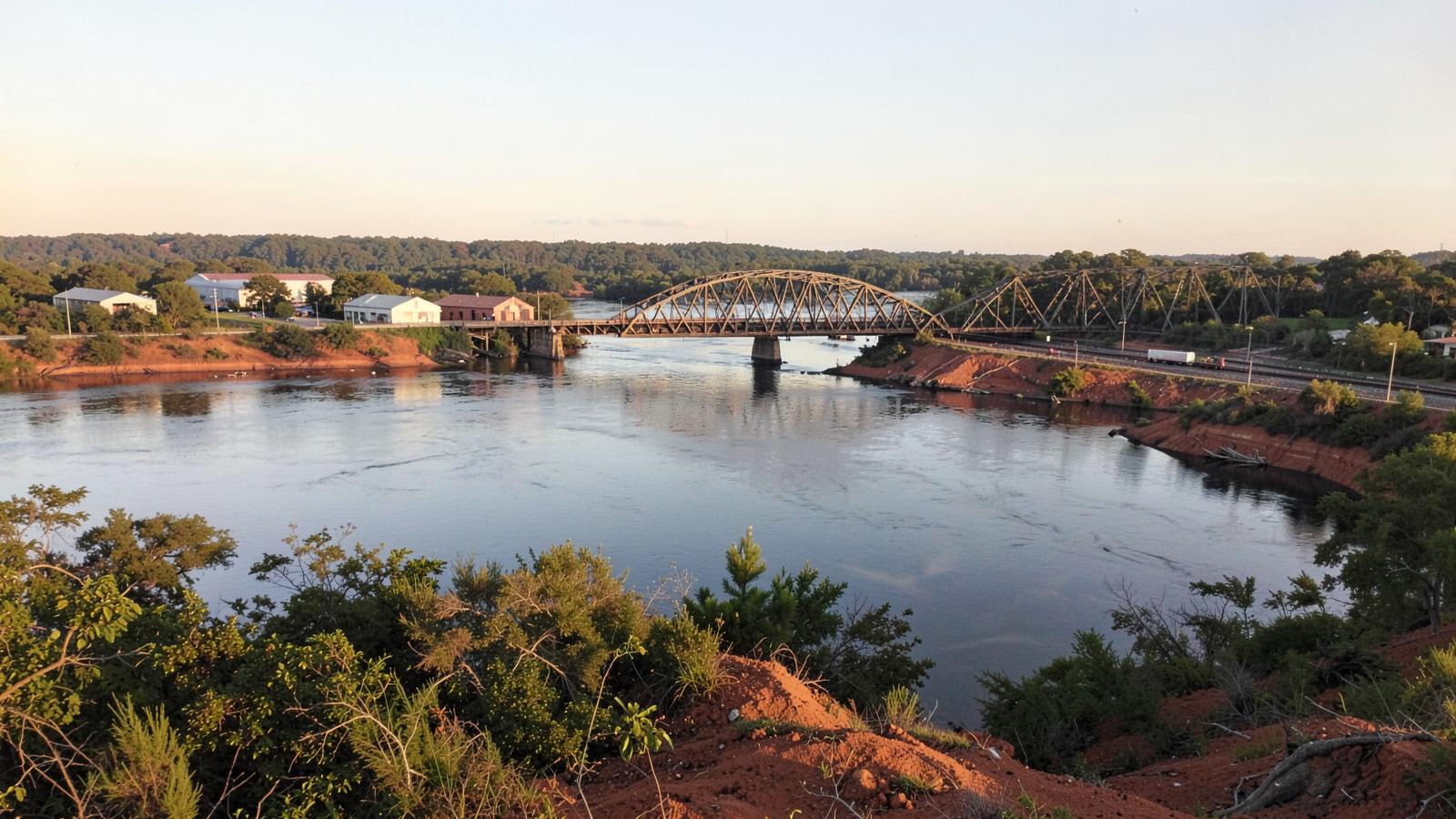
Macon sits close to the geographic centre of Georgia on the Ocmulgee River, at the point where Interstate 75 and Interstate 16 meet and where several rail lines have crossed for well over a century. That position is the whole economic argument for the city: goods bound for the coast, the Gulf and the northern corridor pass through, and the distribution centres, freight yards, truck terminals and cold-chain buildings that handle them cluster along the Sardis Church Road, Hartley Bridge Road and Allied Industrial corridors. Macon-Bibb County is a consolidated government, and the market reaches naturally out into Jones County toward Gray, Monroe County toward Forsyth, Peach County toward Byron and Fort Valley, and south along the interstate into the Warner Robins and Bonaire growth belt.
The second pillar is healthcare. Macon's regional medical centres draw patients from a wide slice of middle Georgia and employ thousands of people across nursing, imaging, surgical support, transport, billing and facilities. That matters commercially in a way most agencies miss: a large part of this city's buying public works rotating shifts. They are awake and researching at ten at night, they book on a phone between rounds, and they cannot take a four-hour daytime appointment window. Combine that with warehouse and freight shifts running the same clock and Macon becomes a market where after-hours responsiveness is a competitive weapon rather than a nicety.
What makes the Macon market distinct
Start with the housing, because Macon's is unusual for an inland Georgia city. The Intown districts — Vineville, Beall's Hill, Huguenin Heights, Napier Heights, the streets around College Street and Orange Street — hold one of the largest collections of antebellum, Greek Revival and Victorian houses in the South. These are plaster walls, heart-pine floors, single-glazed wood sash, brick pier foundations over open crawlspaces, slate and metal roofs, cast iron drain lines, and additions layered on across a century. Owners here search restoration language, not replacement language, and they care whether you have worked on a house like theirs before.
Then the mid-century belt: Shirley Hills, Ingleside, Bloomfield, Rivoli and the streets off Vineville Avenue and Log Cabin Drive, where brick ranches carry original ductwork, undersized returns and driveways that red Piedmont clay has been shifting for decades. Then North Macon along Bass Road, Zebulon Road and Rivoli — plus Gray, Forsyth, Byron and Bonaire — where slab-on-grade subdivisions go up on cleared clay with bare yards, raw garage slabs and builder-grade systems ageing on a schedule. One city page cannot speak to a plaster-and-sash restoration and a first fence on a two-year-old lot at the same time.
Search: a cheap field, taken neighbourhood by neighbourhood
Macon organic competition is thin. Seven areas usually cover the real opportunity — Intown and the historic districts, Vineville and Ingleside, Shirley Hills and east Macon across the river, North Macon along Bass and Zebulon, south Bibb around Hartley Bridge and Sardis Church, Gray and Jones County, and the interstate belt south through Byron toward Warner Robins. Honest pages with local photography and published price bands hold those terms for years.
Google advertising: buy the hours the rest of the market ignores
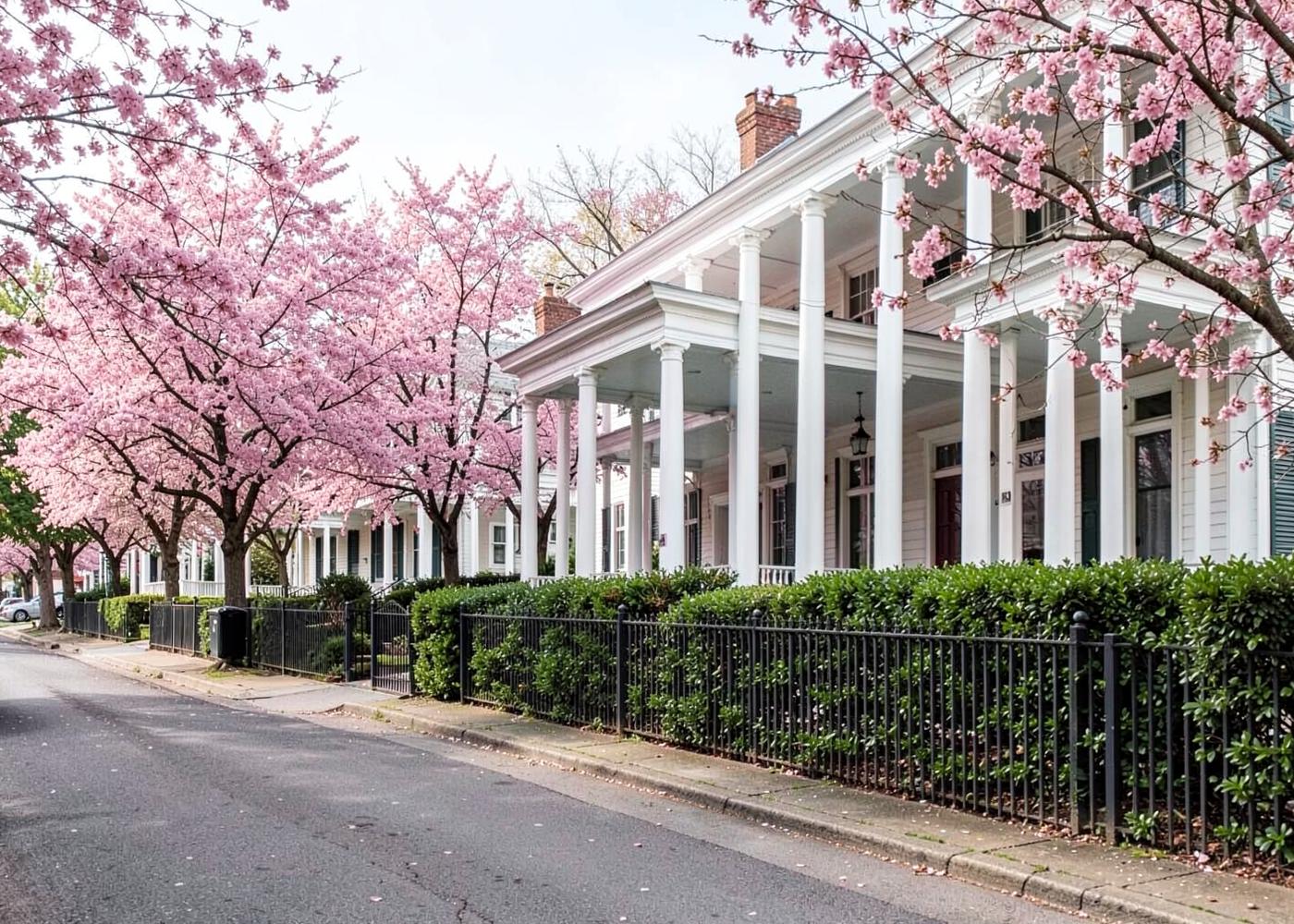
Clicks in Macon cost a fraction of Atlanta's, which makes paid search profitable quickly — and makes a sloppy account waste money slowly enough to go unnoticed. Three windows carry most of the return here: the long humid cooling stretch from May into September, the hours after severe spring and summer thunderstorms roll through the Ocmulgee valley, and the evening and overnight blocks when shift workers finally get to their phones.
Social advertising: nobody searches for a first patio
A family a year into a new build off Bass Road does not type "privacy fence" — they watch a neighbour's go up and then look it up. Paid social is how Macon's fencing, concrete, patio, sunroom and garage-coating work actually gets sold: named subdivisions, real local photography, held in front of a decision that usually takes six to ten weeks.
Web design: the site has to work at 11pm on a phone
A nurse coming off a twelve, a dispatcher between loads, a homeowner who just watched water come through a plaster ceiling — all of them arrive on a phone, outside business hours, wanting a price band, an honest lead time, proof of work on houses like theirs, and a form or booking link that actually submits. Most Macon sites answer none of that.
How the four channels compound in Macon
Organic depth across Bibb, Jones and Monroe counties earns the recurring terms cheaply and hands paid budget back. Google ads take the August no-cooling call, the storm afternoon and the 11pm emergency. Paid social manufactures the discretionary outdoor work new clay-lot subdivisions create but nobody searches for. The site converts all of it, including the buyer who will never call during office hours. One team, one map, one calendar, one ledger.
The Macon attribution advantage
Because this market's demand is spread across unusual hours and very different housing stock, evidence beats instinct. Every inbound is sorted by channel, neighbourhood and page, so budget moves out of a corridor that is quietly wasting money and into the hours and areas that pay — and the decision about how far south down the interstate you will drive gets made once, for all four channels, instead of four different ways.
The four services Extentus runs in Macon
- Search Engine Optimization
- The channel you own — map-pack rankings, reviews and service-area pages that keep producing after the work is done.
- Google Advertising
- The channel with a volume dial — paid search and Local Services Ads tuned to the hours demand actually spikes.
- Social Advertising
- The channel that builds the pipeline — demand created in homeowners before they ever search.
- Web Design
- Where the other three cash out — fast, mobile-first pages built to convert visits into booked jobs.
Install all four in Macon
One framework, one accountable record: qualified inbound by channel and by Macon district, cost per qualified inbound, and the exact pages responsible.
Macon marketing questions, answered
Macon is a crossroads and healthcare city, not a corporate metro or a coastal tourism market. Freight moves through the I-75 and I-16 junction and the rail lines around it, and two large medical systems keep thousands of people on rotating shifts, so demand here spreads into evenings and overnight hours that nobody local is bidding on. Housing splits three ways — antebellum and Victorian Intown, mid-century brick in Shirley Hills and Ingleside, and new slab construction in North Macon, Gray, Byron and Bonaire — which means one city page cannot work. Clicks are cheap and the organic field is light, so results arrive faster here than in Atlanta.
Yes, and it is one of the biggest missed opportunities in this market. Macon's Intown districts hold plaster walls, wood sash windows, brick pier crawlspaces, heart-pine floors, slate and metal roofs and cast iron drains, and those owners search restoration and repair language rather than replacement language. They also care about approved materials and method. A page that shows real work on houses of that age, explains the approach, and states what you will and will not touch outperforms a generic service list — and almost nobody in Macon writes it.
Unevenly and on purpose. Hold paid reserve for the humid cooling stretch from May into September, for the hours after severe thunderstorms and hail, and for evening and overnight blocks when hospital and warehouse shift workers finally reach their phones. Sell outdoor projects — fencing, concrete, patios, coatings — through the spring window around cherry-blossom season and again in the cooler autumn on paid social. Build pages and rebuild the site in the quiet winter so everything is mature before the first hot spell.