Columbus, Georgia
Columbus, Georgia Marketing for an Infantry-Post Economy on the Alabama River Line
A river city on the Alabama line whose customer list partly refills itself every summer. Fort Moore moves households on orders rather than on a housing cycle, the housing stock is moderate and working-class rather than luxury, and the organic field is light enough that a prepared business can take ground in months. Marketing that treats Columbus, Georgia like a smaller Atlanta — or like Augusta with the name swapped — misreads the buyer, the season and the map at once.
Five dedicated Columbus pages
Each discipline has its own Columbus page — its own local search data, its own market detail, its own URL.
- SEO
Search Engine Optimization in Columbus
Columbus is one of the lighter organic fields in Georgia — plenty of local competitors still run one page and a phone number — so a business that publishes genuinely local pages takes ground in months rather than years. Extentus builds that footprint on the language this market actually types: relocation deadlines, rental turnover, older brick-ranch systems, red clay driveways, pine pollen and humid Chattahoochee Valley summers, area by area from Uptown and Midtown out to Midland, Fortson, Cataula and across the river.
Open page - Google Ads
Google Advertising in Columbus
Paid search built for the Columbus year: humid-summer cooling failures, thunderstorm drainage calls, inspection deadlines and relocation move-outs, with the account split by county and by corridor so a Hamilton call and a Midtown call are never bid the same — and with a deliberate decision about whether you cross the river into Alabama at all.
Open page - Social Ads
Social Advertising in Columbus
Paid social is how Columbus's discretionary work gets sold: first fences on cleared clay lots north of town and out toward Midland and Cataula, patios and garage coatings, drainage and crawlspace work on older Midtown houses, and the fast-moving needs of households arriving on orders. It also retargets every visitor search and ads deliver, through a decision that takes weeks.
Open page - Web Design
Web Design in Columbus
The site is where every other channel is spent or wasted. In Columbus that means published price bands, photographs of local work on brick ranches and clay lots, a coverage statement that says plainly whether you cross into Alabama, lead-time honesty for households moving on orders, and a form an owner can complete from three states away.
Open page - All four — recommended
The Master Framework in Columbus
Search claims the terms permanently, Google ads buy the urgent hours and the deadlines, paid social manufactures the fencing, concrete and coating demand nobody searches for, and the site converts all of it — one team, one plan, one segmented record of what every area, season and channel earned across Muscogee, Harris and the river line.
Open page
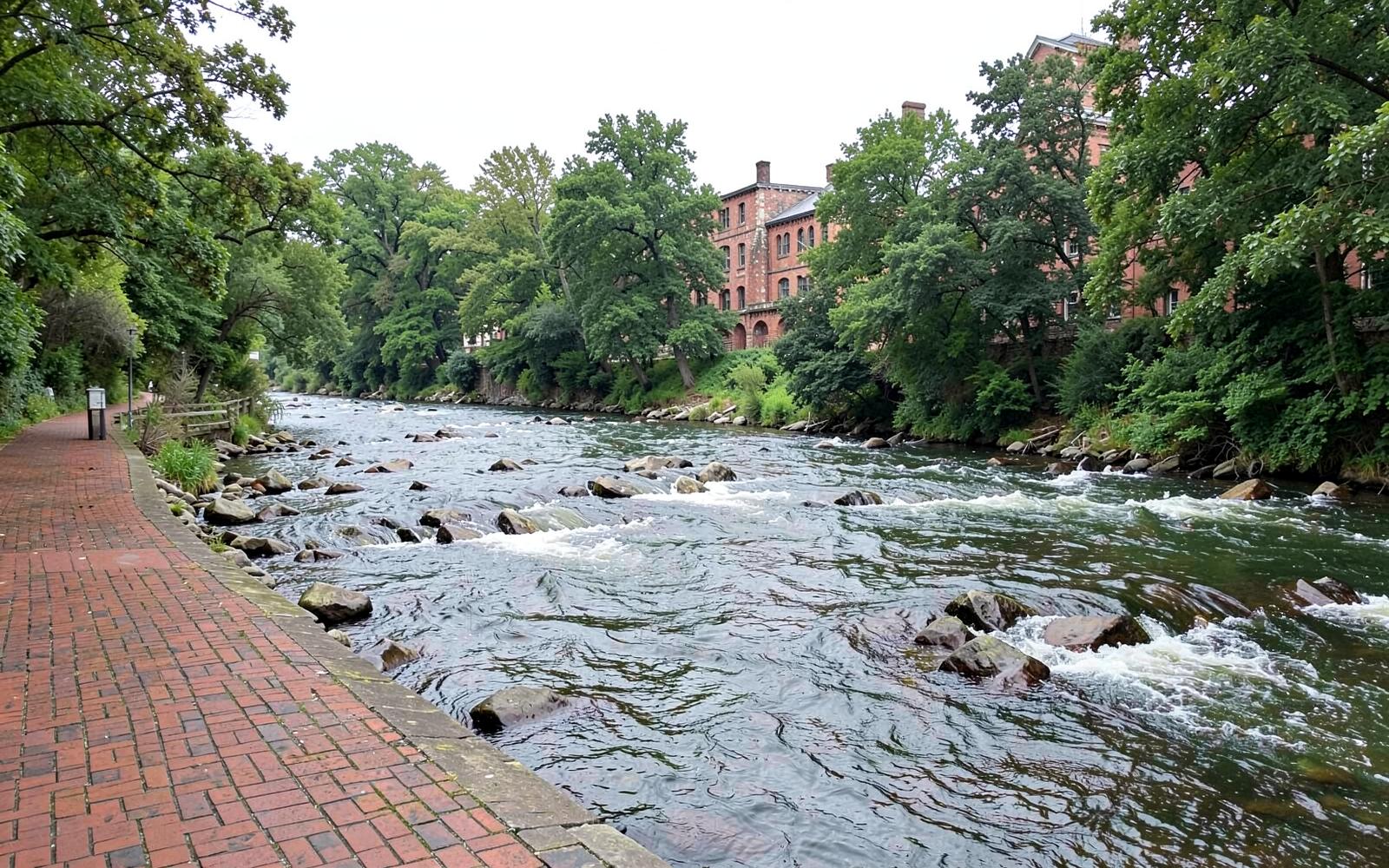
Columbus sits on the Chattahoochee River in southwestern Georgia, with Phenix City and Russell County, Alabama directly across the water. That geography is not decoration: the labour force, the customer base and the daily commute genuinely cross a state line, which means licensing, insurance and drive time are live business questions rather than trivia. Muscogee County holds the historic core, the old textile mill district along the river, mid-century brick-ranch neighbourhoods, and a south side shaped by the approaches to Fort Moore. North of town, Midland, Fortson and Cataula run out toward Harris County, where newer subdivisions keep going up on cleared red clay.
The dominant economic fact is the installation. Fort Moore — long known as Fort Benning — is one of the largest infantry and armor training posts in the country, and it sets the rhythm of this market. Households arrive and leave on orders, not on interest rates, which produces a steady annual churn of inspection repairs, rental turnovers, move-in projects and cleaning work compressed into a moving season that peaks over the summer. That is a genuinely different military economy from Augusta's cyber and signal work: more turnover, more rental property, more speed, more price sensitivity.
What makes the Columbus, Georgia market distinct
Start with the housing. Wynnton, Lakebottom, Rose Hill, Overlook, Bibb City and the streets off Macon Road and Buena Vista Road hold pre-war and mid-century homes: brick ranches with original ductwork and undersized returns, crawlspaces under humid river-valley air, cast iron and clay drain lines, single-pane additions, and driveways that Chattahoochee Valley red clay has been slowly moving for fifty years. Those owners search symptoms — a settling slab, standing water at a foundation, a cupped floor — and they want method and a price, not a service menu.
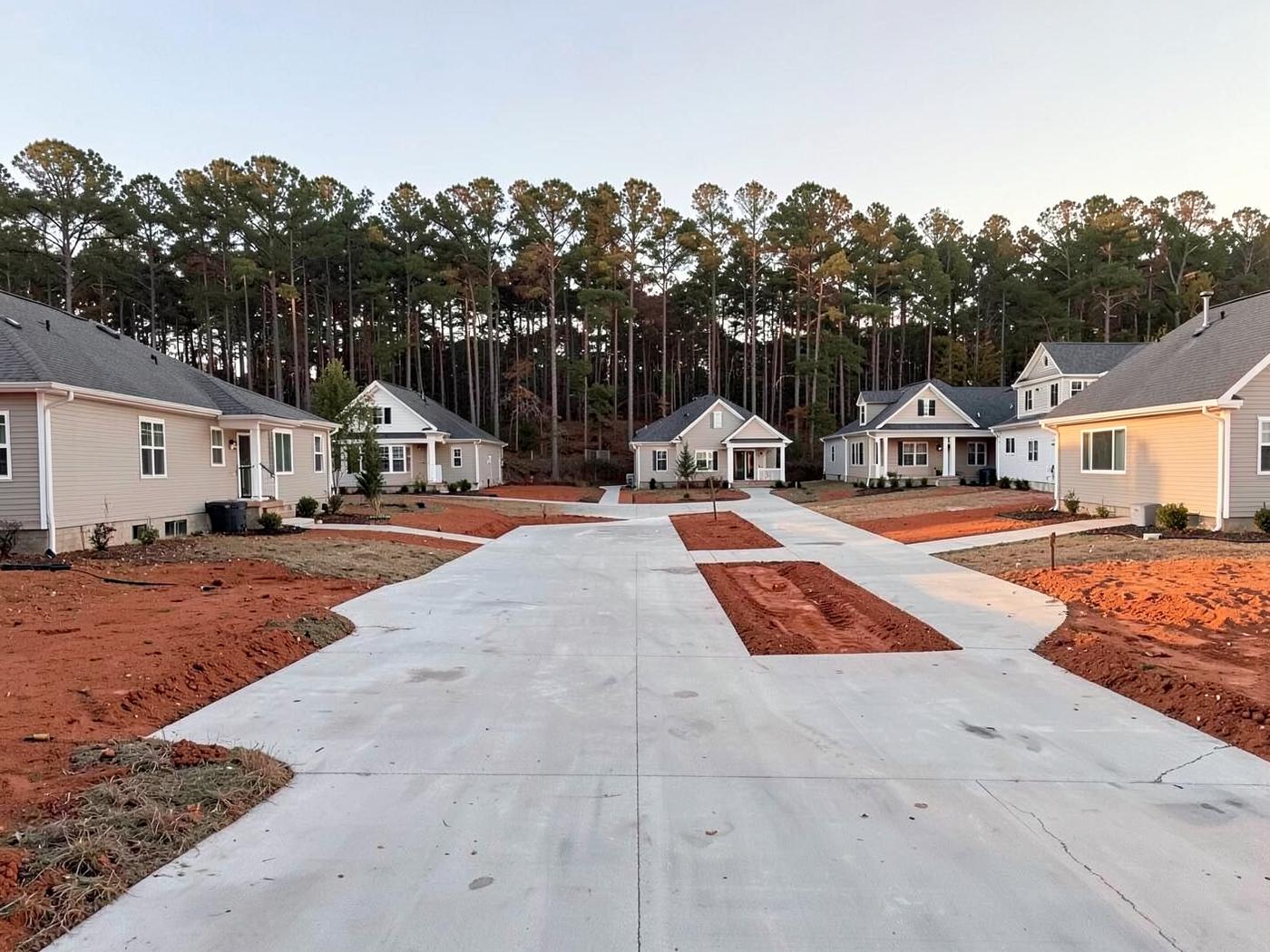
Then the newer edge. Off Blackmon Road and Whitesville Road, and out through Midland, Fortson and Cataula into Harris County, the market is slab-on-grade housing on cleared clay: builder-grade systems ageing on a schedule, unfenced back yards, bare patio pads, uncoated garage slabs. That is first-time discretionary work, and it sells by neighbourhood example rather than by search. One city page cannot speak to both halves of Columbus, let alone to the household with orders in hand and six weeks to make a house liveable.
Search: a light field, taken area by area
Columbus organic competition is far thinner than Atlanta's. Seven areas usually cover the real opportunity — Uptown with the mill district, Midtown with Wynnton and Lakebottom, the Macon Road and Buena Vista corridor, the south side near the gate approaches, north Columbus off Blackmon and Whitesville, Midland through Fortson and Cataula, and Phenix City across the river if you are licensed for it. Honest pages with local photographs and published bands hold those terms permanently.
Google advertising: buy the hours that will not wait
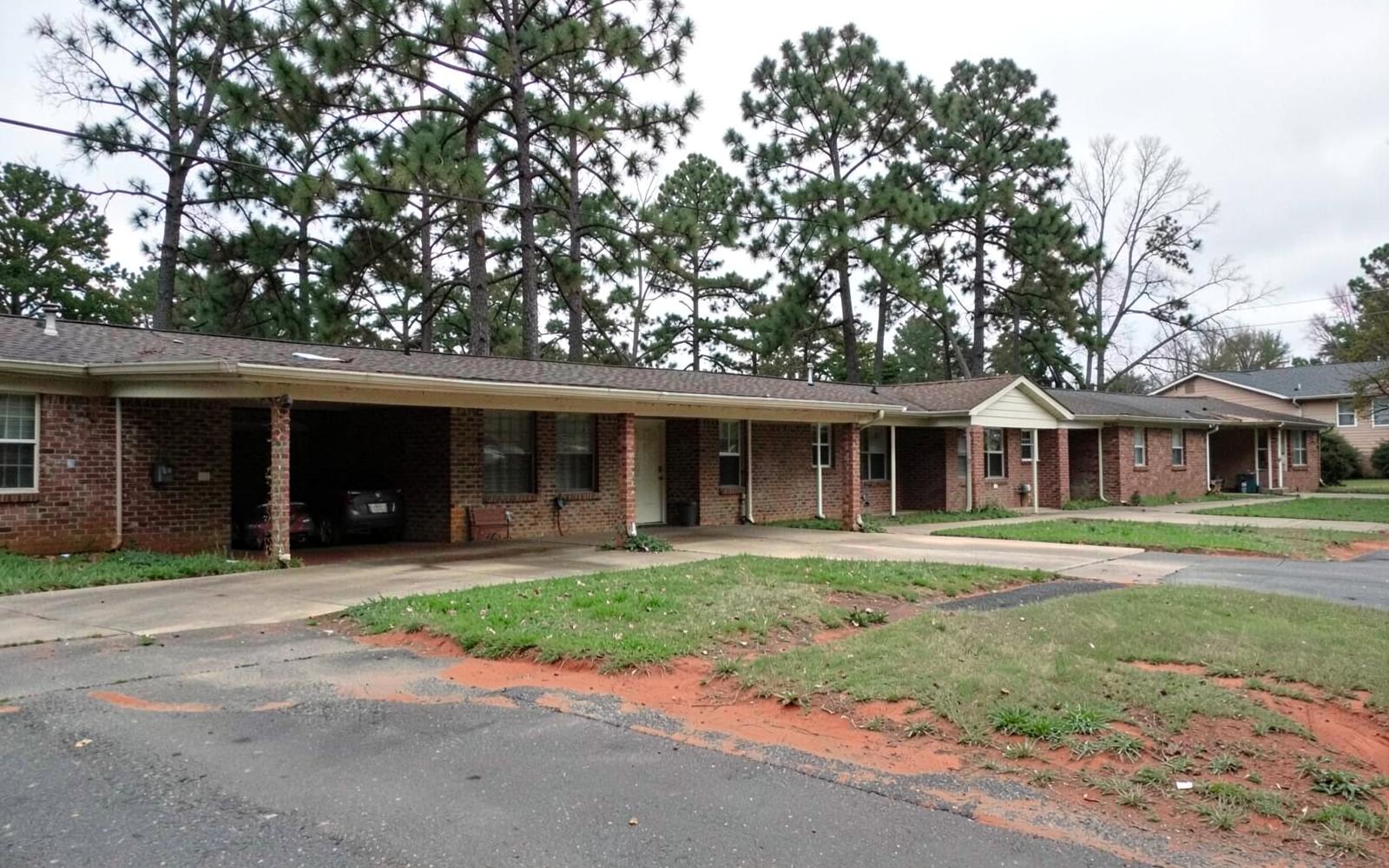
Clicks here cost a fraction of Atlanta's, which makes paid search profitable and loose accounts survivable — the reason so many quietly waste money. Three windows carry most of the return: the humid cooling stretch from late spring into September, the two-day surges after heavy summer thunderstorms, and the relocation peak when inspection lists and turnovers land against fixed dates. Bidding the same across a state line and a county line is where the budget disappears.
Social advertising: nobody searches for a first fence
A family three weeks into a new build off Blackmon Road does not type "privacy fence" — they watch a neighbour's go up. Paid social is how Columbus's fencing, concrete, patio and garage-coating work actually gets sold, in named subdivisions, with real local photography, held in front of a decision that usually takes six to ten weeks.
Web design: half your best buyers are not in town yet
A large share of Columbus enquiries come from people approving work remotely against a moving date. They need a price band, a coverage statement that says plainly whether you cross the river, an honest lead time, proof of work on houses that look like this city's, and a form that works when the owner is three states away. Most local sites answer none of that.
How the four channels compound in Columbus
Organic depth across Muscogee and Harris counties earns the recurring terms cheaply and hands paid budget back. Google ads take the August no-cooling call, the storm afternoon and the inspection deadline. Paid social manufactures the discretionary work new clay-lot subdivisions create but nobody searches for. The site converts all of it, including the buyer who will never walk the job first. One team, one map, one calendar, one ledger.
The Columbus attribution advantage
Because the seasons here are so specific, evidence is worth more than instinct. Every inbound is sorted by channel, area and page, so budget moves out of a corridor that is quietly wasting money and into the window that pays — and the decision about whether to work across the Chattahoochee is made once, for all four channels, instead of four different ways.
The four services Extentus runs in Columbus
- Search Engine Optimization
- The channel you own — map-pack rankings, reviews and service-area pages that keep producing after the work is done.
- Google Advertising
- The channel with a volume dial — paid search and Local Services Ads tuned to the hours demand actually spikes.
- Social Advertising
- The channel that builds the pipeline — demand created in homeowners before they ever search.
- Web Design
- Where the other three cash out — fast, mobile-first pages built to convert visits into booked jobs.
Install all four in Columbus
One framework, one accountable record: qualified inbound by channel and by Columbus district, cost per qualified inbound, and the exact pages responsible.
Columbus marketing questions, answered
Columbus is an infantry-post economy on a state line, not a corporate metro or a cyber city. Fort Moore moves households on orders, which produces a summer relocation peak, heavy rental turnover and buyers who decide fast and often remotely. Housing is moderate and working-class rather than luxury or tech-driven, clicks are cheap, and the organic field is light enough to win in a couple of quarters. Augusta's military economy is cyber and signal work with an April tournament deadline; Atlanta is an enormous, expensive, fragmented paid market. Columbus is its own market and the copy has to read that way.
It is a real decision, not an assumption. The customer and labour market genuinely crosses the Chattahoochee, and many Columbus businesses work both sides — but licensing, insurance and drive time differ, so Alabama should get its own ad campaign, its own social radius, its own page and an explicit coverage statement. If you are not set up to work there, exclude it everywhere; paying for clicks and calls you cannot serve is the most common waste in this market.
Unevenly, on purpose. Hold paid reserve for the humid cooling stretch from late spring into September, for the two-day surges after heavy thunderstorms, and for the summer relocation peak when inspections, turnovers and move-in work all compress. Sell outdoor projects — fencing, concrete, patios, coatings — through the spring and cooler autumn windows on paid social. Build pages and rebuild the site in the quiet winter so everything is mature before the moving season starts.