Augusta, Georgia
Augusta Marketing for a Military-Cyber City With One Week the Whole Year Bends Around
A city on the fall line of the Savannah River where an Army cyber installation moves households in and out on orders, a downtown cybersecurity corridor keeps hiring, and one April tournament rearranges the calendar of every trade in Richmond and Columbia counties. Marketing that treats Augusta as a generic mid-sized southern metro misses all three.
Five dedicated Augusta pages
Each discipline has its own Augusta page — its own local search data, its own market detail, its own URL.
- SEO
Search Engine Optimization in Augusta
Augusta's organic field is far less contested than Atlanta's, so a business that publishes genuinely local pages can take ground in months. Extentus builds that footprint on the vocabulary this market actually types — clay movement, pine pollen, long humid summers, ice-loaded limbs, historic-district method, tournament-week deadlines — area by area from Olde Town and the Hill out to Evans, Martinez, Grovetown, Hephzibah and North Augusta.
Open page - Google Ads
Google Advertising in Augusta
Paid search in Augusta is a scheduling problem before it is a bidding problem. Extentus splits Richmond County from Columbia County and the gate corridor, buys the off-hours when base, hospital and shift households actually call, and holds real reserve for the pre-April deadline run instead of spending evenly across twelve months.
Open page - Social Ads
Social Advertising in Augusta
Augusta's constant household turnover is the strongest social-advertising case in Georgia. Extentus reaches families in their first weeks here, speaks separately to new-construction owners in Evans, Martinez and Grovetown, historic-home owners weighing a careful renovation, and rental owners preparing property before the April window — then retargets everyone paid and organic already reached.
Open page - Web Design
Web Design in Augusta
In a city where a real share of buyers arrived recently and have no local recommendation to lean on, the website is not a brochure — it is the whole first impression. Extentus builds it as conversion infrastructure: fast, honest about price, photographed on these streets, explicit about coverage across Richmond and Columbia counties, and readable by AI answer engines.
Open page - All four — recommended
The Master Framework in Augusta
The localized bundle argument for Augusta: how web design, SEO, Google Ads and social advertising compound in a market with continuous household turnover from a major military-cyber installation, two counties with different housing stock, and one April week that reprices a quarter — measured as one number rather than four.
Open page
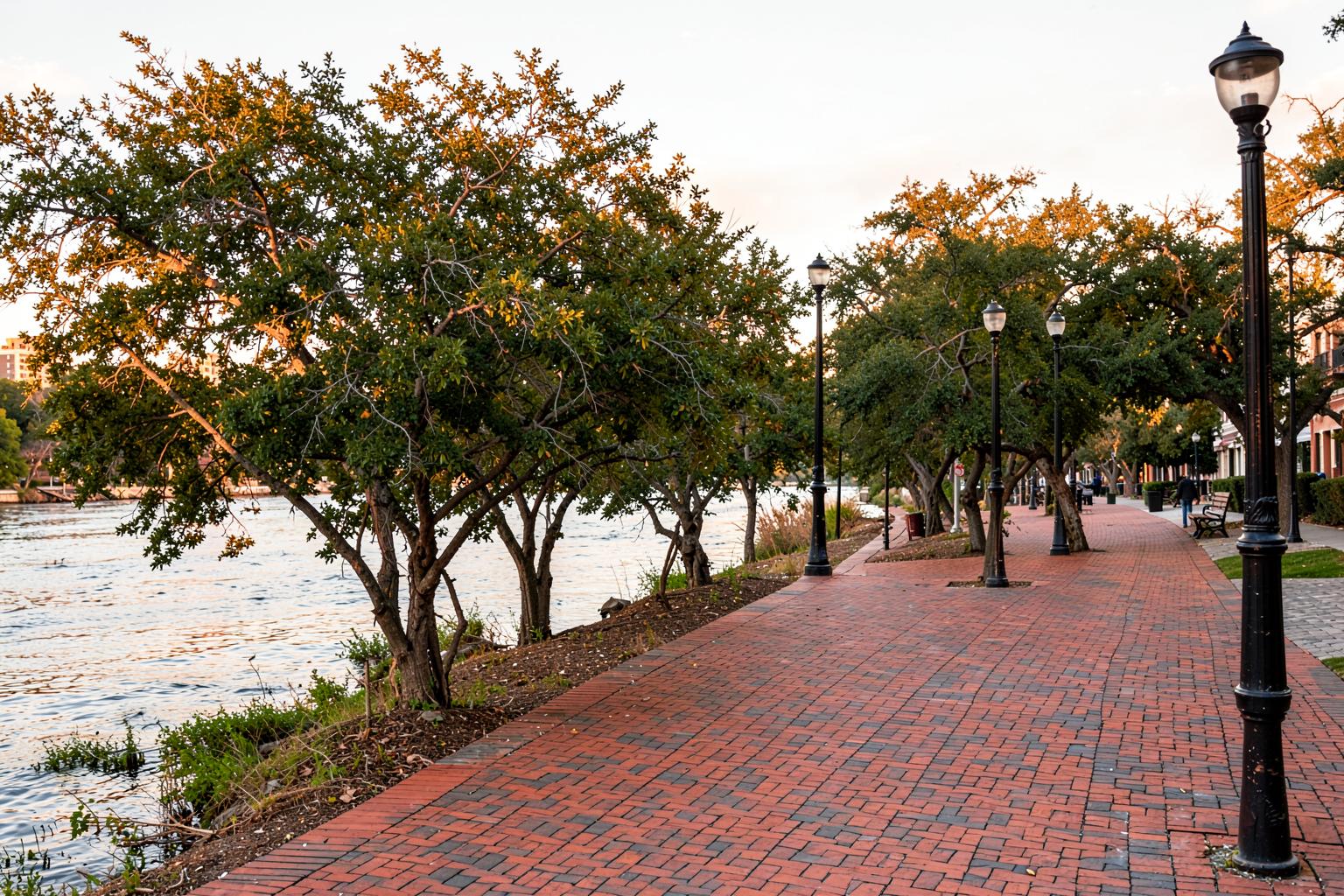
Augusta is not a smaller Atlanta and it is not Aiken with a Georgia address. Three anchors set this market apart. The first is the military: Fort Eisenhower, the Army's signal and cyber home, sits southwest of the city, and the churn of permanent-change-of-station orders means a real, countable share of local households arrive and leave on a schedule nobody in the private sector controls. The second is cyber and defence technology — a downtown cyber corridor and the contractors that grew up around the installation, employing people who research vendors the way engineers research anything. The third is April: the world's most watched golf tournament brings an enormous, concentrated visitor surge to Augusta every spring, and the property preparation that precedes it is a season of its own.
Underneath all three is Piedmont ground and Georgia weather. Red clay shrinks and swells, so driveways crack, patios settle, footings move and yards hold water in the wrong places. Pine pollen coats condenser coils every spring and drives a whole cycle of service calls. Summer runs long, humid and hard on cooling systems. Winter is mild until an ice event snaps limbs onto fences and roofs and produces a week of concentrated repair demand.
What makes the Augusta market distinct
Start with the older core. Downtown, Olde Town, Summerville and the Hill hold nineteenth and early twentieth century brick and clapboard houses under old oaks: plaster, heart pine, brick piers and crawlspaces, cast iron drain lines, and exterior work that has to look right on a street people already photograph. Renovation budgets there run high and buyers ask specific questions about method, not just price.
Then the growth ring west and south. Evans, Martinez and Grovetown in Columbia County, Hephzibah and the Fort Eisenhower gate corridor, and the newer subdivisions off Wheeler and Belair are slab-on-grade builds on cleared clay: builder-grade systems reaching end of life on a predictable clock, back yards with no fence yet, bare patio pads, unfinished garages and drainage the plan left at the minimum. These are the households most likely to be new to Augusta entirely.
And the medical and university district, where Augusta University and the region's hospitals employ a large, stable, shift-working professional population that lives across both counties and buys home services at hours a nine-to-five campaign schedule ignores.
Search: clay, pollen, humidity and a tournament deadline
Augusta's organic field is far lighter than Atlanta's, so a business that publishes real pages takes ground quickly. Our SEO services in Augusta claim what this market actually types — air conditioning and heat pump replacement in long humid summers, coils fouled by pine pollen, sewer and drain repair in red clay, yard drainage and standing water on clay lots, fence installation and storm fence repair, concrete driveways and patios that crack on expansive soil, epoxy garage floors, and careful historic renovation on the Hill — then attaches each to the places people name instead of the city: Evans, Martinez, Grovetown, Hephzibah, Summerville, Olde Town, West Augusta, North Augusta across the river.
Google advertising: base hours, cyber-corridor buyers, tournament countdown
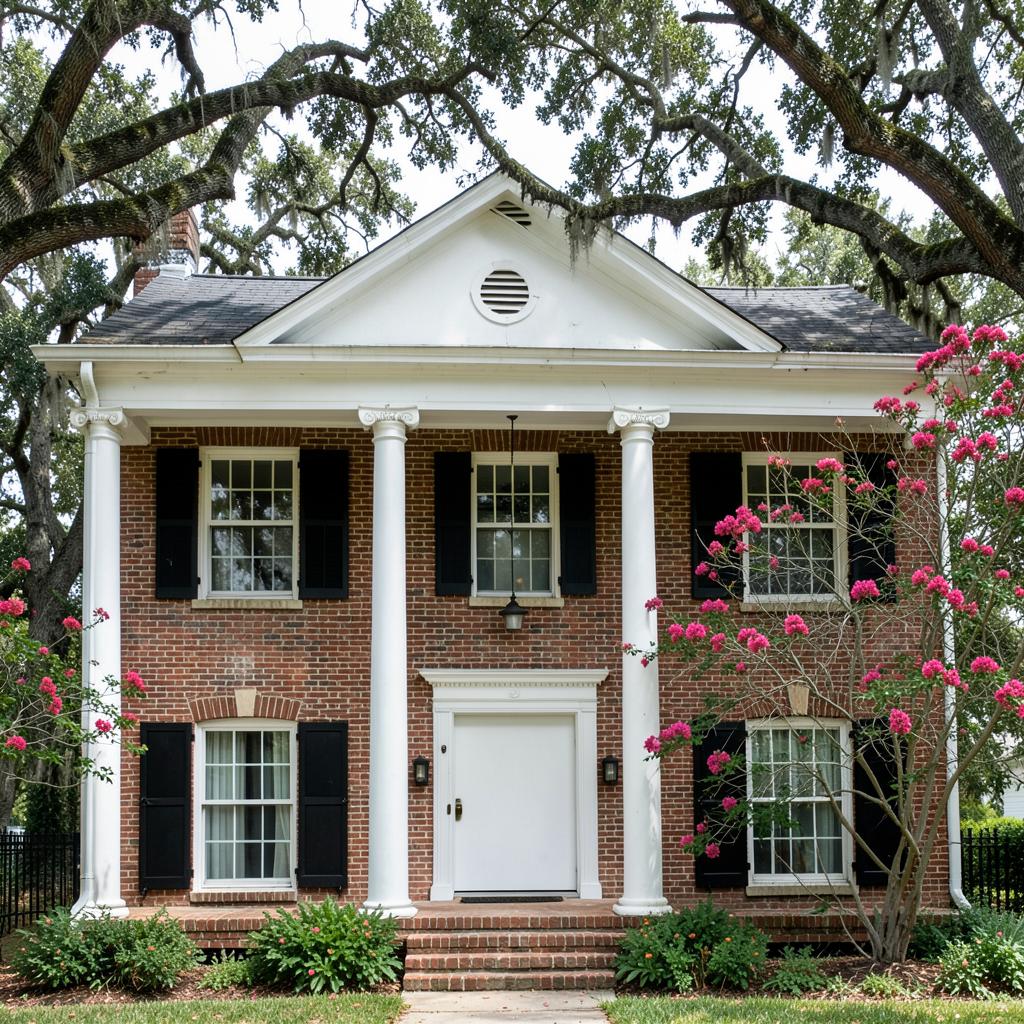
Our PPC management in Augusta is built around three realities. Military and hospital households work hours a standard schedule misses, so calls arrive early, late and on weekends. Cyber and technical buyers compare closely, read the page and expect a straight answer on scope and price. And the run-up to April is a hard deadline market — spend concentrated in the weeks when property owners need work finished, not spread evenly across the year. We separate Richmond County from Columbia County and the gate corridor, because drive time and job value are different in each.
Social advertising: households that arrive on orders
Very few American cities have such a reliable stream of genuinely new households. Every posting cycle brings families who need every trade at once and have no local relationships. Social advertising in Augusta reaches them in their first weeks — before the first emergency — and speaks separately to new-construction owners in Columbia County, historic-home owners weighing a careful renovation, and rental owners preparing property for the spring event window.
Web design: the page a relocating engineer reads at midnight
We build websites as conversion infrastructure: fast on a phone, structured for crawlers and AI answer engines, with published price bands, real Augusta-area job photography, explicit coverage across Richmond and Columbia counties and into North Augusta, and plain language about clay movement, pollen, humidity, permits, historic-district sensitivity and tournament-week scheduling. Website redesign projects in Augusta usually mean replacing a brochure with something that answers a household that moved here three weeks ago.
How the four channels compound in Augusta
The website sets the conversion rate every other channel multiplies against. Paid search takes the urgent hours — a condenser that quit in August, a line backing up under a crawlspace, a fence flattened by an ice-loaded limb — and holds reserve for the April deadline run. Organic claims those same terms permanently, area by area, and hands the paid budget back for the next segment. Social reaches newly arrived households months before a search exists, then retargets everyone the other channels already paid for. Installed as one plan, each piece lowers the next one's cost.
One Augusta team tracks every dollar across all four channels back to a single, checkable outcome.
Why the Augusta calendar changes the plan
Winter is the quiet publishing window: pages get weeks to settle and clicks are cheap. Late winter into early April is the tournament countdown — exterior work with a real deadline, and the highest-intent weeks of the year for painting, pressure washing, fencing, concrete and landscaping. Summer is humidity and cooling emergencies. Autumn is planned interior renovation and system replacement before the holidays, and it is also when PCS turnover has settled a new group of households into the market. We move budget around those events rather than spending flat.
Attribution matters here for a specific reason: when April produces a surge, four separate vendors will each claim it. Extentus keeps one number set — qualified inbound by channel and by area, cost per qualified inbound, and the pages that earned it — so the surge is explained rather than argued over.

The four services Extentus runs in Augusta
- Search Engine Optimization
- The channel you own — map-pack rankings, reviews and service-area pages that keep producing after the work is done.
- Google Advertising
- The channel with a volume dial — paid search and Local Services Ads tuned to the hours demand actually spikes.
- Social Advertising
- The channel that builds the pipeline — demand created in homeowners before they ever search.
- Web Design
- Where the other three cash out — fast, mobile-first pages built to convert visits into booked jobs.
Install all four in Augusta
One framework, one accountable record: qualified inbound by channel and by Augusta district, cost per qualified inbound, and the exact pages responsible.
Augusta marketing questions, answered
Augusta has three anchors neither of those cities shares: a major Army cyber and signal installation that turns households over on orders every year, a downtown cybersecurity and defence-technology corridor full of technical buyers who read before they call, and an April golf tournament that concentrates a year's worth of property-preparation demand into a few weeks. Atlanta is an enormous, expensive, fragmented paid market; Savannah is a coastal port city ruled by salt, sand and hurricane season. Augusta is inland Piedmont clay, pine pollen, long humid summers and a hard spring deadline.
Almost always yes. Evans, Martinez and Grovetown are newer slab-on-grade subdivisions with builder-grade systems, unfenced yards, bare patio pads and higher household incomes, while Richmond County holds the historic core, the medical district and older housing stock with crawlspaces and cast iron lines. The searches, the job values and the drive time differ enough that one blended page and one blended campaign underperform both.
For anything property-facing, yes. Owners of rentals and second properties want painting, pressure washing, fencing, concrete, landscaping and repairs finished before visitors arrive, which pulls demand forward into a tight window with an immovable date. We publish and rebuild in winter, hold paid budget for the countdown weeks, and make sure the site answers deadline questions — earliest start date, realistic lead time, what can and cannot be finished in time.