Oakland, California
SEO, Google Ads, Social and Web Design in Oakland — Built for Pre-1940 Housing Stock, a Working Port Economy and a Buyer Range That Runs Wide
Oakland is a repair-and-renovate market before it is anything else. Roughly two-thirds of the housing here predates 1960, much of it Victorians, bungalows and stucco flats with knob-and-tube remnants, wall furnaces, cast-iron drains and clay sewer laterals that the city expects replaced at point of sale. And the buyer range is genuinely wide — a Montclair hillside remodel and a Fruitvale duplex repair are the same trade, quoted three times apart, searched with different words. That is not the San Jose market with a different name on it, and the marketing cannot be either.
Five dedicated Oakland pages
Each discipline has its own Oakland page — its own local search data, its own market detail, its own URL.
- SEO
Search Engine Optimization in Oakland
The channel that keeps producing calls in a city where most of the housing predates 1960 and every trade fields both routine repair work and high-ticket hillside jobs in the same week. A Google Business Profile built for Oakland's sewer lateral compliance program, soft-story retrofit deadlines and wall-furnace replacements, service pages for Temescal, Rockridge, Montclair, Fruitvale, West Oakland, the Dimond and beyond, and enough CSLB-aware, review-backed proof to outrank a national franchise that has never dealt with a City of Oakland permit counter.
Open page - Google Ads
Google Advertising in Oakland
The channel built for a housing stock where most of what fails is older than 1960 and a real-estate transfer program forces some of that failure into a deadline. Paid search and Local Services Ads bid Oakland's flatlands and hills as separate markets rather than one citywide radius, with reporting tied to booked jobs across a bridge-and-tunnel East Bay service area instead of clicks.
Open page - Social Ads
Social Advertising in Oakland
The Oakland channel that creates the job before anyone types a query for it. Facebook and Instagram campaigns built from your own Oakland job sites, aimed street by street across Temescal, Rockridge, Montclair, Glenview, the Dimond, the Laurel, Grand Lake, Crocker Highlands, Oakmore and Fruitvale, plus Berkeley, Alameda, Emeryville, Piedmont, San Leandro, El Cerrito, Castro Valley, Richmond and Hayward — a market where flatland budgets and hillside budgets need entirely different creative.
Open page - Web Design
Web Design in Oakland
Sites built for a buyer comparing several licensed East Bay contractors in open tabs at once: pages that load on a single bar of signal in a 1920s basement or a hillside dead zone, a CSLB number and permit practice stated above the fold instead of buried on a page nobody clicks, plain answers to sewer lateral compliance and soft-story retrofit questions, genuine Spanish and Cantonese intake instead of a translate button, and named pages for Temescal, Rockridge, Montclair, Fruitvale, Glenview, the Dimond District, the Laurel District, West Oakland, Grand Lake and Downtown Oakland instead of one page trying to speak for a city split by a hill.
Open page - All four — recommended
The Master Framework in Oakland
All four channels, installed together for Oakland's pre-1960 housing stock, its flatlands-versus-hills split, its fire hazard severity zones and its Port-anchored, income-diverse economy. One strategy across SEO, Google advertising, social advertising and web design, with spend shifted the moment demand moves between Temescal, Montclair and Fruitvale — and one accountable number.
Open page

Alameda County runs past 1.6 million people, and an Oakland crew's realistic day crosses jurisdictions constantly: Oakland proper, then Berkeley, Alameda, Emeryville, Piedmont, San Leandro, Albany, El Cerrito, Richmond, Castro Valley and Hayward, with the 24 corridor pulling work out to Orinda, Moraga and Lafayette. Every one of those cities has its own permit counter and its own price ceiling, and a service area published as a radius loses the search before the phone rings.
Geography splits this city into two economies stacked on one hill. The flatlands — West Oakland, Fruitvale, San Antonio, Elmhurst, the Laurel — hold older, denser, frequently multi-unit housing where the work is repair, code compliance, rental turnover and sewer lateral certification. Above 580, Montclair, Rockridge, Crocker Highlands, Oakmore and Trestle Glen sit on steep lots in a wildland interface where retaining walls, drainage, hillside fencing, defensible space and full-gut remodels carry the ticket. Same city, same crew, two completely different sales conversations.
What actually makes Oakland its own market
Three forces, and no other California city we work in stacks them this way. First, age: this is one of the oldest housing stocks in the state, which makes repipes, panel upgrades, sewer laterals, wall-furnace replacements and foundation and drainage work the everyday backbone rather than the exception. Second, terrain and fire: the hills are steep, the interface is real, and hillside fencing, retaining walls, defensible-space clearing and ember-resistant detailing are recurring paid work rather than a seasonal talking point. Third, range: incomes here run from working-class flatland renters and landlords to hillside owners with seven-figure equity, so the same fencing or concrete company is quoting a $4,000 job and a $40,000 job in the same week and needs pages that speak to both without insulting either.
The regulatory layer sits on top. CSLB licensing, City of Oakland permits, the sewer lateral compliance program that attaches to most property transfers, seismic soft-story retrofit requirements on older multi-unit buildings, and Title 24 energy compliance all show up in the sale. In a city where buyers have been burned by unpermitted work in a 1920s building, publishing a license number, a plain inspection path and honest lead times is the qualification step the customer was going to run anyway.
SEO: flatlands and hills need separate pages
Our Oakland SEO work starts with a Google Business Profile built for a dense multi-city East Bay service area and a review pace that names real streets and real jobs. Then it builds actual pages for Temescal, Rockridge, Montclair, Glenview, the Dimond, the Laurel, Fruitvale, West Oakland, Grand Lake and Downtown, plus Berkeley, Alameda, Emeryville, Piedmont, San Leandro, El Cerrito, Richmond, Castro Valley and Hayward — each written around what actually fails in that housing stock and which counter signs off on the fix.
Google advertising: buy the transaction, not the season
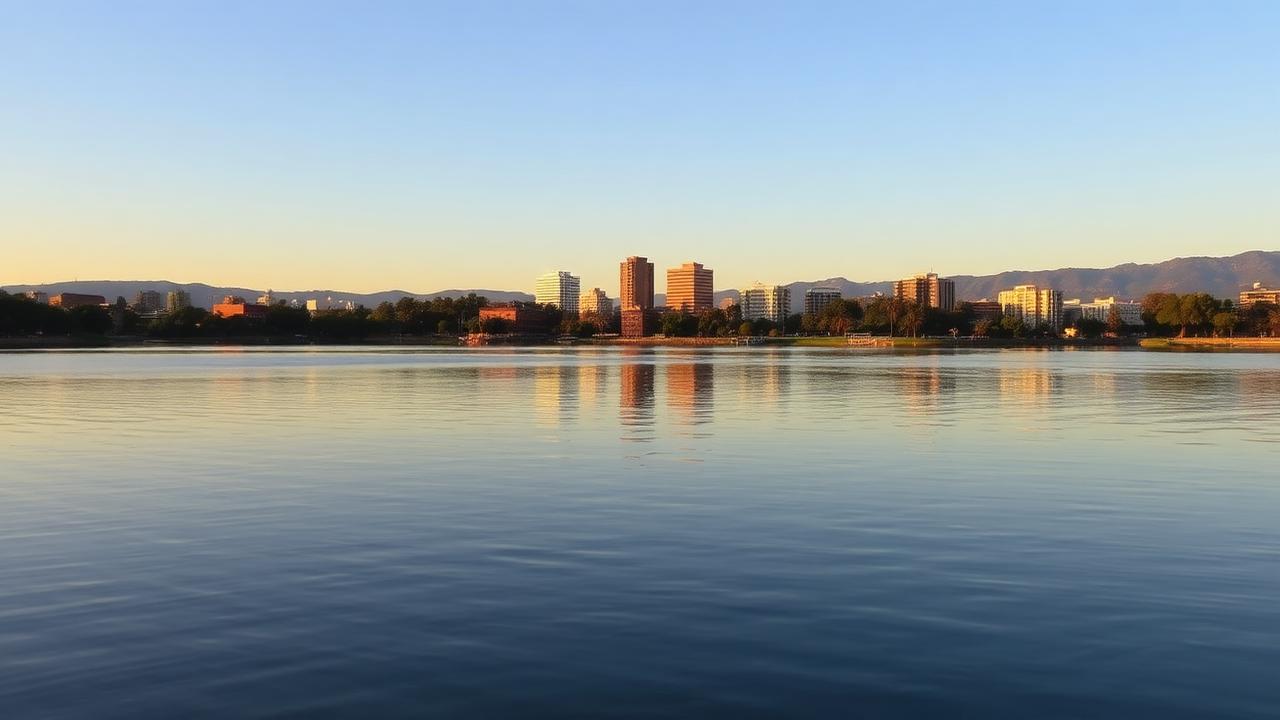
Paid search in the East Bay works best against events, not weather. Sewer lateral certification triggered by a pending sale. A wall furnace that quit in a January cold snap. Winter rain exposing a hillside drainage failure in Montclair. Panel upgrades ahead of an EV charger or a heat pump. Soft-story retrofit deadlines on a Fruitvale fourplex. Campaigns split by named city because a Piedmont install and a Hayward service call carry different tickets and very different drive time across a bridge-and-tunnel metro.
Social advertising: finished work, photographed honestly
Backyard paver patios in a 30-foot flatland lot, hillside decks and retaining walls, redwood fencing on a slope, stamped concrete driveways, epoxy garage floors in detached 1920s garages, kitchen and bath remodels in Victorians and bungalows — this is visual, discretionary work that produces almost no search until someone sees it done. A mild climate keeps yards usable most of the year, so outdoor living is a permanent category. Real job-site photography targeted to Temescal, Glenview, Alameda and Rockridge outperforms any amount of copy in a city that is unusually allergic to stock imagery.
Web design: judged in a tab war at 9pm
When an Oakland homeowner has four licensed options open at once, the site decides. Our builds load fast on a phone in a basement with one bar, keep click-to-call and scheduling fixed on screen, handle Spanish and Cantonese inquiries natively rather than through a translate widget, put the CSLB number and permit practice above the fold, show real finished work at full resolution, and carry LocalBusiness, Service and FAQ schema naming Berkeley, Alameda, Emeryville, Piedmont, San Leandro, El Cerrito, Richmond, Castro Valley and Hayward so answer engines cite the business instead of a national directory.
How the four channels compound in Oakland
SEO holds the everyday repair baseline across a dozen named East Bay cities. Google advertising catches the transaction moments — a sale in escrow, a failed furnace, a flooded hillside driveway. Social advertising manufactures the discretionary remodel and outdoor-living work that generates no search at all. Web design settles whether any of that becomes a booked, permitted Alameda County job. One line carries it: a single $22,000 hillside deck-and-drainage package a month is $264,000 a year, and a four-vendor arrangement almost never tracks cleanly enough to say which channel produced it.
The master framework: one system across the East Bay
Purchased one at a time, every channel costs Bay Area retail and still leaves an opening. SEO alone misses the escrow-deadline call. Paid alone rents every lead forever at Bay Area click prices. Social alone builds desire with nowhere to send it. A fast site with nothing feeding it converts nothing. Installed together, with one report showing qualified inbound by channel and by city, the four cover an actual Oakland year — old-housing repair volume underneath, hillside and remodel work on top, and a cost structure that survives operating a crew in the East Bay.
The four services Extentus runs in Oakland
- Search Engine Optimization
- The channel you own — map-pack rankings, reviews and service-area pages that keep producing after the work is done.
- Google Advertising
- The channel with a volume dial — paid search and Local Services Ads tuned to the hours demand actually spikes.
- Social Advertising
- The channel that builds the pipeline — demand created in homeowners before they ever search.
- Web Design
- Where the other three cash out — fast, mobile-first pages built to convert visits into booked jobs.
Install all four in Oakland
One framework, one accountable record: qualified inbound by channel and by Oakland district, cost per qualified inbound, and the exact pages responsible.
Oakland marketing questions, answered
Substantially, even though they share a bay. Oakland's housing stock is far older and denser, so the everyday work is repair, repipe, panel upgrade, sewer lateral and retrofit rather than new-build finish work. Its income range is much wider, so the same contractor quotes flatland rental repairs and hillside remodels in the same week. And its hills sit in a very high fire hazard severity zone, which creates recurring defensible-space, fencing and drainage demand that South Bay marketing never has to address.
Because they behave like two markets. A Fruitvale or West Oakland job is often a multi-unit repair with code and rental-turnover pressure and a tight budget, while a Montclair or Rockridge job is a steep-lot remodel, retaining wall or drainage project with a much larger ticket and fire-zone requirements attached. One citywide Oakland page speaks convincingly to neither, and local ranking systems are good at telling a page written about a place from a page that merely lists it.
Three come up constantly: the sewer lateral compliance requirement that attaches to most property transfers and creates deadline-driven plumbing work, seismic soft-story retrofit obligations on older multi-unit buildings, and Title 24 energy compliance on mechanical and electrical upgrades. Publishing a CSLB number, a plain permit-and-inspection path and realistic timelines converts better here than any discount, because Oakland buyers have usually already inherited someone else's unpermitted work.