Tucson, Arizona
Tucson Is an Older City in a Younger State — and It Searches Like One.
Tucson sits two thousand four hundred feet up, ringed by five mountain ranges, with neighborhoods that were finished before most of Phoenix existed. That combination produces steadier repair demand, a more affordable market and a very different search page. Extentus builds all four channels against it at once.
Five dedicated Tucson pages
Each discipline has its own Tucson page — its own local search data, its own market detail, its own URL.
- SEO
Search Engine Optimization in Tucson
Tucson is the most affordable competitive market Extentus works in Arizona. A profile optimized against a real drive radius, content that names central Tucson, the east side, the Foothills, Oro Valley and Marana specifically, and pages written about refrigerated-air conversions and monsoon damage put a local trade in front of demand that repeats every year.
Open page - Google Ads
Google Advertising in Tucson
Tucson click prices sit well below Phoenix, which makes paid search unusually efficient here — but only with explicit district targeting. Extentus builds campaigns around the drive the crew actually makes, separates bidding where central Tucson and the Foothills diverge, and runs Local Services Ads where that inventory beats standard search.
Open page - Social Ads
Social Advertising in Tucson
Search captures Tucson demand that already exists. Social advertising creates it — patios, ramadas, epoxy floors, block wall, turf, remodels. Extentus builds Meta and TikTok audiences against recent movers, retirees and specific districts, then retargets everyone the search work already touched.
Open page - Web Design
Web Design in Tucson
Tucson customers research before they call, which makes the website the deciding factor more often than the ad. Extentus builds fast, mobile-first sites with named district pages, real project proof, structured data for AI answer engines, and forms a scheduler can actually work.
Open page - Framework
The Master Framework in Tucson
The framework is the whole argument: search engine optimization, Google advertising, social advertising and web design behave as one installation in Tucson, sequenced against older housing, research-driven customers and three distinct demand seasons — not as four separate purchases with four separate reports.
Open page
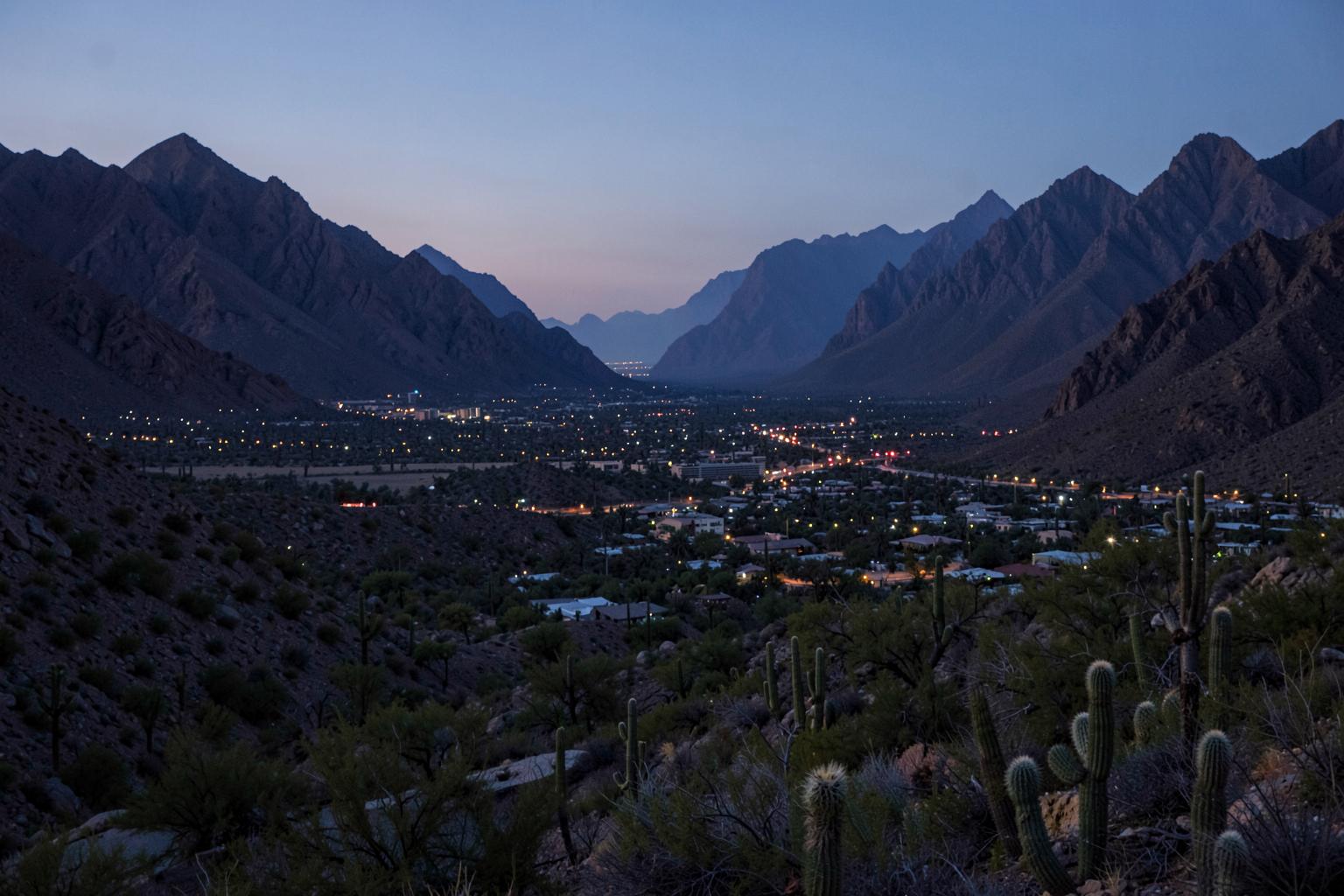
Tucson is routinely handed Phoenix's marketing plan, and it does not fit. The Valley plan assumes explosive new construction, metro fragmentation across two dozen incorporated cities, and a seasonal population that doubles the demand curve twice a year. Tucson is one dominant city inside Pima County with older housing, a university-and-defense payroll base, and demand that arrives as repair and renovation rather than first installation.
We build search engine optimization, Google advertising, social advertising and web design as one system instead of four contracts, because Tucson's specific advantages only show up when the channels share a strategy: lower click prices than Phoenix, less agency saturation, a customer base that reads before it calls, and housing that keeps generating work for the same trades year after year.
The research economy is the other structural fact. The University of Arizona, its affiliated medical and research operations, and the aerospace and defense employers on the south and southeast sides create a payroll base that is stable through recessions and unusually research-driven as a buying audience. Tucson customers compare, read reviews, and check a website before they dial — which is precisely why the site and the search results have to be built together.
What makes the Tucson market distinct
Tucson reads as a set of established districts rather than a set of separate cities. Central Tucson and the Sam Hughes, Armory Park and Barrio Viejo areas are dense, old and historically constrained — permits, adobe, tight lots. The Catalina Foothills to the north are the discretionary-spend market: renovation budgets, aesthetics, hillside access problems. The east side along Broadway and Speedway is 1960s-through-1980s subdivision stock in its second round of major systems replacement. The northwest through Oro Valley and Marana is where the newer growth actually sits. The south and southwest sides carry a large bilingual customer base and a working-trade economy where reviews and word of mouth travel faster than ads.
Those districts want the same four-channel framework weighted differently, not four different vendors selling four different plans. A Tucson business that hires a paid search agency, a separate web design shop and a social freelancer ends up paying three markups for one uncoordinated result.
Search: an affordable market that is still genuinely winnable
Local SEO in Tucson is less crowded than Phoenix and considerably cheaper to compete in, which is the single most under-used fact about this market. Real intent carries a district or a suburb — Foothills, east side, Oro Valley, Marana, Sahuarita, Vail, Green Valley — and it usually carries a failure with it. Our SEO services in Tucson start with Google Business Profile optimization against the crew's actual drive time, then build the small number of district pages the business can support with photographs, reviews and finished jobs. Consolidation beats multiplication here as everywhere.
Google advertising: cheaper clicks, tighter geography
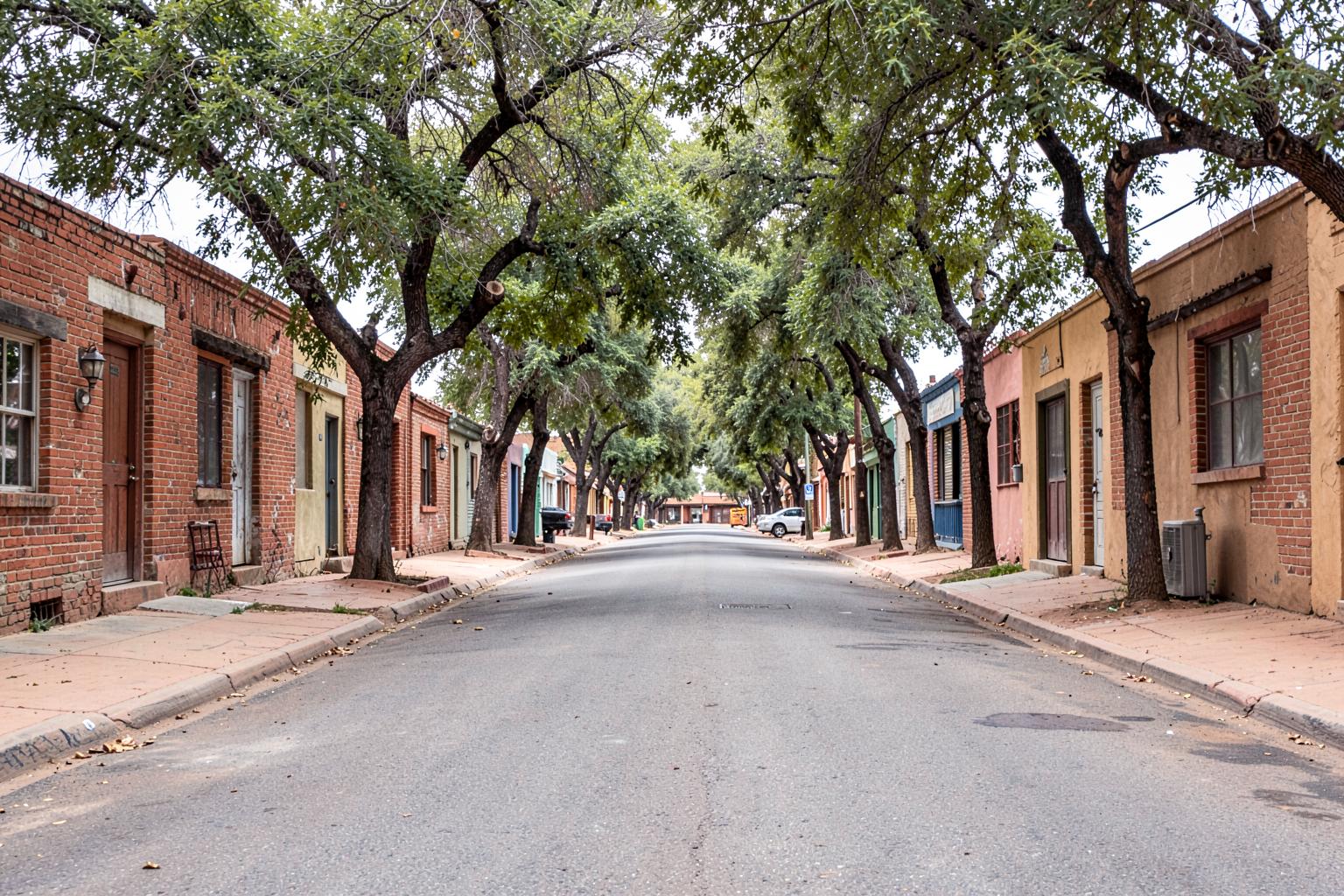
Tucson PPC management benefits from lower competitive pressure than the Valley, but the geography still punishes lazy targeting: an unbounded radius will spend Foothills budget on clicks from Nogales or Casa Grande. We build explicit district and suburb targeting, separate bidding where click price diverges between central Tucson and the Foothills, and Local Services Ads for the trades where that inventory outperforms standard search. Agency-intent terms carry almost no competitive pressure in Tucson; service-level terms are where the money moves.
Social advertising: students, retirees, and relocations
Tucson's paid social audiences are unusually legible: a large annual student and faculty turnover cycle, a substantial retiree population in Green Valley, Saddlebrooke and the Foothills, and steady relocation from California and the Midwest. Meta and TikTok audience construction against recent-mover and life-stage signals, layered on retargeting from the traffic search produces, turns social advertising in Tucson from impressions into scheduled work.
Web design: proof over polish
Tucson customers research. That means a website has to answer questions — what the crew has done in this district, on this kind of house, at roughly what cost — faster than a competitor's brochure does. We build sites as conversion infrastructure: fast on mobile, structured for crawlers and AI answer engines, with local proof and service-area clarity above the fold instead of a stock saguaro photograph. Website redesign work in Tucson usually means untangling a decade of accumulated pages from prior vendors.
How the four channels compound in Tucson
The order holds. A rebuilt site gives the whole stack somewhere to land conversions. Organic search claims the district-plus-service queries that never cost a click once they rank — and in a market this affordable, that climb is shorter than in Phoenix. Paid search captures the immediate demand in whichever districts the crew can reach this week. Paid social works the movers, students and retirees and re-engages everyone the other three channels already touched. Run together, spend rotates toward whatever is converting rather than sitting locked inside one vendor's single channel.
For a Tucson business that usually means the first ninety days look quieter than a four-vendor arrangement, and the following nine months do not plateau.
The Tucson seasonality problem
Tucson's calendar has three distinct pressures, not one: the pre-summer cooling scramble from May into June, the monsoon window from July into September that drives roof, wall and drainage work, and the winter-visitor and renovation season from November through March. Extentus shifts budget across channels inside one engagement to match that shape — heavier paid coverage in the spikes, heavier organic publishing and site work in the flat weeks. A paid-search-only vendor never proposes that trade, because it shrinks their own billings.
We report one number set per Tucson engagement: qualified inbound by channel and by district, cost per qualified inbound, and the pages responsible. That reporting is only possible because the same team controls the landing page, the ad, the keyword and the audience.
The four services Extentus runs in Tucson
- Search Engine Optimization
- The channel you own — map-pack rankings, reviews and service-area pages that keep producing after the work is done.
- Google Advertising
- The channel with a volume dial — paid search and Local Services Ads tuned to the hours demand actually spikes.
- Social Advertising
- The channel that builds the pipeline — demand created in homeowners before they ever search.
- Web Design
- Where the other three cash out — fast, mobile-first pages built to convert visits into booked jobs.
Install all four in Tucson
One framework, one accountable record: qualified inbound by channel and by Tucson district, cost per qualified inbound, and the exact pages responsible.
Tucson marketing questions, answered
Generally yes. Paid click prices and agency saturation are both lower in Tucson than in the Phoenix metro, and organic positions are easier to hold because fewer large regional operators are actively competing for Tucson district terms. That combination means a Tucson budget usually buys a faster path to a defensible position than the same budget spent in the Valley — which is why Extentus weights organic and site work more heavily here from the start.
Only the ones the crew genuinely serves. For most trades that is three to five: central Tucson, the east side, the Catalina Foothills, and the northwest through Oro Valley and Marana, with Sahuarita, Vail or Green Valley added when the drive is realistic. Each page needs photographs, named neighborhoods and real job detail, because Google discounts templated district pages that differ by one word.
Substantially. Large parts of Tucson were built between the 1940s and 1970s, so demand skews toward replacement and repair — refrigerated-air conversions, repipes on galvanized and cast-iron lines, panel upgrades, low-slope roof recoating. Content and campaigns are built around those failures and around the permitting and access realities of older central-Tucson lots, rather than around the new-construction language a Phoenix plan would use.
Yes. Tucson has three demand pressures rather than one: the pre-summer cooling rush in May and June, the monsoon window from July into September, and the winter-visitor and renovation season from November through March. Extentus concentrates paid spend inside those windows and moves budget into organic publishing and site development in the flat weeks between them.